- Get A Free Consultation.
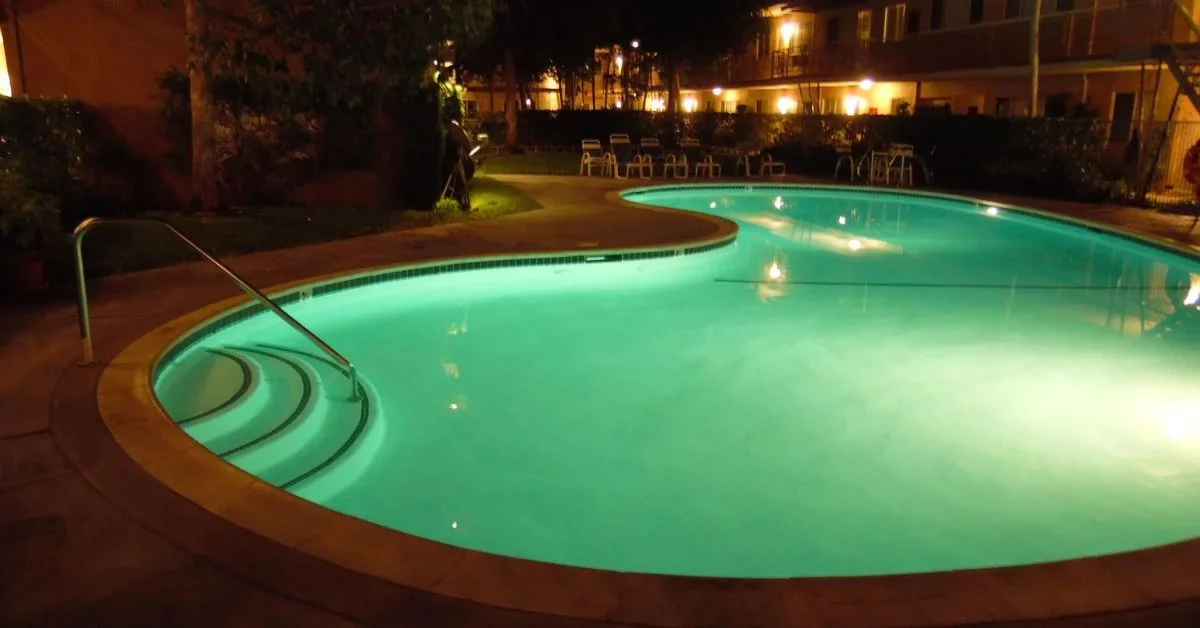
After shocking a pool, you should typically wait at least 8 to 24 hours before swimming, depending on the type of shock used and current water conditions. The most important factor is not just time—but ensuring the chlorine level has dropped to a safe range before entering the pool.
For most residential pools, it is considered safe to swim when free chlorine levels fall between 1–3 parts per million (ppm). Pool shock temporarily raises chlorine to much higher levels to kill bacteria, algae, and contaminants. Entering the water too soon can cause skin irritation, eye redness, and even breathing discomfort.
The waiting time can vary based on the type of shock treatment used. Calcium hypochlorite (chlorine shock) usually requires a full 24-hour wait, while non-chlorine shock (potassium monopersulfate) may allow swimming in as little as 8–12 hours. Fast-dissolving liquid shock can sometimes be safe sooner, but only if chlorine levels have returned to normal.
Other factors also affect how quickly your pool becomes safe. Sunlight helps break down chlorine faster, so outdoor pools may recover more quickly than indoor ones. Pool circulation also plays a role—running the pump continuously after shocking helps distribute chemicals evenly and speeds up the process.
The safest approach is to test your pool water before swimming rather than relying on time alone. Use a pool test kit or strips to confirm chlorine levels are within the safe range and that the water is clear.
This article will break down exact wait times by shock type, safety tips, and how to speed up the process so you can get back in the water as quickly and safely as possible.
Shocking a pool means adding a large dose of chemicals—usually chlorine or a non-chlorine oxidizer—to quickly sanitize the water by killing bacteria, algae, and other contaminants. Unlike regular daily chlorination, pool shock raises chlorine levels much higher than normal to break down organic waste such as sweat, oils, sunscreen, and debris that standard filtration cannot fully remove.
Over time, pools develop combined chlorine (chloramines), which form when free chlorine binds with contaminants. These chloramines reduce sanitizing effectiveness and are often responsible for strong “chlorine smells” and eye irritation. Shocking the pool helps eliminate these compounds, restoring clean, clear, and properly balanced water.
There are two main types of pool shock treatments. Chlorine shock (such as calcium hypochlorite or liquid chlorine) is the most common and provides powerful disinfection. Non-chlorine shock (potassium monopersulfate) works as an oxidizer, breaking down contaminants without significantly raising chlorine levels, which can allow for faster swimming times.
Pool owners typically shock their pools after heavy use, storms, algae growth, or when water appears cloudy or has a strong odor. It’s also common as part of routine maintenance, especially during peak swimming season.
Overall, shocking is an essential process that resets water quality, improves clarity, and ensures your pool remains safe and hygienic for swimmers.
It is safe to swim after shocking a pool only when chlorine levels return to the normal range of 1–3 ppm (parts per million) and the water is clear and balanced. While general guidelines suggest waiting 8 to 24 hours, the exact timing depends on the type of shock used, pool conditions, and how quickly chlorine levels drop.
For chlorine-based shock, such as calcium hypochlorite or liquid chlorine, you should usually wait a full 24 hours. These products raise chlorine levels significantly, and entering the pool too early can cause skin irritation, red eyes, and discomfort. In some cases, if chlorine levels drop faster due to sunlight and circulation, swimming may be safe sooner—but only after testing confirms safe levels.
For non-chlorine shock, the wait time is shorter, often around 8–12 hours, because it doesn’t raise chlorine to extreme levels. However, it still needs time to oxidize contaminants and circulate properly throughout the pool.
Several factors affect how quickly your pool becomes safe. Sunlight helps break down chlorine, meaning outdoor pools may be ready sooner. Continuous filtration and circulation also speed up the process by evenly distributing chemicals. On the other hand, high contamination levels or large shock doses may extend the wait time.
The most reliable method is to test your pool water before swimming. Use test strips or a liquid test kit to ensure chlorine levels are within the safe range and pH is balanced.
In short, don’t rely on time alone—always confirm water chemistry before getting back in the pool to ensure a safe and comfortable swimming experience.
The most important factor after shocking a pool is ensuring that chlorine levels return to a safe range of 1–3 ppm (parts per million) before swimming. While general wait times provide a guideline, actual safety depends on water testing rather than time alone.
For chlorine shock (calcium hypochlorite or liquid chlorine), the typical wait time is 24 hours. This allows chlorine levels, which spike during treatment, to drop back to normal. In some cases, especially with strong sunlight and good circulation, levels may normalize slightly faster—but testing is still required.
For non-chlorine shock, swimmers can often return within 8–12 hours because these products do not significantly raise chlorine levels. However, they still need time to fully oxidize contaminants and circulate evenly.
Other factors can influence how quickly chlorine levels drop. Sunlight, temperature, and continuous filtration all help reduce chlorine levels faster, while heavy contamination or higher shock doses may extend the wait time.
The safest approach is always to use a pool test kit or strips to confirm that chlorine levels are within the 1–3 ppm range and that pH is balanced before entering the water.
Swimming too soon after shocking a pool can lead to several health and safety issues. High chlorine levels can cause skin irritation, eye redness, and dryness, making the swimming experience uncomfortable. In more extreme cases, it may also lead to respiratory irritation, especially for sensitive individuals.
Another reason to wait is that the shock treatment needs time to fully kill bacteria, algae, and contaminants. Entering the pool too early can interrupt this process, reducing the effectiveness of the treatment and leaving the water less sanitary.
Additionally, when chlorine levels are too high, the water chemistry is unbalanced. This not only affects swimmer comfort but can also damage swimsuits and pool equipment over time.
Waiting ensures that the pool is not only safe but also clean, clear, and comfortable. By allowing the chemicals to stabilize and confirming proper levels through testing, you protect both your health and the long-term condition of your pool.
Not all pool shock products are the same, which means wait times can vary depending on the type of shock you use. Each product affects chlorine levels differently, so understanding these differences helps you determine when it’s safe to swim again.
This is the most common and strongest type of pool shock. It raises chlorine levels significantly to kill bacteria and algae quickly. Because of this, you should typically wait at least 24 hours before swimming. In some cases, it may take longer if a large dose was used or if the pool had heavy contamination.
Liquid shock works similarly to calcium hypochlorite but dissolves faster and begins working immediately. The usual wait time is 12–24 hours, depending on how quickly chlorine levels drop back to the safe 1–3 ppm range.
Dichlor dissolves quickly and contains stabilizer (cyanuric acid), which helps chlorine last longer in the water. Because of this, wait times are typically around 12–24 hours, but chlorine levels may take longer to decrease due to the stabilizer.
This type of shock does not significantly raise chlorine levels. Instead, it acts as an oxidizer to break down contaminants. It usually allows swimming in 8–12 hours, making it the fastest option for pool use.
If your shock treatment includes extra chemicals like algaecide, clarifiers, or flocculants, wait times may increase. Always follow product instructions, as some combinations require 24–48 hours before swimming.
Regardless of the type used, the safest rule is to test your water before swimming. Even if the recommended wait time has passed, always confirm that chlorine levels are within the safe range to avoid irritation and ensure proper sanitation.
The only reliable way to know your pool is safe after shocking it is to test the water, rather than guessing based on time alone. Even if the recommended wait period has passed, chlorine levels and overall water balance must be confirmed before swimming.
The most important indicator is free chlorine level, which should be between 1–3 ppm (parts per million). If levels are higher than this, the water can still cause skin and eye irritation. If levels are too low, the pool may not be properly sanitized yet.
You should also check combined chlorine (chloramines). Ideally, this should be close to 0 ppm, as higher levels can indicate that contaminants are still present in the water. Chloramines are often responsible for strong chlorine odors and irritation.
Another key factor is water clarity. A safe pool should look clear enough that you can see the bottom easily. Cloudy or murky water may indicate incomplete filtration or ongoing chemical imbalance.
It’s also important to test pH levels, which should be between 7.2 and 7.6. If pH is too high or too low, chlorine becomes less effective and can make swimming uncomfortable or unsafe.
In addition to testing, pay attention to smell and irritation signs. A strong chemical odor, burning eyes, or skin sensitivity are warning signs that the water is not yet balanced.
Finally, ensure your pool pump and filtration system have been running continuously after shocking to properly circulate and clean the water.
In short, the safest way to confirm readiness is simple: test, don’t guess. Once chlorine, pH, and water clarity are all within safe ranges, your pool is ready for swimming again.
After shocking a pool, many homeowners unintentionally make mistakes that can delay water balance, reduce the effectiveness of the treatment, or create unsafe swimming conditions. Avoiding these errors helps ensure the pool becomes safe and clear as quickly as possible.
One of the most common mistakes is swimming too early. Even if the water looks clear, chlorine levels may still be too high. Entering the pool before testing can cause skin irritation, red eyes, and other discomforts.
Another mistake is not running the pool pump long enough. Proper circulation is essential after shocking because it helps distribute chemicals evenly and speeds up the breakdown of contaminants. Turning the pump off too soon can leave areas of the pool improperly treated.
Many pool owners also make the error of adding chemicals too quickly after shocking. Mixing chemicals without waiting for levels to stabilize can create imbalances and reduce the effectiveness of the shock treatment. It’s important to let the water circulate and settle before making adjustments.
Ignoring water testing is another major issue. Relying only on time instead of using test strips or a liquid test kit can lead to unsafe swimming conditions. Chlorine, pH, and combined chlorine levels should always be checked before allowing anyone back into the pool.
Lastly, some people over-shock the pool, thinking more chemicals will clean it faster. In reality, this only extends the wait time and makes it harder for chlorine levels to return to a safe range.
By avoiding these common mistakes, you can ensure faster recovery, safer water, and a more effective pool shock treatment overall.
Swimming in a freshly shocked pool can cause skin, eye, and respiratory irritation due to extremely high chlorine levels. It may also lead to chemical burns in sensitive cases. Shock treatment is designed to rapidly sanitize water, so chlorine concentration is temporarily much stronger than normal safe swimming levels.
A shocked pool typically takes 8 to 24 hours to clear, depending on the type of shock used, pool size, sunlight exposure, and water circulation. Sunlight and proper filtration help reduce chlorine levels faster, making the water safe for swimming again once levels return to normal.
No, it is generally not safe to swim just 2 hours after shocking a pool. Chlorine levels are usually still very high during this period. Most pools require several hours or even overnight before the water returns to safe swimming conditions, depending on treatment strength and environmental factors.
Chlorine levels after shocking a pool usually take 8 to 24 hours to drop to safe levels. The exact time depends on sunlight, water temperature, circulation, and the type of shock used. Testing the water with a reliable kit is the best way to confirm when it is safe to swim again.
After shocking a pool, the most important takeaway is that safety depends on water chemistry, not just time. While most pools require anywhere from 8 to 24 hours before swimming again, the exact wait time varies based on the type of shock used, weather conditions, and how quickly chlorine levels return to the safe range of 1–3 ppm.
Understanding the process helps you avoid unnecessary risks and ensures the treatment works effectively. Shocking is designed to eliminate bacteria, algae, and contaminants, but entering the water too early can interrupt this process and expose swimmers to high chlorine levels that may cause irritation or discomfort.
By using proper circulation, allowing enough sunlight exposure, and avoiding common mistakes, you can help your pool recover faster. However, the most reliable method is always to test the water before swimming rather than relying on estimates alone.
In the end, patience is key. A properly balanced pool not only feels better to swim in but is also safer and more hygienic for everyone. Once chlorine, pH, and clarity are all within the recommended range, you can enjoy your pool with confidence and peace of mind.
Fresh Ideas From our experts
What Your Neighbors Are Saying
"They are the best. We have a small backyard and needed it to reflect a relaxing and enjoyable space. Chris used our ideas and came up with the perfect design. Then Francisco came with the cost projections and worked to accommodate our budget. He and his team then used their considerable construction expertise to create a space that’s an extension of our home where we spend a lot of time. Thank you for creating such a welcoming space."
"I am new to Colorado and hired Chris and Francisco to design and implement a plan for my new build house. From design to finish and followup they were beyond my expectations. They are in constant contact throughout the project and their crew is very hardworking. They followup when the project is finished and are always available for whatever questions you may have. I would highly recommend them, and I get many complements on the work they have done for me."
"We were thrilled with the end result of our brick paver patio refurbishment. We hired Chris, Francisco and their team to fix our sinking brick paver patio. It had been installed by a different landscaper, and after only 2 years it was collapsing. Boo hiss! Ridgewell Landscape and Design came in and saved the day! They discovered the original installation was done incorrectly, and that’s why it was collapsing. Their team worked hard and got the project done quickly and professionally. We are thrilled with the look and finish of the job! Bravo!!"