- Get A Free Consultation.
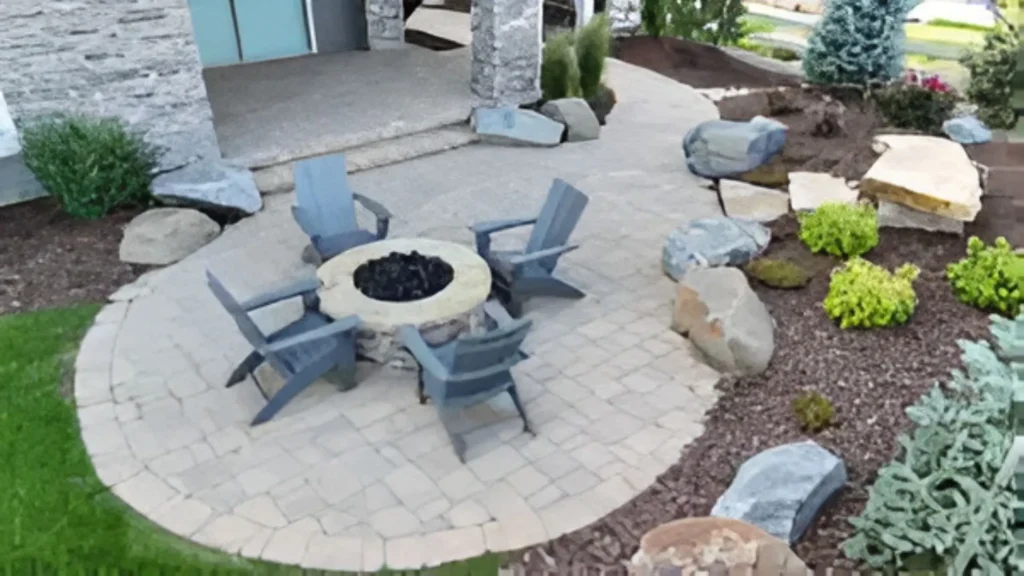
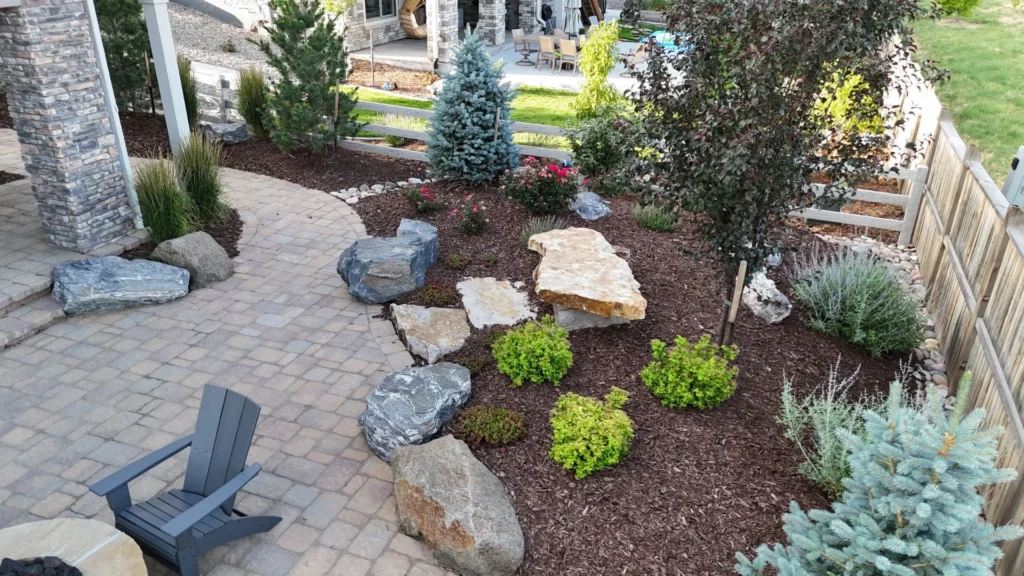
Before anything else, it’s worth clearing up what “concrete paver” actually means, since it gets confused fairly often with a poured concrete walkway. A concrete paver walkway is built from individual, pre-manufactured concrete units laid in a pattern over a compacted base, similar in concept to brick or natural stone. It is not one continuous poured slab. That distinction matters, because it means concrete pavers get all the practical benefits of a modular system, individual repair, design flexibility, better freeze-thaw performance, that a single poured slab simply doesn’t offer.
At Ridgewell Landscape and Design, concrete pavers are the most common material we install for walkways across the Denver area, including Broomfield, Parker, and the surrounding communities, largely because they balance cost, durability, and design flexibility better than most alternatives. This guide covers the different types of concrete pavers available, how they compare to poured concrete and brick, and the full step by step process for building a concrete paver walkway that holds up long term.
| Factor | Concrete Pavers | Poured Concrete | Brick |
| Structure | Individual units, modular | One continuous slab | Individual units, modular |
| Repair approach | Lift and replace individual pieces | Often requires cutting and patching, or full replacement | Lift and replace individual pieces |
| Freeze-thaw performance | Strong, joints allow flexibility | Prone to cracking from ground movement | Good, but more porous than concrete |
| Design flexibility | High, many colors, textures, patterns | Limited, mainly color and stamped texture | Moderate, mostly limited to size and pattern |
| Cost | Moderate | Generally lower upfront | Generally higher |
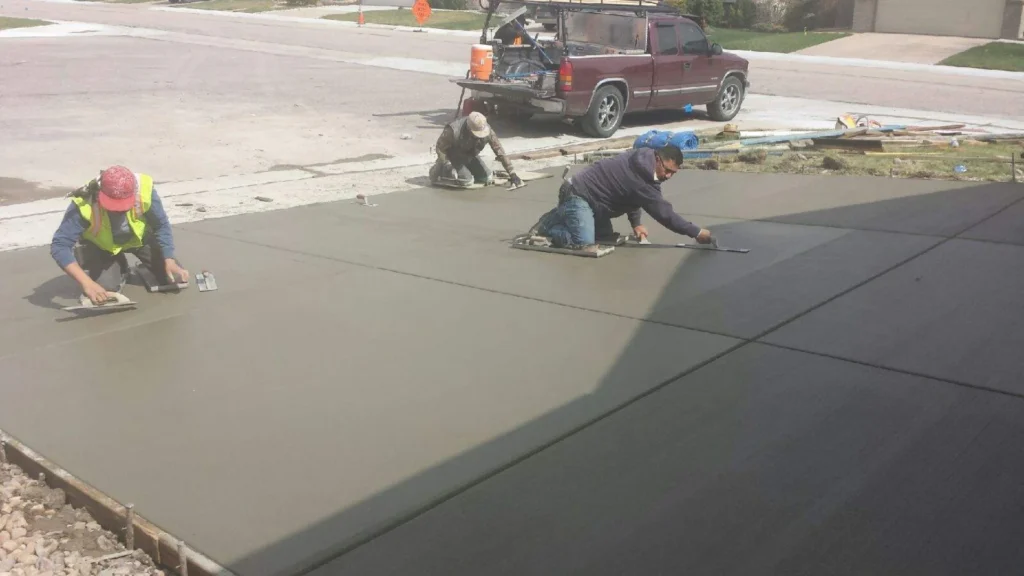
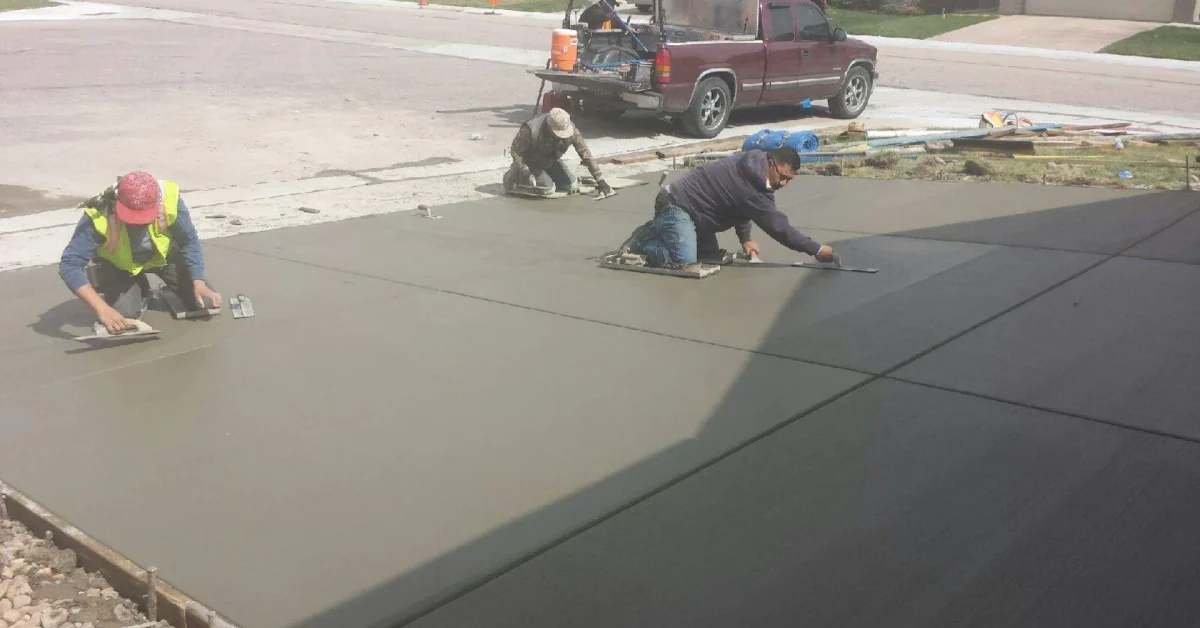
The modular nature of concrete pavers is really the headline advantage. A poured concrete slab that cracks due to ground movement or freeze-thaw cycling typically needs to be cut out and patched, which rarely blends seamlessly with the surrounding surface, or replaced entirely in more serious cases. A concrete paver walkway that develops an issue in one spot can usually be fixed by lifting the affected pavers, correcting the base underneath, and resetting them, without touching the rest of the walkway at all.
The most common type, manufactured in a mold and cured to a consistent size, shape, and color throughout the batch. These are widely available, cost-effective, and work well with almost any pattern, from simple running bond to more intricate herringbone designs.
These go through an additional manufacturing process that rounds the edges and adds surface texture, giving them a softer, more weathered look that mimics natural stone or aged brick. They’re a popular choice for homeowners wanting a traditional or old-world aesthetic without the higher cost of natural stone.
Color-through pavers have color mixed into the concrete itself throughout the entire unit, meaning the color stays consistent even if the surface wears or chips over time. Color-coated pavers have a color layer applied to the surface only, which costs less upfront but can show wear, fading, or chipping that reveals the plain gray concrete underneath after enough years of foot traffic and weather exposure.
Permeable pavers are designed with wider joints and a specialized base system that allows water to drain through the walkway surface itself, rather than running off. These are less common for standard walkways than for driveways or larger paved areas, but they’re worth considering in yards with drainage challenges, since they reduce runoff and can help manage water in problem areas of a property.
Some concrete paver lines are manufactured to mimic the look of stamped poured concrete or natural stone, offering a similar visual style to those options while retaining the modular, repairable benefits of a true paver system.
Materials
Tools
Decide on standard, tumbled, color-through, or another concrete paver style based on the look you’re going for and your budget, then choose a laying pattern that suits both the paver size and the walkway’s overall shape. Our guide on how to lay a paver walkway walks through pattern options like herringbone, running bond, and basketweave in more depth.
Mark the walkway’s width and path using stakes and string, then excavate to a depth accounting for base, sand, and paver thickness combined, generally 7 to 9 inches total. Our guide on leveling ground for a paver walkway covers the tools and techniques for getting this stage properly level before moving forward.
Add crushed gravel in 2 inch layers, compacting thoroughly after each one. Base depth should generally run 4 to 6 inches depending on your soil type, with clay-heavy soil, common in parts of the Denver area, benefiting from the fuller 6 inch depth to handle seasonal ground movement.
Roll landscape fabric over the compacted base to control weed growth without blocking drainage, then add and screed about 1 inch of coarse sand to create a level surface for the pavers.
Starting from a fixed, straight edge, place pavers snugly against each other, tapping each into position with a rubber mallet. Check level every few rows using your 4 foot level, adjusting sand underneath individual pavers as needed rather than waiting until a whole section is finished.
Once the main field is laid, measure and cut border pavers individually to fit the remaining gaps, rather than pre-cutting a batch based on estimated measurements.
Secure edge restraints tightly against the outer row of pavers, anchoring them with spikes. This step keeps the entire pattern locked in place against seasonal ground movement and prevents gradual spreading over time.
Sweep polymeric sand into the joints until fully packed, remove excess sand from the surface, then lightly mist the area to activate the sand’s binding properties.
Run the plate compactor over the finished walkway one final time to set everything firmly in place, then inspect for any pavers sitting higher or lower than their neighbors, adjusting as needed.
If long-term appearance matters to you, and it usually does once a walkway has seen a few years of foot traffic and weather, color-through pavers are generally worth the modest price premium over color-coated ones. Since color runs through the entire paver rather than sitting only on the surface, minor surface wear, scuffing, or light chipping doesn’t reveal a mismatched gray concrete underneath the way it eventually can with color-coated products.
Permeable pavers aren’t the default choice for most residential walkways, but they’re genuinely worth considering if your yard has recurring drainage problems, a low spot that collects water, or if you’re trying to reduce runoff toward a foundation or neighboring property. The wider joints and specialized base system let water pass through the walkway surface itself rather than running off toward a single drainage point, which can meaningfully improve how a problem area handles heavy rain or snowmelt.
Concrete pavers generally fall in the middle of the cost spectrum, more expensive than a basic poured concrete slab but typically less expensive than brick or natural stone for a comparable walkway. Tumbled, color-through, and permeable products all add some cost above standard concrete pavers, reflecting the additional manufacturing steps or specialized materials involved. Our paver walkway cost guide covers general per square foot pricing that applies broadly across concrete paver projects.
Concrete pavers are one of the more DIY-friendly paver materials thanks to their consistent sizing and predictable cutting behavior, but a few situations still make professional installation the safer choice, longer walkways, complex patterns like herringbone, sloped or uneven sites, or projects incorporating permeable paver systems, which require a specialized base design most DIYers haven’t worked with before.
With over 15 years of installing concrete paver walkways across a wide range of styles and site conditions in the Denver area, our team at Ridgewell Landscape and Design can help you choose the right paver type for your goals and install it to hold up for decades. Explore our paver patio services to see examples of the range of concrete paver styles we’ve built.
No. A concrete paver walkway is built from individual, pre-manufactured units laid over a compacted base, while a poured concrete walkway is one continuous slab poured on site.
Color-through pavers have color mixed throughout the entire unit, so it stays consistent even with surface wear. Color-coated pavers have color applied only to the surface, which can wear away and reveal the plain concrete underneath over time.
They’re worth considering specifically in yards with drainage challenges, since they allow water to pass through the surface rather than running off, though they aren’t necessary for most standard walkway applications.
Generally yes, upfront. However, concrete pavers offer easier, less visible repairs and better long-term freeze-thaw performance, which can offset some of that initial cost difference over the life of the walkway.
Standard and color-through pavers both offer strong durability. Tumbled pavers are similarly durable but have a softer, more textured surface that some homeowners prefer aesthetically.
It’s possible but should be done intentionally as part of a clear design plan, such as a tumbled field with a color-through border, rather than mixing products without a specific design reason.
Concrete pavers offer a strong balance of cost, durability, and design flexibility, but choosing the right type and getting the base and installation right make the real difference in how it holds up over time.
Ridgewell Landscape and Design has been building concrete paver walkways across Denver, Broomfield, Parker, and the surrounding communities for over 15 years. If you’re ready to figure out the right paver type and design for your yard, reach out for a free quote and consultation.
Fresh Ideas From our experts
What Your Neighbors Are Saying
"They are the best. We have a small backyard and needed it to reflect a relaxing and enjoyable space. Chris used our ideas and came up with the perfect design. Then Francisco came with the cost projections and worked to accommodate our budget. He and his team then used their considerable construction expertise to create a space that’s an extension of our home where we spend a lot of time. Thank you for creating such a welcoming space."
"I am new to Colorado and hired Chris and Francisco to design and implement a plan for my new build house. From design to finish and followup they were beyond my expectations. They are in constant contact throughout the project and their crew is very hardworking. They followup when the project is finished and are always available for whatever questions you may have. I would highly recommend them, and I get many complements on the work they have done for me."
"We were thrilled with the end result of our brick paver patio refurbishment. We hired Chris, Francisco and their team to fix our sinking brick paver patio. It had been installed by a different landscaper, and after only 2 years it was collapsing. Boo hiss! Ridgewell Landscape and Design came in and saved the day! They discovered the original installation was done incorrectly, and that’s why it was collapsing. Their team worked hard and got the project done quickly and professionally. We are thrilled with the look and finish of the job! Bravo!!"