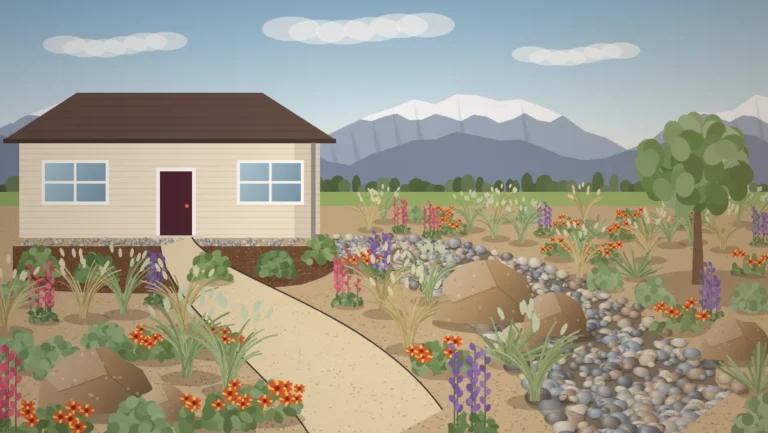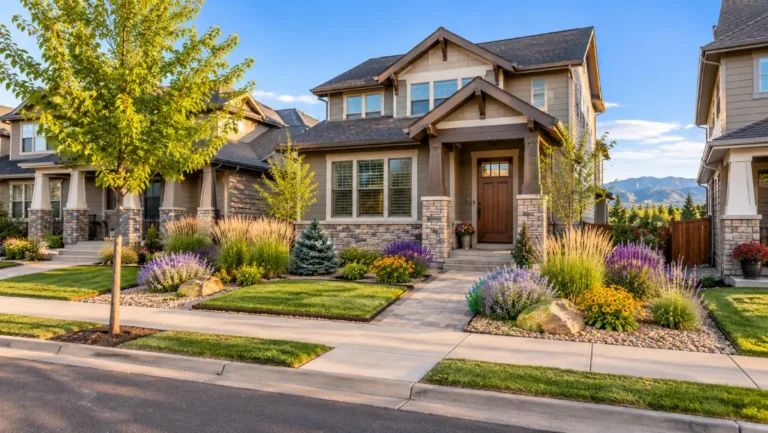

The best lawn alternatives for Colorado yards include low-water native grasses like buffalograss and blue grama, groundcovers like creeping thyme, sedum and pussytoes, xeriscape planting beds, meadow or prairie plantings, hardscape and gravel areas, and artificial turf for small, high-use spaces (Colorado law prevents HOAs from banning it in backyards). Each grass alternative trades some lawn-like function for lower water use and maintenance.
With Denver Water’s 2026 Stage 1 watering rules limiting lawns to two watering days a week, a lot of homeowners are asking the same question: what can I grow instead of grass? The answer depends on how you use your yard. Here’s how the most popular options compare.
Lawn Alternatives Compared
| Alternative | Water use | Foot traffic | Maintenance | Best for |
|---|---|---|---|---|
| Buffalograss or blue grama turf | Low | Moderate | Occasional mowing or none | Sunny lawn areas |
| Low-water turf blends | Lower than bluegrass | Good | Mowing | Play areas needing real grass |
| Groundcovers (thyme, sedum, pussytoes) | Low | Light | Weeding while establishing | Small areas, between pavers |
| Xeriscape beds | Low | None (use paths) | Low once established | Front yards, slopes, borders |
| Native meadow or prairie | Low | Light | Annual cutback | Larger, naturalistic areas |
| Hardscape and gravel | None | High | Low | Patios, paths, seating areas |
| Artificial turf | None (occasional rinsing) | High | Brushing, cleaning | Small backyard play or pet areas |
Buffalograss and Blue Grama
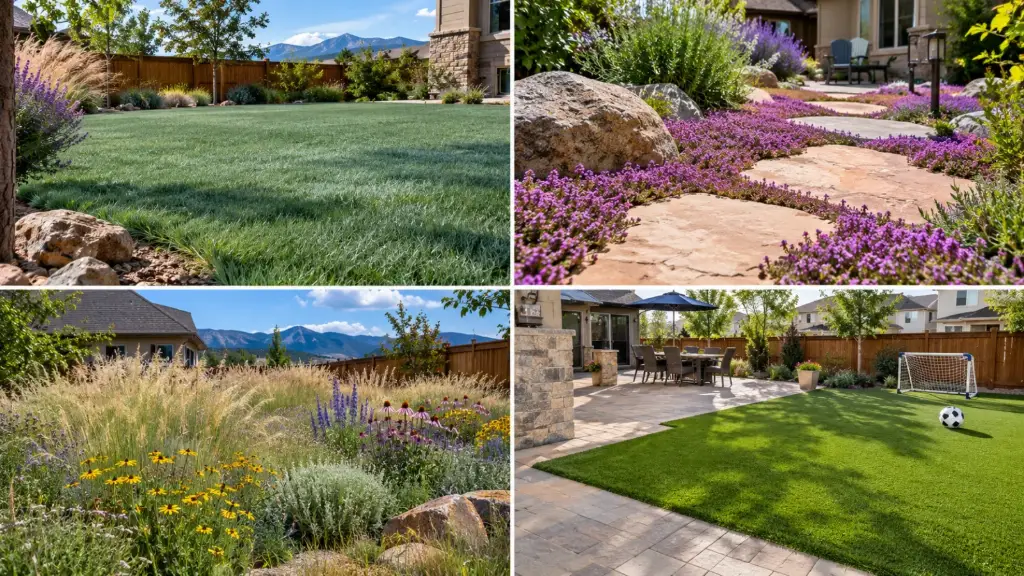
If you still want something that looks and feels like a lawn, start here. These native warm-season grasses use much less water than Kentucky bluegrass once established, and you can mow them occasionally or leave them natural. The trade-off is color: they green up later in spring and go dormant (tan) earlier in fall, and they need full sun. They’re best for sunny areas with light to moderate foot traffic. Fun fact: blue grama is Colorado’s state grass.
Groundcovers
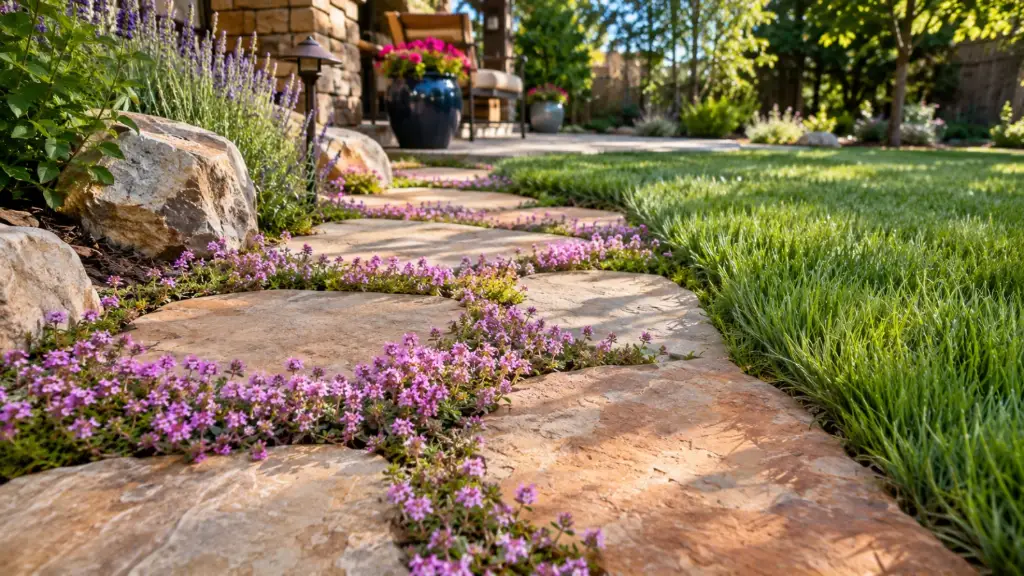
Low groundcovers fill spaces and handle light foot traffic. Creeping thyme is fragrant and tough; sedum and hardy ice plant handle heat; pussytoes offer silvery native foliage. They take a season or two to fill in and need regular weeding early on, but once established they’re some of the best xeriscape plants for Colorado for tucking between pavers and filling small spaces.
Xeriscape Beds and Meadows
Replacing lawn with layered planting beds or a native meadow gives you the most color and the most value for bees and birds. Add paths or stepping stones so you can still get through the space. Most homeowners convert in phases: remove a section of turf, improve the soil and plant, which are the same steps involved in replacing a lawn with xeriscape. Choosing Colorado native plants keeps watering low once the beds settle in.
Artificial Turf
Artificial turf uses no irrigation and handles heavy use, making it a choice for small backyard play or dog areas. Downsides include heat in direct sun, cost, eventual replacement and no habitat value. Under Colorado HOA law, associations can’t prohibit artificial turf in backyards, though they may regulate front yards. Keep in mind that many water provider rebate programs don’t count artificial turf as a qualifying replacement, including Denver Water’s turf replacement program.
Hardscape
Expanding patios, paths and seating areas cuts back lawn while adding space you’ll actually use, whether that’s a paver patio for outdoor dining or a flagstone path winding through planting beds. If you’re budgeting, here’s what hardscaping costs in Colorado typically look like.
Choosing the Right Lawn Alternative
- Kids and pets: Keep a small functional lawn, low-water turf or artificial turf.
- Front yard curb appeal: Xeriscape beds framed by a welcoming front walkway.
- Slopes: Groundcovers and shrubs instead of grass, which is hard to mow and water evenly on a steep slope.
- Sunny, low-traffic areas: Buffalograss or blue grama.
- Wildlife and pollinators: Native meadow plantings.
Frequently Asked Questions
It depends on use. Buffalograss and blue grama work for low-water lawns; xeriscape beds and groundcovers work for areas without heavy foot traffic.
Yes, in sunny areas. It uses much less water than bluegrass but goes dormant earlier in fall and greens up later in spring.
Colorado law prevents HOAs from banning artificial turf in backyards. Front yard rules may differ.
No. Denver Water’s turf replacement program doesn’t allow artificial turf as a replacement.
Creeping thyme and some sedums tolerate light foot traffic. Use stepping stones for regular paths.
Established xeriscapes can use far less water than bluegrass; Resource Central estimates about 60% less on average.
Find Your Lawn Alternative
Ridgewell Landscape and Design helps homeowners across Denver and the Greater Denver Metro replace lawn with water-wise alternatives. Whether you want to swap a few hundred square feet of turf or rethink the whole yard, our xeriscape landscaping team can help you choose the right mix. Book a free consultation to get started.