- Get A Free Consultation.
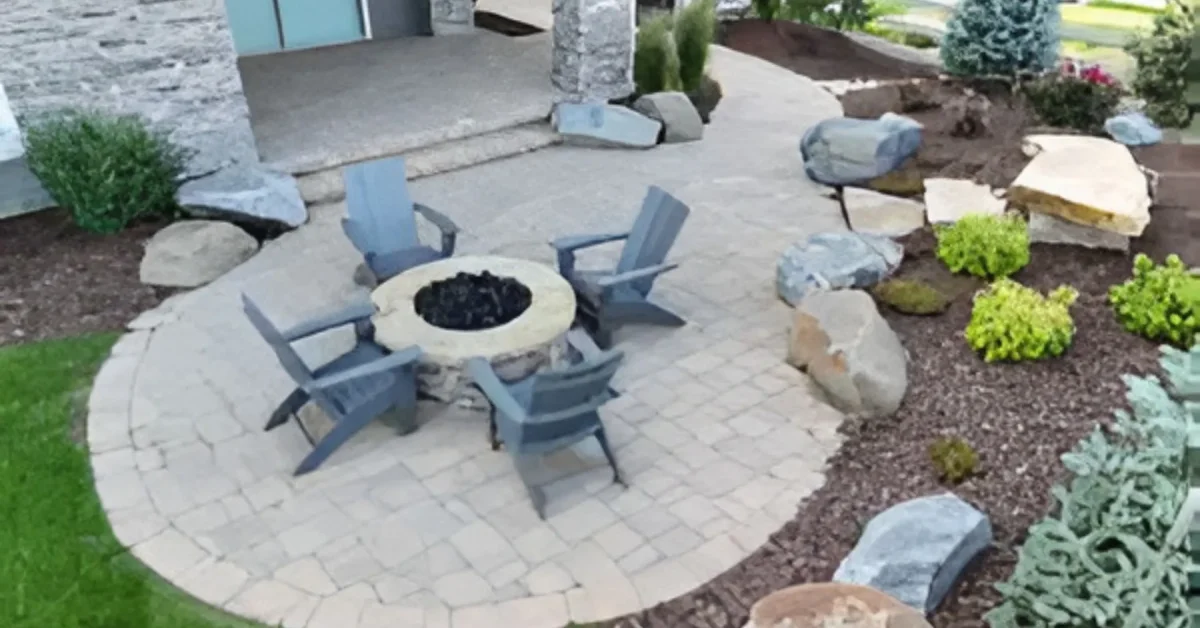
Landscaping and hardscaping are two essential elements of outdoor design, but they serve very different purposes. Landscaping refers to the living components of a yard or garden, including grass, flowers, shrubs, and trees.
These softscape elements bring color, texture, and seasonal interest, creating a vibrant and natural environment. Landscaping focuses on growth, greenery, and the overall aesthetic appeal of an outdoor space.
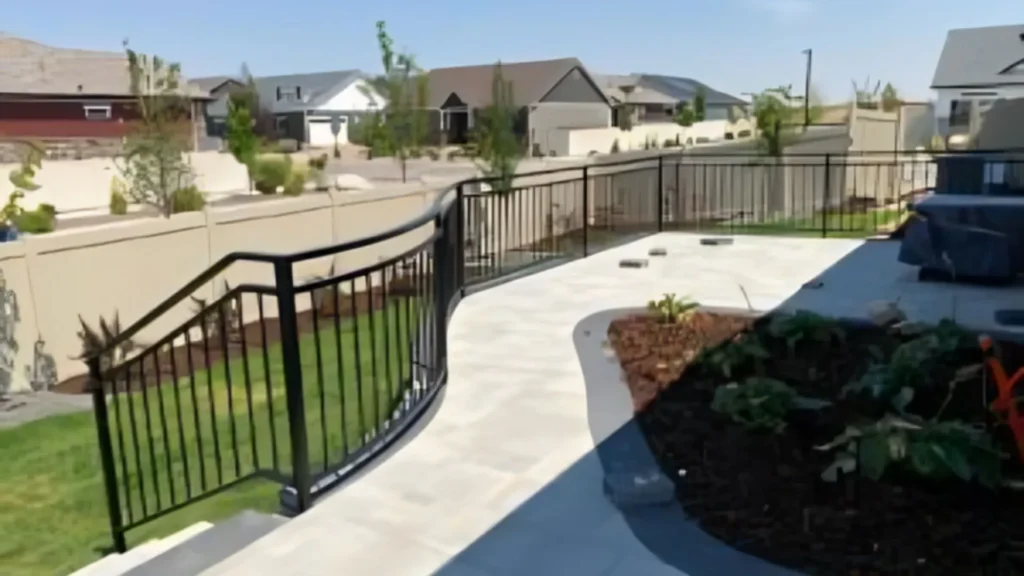
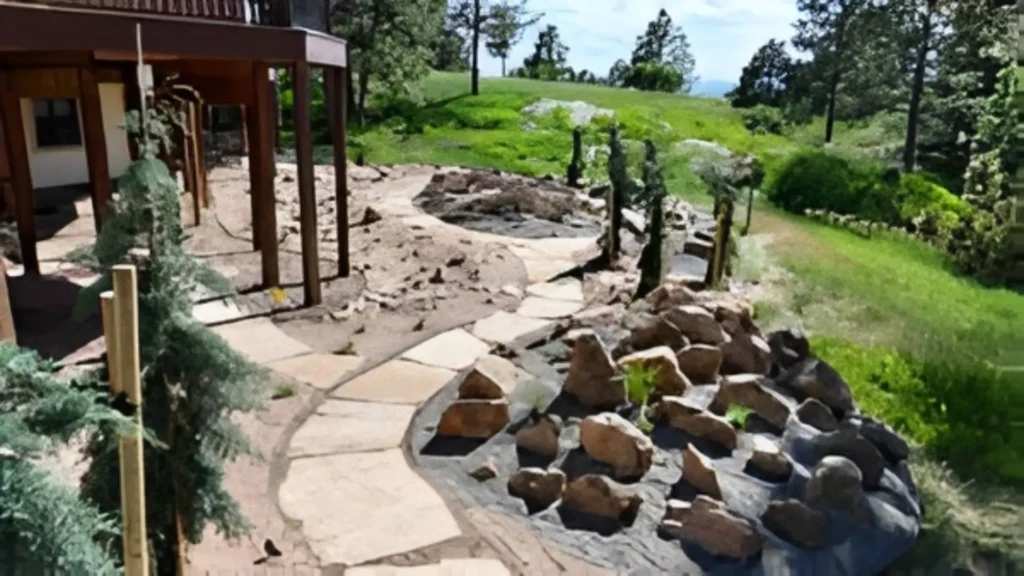
Hardscaping, on the other hand, encompasses the non-living, structural elements that provide shape, stability, and functionality. Patios, walkways, retaining walls, driveways, fire pits, and outdoor kitchens are all considered hardscape features.
These elements create usable areas, improve accessibility, and protect plantings by controlling foot traffic, water flow, and erosion. While landscaping adds life and softness, hardscaping forms the framework that organizes and supports those living elements.
Understanding the difference is key to designing an effective outdoor space. Both components work together hardscapes provide structure and durability, while softscape adds color, texture, and seasonal beauty.
Professionals like Ridgewell Colorado specialize in blending these elements seamlessly, ensuring that Denver and Colorado homeowners enjoy functional, visually appealing, and long-lasting outdoor spaces.
Landscaping and hardscaping are two complementary aspects of outdoor design, each serving distinct purposes. Landscaping, often called softscape, includes all the living elements in a yard, such as grass, flowers, shrubs, and trees. It brings color, texture, and seasonal interest, creating a natural, vibrant environment that evolves over time. Landscaping focuses on aesthetics, growth, and the overall feel of your outdoor space.
Hardscaping, or hardscapes, refers to the non-living, structural components that provide stability, function, and organization. This includes patios, walkways, driveways, retaining walls, fire pits, and outdoor kitchens.
Read Our Detailed Guide On: What is Hardscaping
Hardscape establishes usable spaces, manages foot traffic, controls water flow, and protects softscape elements from erosion or damage. While landscaping adds life and beauty, hardscaping forms the framework that makes outdoor spaces practical and durable.
Understanding the differences between these elements is crucial for homeowners. Properly balancing softscape and hardscape ensures both functionality and visual appeal. Too much hardscape without greenery can feel cold or stark, while excessive softscape without structure may limit usability and create maintenance challenges.
Landscaping and hardscaping work together to create a cohesive, functional, and visually appealing outdoor space. Landscaping, or softscape, includes living elements such as trees, shrubs, flowers, and lawns.
These features provide color, texture, and seasonal interest, softening the appearance of outdoor areas while adding natural beauty and environmental benefits like shade and improved air quality.
Hardscaping, on the other hand, consists of non-living structural elements that define space and provide durability. Common examples include patios for seating and entertaining, driveways for parking, retaining walls for managing slopes, and decks for elevated outdoor living. These solid features support usability, prevent erosion, and guide movement through the yard.
The true strength of a landscape comes from combining both elements thoughtfully. Hardscape provides structure and functionality, while softscape adds life and color. For instance, a stone patio surrounded by flowering shrubs and trees creates a welcoming retreat, while retaining walls with planted beds enhance both stability and aesthetic appeal.
By blending landscaping and hardscaping, homeowners can achieve outdoor spaces that are practical, beautiful, and harmonious year-round.
Understanding the difference between landscaping and hardscaping is especially important in regions like Denver and Colorado, where climate and soil conditions present unique challenges. In Colorado, freeze-thaw cycles, clay-heavy soils, and seasonal snow require durable hardscape materials that resist cracking and shifting.
In Denver, intense sun, occasional heavy rain, and varying soil types demand both resilient hardscapes and drought-tolerant plantings. Selecting the right materials for patios, walkways, retaining walls, and decks ensures structures remain functional and visually appealing year-round.
Similarly, choosing plants suited to local climate conditions prevents costly replacements and reduces maintenance. Trees, shrubs, and groundcovers that tolerate temperature extremes, seasonal rainfall, or drought help create vibrant, sustainable landscapes.
When softscape and hardscape are designed to work together, they enhance usability, protect against erosion, and maintain soil health while complementing each other aesthetically.
Combining thoughtful hardscaping and landscaping increases property value and long-term enjoyment. A well-planned patio with surrounding greenery or a retaining wall integrated with flower beds improves both functionality and curb appeal.
The key to a stunning and functional outdoor space is integrating landscaping and hardscaping in a cohesive design. Hardscape elements like patios, walkways, retaining walls, and decks provide structure, durability, and usability, while landscaping adds color, texture, and life to soften and enhance the environment. When thoughtfully combined, these elements create outdoor areas that are both practical and visually appealing.
Start by planning the overall layout to ensure flow and accessibility. Walkways should connect high-traffic areas without disrupting plantings, patios should be positioned for convenience and sun exposure, and retaining walls should complement the terrain rather than dominate it.
Choosing materials and plantings that harmonize in color, texture, and scale helps unify the design while maintaining low maintenance. For example, a stone patio paired with native shrubs and perennials not only looks natural but also withstands seasonal changes with minimal upkeep.
Integrating hardscape and softscape thoughtfully also enhances long-term usability and property value. Features like fire pits or seating areas surrounded by plantings create inviting, functional spaces, while retaining walls with decorative beds combine durability with aesthetic appeal. Professionals like Ridgewell Colorado guide homeowners in Denver and Colorado to balance beauty, utility, and durability, ensuring that every project is tailored to climate, terrain, and lifestyle for maximum impact.
Selecting the right materials is crucial for creating durable, safe, and visually appealing hardscapes in Denver and Colorado. Local climates present specific challenges: Denver experiences freeze-thaw cycles and occasional heavy snow, while Denver faces intense sun, occasional heavy rain, and variable soil types. Choosing materials that withstand these conditions ensures longevity and reduces maintenance needs.
Natural stone is a popular choice for patios, walkways, and retaining walls due to its strength, timeless appeal, and resistance to weathering. Concrete offers versatility and affordability, and when stamped or colored, it can mimic stone or brick.
Brick provides a classic aesthetic but may require sealing and maintenance to prevent cracking or shifting. Wood, often used for decks or pergolas, adds warmth and character, but untreated wood can warp, rot, or attract pests, making proper sealing and upkeep essential.
Material choice also impacts safety and usability. Slip-resistant surfaces are important in areas prone to rain, snow, or ice, while reinforced structures prevent shifting or erosion on slopes.
Combining durable materials with professional installation, as provided by Ridgewell Colorado, ensures that hardscapes remain stable, functional, and attractive for years. Thoughtful selection minimizes maintenance, maximizes safety, and enhances the overall value and longevity of outdoor spaces.
Choosing the right plants is essential for creating a thriving, low-maintenance landscape that complements your hardscapes. In Denver and Colorado, selecting native and drought-resistant species is particularly important.
These plants are adapted to local climate conditions, requiring less water and maintenance while withstanding seasonal temperature swings. Examples include native grasses, hardy perennials, and shrubs that tolerate both dry summers and cold winters.
Seasonal plant rotation adds year-round color and interest to your yard. By incorporating spring bulbs, summer perennials, and fall foliage, homeowners can maintain vibrant outdoor spaces throughout the year. Combining different plant heights, textures, and colors creates depth and visual appeal while enhancing the overall design alongside patios, walkways, and seating areas.
Proper plant selection also helps prevent common issues like pests, soil erosion, and water waste. Strategically placed shrubs and groundcovers can stabilize slopes, while companion planting and natural pest-resistant species reduce the need for chemical treatments. Using efficient irrigation systems and grouping plants with similar water requirements maximizes water conservation.
Thoughtful landscaping ensures a beautiful, sustainable, and functional outdoor space that works in harmony with both the environment and your hardscaping investment.
When designing outdoor spaces, several common mistakes can compromise both aesthetics and longevity. One frequent error is overcrowding plants or hardscapes. Placing too many elements close together can make a yard feel cluttered, reduce accessibility, and inhibit plant growth. Proper spacing ensures that each feature—from patios and walkways to shrubs and trees—has room to thrive and maintain balance in the overall design.
Ignoring drainage, climate, and durability issues is another costly mistake. In regions like Denver or Denver, improper grading or poorly planned drainage can lead to water pooling, soil erosion, and structural damage to patios, retaining walls, or decks. Materials that are not suited for local climate conditions may crack, warp, or fade over time, resulting in frequent maintenance and repairs.
Selecting low-quality or inappropriate materials can further reduce the lifespan of your hardscape. Cheaper stones, untreated wood, or improperly reinforced concrete may initially seem budget-friendly but often fail under seasonal stress, heavy use, or environmental wear. Investing in durable, climate-appropriate materials ensures safety, longevity, and minimal maintenance.
Professionals like Ridgewell Colorado help homeowners avoid these pitfalls by combining expert design, careful material selection, and precise installation. This approach maximizes functionality, beauty, and long-term value, creating outdoor spaces that remain attractive and practical for years.
Planning a landscaping and hardscaping project starts with understanding costs and setting a realistic budget. Hardscape features like patios, walkways, retaining walls, and outdoor kitchens vary widely depending on materials, size, and complexity.
For example, a basic concrete patio may cost a few thousand dollars, while natural stone patios or multi-level outdoor kitchens can range significantly higher. Landscaping elements like trees, shrubs, and perennial gardens also vary in price, with mature plants typically costing more but providing instant impact.
Planning ahead helps prevent overspending. Establishing priorities for essential features versus optional enhancements allows you to allocate funds effectively. Phased project implementation—completing patios or primary walkways first and adding decorative features or plantings later—can spread costs over time without sacrificing design quality.
Balancing beauty and functionality is key. Choosing durable, low-maintenance materials for high-traffic areas reduces long-term upkeep, while strategic plant selections can provide color, shade, and privacy efficiently. Grouping plants with similar water and sunlight needs also maximizes sustainability and cost-effectiveness.
Proper maintenance is essential for keeping both landscaping and hardscaping in top condition, extending their lifespan, and protecting your investment. For plants, seasonal care is key.
In Denver and Colorado, this includes watering appropriately during dry periods, mulching to conserve soil moisture, pruning shrubs and trees, and rotating seasonal flowers to maintain year-round color and health. Efficient irrigation systems can help reduce water waste while ensuring plants thrive.
Hardscape features like patios, decks, walkways, and retaining walls also require routine upkeep. Sweeping or pressure washing surfaces removes dirt and debris, while sealing stone, concrete, or pavers protects against weathering, staining, and freeze-thaw damage. Regularly inspecting for cracks, loose pavers, or erosion helps identify problems early, preventing more costly repairs later. Decks and wooden structures benefit from periodic sealing or staining to maintain durability and appearance.
Consistent maintenance saves both time and money in the long run. By addressing minor issues promptly and following seasonal care routines, homeowners reduce repair costs and preserve the function, safety, and aesthetic appeal of their outdoor spaces.
Combining landscaping and hardscaping creates outdoor spaces that are both beautiful and highly functional. Well-designed patios, fire pits, garden retreats, and seating areas provide dedicated zones for relaxation, entertaining, and everyday use. Thoughtful placement of these features ensures that outdoor areas feel inviting while supporting practical activities like dining, social gatherings, or quiet reflection.
Pathways and walkways are key elements in guiding movement and improving flow. They connect different zones of a yard, protect lawns and plantings from heavy foot traffic, and make spaces more accessible. Seating areas integrated with plantings or shade structures enhance comfort and create natural focal points, encouraging homeowners to spend more time outdoors. Retaining walls, terraces, and raised beds can also define spaces, manage slopes, and add both functionality and aesthetic appeal.
Integrated design maximizes usability while elevating the overall experience of your property. Combining hardscape with softscape thoughtfully ensures a balance between structure and natural beauty, providing year-round enjoyment while minimizing maintenance challenges.
Professionals like Ridgewell Colorado help homeowners in Denver and Colorado plan cohesive outdoor environments that are durable, visually appealing, and tailored to lifestyle needs, enhancing both property value and everyday enjoyment of your yard.
Yes, hardscaping is considered a part of landscaping. It includes all non-living, constructed features like patios, walkways, retaining walls, and decks, which complement plants and softscape elements to create a functional and visually appealing outdoor space.
The four main types of landscapes are residential, commercial, public, and natural. Residential focuses on private yards, commercial on business properties, public parks and urban spaces, and naturally preserves existing ecosystems with minimal human alteration.
The least expensive hardscape options are gravel paths, mulch walkways, and basic concrete slabs. These materials are budget-friendly, easy to install, and still provide functional and visually appealing surfaces for patios, garden paths, or seating areas.
The easiest landscapes to maintain include xeriscaping with drought-tolerant plants, simple lawns, container gardens, and designs with minimal hardscape complexity. These landscapes require less water, pruning, mowing, and upkeep, making them ideal for low-maintenance outdoor spaces.
Understanding the difference between landscaping and hardscaping is essential for creating outdoor spaces that are both functional and visually appealing. Landscaping brings life, color, and seasonal interest with trees, shrubs, flowers, and lawns, while hardscaping provides the structure, durability, and usability needed for patios, walkways, retaining walls, and outdoor living features.
Balancing these elements ensures your yard is organized, practical, and inviting, avoiding common mistakes like overcrowding or using inappropriate materials.
A thoughtful approach that integrates both softscape and hardscapes enhances curb appeal, usability, and long-term property value. Patios, fire pits, and seating areas paired with plants and greenery create spaces that can be enjoyed year-round, while durable materials and proper installation minimize maintenance and protect your investment.
Considering climate, soil type, and seasonal changes in Denver and Colorado is also crucial to achieving a landscape that lasts.
For homeowners seeking the best results, consulting professionals like Ridgewell Colorado provide tailored solutions that combine expert design, material selection, and installation.
Their guidance ensures that each project is suited to the local environment, meets functional needs, and enhances the aesthetic appeal of your property. By taking a balanced, strategic approach, you can create outdoor spaces that are beautiful, practical, and built to stand the test of time.
Fresh Ideas From our experts
What Your Neighbors Are Saying
"They are the best. We have a small backyard and needed it to reflect a relaxing and enjoyable space. Chris used our ideas and came up with the perfect design. Then Francisco came with the cost projections and worked to accommodate our budget. He and his team then used their considerable construction expertise to create a space that’s an extension of our home where we spend a lot of time. Thank you for creating such a welcoming space."
"I am new to Colorado and hired Chris and Francisco to design and implement a plan for my new build house. From design to finish and followup they were beyond my expectations. They are in constant contact throughout the project and their crew is very hardworking. They followup when the project is finished and are always available for whatever questions you may have. I would highly recommend them, and I get many complements on the work they have done for me."
"We were thrilled with the end result of our brick paver patio refurbishment. We hired Chris, Francisco and their team to fix our sinking brick paver patio. It had been installed by a different landscaper, and after only 2 years it was collapsing. Boo hiss! Ridgewell Landscape and Design came in and saved the day! They discovered the original installation was done incorrectly, and that’s why it was collapsing. Their team worked hard and got the project done quickly and professionally. We are thrilled with the look and finish of the job! Bravo!!"