- Get A Free Consultation.
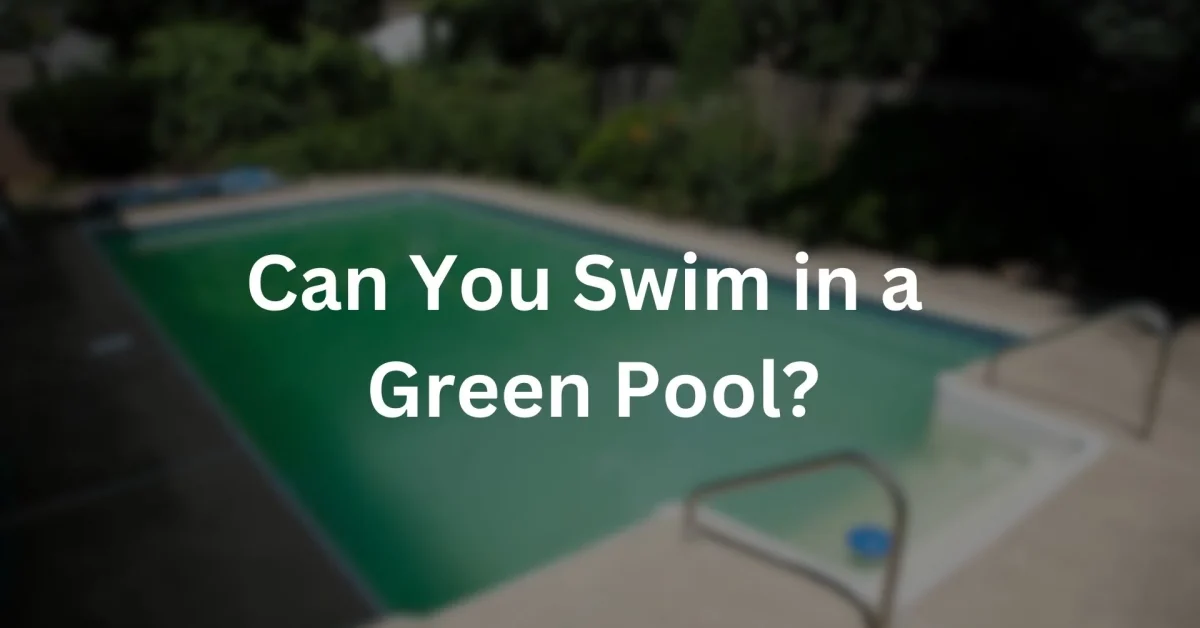
Swimming in a green pool is generally not recommended. Green pool water almost always signals an algae bloom, and while algae itself isn’t necessarily dangerous in small amounts, the conditions that allow a pool to turn green usually come with other problems, imbalanced chemistry, inadequate sanitation, and a higher risk of bacteria and other microorganisms thriving alongside the algae. Understanding what’s actually happening in a green pool helps explain why it’s worth fixing before getting back in.
Green pool water is typically caused by algae, a naturally occurring organism that thrives when chlorine levels drop too low to keep it in check. Algae can bloom quickly, sometimes turning a pool visibly green within a day or two once conditions favor its growth.
Algae blooms are usually a direct symptom of insufficient chlorine, whether from inconsistent maintenance, heavy pool use without adjusting chemical levels, or a malfunctioning chlorination system. Chlorine’s primary job is to prevent exactly this kind of organic growth, so green water is a clear sign that job isn’t being done adequately.
A pool with inadequate filtration or poor water circulation gives algae more opportunity to establish and spread, even if chlorine levels are only mildly low, since stagnant areas of water are more hospitable to growth than water that’s being actively filtered and circulated.
In some cases, green water isn’t algae at all but a reaction involving metals, like copper, present in the water, sometimes from a malfunctioning heater or from certain algaecide products. This type of green tint tends to look different from algae, often more of a cloudy blue-green rather than the more distinctly green, sometimes murky look algae produces.
The same low-chlorine conditions that allow algae to bloom also allow bacteria to thrive, since chlorine is what keeps both in check under normal circumstances. A green pool is a strong signal that the water’s overall sanitation has broken down, not just that algae happens to be present.
Algae-clouded water significantly reduces visibility, making it harder to see the pool bottom, other swimmers, or someone in distress. This is a meaningful safety concern beyond the water quality issue itself, particularly for pools used by children.
Swimming in a green, chemically imbalanced pool can cause skin irritation, itching, or eye redness, similar to swimming in water with any other significant chemical imbalance.
Algae growth isn’t limited to the water itself, it often coats pool steps, ladders, and surrounding surfaces, creating a slip hazard in addition to the water quality concerns.
| Cause | Typical Appearance | Main Risk |
| Algae bloom | Distinctly green, sometimes murky | Bacteria growth, poor visibility, skin/eye irritation |
| Low chlorine without visible algae yet | Slight green tint | Early warning sign before a full bloom develops |
| Metal contamination | Cloudy blue-green | Staining, less of a biological risk but still a chemistry issue |
| Poor filtration with algae present | Green with visible particles | Combination of algae risk and general water quality issues |
Testing chlorine and pH levels tells you how far off balance the water actually is and helps confirm whether you’re dealing with algae, a chemical imbalance, or something else like metal contamination.
Treating a green pool typically starts with shocking it, adding a significant dose of chlorine to rapidly raise sanitizer levels high enough to kill the algae and bring the water back under control. Depending on how severe the bloom is, this may need to be repeated.
Brushing pool surfaces helps dislodge algae clinging to walls, steps, and the pool floor, making it easier for the filtration system to clear the dead algae out of the water over the following days.
Even after shocking, it typically takes a day or more of filtering, and sometimes additional treatment, before a pool clears enough to be considered safe and comfortable to swim in again. Chlorine levels should return to a normal, safe range before anyone gets back in the water.
A pool is generally ready for swimmers again once the water has returned to a clear, not just less green, appearance, and chlorine and pH levels have been tested and confirmed to be within the normal safe range. Swimming in water that’s improving but still cloudy or only partially treated carries many of the same risks as swimming in the original green water.
This varies depending on how severe the algae bloom is, but it typically takes anywhere from a day to several days of shocking, brushing, and filtering before the water clears enough to safely swim in again.
Even a brief swim in green water carries some risk of skin or eye irritation and exposure to bacteria that often accompany algae growth, so it’s best avoided even for a short swim.
Yes, it’s possible, since the conditions causing algae growth often allow bacteria to thrive as well, which can lead to skin infections, eye irritation, or gastrointestinal illness if water is swallowed.
Algae can bloom rapidly once chlorine drops too low to keep it in check, sometimes turning a pool visibly green within a day or two, especially during hot weather or after heavy pool use without adjusting chemical levels.
No, shocking is the first step, but it typically takes additional time for filtration to clear dead algae from the water and for chlorine levels to stabilize within a normal, safe range before swimming again.
Fresh Ideas From our experts
What Your Neighbors Are Saying
"They are the best. We have a small backyard and needed it to reflect a relaxing and enjoyable space. Chris used our ideas and came up with the perfect design. Then Francisco came with the cost projections and worked to accommodate our budget. He and his team then used their considerable construction expertise to create a space that’s an extension of our home where we spend a lot of time. Thank you for creating such a welcoming space."
"I am new to Colorado and hired Chris and Francisco to design and implement a plan for my new build house. From design to finish and followup they were beyond my expectations. They are in constant contact throughout the project and their crew is very hardworking. They followup when the project is finished and are always available for whatever questions you may have. I would highly recommend them, and I get many complements on the work they have done for me."
"We were thrilled with the end result of our brick paver patio refurbishment. We hired Chris, Francisco and their team to fix our sinking brick paver patio. It had been installed by a different landscaper, and after only 2 years it was collapsing. Boo hiss! Ridgewell Landscape and Design came in and saved the day! They discovered the original installation was done incorrectly, and that’s why it was collapsing. Their team worked hard and got the project done quickly and professionally. We are thrilled with the look and finish of the job! Bravo!!"