Creating a beautiful outdoor space doesn’t always require a large budget or a professional crew. With the right plan, smart material choices, and an understanding of Colorado’s unique climate, homeowners can transform their yards using practical and affordable do it yourself landscaping ideas.
In Denver and surrounding areas, factors like dry summers, snowy winters, and varying soil conditions make thoughtful planning essential. The key is choosing designs and plants that thrive locally while keeping maintenance manageable throughout the year.
DIY landscaping allows you to personalize your front or backyard while increasing property value and curb appeal. From simple garden bed designs and mulch upgrades to small hardscape features and drought-tolerant plant selections, there are many ways to enhance your outdoor space step by step.
Whether you want to refresh your lawn, build pathways, or create a relaxing backyard retreat, smart landscaping decisions can deliver long-term beauty and functionality without overwhelming costs.
One of the most effective do it yourself landscaping ideas is layering your yard with multiple shades and textures of green. Instead of relying on a single lawn type, combine ornamental grasses, shrubs, perennials, and evergreens to create depth and visual interest.
In Denver and surrounding Colorado areas, choosing drought-tolerant and cold-hardy plants ensures your landscape remains vibrant despite temperature swings and lower rainfall. Native and adaptive species not only survive better but also require less water and maintenance over time.
Start by evaluating sunlight patterns and soil conditions before planting. Mix taller shrubs toward the back of beds, medium-height plants in the middle, and groundcovers in the front for a balanced look. Incorporating evergreen varieties keeps your yard lively even during winter months when many plants go dormant.
Mulching garden beds helps retain moisture and enhances the richness of green tones. By thoughtfully layering foliage and textures, you can create a lush, full landscape that looks professionally designed while staying manageable as a DIY project.
Planning is the foundation of successful do it yourself landscaping ideas, and mapping out your garden beds ensures your yard looks intentional rather than random. Before planting anything, sketch your layout on paper or mark the space directly in your yard using spray paint or garden hoses. This helps you visualize flow, spacing, and proportions. In Denver and surrounding Colorado areas, proper placement is especially important due to intense sun exposure, dry soil, and seasonal temperature shifts.
Consider how people move through the space and how beds will complement existing hardscape features like walkways or patios. Curved beds often create a softer, more natural appearance, while straight lines offer a clean, modern look. Leave adequate spacing for plants to mature, preventing overcrowding later.
It’s also smart to group plants with similar water and sunlight needs together to simplify maintenance. Taking time to carefully map your garden beds not only improves visual balance but also saves time, money, and effort as your landscape grows and develops.
A well-structured landscaping plan is the backbone of successful do it yourself landscaping ideas. Before purchasing plants or materials, take time to evaluate your yard’s size, soil condition, drainage, sun exposure, and existing features.
In Denver areas, planning is especially important due to fluctuating weather, clay-heavy soils, and water restrictions. A clear plan prevents costly mistakes and ensures every element of your landscape works together harmoniously.
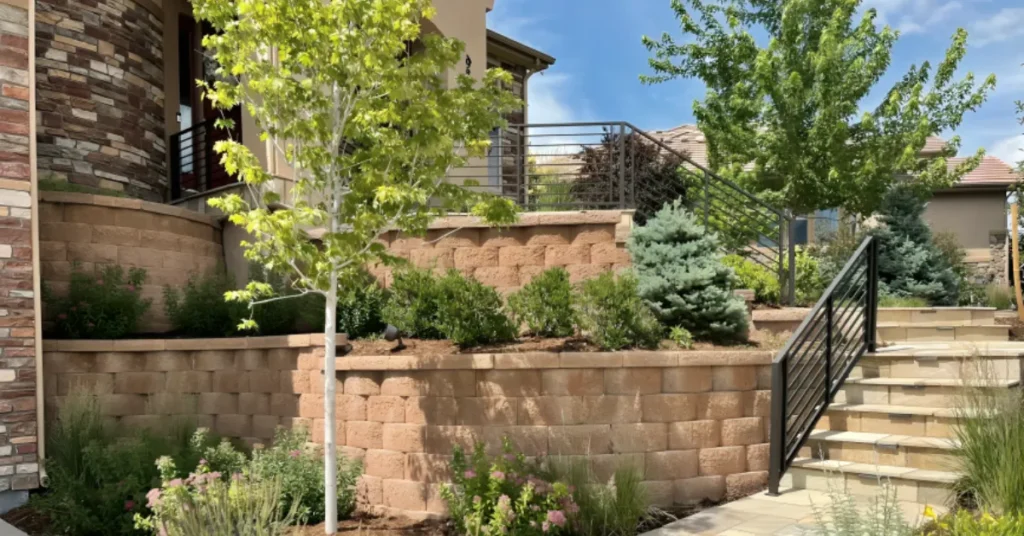
Start by defining your goals. Decide whether you want to improve curb appeal, create an outdoor entertainment area, reduce maintenance, or increase privacy. Break your project into manageable phases so you can complete it step by step without feeling overwhelmed. Include both softscape elements like plants and lawns, and hardscape features such as pathways, edging, or retaining walls.
Budgeting is equally important—outline expected costs and prioritize essential upgrades first. By mapping out a thoughtful landscaping plan, you create a practical roadmap that guides your decisions and helps your outdoor space evolve with purpose and long-term sustainability.
When developing do it yourself landscaping ideas, your home’s architecture should guide every design decision. The style, color palette, rooflines, and exterior materials of your house all influence what type of landscaping will look cohesive rather than disconnected. In Colorado areas, homes range from modern builds to traditional ranch and craftsman styles, so aligning your landscape design with architectural features creates a polished and balanced appearance.
For example, clean-lined contemporary homes often pair well with structured garden beds, symmetrical plantings, and minimal hardscape elements. Traditional or rustic homes, on the other hand, benefit from layered greenery, natural stone features, and softer plant arrangements.
Pay attention to window placement, entryways, and walkways when planning focal points. Framing the front door with shrubs or adding foundation plantings that complement your exterior materials enhances curb appeal. By designing with your home’s architecture in mind, you ensure your landscaping feels intentional, harmonious, and professionally coordinated.
Your lifestyle and daily activities should strongly influence your do it yourself landscaping ideas. Before designing your yard, think about how you and your family actually use the space.
In Denver Colorado, many homeowners enjoy outdoor gatherings, gardening, relaxing evenings, and children’s play areas during warmer months. Planning around these activities ensures your landscape is not only attractive but also functional.
If you host frequently, consider incorporating a patio area, open lawn space, or a designated seating zone. Families with children may prioritize durable turf, clear sightlines, and safe pathways. Gardening enthusiasts can allocate space for raised beds or a small vegetable garden that thrives in Colorado’s growing season.
Even pet owners should consider sturdy ground covers and shaded rest areas. By identifying your primary outdoor activities early in the planning stage, you create a layout that supports comfort, movement, and enjoyment. Functional landscaping improves long-term satisfaction and prevents costly redesigns later.
Seasonality plays a major role in shaping effective do it yourself landscaping ideas, especially in surrounding areas where weather conditions change dramatically throughout the year. From snowy winters to hot, dry summers, your landscape must be designed to withstand temperature fluctuations while maintaining visual interest across all seasons. Planning with seasonality in mind ensures your yard doesn’t look vibrant for just a few months and dull the rest of the year.
Start by selecting a mix of plants that bloom at different times—spring perennials, summer flowering shrubs, and fall foliage plants create continuous color. Incorporating evergreens provides structure and greenery even during winter months when most plants go dormant. Hardscape elements like stone pathways, decorative boulders, or retaining walls also add year-round character.
Additionally, consider drainage and snow management when placing beds and walkways. Designing your landscape around Colorado’s seasonal cycles helps protect your investment and keeps your outdoor space attractive, functional, and resilient all year long.
Zoning your yard is one of the smartest do it yourself landscaping ideas for creating structure and flow. Instead of treating your outdoor space as one open area, divide it into purposeful zones based on function and atmosphere.
In Denver areas, this approach works especially well for managing different sun exposures, wind patterns, and soil conditions. Zoning allows you to design each section intentionally while improving usability and visual balance.
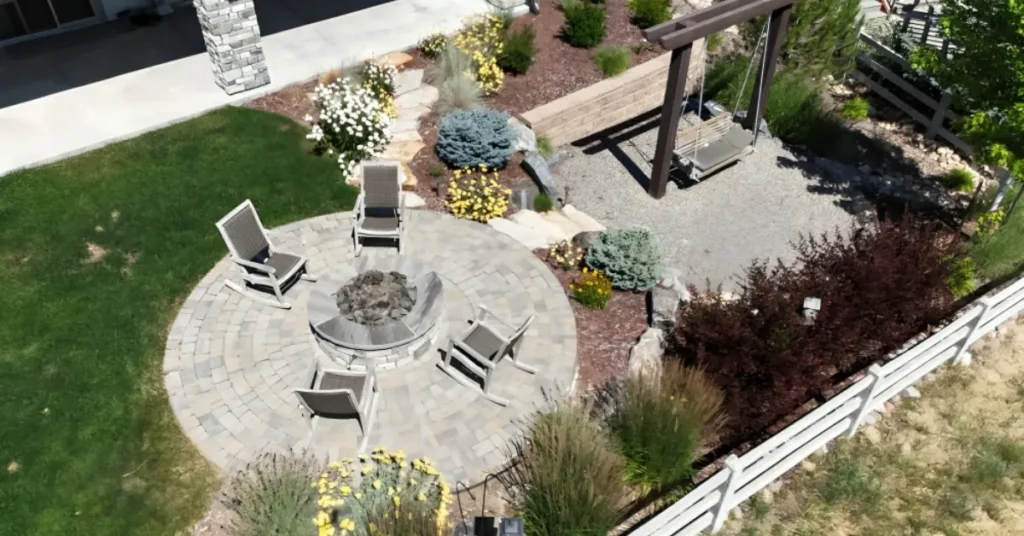
For example, you can create a relaxation zone with seating and shade, a dining or entertainment area near the patio, and a garden zone for flowers or vegetables. Use pathways, edging, low shrubs, or hardscape elements to subtly separate each area without making the yard feel closed off.
Plant groupings can also define spaces naturally while maintaining an open, cohesive look. By zoning your environment, you enhance organization, improve movement throughout the yard, and make your landscaping feel professionally designed while staying manageable as a DIY project.
Maintenance should always be considered when choosing do it yourself landscaping ideas. A beautiful yard is only successful if you can realistically maintain it throughout the year. In Colorado areas, landscapes must handle dry summers, snow accumulation, and sudden temperature swings. Designing with maintenance in mind helps prevent burnout and protects your investment long term.
Choose plants that are drought-tolerant and suited to Colorado’s climate to reduce watering demands. Group plants with similar water and sunlight needs together to simplify irrigation. Incorporating mulch in garden beds helps retain moisture, suppress weeds, and minimize upkeep.
If you prefer a low-maintenance yard, limit high-care elements like large lawns or delicate annual flowers that require constant attention. Hardscape features such as stone pathways, decorative gravel, or edging can also reduce trimming and mowing time. By planning for manageable upkeep from the beginning, you create a sustainable outdoor space that remains attractive without demanding excessive time, effort, or ongoing expense.
Lighting is a key element in doing it yourself landscaping ideas, as it extends the usability of your outdoor space while enhancing its beauty. In Denver and surrounding Colorado areas, where evenings can be long in summer and early dark in winter, strategically placed lighting highlights pathways, garden beds, and hardscape features, creating both safety and ambiance. Proper lighting makes your yard welcoming and functional after sunset.
Start by identifying focal points such as trees, shrubs, patios, or water features that would benefit from accent lighting. Use a combination of solar lights, LED path lights, and spotlights to illuminate walkways and highlight textures. Layering light at different heights creates depth and prevents flat, uninteresting nighttime views.
Motion-sensor lights near entryways or driveways also improve security. By thoughtfully incorporating lighting into your landscaping plan, you add warmth, safety, and visual appeal, allowing your DIY-designed yard to shine both day and night.
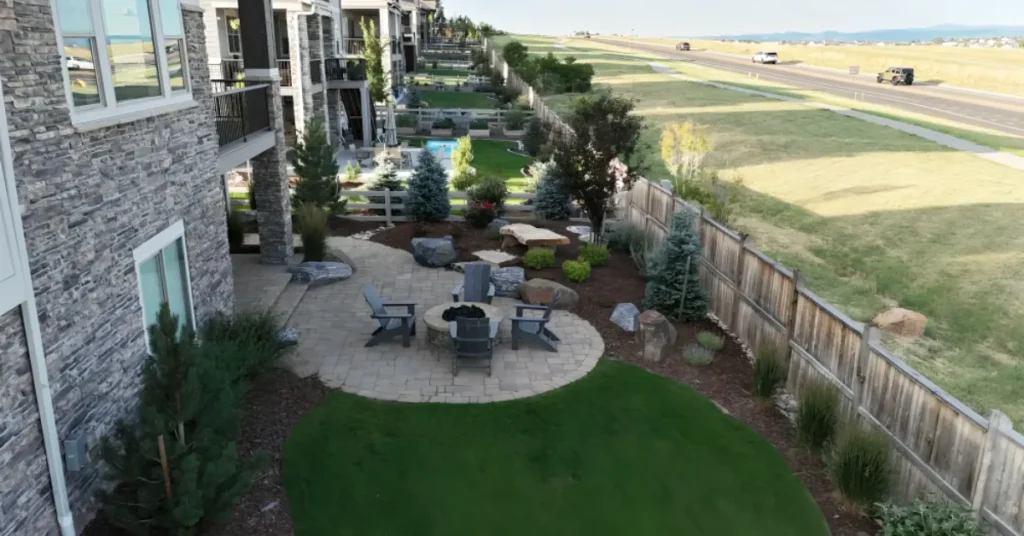
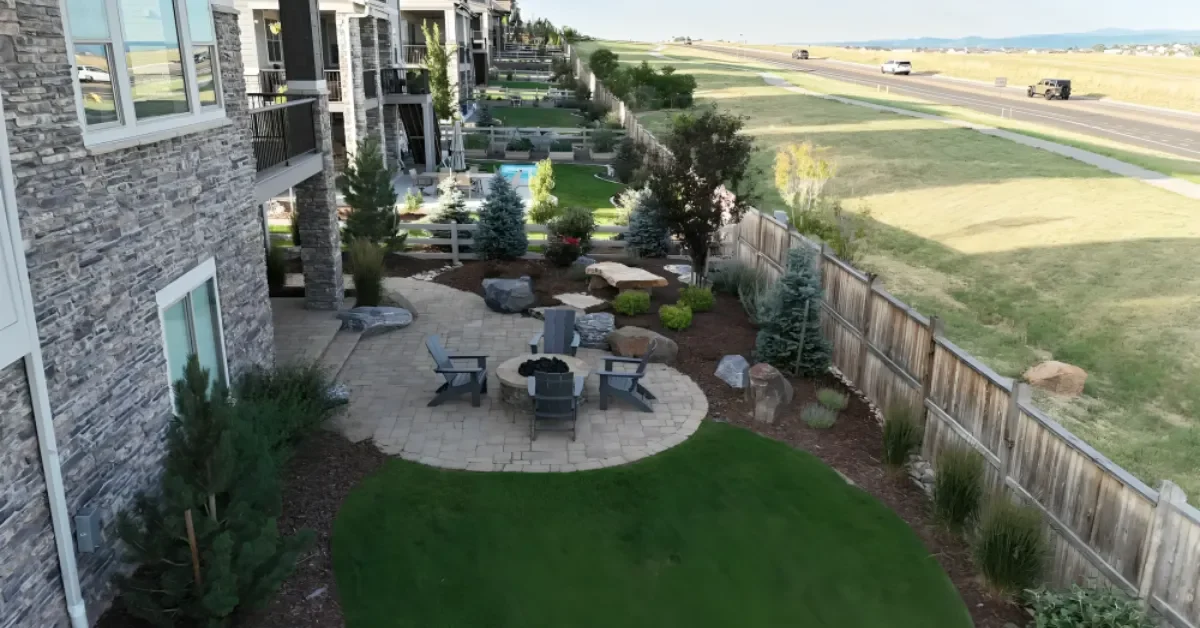
Adding a terrace with built-in seating is an excellent do it yourself landscaping idea that combines functionality, style, and social appeal. A terrace creates a designated area for relaxation, entertaining guests, or enjoying your garden, while built-in seating reduces clutter and makes the space feel cohesive.
In Denver, terraces can be designed to withstand seasonal changes, from snowy winters to hot, dry summers, ensuring they remain a practical feature year-round.
When planning your terrace, consider the size of your yard and the intended use. Choose durable materials such as natural stone, concrete, or brick for flooring and seating bases, as they hold up well under Colorado’s climate.
Integrate cushions, potted plants, and low-maintenance greenery to soften hard surfaces and create a welcoming environment. Curved or L-shaped seating can maximize space and encourage social interaction, while retaining walls can double as seating or plant beds. A well-designed terrace with built-in seating not only enhances your outdoor living experience but also adds lasting value and aesthetic appeal to your property.
Aligning your landscaping with your home’s architectural period is a smart do it yourself strategy that creates harmony and enhances curb appeal. Each architectural style—from modern and contemporary to Craftsman or Colonial—has plant choices and arrangements that naturally complement its features.
For contemporary homes, focus on clean lines, structural plants, and minimalistic arrangements with ornamental grasses or succulents. Traditional homes pair well with flowering shrubs, layered perennials, and formal garden beds. Historic or rustic homes benefit from native plants, climbing vines, and informal, flowing layouts that feel natural and timeless.
Pay attention to scale and proportion, framing entrances and windows with plantings that accentuate architectural details. By planting in a style consistent with your home’s architectural period, your landscape feels intentionally designed, elevates aesthetic appeal, and highlights the character of your property while remaining practical for Colorado’s seasonal conditions.
Yes, you can do landscaping by yourself, especially for small projects like planting flowers, installing garden beds, or creating simple pathways. Proper planning, research, and using the right tools can help achieve professional-looking results without hiring a landscaper.
Common landscaping mistakes include overcrowding plants, ignoring soil and drainage issues, poor plant selection, lack of maintenance planning, and failing to balance hardscapes with greenery. Avoiding these ensures a functional, visually appealing, and long-lasting landscape design.
The easiest DIY garden projects include building raised garden beds, planting flower borders, creating container gardens, installing mulch or gravel paths, adding decorative stones, and setting up simple garden lighting to enhance curb appeal and functionality.
The five basic elements of landscaping are line, form, color, texture, and scale. These principles guide the arrangement of plants, hardscapes, and other features to create a balanced, harmonious, and visually appealing outdoor space.
Do it yourself landscaping offers homeowners in Denver and surrounding Colorado areas the opportunity to transform their yards into functional, beautiful, and personalized outdoor spaces.
By thoughtfully planning your layout, layering greenery, zoning different areas, and choosing plants that thrive in the local climate, you can create a yard that is both visually appealing and sustainable. Incorporating features like terraces, built-in seating, and lighting enhances usability while adding long-term value to your property.
Remember to align your landscaping choices with your home’s architecture and your lifestyle, whether you prioritize entertaining, relaxation, or gardening. Planning for seasonal changes and maintenance ensures your yard remains attractive throughout the year without requiring excessive time or effort.
A successful DIY landscape balances aesthetics, functionality, and practicality, allowing you to enjoy a comfortable and inviting outdoor space. With careful preparation, creativity, and an understanding of Colorado’s unique environment, you can design a landscape that reflects your personal style and elevates your home’s charm.
Fresh Ideas From our experts
What Your Neighbors Are Saying
"They are the best. We have a small backyard and needed it to reflect a relaxing and enjoyable space. Chris used our ideas and came up with the perfect design. Then Francisco came with the cost projections and worked to accommodate our budget. He and his team then used their considerable construction expertise to create a space that’s an extension of our home where we spend a lot of time. Thank you for creating such a welcoming space."
"I am new to Colorado and hired Chris and Francisco to design and implement a plan for my new build house. From design to finish and followup they were beyond my expectations. They are in constant contact throughout the project and their crew is very hardworking. They followup when the project is finished and are always available for whatever questions you may have. I would highly recommend them, and I get many complements on the work they have done for me."
"We were thrilled with the end result of our brick paver patio refurbishment. We hired Chris, Francisco and their team to fix our sinking brick paver patio. It had been installed by a different landscaper, and after only 2 years it was collapsing. Boo hiss! Ridgewell Landscape and Design came in and saved the day! They discovered the original installation was done incorrectly, and that’s why it was collapsing. Their team worked hard and got the project done quickly and professionally. We are thrilled with the look and finish of the job! Bravo!!"