- Get A Free Consultation.
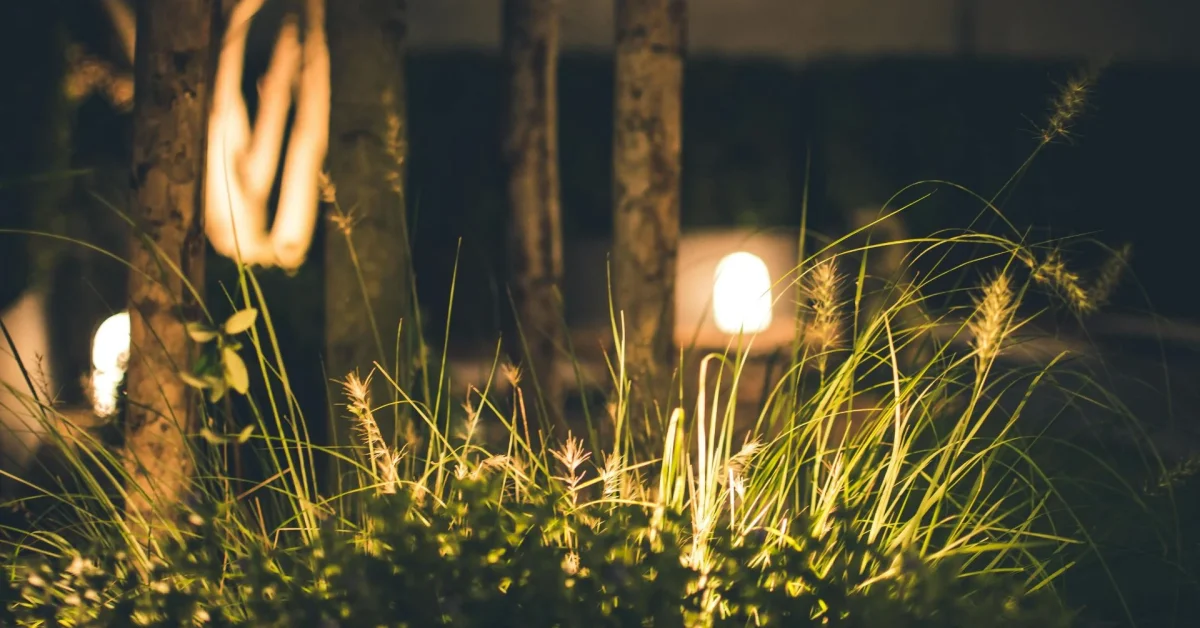
Outdoor lighting has become a key feature in modern landscapes across Denver and surrounding areas like Aurora, Arvada, and Lakewood. Homeowners are increasingly investing in lighting to improve safety, enhance curb appeal, and make their outdoor spaces usable after sunset. This growing demand has led many people to search do it yourself landscape lighting as a way to upgrade their yard without the full cost of professional installation.
A well-designed lighting system can highlight pathways, patios, and garden features while creating a warm and inviting atmosphere. It also adds an extra layer of security by improving visibility around your property. While DIY lighting can work well for smaller projects, achieving a balanced and long-lasting result requires proper planning and installation techniques.
At Ridgewell Colorado, we help homeowners design and install lighting systems that integrate seamlessly with patios, retaining walls, and outdoor living areas, ensuring both functionality and a polished finish.
Landscape lighting refers to the use of outdoor lighting fixtures to illuminate and enhance various elements of a property’s exterior. It plays an important role in both aesthetics and functionality, helping define spaces, improve visibility, and highlight key features such as pathways, plants, and architectural elements. In modern outdoor design, lighting is no longer an afterthought but an essential component of a well-planned landscape.
There are different types of systems available, with low voltage and solar lighting being the most common. Low voltage systems use a transformer to safely reduce electrical output, offering consistent and reliable illumination. Solar lighting, on the other hand, relies on sunlight for power, making it easier to install but sometimes less consistent in performance.
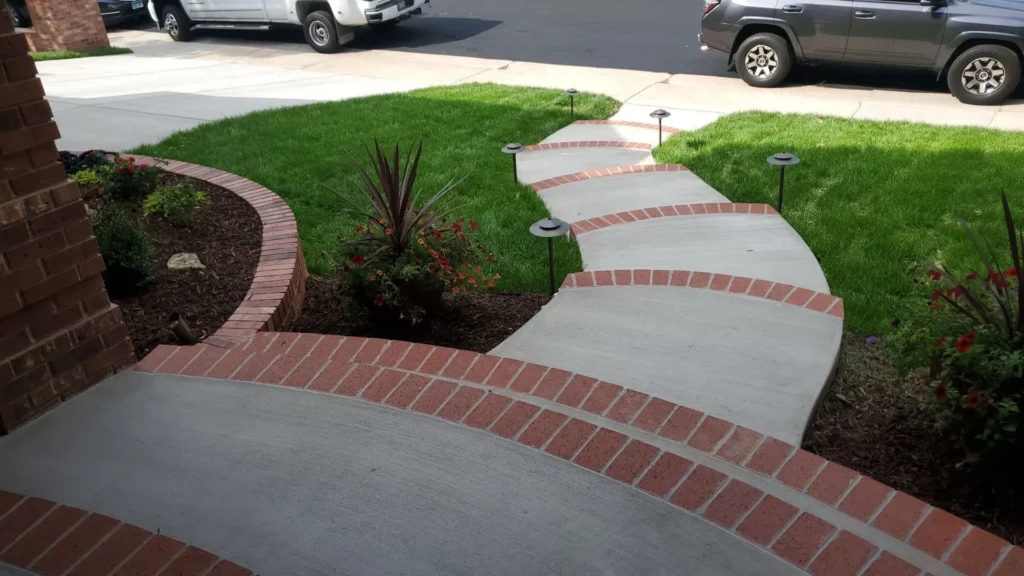
There are several types of landscape lighting fixtures, each designed for a specific purpose. Path lights are commonly used along walkways and driveways to improve safety and guide movement. Spotlights and floodlights are ideal for highlighting focal points such as trees, walls, or architectural features. Deck lights are often installed on patios, steps, or outdoor kitchens to enhance usability and ambience.
Lighting can be divided into accent lighting and functional lighting. Accent lighting focuses on highlighting specific features, while functional lighting improves visibility and safety. A well-balanced design typically combines both to create an effective and visually appealing outdoor environment.
Landscape lighting offers a range of benefits that go beyond simple illumination. One of the main advantages is improved safety and visibility, especially along pathways, driveways, and entry points. This reduces the risk of accidents and enhances overall security around the property.
In addition to safety, lighting significantly enhances the visual appeal of outdoor spaces. It highlights design features and creates a welcoming atmosphere, which can increase property value. Another key benefit is extended usability, allowing homeowners to enjoy patios, gardens, and outdoor living areas well into the evening.
Proper planning is the most important step when starting a do it yourself landscape lighting project. A well-thought-out plan ensures your lighting looks balanced, functions efficiently, and enhances the overall design of your outdoor space. Instead of placing fixtures randomly, you should identify key areas that need illumination and decide how lighting will improve both safety and aesthetics.
In Colorado homes, outdoor spaces often include patios, walkways, and garden features that can be transformed with the right lighting layout. Planning ahead also helps you avoid issues such as uneven brightness, unnecessary fixtures, or complicated wiring adjustments later. By mapping everything out in advance, you can create a lighting system that feels cohesive and professional while staying within your budget.
Start by identifying the most important areas of your landscape that require lighting. Walkways and driveways should be prioritised for safety, while patios and seating areas benefit from softer lighting that creates a comfortable atmosphere. Garden beds can also be enhanced with subtle illumination to highlight plants and textures.
Focal points such as trees, water features, and architectural elements are ideal for accent lighting. These features add depth and visual interest to your outdoor space, especially at night. Integrating lighting into a broader landscape design plan ensures everything works together seamlessly, creating a well-structured and visually appealing environment.
A successful lighting layout uses a layered approach, combining ambient, task, and accent lighting. Ambient lighting provides overall illumination, task lighting focuses on functional areas like pathways, and accent lighting highlights specific features. This combination helps create depth and prevents the space from looking flat or overly bright.
Avoiding over-lighting is just as important as adding enough light. Too many fixtures can make the space feel harsh and unnatural, while a balanced layout creates a warm and inviting atmosphere. The goal is to ensure even coverage while maintaining a natural and visually pleasing look throughout the landscape.
Choosing the right power source is essential for both performance and convenience. Low voltage systems are a popular choice because they provide consistent lighting and are suitable for larger or more complex layouts. They require a transformer to convert standard electricity into a safer voltage for outdoor use.
Solar lighting, on the other hand, is easier to install and does not require wiring, making it a good option for smaller projects. However, it may be less reliable in areas with limited sunlight. Planning cable routes in advance is also important for wired systems, ensuring efficient installation and reducing the risk of future issues.
Having the right tools and materials prepared in advance makes the installation process much smoother and more efficient. The main components include landscape lighting fixtures, which can vary depending on your design, such as path lights, spotlights, or deck lights. For wired systems, low voltage cables are needed to connect all fixtures, while solar lights offer a simpler alternative without wiring.
A transformer is required for low voltage systems to safely regulate electrical output. Wire connectors are essential for securing connections and protecting them from outdoor conditions. Basic tools such as a shovel help with digging for cables, while a wire stripper is used to prepare connections. A drill may also be needed for mounting fixtures or securing components.
Preparing everything beforehand ensures a more organised installation process and helps you complete the project efficiently with better results.
Installing a lighting system correctly is key to achieving both visual impact and long-term performance. Once your layout and materials are ready, following a structured process will help you avoid common issues and ensure a clean, professional result. Each step plays an important role in making sure your lighting is safe, efficient, and visually balanced across your outdoor space.
Begin by marking your lighting layout using stakes or markers. This helps you visualise where each fixture will be placed and ensures proper spacing throughout the area. Testing positions before installation is highly recommended, especially in the evening, so you can see how the lighting will actually look and make adjustments if needed.
Next, install your power source. For low voltage systems, this involves setting up a transformer near a safe outdoor power outlet. Solar lighting systems should be placed in areas with adequate sunlight. Ensuring a secure and safe connection is essential for reliable operation.
Position each lighting fixture according to your plan, focusing on both functionality and aesthetics. Secure the fixtures firmly into the ground or mounting surface to keep them stable over time. Proper placement ensures consistent lighting coverage and highlights key features effectively.
For wired systems, lay the cables neatly along the planned routes, avoiding sharp bends or exposed areas. Use waterproof connectors to attach fixtures securely, protecting the system from moisture and outdoor conditions. Proper wiring is crucial for consistent performance.
Once everything is connected, turn on the system and test all lights. Check for any dim areas, uneven brightness, or connection issues. This step allows you to identify and fix problems before finalising the installation.
Make final adjustments by fine-tuning the angles and positions of each fixture. This ensures even lighting distribution and highlights the most important areas of your landscape. Small adjustments can make a significant difference in the overall appearance.
Even a well-planned do it yourself landscape lighting project can be affected by common mistakes. One of the biggest issues is poor planning or random placement of lights, which can lead to uneven coverage and an unbalanced look.
Over-lighting or under-lighting is another frequent problem. Too much light can create a harsh environment, while too little reduces functionality and visual impact. Incorrect wiring or loose connections can also cause flickering or system failure over time.
Ignoring voltage drop in larger systems can result in dim lights further from the power source, affecting overall performance. Lastly, not considering long-term maintenance can lead to avoidable issues in the future. Avoiding these mistakes helps ensure a more efficient, durable, and visually appealing lighting system.
Read Also: How To Install Low Voltage Lighting
Choosing between DIY and professional installation is a key decision when planning do it yourself landscape lighting. While DIY can be appealing for its flexibility and lower upfront cost, professional installation offers precision and long-term reliability. The right option depends on your project size, design complexity, and desired finish.
DIY installation is often suitable for smaller projects where the layout is simple and easy to manage. It allows homeowners to customise lighting placement and work at their own pace, making it a cost-effective option. However, it requires time, planning, and attention to detail. Mistakes in placement, wiring, or system setup can affect both performance and appearance.
Professional installation ensures expert design, accurate placement, and safe electrical work. At Ridgewell Colorado, we create lighting systems that integrate seamlessly with outdoor features such as paver patio services, pergola installation, and outdoor kitchen design. This approach delivers a cohesive, high-end finish while ensuring durability and optimal performance across your entire landscape.
The cost of landscape lighting in Colorado can vary depending on the size of the project, the type of fixtures used, and whether the installation is DIY or professional. On average, lighting fixtures can range in price depending on quality and design, with basic options costing less and premium fixtures increasing the overall investment.
DIY projects typically cost less upfront since labour is not included, but you still need to account for materials, tools, and potential adjustments. Professional installation has a higher initial cost but offers better design, efficiency, and long-term durability.
Several factors influence the total price, including the number of lights, layout complexity, wiring requirements, and integration with other outdoor features. Larger or more detailed designs will naturally require a higher budget, but they also deliver greater visual impact and usability.
Landscape lighting works best when it is fully integrated into your overall outdoor design rather than treated as a separate feature. A well-integrated system enhances functionality, highlights key areas, and creates a cohesive look throughout your property.
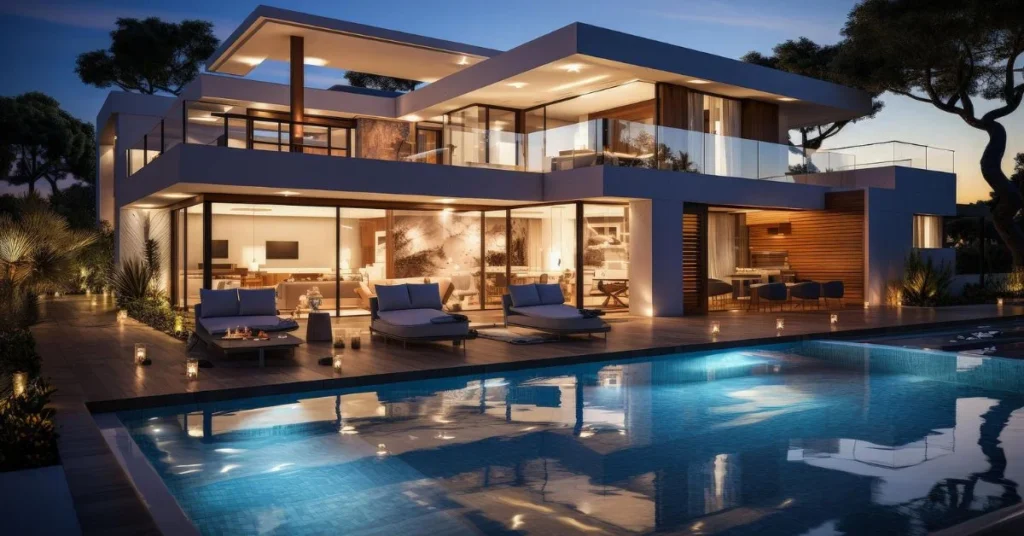
Lighting plays a major role in making patios and outdoor living areas usable after dark. Soft, well-placed lighting creates a comfortable and inviting atmosphere, perfect for relaxing or entertaining. When combined with professional paver patio installation in Denver, lighting helps define the space and enhances its overall appeal.
Hardscape elements such as retaining walls and walkways can be dramatically enhanced with proper lighting. It adds depth, improves visibility, and highlights textures and materials. Integrating lighting with custom retaining walls creates a more structured and visually striking outdoor environment.
In Colorado, xeriscaping is a popular landscaping choice due to its low water requirements. Lighting can be used to highlight unique textures, stones, and drought-resistant plants, enhancing the design even at night. When paired with Denver xeriscaping services, lighting brings out the full potential of these sustainable landscapes.
Maintaining your landscape lighting system is essential for keeping it efficient, safe, and visually appealing over time. Regular cleaning of fixtures helps remove dirt and debris that can reduce brightness and affect performance.
It is also important to check connections periodically to ensure all wiring remains secure and protected from weather conditions. Loose or damaged connections can lead to flickering lights or system failure.
Replacing bulbs when needed helps maintain consistent illumination, especially in high-use areas such as pathways and patios. Seasonal adjustments may also be necessary to reposition lights as plants grow or outdoor layouts change.
Proper maintenance not only extends the lifespan of your lighting system but also ensures your outdoor space continues to look its best throughout the year.
Choosing the right team for your outdoor lighting project can make a significant difference in both appearance and performance. Ridgewell Colorado brings local expertise across Denver and surrounding areas, including Aurora, Arvada, and Lakewood, ensuring every lighting system is designed with regional conditions in mind. From soil types to climate factors, we tailor each project for long-term durability and efficiency.
We offer custom lighting solutions that go beyond simple installation, integrating lighting seamlessly with full landscaping services. Whether it’s enhancing a patio, highlighting a retaining wall, or complementing a pergola or outdoor kitchen, our approach ensures a cohesive and well-structured outdoor space.
Using high-quality materials and proven installation techniques, we deliver reliable, long-lasting results that enhance both functionality and curb appeal. If you’re looking to transform your outdoor space with professional lighting, Ridgewell Colorado is ready to help with expert design and installation.
DIY landscape lighting is relatively easy for small and simple projects, especially with solar lights. However, larger or wired systems require more planning, basic electrical knowledge, and proper installation techniques. For complex designs, hiring professionals is often the better option.
Low voltage lighting is generally the best option for consistent performance and flexibility in design. Solar lighting is easier to install and works well for smaller areas but may be less reliable. The best choice depends on your project size and lighting goals.
The cost of DIY landscape lighting varies depending on the number of fixtures and type of system used. Basic setups can be relatively affordable, while larger or more advanced systems will cost more. Materials, tools, and design complexity all influence the final cost.
Yes, landscape lighting can increase property value by improving curb appeal and outdoor usability. It creates a more attractive and functional space, especially for evening use. Well-designed lighting also enhances security, making the property more appealing to buyers.
A well-planned do it yourself landscape lighting project can transform your outdoor space, improving both its functionality and visual appeal. From planning and layout to installation and maintenance, each step plays an important role in achieving a balanced and effective lighting design.
While DIY lighting can be a great option for smaller projects, it requires careful execution to ensure long-term performance. Poor planning or installation can lead to uneven lighting, maintenance issues, or reduced durability over time.
For homeowners looking to achieve a professional, seamless finish, expert installation is often the best choice. Ridgewell Colorado provides customised lighting and full landscaping solutions across Denver and surrounding areas. Get in touch today to enhance your outdoor space with reliable, high-quality results.
Fresh Ideas From our experts
What Your Neighbors Are Saying
"They are the best. We have a small backyard and needed it to reflect a relaxing and enjoyable space. Chris used our ideas and came up with the perfect design. Then Francisco came with the cost projections and worked to accommodate our budget. He and his team then used their considerable construction expertise to create a space that’s an extension of our home where we spend a lot of time. Thank you for creating such a welcoming space."
"I am new to Colorado and hired Chris and Francisco to design and implement a plan for my new build house. From design to finish and followup they were beyond my expectations. They are in constant contact throughout the project and their crew is very hardworking. They followup when the project is finished and are always available for whatever questions you may have. I would highly recommend them, and I get many complements on the work they have done for me."
"We were thrilled with the end result of our brick paver patio refurbishment. We hired Chris, Francisco and their team to fix our sinking brick paver patio. It had been installed by a different landscaper, and after only 2 years it was collapsing. Boo hiss! Ridgewell Landscape and Design came in and saved the day! They discovered the original installation was done incorrectly, and that’s why it was collapsing. Their team worked hard and got the project done quickly and professionally. We are thrilled with the look and finish of the job! Bravo!!"