Hardscaping a yard involves designing and installing the non-living elements that give your outdoor space structure, functionality, and visual appeal. These elements—such as patios, walkways, retaining walls, decks, and gravel areas—create defined zones while improving how the yard is used.
The first step in hardscaping a yard is planning the layout. Consider how you want to use the space, whether for relaxing, entertaining, dining, or improving accessibility. Sketch a rough design that includes pathways, seating areas, and structural features while accounting for slopes, drainage, and existing landscape elements.
Next, choose materials that match your home’s style and local climate. Options like natural stone, concrete pavers, brick, wood, and gravel all offer different looks and durability levels. Selecting the right materials ensures your hardscape remains strong and visually cohesive over time.
Proper site preparation is essential before installation. This includes leveling the ground, preparing a stable base, and ensuring proper drainage to prevent shifting or water damage. Once the base is ready, hardscape elements such as pavers, walls, or pathways can be installed securely.
Finally, combine your hardscape with complementary landscaping, such as plants, shrubs, and lighting. This balance between structure and greenery creates a yard that feels natural, inviting, and functional while enhancing curb appeal and long-term usability.
Hardscaping in a real yard setting refers to the structural, non-living components that shape and organize outdoor spaces. Unlike lawns, plants, or gardens, hardscape elements provide durability, structure, and functionality. In practical terms, this includes features like patios for seating, stone or gravel walkways, retaining walls, decks, fences, and pergolas. Each of these elements defines areas, guides movement, and enhances both usability and visual appeal.
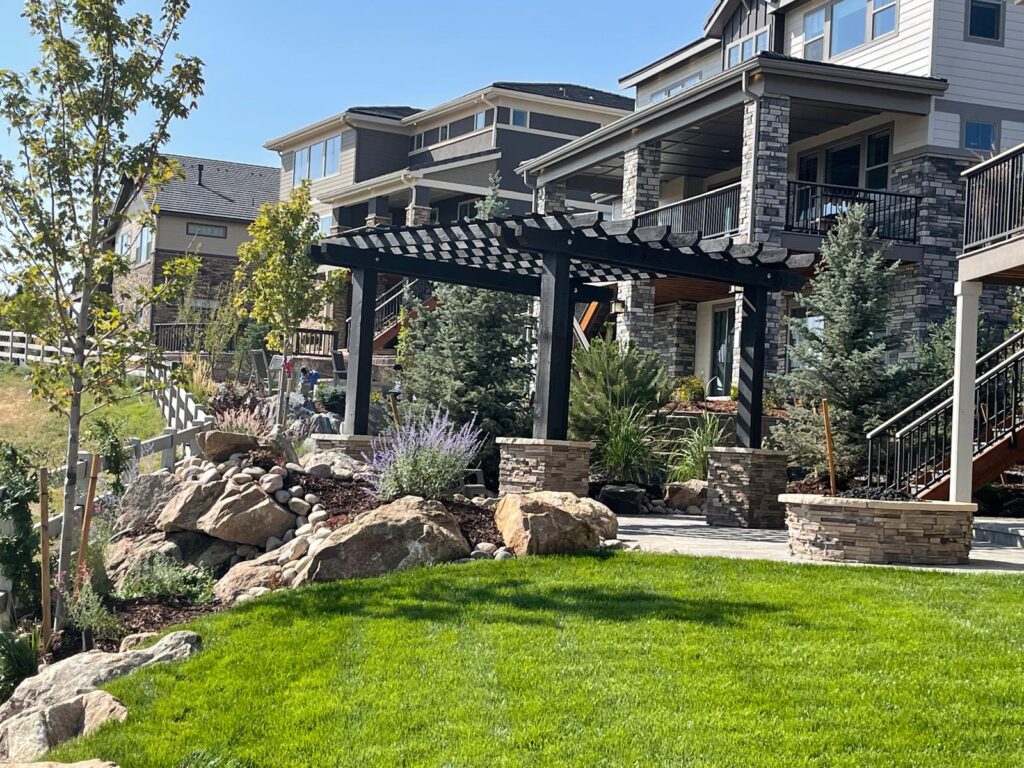
In a typical yard, hardscaping works alongside landscaping to create a cohesive design. For instance, a stone patio may anchor a backyard gathering area, while surrounding flower beds, shrubs, or ornamental grasses soften the look and add seasonal interest. Walkways guide visitors through the yard while protecting plants and lawns from foot traffic, and retaining walls manage slopes or prevent erosion.
Hardscaping also solves practical problems, such as improving drainage, stabilizing soil, and creating flat spaces on uneven terrain. By thoughtfully integrating materials like stone, brick, wood, or concrete with plantings, homeowners can achieve a yard that is both functional and aesthetically pleasing. Properly planned, hardscaping transforms outdoor spaces into organized, low-maintenance, and inviting areas for daily use and entertainment.
Read Also: Xeriscaping Ideas For Colorado Homes
Hardscaping has the power to transform a simple outdoor space into a functional, enjoyable, and visually appealing yard. By introducing structural elements such as patios, walkways, retaining walls, and decks, you create defined areas for specific activities, making the yard more versatile and usable. For example, a well-designed patio can become a space for dining, entertaining, or relaxing, while a gravel pathway guides visitors safely through gardens without damaging plants or grass.
Beyond aesthetics, hardscaping addresses practical challenges in your yard. Retaining walls and terraces stabilize slopes, prevent erosion, and create flat spaces suitable for seating or play areas. Properly designed drainage systems incorporated into hardscape prevent flooding and water damage, allowing you to enjoy your yard even during rainy seasons.
Hardscape elements also extend the usability of your yard throughout the year. Pergolas or shade structures provide relief from the sun, fire pits or outdoor seating areas encourage gatherings during cooler months, and durable materials like stone or concrete withstand wear and weather.
By combining functionality, durability, and beauty, hardscaping transforms a yard from a simple open space into a structured, inviting, and purposeful outdoor living area that accommodates your lifestyle and enhances everyday enjoyment.
Planning is the most critical step when hardscaping a yard. Without a clear strategy, even high-quality materials and labor can result in a layout that is impractical or visually unbalanced. Begin by assessing your yard’s current conditions, including its size, shape, slopes, existing plants, and problem areas such as poor drainage or uneven terrain. Identifying these factors helps determine where structural elements like patios, walkways, or retaining walls should be placed for maximum efficiency and aesthetic appeal.
Next, define the purpose of each area. Decide if a space will be used for dining, entertaining, play, or gardening, as this will influence the choice of materials, shapes, and dimensions. Consider how people will move through the yard, what focal points you want, and how hardscape features will interact with landscaping elements like plants, trees, and flower beds.
Finally, set a realistic budget and timeline, including costs for materials, labor, and maintenance. Sketching out the design or using digital planning tools can help visualize the final result. Proper planning ensures a cohesive, functional, and visually appealing yard that lasts for years.
Before installing any hardscape, it’s essential to understand your yard’s layout and drainage patterns. Walk the property and note slopes, low-lying areas, and high-traffic zones to determine where water naturally flows and where it collects. Proper grading and slope management prevent erosion, water pooling, and damage to patios, walkways, or retaining walls.
Mapping out these features also informs the placement of hardscape elements, ensuring safe, functional, and durable installations. Identifying drainage needs early allows for incorporating solutions such as French drains, swales, or gravel beds without disrupting the design later. This step is critical for creating a yard that is both practical and long-lasting, minimizing future maintenance challenges.
Selecting the right hardscape materials is essential for both durability and aesthetic harmony. Materials should complement your home’s architectural style while standing up to your local climate conditions. For example, natural stone provides a timeless, versatile look that works well in both patios and walkways, while brick adds classic charm and warmth. Concrete pavers offer affordability, versatility, and ease of installation, and wood or composite decking brings natural texture and comfort to seating or dining areas.
Climate considerations are critical when choosing materials. In hot, sunny areas, lighter-colored stones or pavers reduce heat absorption, keeping surfaces comfortable underfoot. In regions with freeze-thaw cycles, frost-resistant materials prevent cracking, while proper installation ensures long-term stability. Gravel or decomposed granite works well in dry climates, providing permeable surfaces that allow water to drain naturally and reduce runoff.
Maintenance requirements also influence material choice. Durable materials like stone, concrete, or brick require minimal upkeep, while wood and composites may need sealing or staining to maintain appearance and longevity. By carefully balancing style, durability, climate, and maintenance needs, you can select hardscape materials that enhance your yard’s beauty and functionality for years to come.
Hardscaping a yard involves a structured process that turns a blank or underutilized space into a functional and visually appealing outdoor area. The first step is planning and assessment—understanding your yard’s layout, slopes, drainage, and how you intend to use each area. This guides decisions on placement for patios, pathways, retaining walls, and other structural features.
Next comes site preparation, which involves clearing the area, grading slopes, and creating a stable base for materials. Proper preparation ensures longevity, prevents erosion, and allows for smooth installation. Foundations such as compacted gravel or sand may be used for pavers, while retaining walls require secure footing and leveling.
The installation phase follows. Patios, walkways, decks, and other hardscape elements are carefully placed according to the plan. Loose materials like gravel or pebbles are spread evenly, while stone or brickwork is laid with precision to ensure stability and aesthetic appeal. Drainage solutions, edging, and structural supports are integrated as needed.
Finally, finishing touches bring the yard together. Landscaping around hardscape features, adding lighting, seating, or decorative accents, and performing a final inspection ensures functionality, comfort, and beauty. Following these steps results in a yard that is durable, low-maintenance, and tailored to your lifestyle.
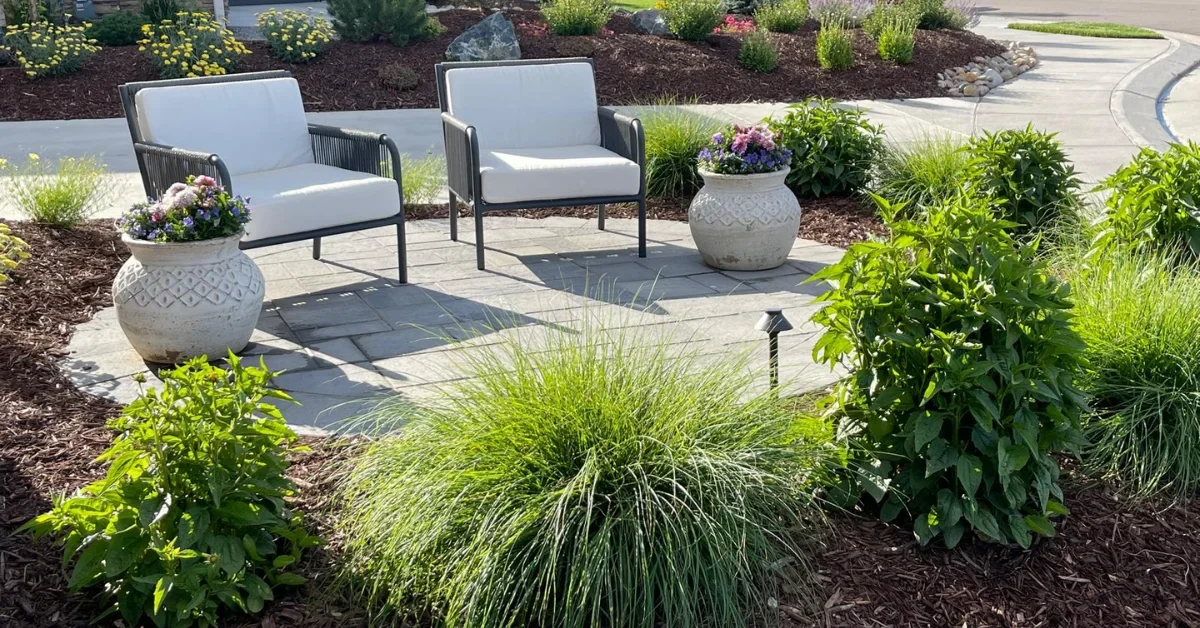
Hardscaping offers countless opportunities to enhance the functionality and aesthetics of your yard. One popular approach is creating defined zones—areas for dining, entertaining, relaxation, and gardening. A stone or brick patio can serve as a central gathering spot, while pathways guide movement through planting beds or lead to a seating nook.
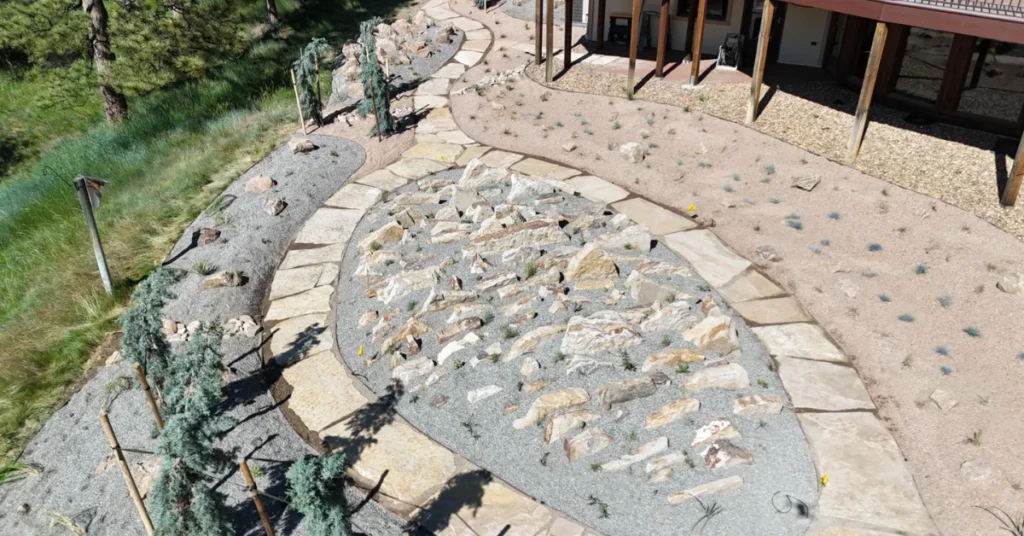
Incorporating retaining walls and terraces can transform uneven or sloped terrain into usable flat spaces, providing both structural support and visual interest. Raised planter beds, decorative gravel areas, or boulder accents add depth and texture, while features like fire pits, pergolas, or water elements create inviting focal points.
Mixing materials and textures enhances visual appeal without sacrificing function. Combining gravel with pavers, wood with stone, or smooth concrete with textured brick adds contrast while keeping the design cohesive. Lighting, both functional and decorative, further elevates hardscape features, extending usability into evenings and creating a welcoming atmosphere.
By drawing inspiration from these ideas, homeowners can craft a yard layout that balances practicality, style, and personal preferences, ensuring the space is both enjoyable and visually striking.
Before installing hardscape elements, identify which areas of your yard will serve specific purposes. High-traffic zones, entrances, and flat areas are ideal for patios, seating, or dining spaces, while sloped or narrow sections can become pathways, terraced beds, or decorative zones.
Consider how your household uses the yard—spaces for entertaining, relaxing, or play should be accessible and sized appropriately.
Defining functional areas early in the design process ensures efficient flow, maximizes usability, and helps integrate both hardscape and landscaping features cohesively throughout the yard.
Even a small yard can be transformed into a functional, stylish, and inviting outdoor space through smart hardscaping. The key is to focus on efficient use of space while creating distinct zones for different activities. For instance, a compact patio with built-in seating or a small dining area can provide a central gathering spot without overcrowding the yard.
Vertical elements such as trellises, raised planter beds, or wall-mounted garden features maximize planting space and add visual interest without taking up precious ground area. Narrow pathways using pavers or gravel can guide movement and make the yard feel larger while protecting plants from foot traffic.
Incorporating multi-functional features is another effective strategy. Retaining walls can double as seating, gravel beds can serve as decorative and drainage areas, and foldable furniture or movable planters allow flexibility for entertaining or play. Choosing light-colored or reflective materials for patios and walkways can make the space feel brighter and more open.
By combining strategic layout, vertical solutions, and versatile hardscape elements, even limited spaces can feel expansive, practical, and visually appealing. Thoughtful hardscaping ensures that every square foot of a small yard serves a purpose while maintaining aesthetic harmony.
Hardscaping can dramatically improve a yard, but certain mistakes can compromise both functionality and appearance. One of the most frequent errors is overcrowding or underutilizing spaces. Placing too many features too close together can create a cramped, awkward layout, while leaving large areas empty can make the yard feel disorganized or unfinished.
Another common mistake is ignoring drainage and slope considerations. Without proper grading or drainage solutions, patios, walkways, and retaining walls can suffer from water damage, erosion, or uneven settling over time. Addressing these issues before installation is essential for long-term durability.
Selecting materials or designs that don’t suit your climate or lifestyle is another pitfall. For example, wood may warp in wet climates, while dark stone can become uncomfortably hot in sunny areas. Choosing materials that balance durability, aesthetics, and maintenance requirements ensures your hardscape remains practical and attractive.
Finally, skipping maintenance planning can shorten the lifespan of your hardscape. Regular cleaning, sealing, and seasonal care are crucial for keeping surfaces and structures in top condition. By avoiding these mistakes, homeowners can create a yard that is both beautiful, functional, and long-lasting.
The cost of hardscaping a yard varies widely depending on materials, project size, complexity, and labor. Simple projects like a small gravel pathway or a basic patio can start around $1,500 to $5,000, while larger installations such as multi-level patios, retaining walls, or outdoor kitchens can range from $10,000 to $50,000 or more. Material choice heavily influences cost—natural stone and high-end pavers are more expensive than concrete or gravel, while wood and composite decking can add additional labor and maintenance expenses.
Labor also varies by region and complexity. Skilled installation of patios, walls, or custom features often requires specialized contractors, which increases cost but ensures durability and quality. Additionally, features like lighting, built-in seating, or water elements can add to the overall budget.
It’s important to balance your budget with your design goals. Planning ahead and prioritizing key features can help maximize value while avoiding unnecessary expenses. Some homeowners phase their hardscape projects, starting with essential elements and gradually adding features over time. By understanding costs and planning carefully, you can create a functional, beautiful yard without overspending.
The timeline for a hardscaping project depends on size, complexity, materials, and weather conditions. Small projects, such as installing a basic patio, walkway, or gravel bed, can often be completed within a few days to a week, assuming proper preparation and favorable conditions. Medium-sized projects like multi-level patios, retaining walls, or small outdoor kitchens may take two to four weeks, especially if custom features or landscaping integration are involved.
Larger or more intricate projects, including extensive terraces, large retaining walls, full outdoor kitchens, or water features, can require several weeks to a few months. Factors affecting duration include excavation, grading, drainage installation, curing times for concrete or stone, and weather delays. Seasonal conditions, such as heavy rain, snow, or extreme temperatures, can also extend the timeline.
Proper planning and coordination with contractors can significantly reduce delays. Clear communication about design details, material availability, and workflow ensures each stage—from site preparation to final touches—proceeds efficiently.
Ultimately, while timelines vary, a well-planned hardscape project balances quality, durability, and aesthetics without unnecessary rush. Understanding the expected timeframe allows homeowners to prepare for disruptions and enjoy a smooth installation process.
While some small hardscape projects can be tackled by skilled DIYers, hiring professional hardscaping services is often the best choice for complex or large-scale installations. Professionals bring expertise, experience, and specialized equipment that ensure durable, safe, and visually appealing results. Projects such as multi-level patios, retaining walls, intricate paver patterns, outdoor kitchens, or water features typically require precise measurements, proper drainage solutions, and structural knowledge that professionals provide.
Hiring experts also saves time and reduces stress. Professionals can handle site preparation, grading, excavation, and material installation efficiently, while minimizing the risk of mistakes that could lead to costly repairs. They are familiar with local building codes, permitting requirements, and climate considerations, ensuring that your hardscape complies with regulations and withstands environmental challenges.
Even for smaller projects, professional guidance can help you choose materials, layout, and finishes that maximize both aesthetics and functionality. Contractors can also provide accurate cost estimates and realistic timelines, reducing surprises during the project.
In short, when precision, durability, or complexity is involved, professional hardscaping services provide peace of mind, high-quality results, and a yard that is both beautiful and built to last.
Proper maintenance is essential to ensure that your hardscape remains durable, functional, and visually appealing for years. Routine care begins with cleaning surfaces to remove dirt, debris, and organic matter that can stain or erode materials. Pressure washing stone, brick, or concrete areas, along with sweeping gravel or mulch beds, keeps the yard looking fresh and prevents damage.
Sealing and treating materials is another important step. Concrete, pavers, and wood surfaces benefit from periodic sealing, which protects against moisture, UV damage, and wear from foot traffic. Wooden decks or pergolas may require staining or weatherproof treatments to maintain their appearance and longevity.
Seasonal care is also critical. In colder climates, protect surfaces from freeze-thaw cycles by addressing drainage issues and clearing snow carefully. In hot or dry climates, shade structures or lighter-colored materials help prevent cracking and fading.
Finally, regular inspections can catch small problems before they become major repairs, such as loose pavers, shifting gravel, or eroding soil around retaining walls. By incorporating cleaning, sealing, seasonal upkeep, and monitoring into a routine maintenance plan, homeowners can ensure their hardscape remains safe, functional, and beautiful for many years.
It’s generally best to install hardscapes first, such as patios, pathways, and retaining walls. This provides a clear structure for your yard, prevents damage to plants during construction, and makes it easier to design and place softscaping elements like shrubs, flowers, and lawns.
The cheapest hardscape options include gravel paths, decomposed granite, mulch walkways, or simple concrete slabs. These materials are affordable, easy to install, and can still create functional and attractive outdoor features without a large budget.
To hardscape a backyard, start by planning the layout and design, selecting durable materials, preparing the site, and installing elements like patios, walkways, retaining walls, or fire pits. Integrate drainage solutions and coordinate with plants for a balanced, functional landscape.
Drawbacks of hardscaping include higher installation costs, reduced natural drainage, and less flexibility for future landscape changes. If not properly planned, hardscapes can lead to water pooling, maintenance challenges, and a less natural look when compared to softscaping.
Hardscaping is a transformative element in yard design, combining functionality, durability, and aesthetic appeal to create outdoor spaces that are both practical and enjoyable. From patios and walkways to retaining walls, decks, and decorative features, hardscape elements provide structure, define zones, and enhance the overall usability of your yard. When thoughtfully integrated with landscaping, these features create a balanced and inviting environment that reflects your personal style.
Successful hardscaping begins with careful planning. Assessing your yard’s layout, slopes, and drainage, choosing materials suited to your home and climate, and prioritizing functional zones ensures a project that is efficient, durable, and visually pleasing. Whether opting for DIY installation or hiring professional contractors, understanding the process and potential pitfalls is essential for long-term success.
Maintenance is equally important. Regular cleaning, sealing, seasonal care, and inspections help extend the lifespan of hardscape elements, protecting your investment and keeping your yard safe and attractive.
Ultimately, hardscaping allows homeowners to maximize the potential of their outdoor spaces, creating areas for relaxation, entertainment, and everyday enjoyment. Thoughtful design and proper upkeep result in a yard that is both functional and timeless, enhancing the beauty and value of your home for years to come.
Fresh Ideas From our experts
What Your Neighbors Are Saying
"They are the best. We have a small backyard and needed it to reflect a relaxing and enjoyable space. Chris used our ideas and came up with the perfect design. Then Francisco came with the cost projections and worked to accommodate our budget. He and his team then used their considerable construction expertise to create a space that’s an extension of our home where we spend a lot of time. Thank you for creating such a welcoming space."
"I am new to Colorado and hired Chris and Francisco to design and implement a plan for my new build house. From design to finish and followup they were beyond my expectations. They are in constant contact throughout the project and their crew is very hardworking. They followup when the project is finished and are always available for whatever questions you may have. I would highly recommend them, and I get many complements on the work they have done for me."
"We were thrilled with the end result of our brick paver patio refurbishment. We hired Chris, Francisco and their team to fix our sinking brick paver patio. It had been installed by a different landscaper, and after only 2 years it was collapsing. Boo hiss! Ridgewell Landscape and Design came in and saved the day! They discovered the original installation was done incorrectly, and that’s why it was collapsing. Their team worked hard and got the project done quickly and professionally. We are thrilled with the look and finish of the job! Bravo!!"