Landscaping your front yard is one of the most effective ways to boost curb appeal and increase property value. A well-designed front yard creates a welcoming first impression while improving functionality and low-maintenance upkeep. The key is to balance beauty, practicality, and long-term sustainability.
Start by evaluating your space. Consider yard size, soil condition, sunlight exposure, drainage, and climate. These factors will guide plant selection and layout decisions. Next, create a simple design plan. Define focal points such as a walkway, flower beds, shrubs, or a statement tree. Layer plants by heighttaller elements in the back, medium shrubs in the middle, and low-growing plants near borders for depth and visual interest.
Incorporate hardshipscape features like pathways, edging, lighting, or decorative stone to structure the space. Choose plants suited to your region to reduce maintenance and water usage. Mulching flower beds helps retain moisture and control weeds.
Finally, keep maintenance in mind. Select drought-tolerant plants, install efficient irrigation if needed, and avoid overcrowding. A thoughtfully landscaped front yard enhances your home’s appearance while remaining manageable year-round.
A well-designed front yard guides visitors naturally toward your entrance, creating a welcoming and functional approach. Start by designing clear pathways using materials like stone, brick, gravel, or pavers that complement your home’s exterior. Wide, smooth walkways with gentle curves or straight lines help direct foot traffic while adding visual interest.
Incorporate landscaping elements along the path to subtly guide movement. Low shrubs, flower beds, or ornamental grasses can frame the walkway, while taller plants or small trees can create focal points that draw the eye toward the door. Proper lighting along the pathway enhances safety and accentuates your landscaping design, especially in the evening.
Consider symmetry and proportion. Balanced arrangements on either side of the path or entrance create a sense of order and make the approach more inviting. By thoughtfully combining hardscape, plants, and lighting, you can lead guests seamlessly to your front door while boosting your home’s curb appeal.
Front yard gardens are one of the most effective ways to enhance curb appeal and create a welcoming atmosphere. A well-planned garden adds color, texture, and personality to your property, instantly making a positive impression on visitors and passersby.
When designing your garden, choose plants that thrive in your climate and soil conditions. Mixing perennials, shrubs, and seasonal flowers ensures year-round visual interest. Consider layering plants by height, placing taller plants in the back, mid-sized shrubs in the middle, and low-growing flowers or ground cover near the front to create depth and dimension.
Incorporating hardshipscape elements like decorative stones, edging, or small pathways can define garden areas and make them more visually appealing. Adding seasonal blooms or native plants can highlight your home’s style while keeping maintenance manageable.
Ultimately, a thoughtfully designed front yard garden serves as a focal point, enhances your home’s aesthetic, and communicates care and attention to detail making your property memorable from the very first glance.
When landscaping your front yard, it’s important to choose plants that match the level of care you’re willing and able to provide. Overplanting or selecting high-maintenance species can quickly turn a beautiful yard into a time-consuming chore.
Start by considering your available time, water resources, and gardening skills. Low-maintenance plants such as drought-tolerant perennials, native shrubs, ornamental grasses, and ground covers are ideal for homeowners who prefer minimal upkeep. These plants often require less watering, pruning, and fertilizing while still providing year-round appeal.
Plan for manageable garden sizes and avoid overcrowding beds. Overcrowded plants compete for nutrients and water, leading to poor growth and more frequent maintenance. Mulching, proper spacing, and grouping plants with similar needs make care easier and more efficient.
By planting only what you can realistically manage, you ensure your front yard remains attractive, healthy, and enjoyable without overwhelming your schedule or budget.
Creating an attractive front yard begins with thoughtful garden design that balances aesthetics, functionality, and maintenance needs. A variety of design approaches can help homeowners achieve a cohesive and inviting outdoor space.
Layered planting is a popular technique, arranging plants by heighttall trees or shrubs in the back, medium-height plants in the middle, and low-growing flowers or ground cover at the front. This adds depth and visual interest while keeping sightlines clear.
Color schemes can also enhance the overall appeal. Combining complementary or seasonal colors helps create a unified and dynamic look, while repeating plant colors or textures throughout the yard adds cohesion.
Incorporating hardshipscape elements such as pathways, patios, retaining walls, or decorative rocks provides structure and guides visitors through the space. Lighting, benches, and garden ornaments add personality and practicality.
Experimenting with these ideas allows homeowners to create a front yard that reflects their style, highlights the home’s architecture, and remains enjoyable and manageable year-round.
The cottage-style front yard is all about charm, warmth, and a welcoming atmosphere. A classic picket fence not only defines the boundary of your yard but also adds a nostalgic, inviting touch that enhances curb appeal.
This style features a profusion of plants, combining colorful perennials, flowering shrubs, and climbing vines to create a lush, layered look. Mixing heights, textures, and seasonal blooms gives the garden a natural, informal feel while maintaining visual interest throughout the year.
Curved pathways, small garden accents, and cozy seating areas can further enhance the intimate, cottage-like ambiance. By balancing structure from fences or edging with the free-flowing, abundant planting, you create a front yard that feels both vibrant and comfortable space that warmly welcomes guests even before they reach your front door.
Colonial-style landscaping emphasizes symmetry, order, and classic elegance, complementing the architectural lines of a traditionally designed home. Structured pathways, often straight or gently curved, lead directly to the front door, reinforcing balance and guiding visitors naturally.
Plant selection in Colonial gardens typically includes traditional, low-maintenance shrubs, boxwoods, hydrangeas, and seasonal flowers arranged in formal patterns. These carefully placed plants enhance symmetry while providing color and texture without overwhelming the structured layout.
Borders, hedges, and defined garden beds help create a cohesive connection between the house and its outdoor space, while accents like lanterns, urns, or decorative fencing can enhance the formal aesthetic.
By combining geometric design, classic plant choices, and clear pathways, Colonial-style landscaping ties the architecture to the garden seamlessly, creating a timeless, orderly, and inviting front yard that reflects elegance and attention to detail.
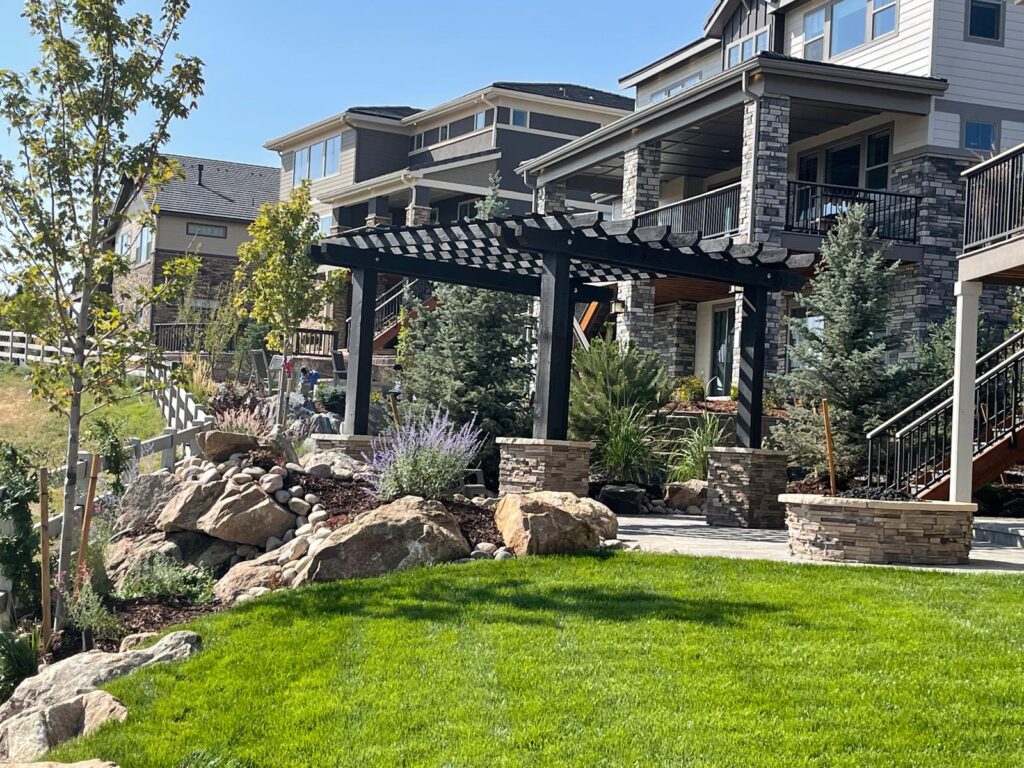
Bungalow-style front yards often highlight the Arts and Crafts aesthetic, which emphasizes natural materials, craftsmanship, and harmony with the surrounding environment. Hardscaping elements such as stone pathways, brick patios, and wooden fences or pergolas serve as the foundation of the yard, providing structure while complementing the home’s architectural details.
Planting in bungalow landscapes is usually informal yet deliberate, featuring native perennials, flowering shrubs, and low-maintenance greenery that blend naturally with the landscape. The combination of organic plantings and crafted stone or wood elements creates a balanced, inviting space that feels warm and approachable.
Additional features like built-in benches, decorative planters, or small water elements further enhance the Arts and Crafts character. This style celebrates simplicity, craftsmanship, and natural beauty, resulting in a front yard that is both functional and visually cohesive, perfectly reflecting the charm of a bungalow home.
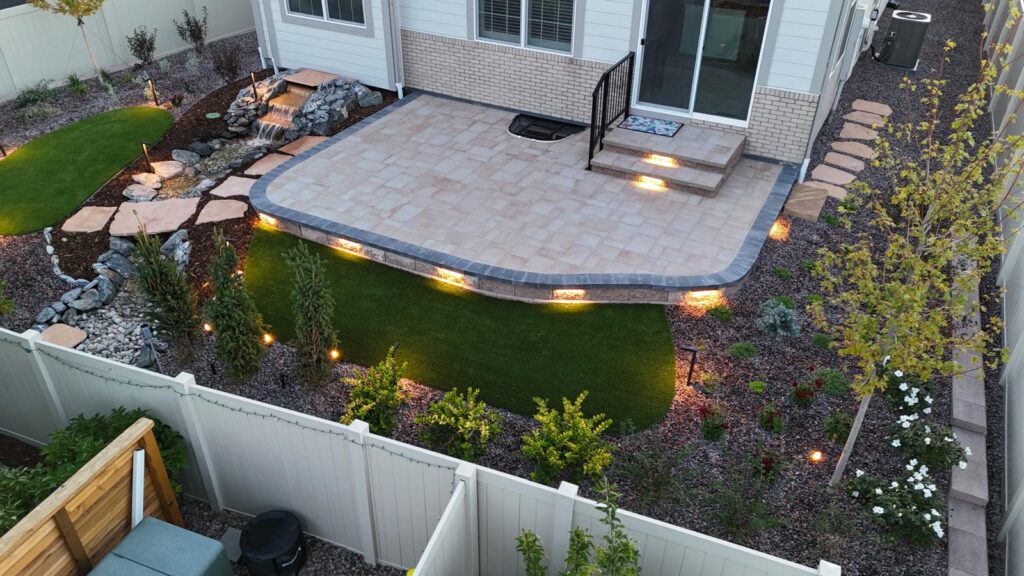
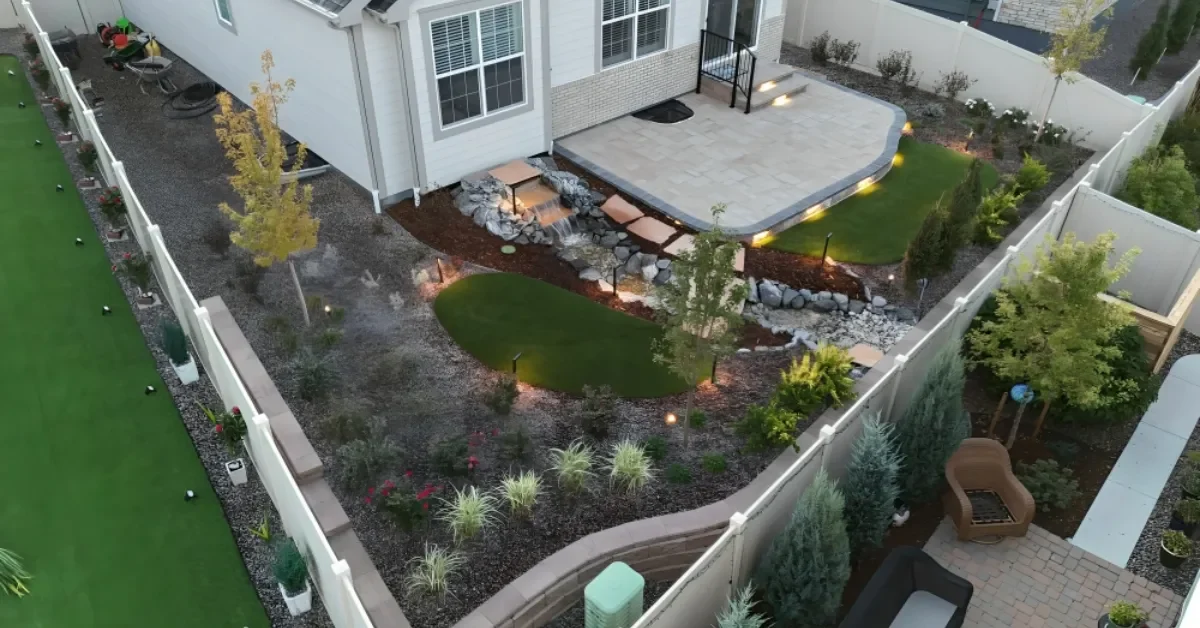
Contemporary front yard landscaping emphasizes clean lines, simplicity, and modern aesthetics, often complementing the architecture of a contemporary ranch or modern home. Curved garden beds are a popular feature, softening the sharp angles of the house while adding visual interest and flow to the landscape.
Plant selection in contemporary gardens is typically minimalist and well-planned, focusing on a few statement plants, ornamental grasses, or sculptural shrubs. Combining greenery with rocks, gravel, or mulch creates texture without cluttering the space.
Pathways and hardscape elements are usually sleek and unobtrusive, guiding visitors naturally while maintaining the yard’s open, airy feel. Accent lighting can highlight key plants or architectural features, enhancing curb appeal at night.
By blending curved planting beds, strategic plant choices, and modern hardscaping, a contemporary-style front yard feels cohesive, stylish, and easy to maintain, perfectly complementing the clean lines and understated elegance of a modern ranch home.
Planting a Mixed Sun and Shade Garden
Designing a mixed sun and shade garden requires careful planning to ensure that all plants thrive in their preferred light conditions. Start by assessing the sun exposure in different areas of your front yard. Identify spots that receive full sun, partial sun, or full shade throughout the day.
Choose plants based on their light requirements. Sun-loving plants like lavender, daylilies, and ornamental grasses thrive in bright areas, while shade-tolerant plants such as hostas, ferns, and astilbes flourish in lower-light zones. Combining these plants strategically creates contrast in texture, color, and height, adding visual interest to your garden.
Layering plants is important: place taller sun-loving plants at the back, medium-height shade-tolerant plants in transitional zones, and low-growing ground covers in front. This approach maintains balance and ensures each plant gets adequate light.
Finally, use mulch, proper soil preparation, and irrigation tailored to both sun and shade areas. A well-planned mixed sun and shade garden can thrive year-round while providing a vibrant, dynamic front yard display.
Color is one of the most powerful tools in garden design, capable of creating harmony, contrast, and focal points. Choosing the right color palette can elevate your front yard, while poor color choices can make it feel chaotic or unbalanced.
Start by selecting a primary color scheme that complements your home’s exterior. Using two or three main colors consistently throughout flower beds, shrubs, and accent plants helps create cohesion. Accent colors, such as bright blooms or foliage, can be used sparingly to draw attention to focal points like entryways or garden ornaments.
Consider seasonal changes to maintain interest year-round. Incorporating plants that bloom in different seasons ensures your garden has color even when some plants are dormant.
Finally, pay attention to color combinations and contrasts. Complementary colors like purple and yellow or contrasting textures can make features pop, while overly similar colors may blend and reduce visual impact. Thoughtful use of color ensures your garden is visually appealing, lively, and memorable.
A truly inviting garden appeals to more than just the eyesight engages all the senses. When designing your front yard, consider sight, smell, touch, sound, and even taste to create a rich, multi-dimensional experience.
Sight is influenced by plant colors, textures, and shapes. Mix tall, medium, and low-growing plants for depth, and use contrasting foliage or vibrant flowers to create focal points. Smell comes from fragrant blooms like lavender, roses, or jasmine, which can enhance the garden’s ambiance.
Touch can be incorporated through soft grasses, textured leaves, or smooth stones along pathways. Sound elements, such as rustling grasses, water features, or wind chimes, add movement and relaxation. For edible gardens, taste can come from herbs or small fruit plants that are functional as well as decorative.
By designing with your senses in mind, your garden becomes an immersive, enjoyable space that draws visitors in and makes your front yard more memorable and engaging.
Planning your front yard garden with a long-term perspective ensures it remains beautiful, functional, and manageable for years to come. Start by choosing plants that will grow well in your climate and soil conditions while considering their mature size and growth habits. Avoid overcrowding to reduce competition for nutrients, water, and sunlight.
Consider maintenance requirements when selecting plants. Low-maintenance perennials, drought-tolerant species, and native plants can save time and resources while keeping your garden healthy. Planning irrigation, mulch, and proper spacing early on helps prevent future problems and supports sustainable growth.
Think about seasonal interest as well. Incorporating a mix of plants that bloom at different times ensures your garden looks vibrant throughout the year. Hardscape elements like paths, edging, and lighting should also be designed to withstand long-term use and complement the evolving garden.
By thinking long-term, you create a front yard that matures gracefully, requires less constant intervention, and continues to enhance your home’s curb appeal over time.
The rule of 3 in landscaping is a design principle that groups plants or elements in odd numbers, usually three. This creates visual balance, natural flow, and a more appealing, organized look compared to even-numbered arrangements.
To landscape your front yard on a budget, prioritize essential features, use native or low-maintenance plants, repurpose existing materials, and do DIY tasks when possible. Phasing the project over time can also reduce upfront costs while achieving a beautiful design.
Planning a front yard landscape involves assessing the space, sunlight, and soil, defining your goals, sketching a layout, choosing suitable plants and hardscapes, and adding functional elements like pathways, lighting, and irrigation to enhance curb appeal and usability.
The average cost of landscaping a front yard ranges from $2,500 to $10,000. Costs depend on yard size, materials, plants, hardscaping, and labor, with simpler designs on the lower end and full-scale professional installations on the higher end.
Landscaping your front yard is a blend of art, functionality, and long-term planning. By considering factors such as sunlight, plant selection, hardscaping, and maintenance, you can create a space that is both visually appealing and practical. Thoughtful design whether incorporating structured pathways, cottage-style gardens, contemporary beds, or sensory elements enhances curb appeal while reflecting your personal style.
Prioritizing manageable plants, layering for depth, and planning for seasonal interest ensures your garden thrives year-round without becoming overwhelming. Using color strategically, guiding guests with clear pathways, and integrating hardscape elements thoughtfully can transform your front yard into a welcoming, cohesive space.
Ultimately, successful front yard landscaping balances aesthetics, practicality, and sustainability. With careful planning, attention to detail, and a long-term perspective, you can create a front yard that is beautiful, inviting, and easy to maintain, making a lasting impression on every guest who arrives at your home.
Fresh Ideas From our experts
What Your Neighbors Are Saying
"They are the best. We have a small backyard and needed it to reflect a relaxing and enjoyable space. Chris used our ideas and came up with the perfect design. Then Francisco came with the cost projections and worked to accommodate our budget. He and his team then used their considerable construction expertise to create a space that’s an extension of our home where we spend a lot of time. Thank you for creating such a welcoming space."
"I am new to Colorado and hired Chris and Francisco to design and implement a plan for my new build house. From design to finish and followup they were beyond my expectations. They are in constant contact throughout the project and their crew is very hardworking. They followup when the project is finished and are always available for whatever questions you may have. I would highly recommend them, and I get many complements on the work they have done for me."
"We were thrilled with the end result of our brick paver patio refurbishment. We hired Chris, Francisco and their team to fix our sinking brick paver patio. It had been installed by a different landscaper, and after only 2 years it was collapsing. Boo hiss! Ridgewell Landscape and Design came in and saved the day! They discovered the original installation was done incorrectly, and that’s why it was collapsing. Their team worked hard and got the project done quickly and professionally. We are thrilled with the look and finish of the job! Bravo!!"