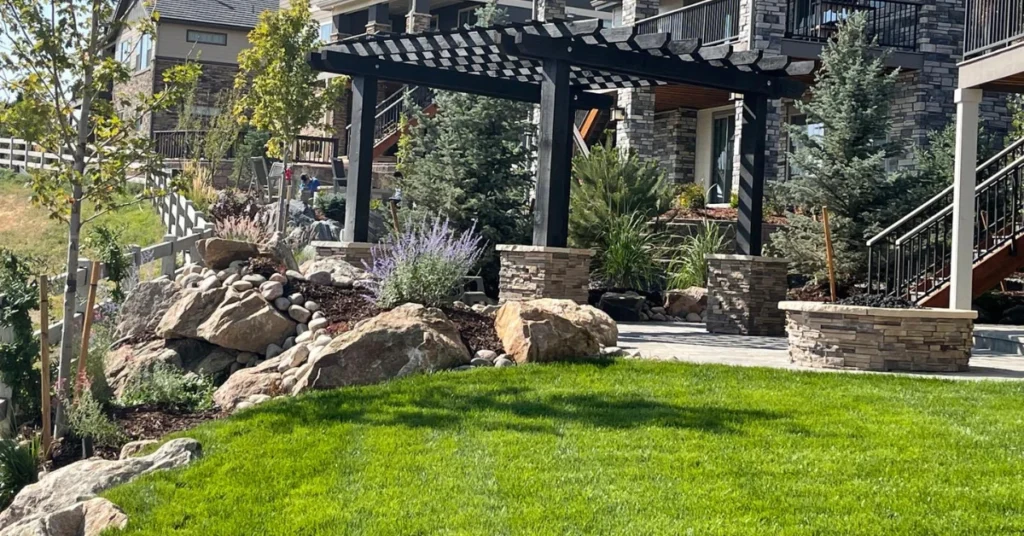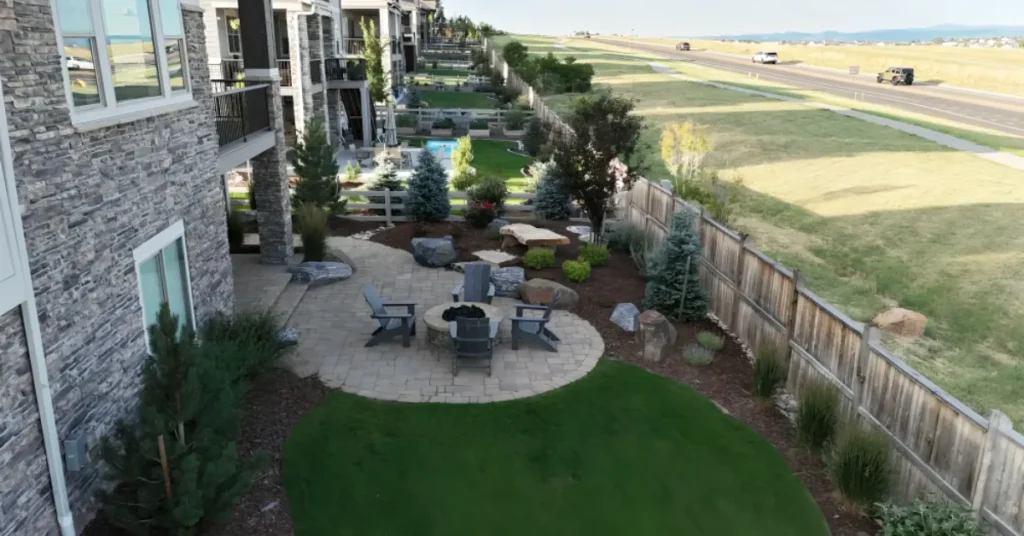
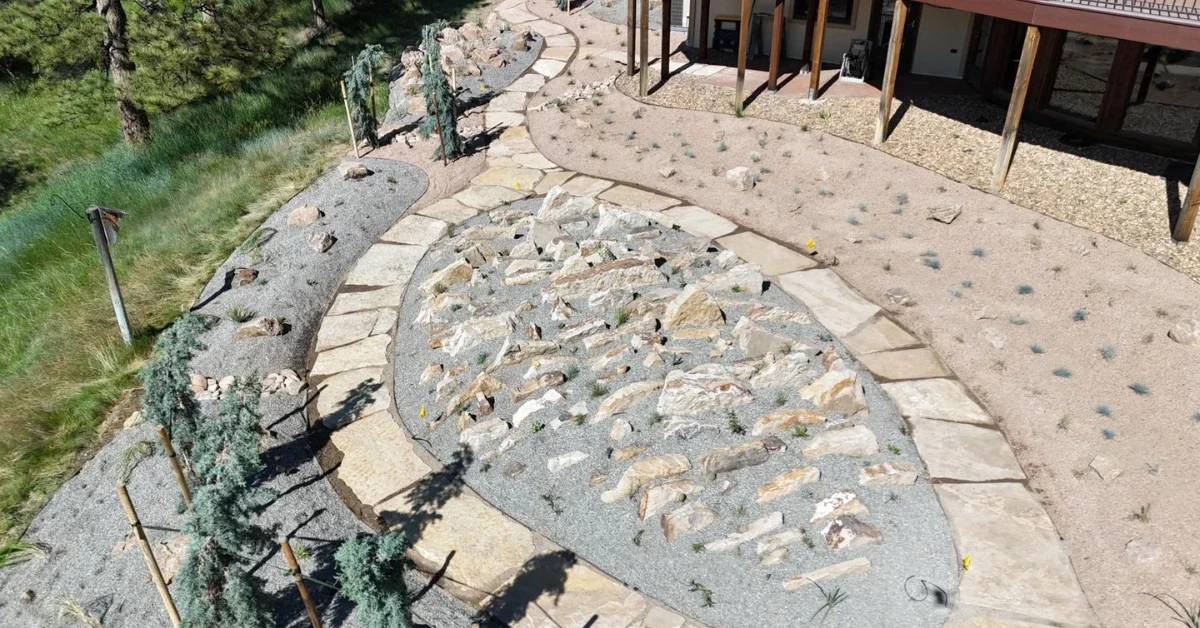
Hardscaping refers to the non-living elements of landscaping that provide structure, function, and visual appeal to outdoor spaces. Unlike plants and greenery, hardscape features include materials such as stone, brick, concrete, wood, metal, and gravel that shape the layout and usability of yards, gardens, and public areas.
Common hardscaping elements include patios, walkways, retaining walls, driveways, decks, pergolas, fences, and water features. These features create defined spaces, improve accessibility, and enhance the aesthetic appeal of a property.
Hardscaping works in tandem with softscaping (plants, flowers, shrubs, and trees) to create a cohesive landscape design. It not only provides functional benefits, such as preventing soil erosion, guiding foot traffic, or creating seating areas, but also adds texture, contrast, and a sense of permanence to outdoor spaces.
A thoughtfully designed hardscape elevates the overall landscape, offering both practicality and long-lasting beauty for residential and commercial properties.
Hardscaping refers to the structural, non-living elements of your yard that provide form and functionality. In real-life terms, this includes features like patios, walkways, retaining walls, decks, pergolas, and fences. These elements define spaces, create paths, prevent erosion, and serve as durable surfaces for outdoor living.
Landscaping, on the other hand, focuses on the living, softer side of your yard plants, trees, shrubs, lawns, and flowers that add color, texture, and life. Landscaping complements hardscaping by softening rigid structures, adding seasonal interest, and improving the visual and ecological appeal of your yard.
Balancing structural and living elements is key to creating a yard that is both beautiful and functional. Hardscape provides stability, defines zones, and reduces maintenance, while landscaping introduces natural textures, shade, and visual contrast. Together, they create a cohesive outdoor space that is comfortable, visually appealing, and practical for everyday use.
For example, a backyard might feature a stone patio surrounded by flowering beds and ornamental grasses, or a retaining wall terracing a slope with native shrubs and ground covers. In these setups, hardscaping and landscaping work in tandem: the hard elements provide structure and durability, while the plants bring life, color, and seasonal variety resulting in a yard that is both inviting and easy to maintain.
Planning a hardscape project requires a thoughtful, step-by-step approach to ensure both functionality and visual appeal. Start by assessing your property’s layout, slopes, and drainage needs. Identify high-traffic areas, natural slopes, and potential water runoff zones. Proper assessment helps prevent erosion, flooding, or uneven surfaces and informs the placement of patios, walkways, retaining walls, and other structures.
Next, consider budgeting carefully. Hardscape materials vary widely in cost and durability; natural stone, brick, concrete, and timber all have different price points and maintenance needs. Balance cost with aesthetics and longevity to select materials that fit your design vision without overspending.
Practical planning tips are essential. Begin by sketching layouts, measuring spaces accurately, and prioritizing the features most important to your yard. This ensures a cohesive design and prevents costly mistakes. Think about flow, accessibility, and how each element interacts with both existing and planned plantings.
Finally, decide whether to install hardscape or softscape first. In most cases, installing hardscape elements like patios, walls, or pathways first is ideal because they define spaces and provide a foundation for planting. Once structural features are in place, you can design surrounding softscape elements lawns, beds, and shrubs around them for maximum efficiency, aesthetic harmony, and long-term maintenance ease.
Creating a functional outdoor space means designing areas that are both practical and enjoyable. Start by defining how you want to use your yard, whether for entertaining, relaxing, dining, gardening, or playing. Understanding your lifestyle ensures that every element serves a purpose and enhances usability.
Outdoor living areas like patios, decks, and pergolas provide comfortable seating and dining spaces. Adding features such as fire pits, outdoor kitchens, or seating walls makes these areas inviting year-round. Walkways and pathways improve flow and connect different zones, while retaining walls or terraces can transform slopes into usable planting or seating areas.
Incorporate multi-functional hardscape and softscape elements. For example, raised planter beds can double as benches, and gravel areas can provide flexible play or gathering spaces. Thoughtful lighting and shade structures further enhance usability, allowing your outdoor space to be enjoyed morning, evening, and night.
By combining practical layouts, purposeful hardscape, and complementary landscaping, you can create a front or backyard that is not just beautiful but actively enhances your lifestyle. These functional spaces ensure you make the most of every square foot of your property.
Outdoor living areas transform your yard into an extension of your home, combining comfort, functionality, and style. Patios, seating areas, and fire pits can create cozy spots for entertaining guests or enjoying quiet evenings with family. Choosing durable, weather-resistant materials for hardscape surfaces ensures these spaces remain attractive and usable year-round.
Furniture placement is key to encouraging conversation and relaxation. Arrange seating in a way that allows for easy interaction, such as circular or U-shaped layouts around a fire pit or table. Leave enough space for foot traffic, and consider mixing lounge chairs, benches, and ottomans for variety and comfort.
Adding textural and visual elements, like outdoor rugs, planters, and lighting, enhances the sense of home while defining different zones. Thoughtfully designed outdoor living areas provide both practicality and aesthetic appeal, creating a welcoming environment that encourages you to spend more time outside.
Walkways and pathways are essential hardscape elements that guide visitors safely through your yard while enhancing its visual appeal. Thoughtfully designed paths prevent soil compaction, protect delicate plantings, and provide clear routes to entrances, patios, or garden features.
Choosing the right materials and patterns is key to complementing your overall landscape design. Natural stone, brick, pavers, or gravel can create different moods from rustic and organic to clean and modern while patterns like herringbone, staggered, or curved layouts add interest and flow.
Paths should also consider functionality and accessibility. Ensure surfaces are level, slip-resistant, and wide enough for comfortable use. Strategic lighting along pathways not only improves safety at night but also highlights plants and other landscape features, making your yard both beautiful and practical.
Well-planned walkways seamlessly connect spaces, protect plantings, and contribute to a cohesive, inviting outdoor environment.
Creating dedicated zones for cooking, dining, and entertaining transforms your yard into a fully usable outdoor living space. Outdoor kitchens, dining areas, and prep stations allow you to host meals, parties, and gatherings without constantly moving between indoor and outdoor spaces.
When planning these zones, consider layout and accessibility. Place prep areas close to cooking stations, ensure pathways connect seating areas naturally, and leave enough space for movement and serving. Lighting is crucial for evening use, while shade structures like pergolas, umbrellas, or retractable awnings provide comfort during hot days.
Selecting durable, weather-resistant materials for countertops, flooring, and furniture ensures longevity and reduces maintenance. Incorporating decorative elements such as planters, rugs, and accent lighting adds warmth and character.
By carefully designing functional zones, your outdoor space becomes not only visually appealing but also practical, comfortable, and ready for entertaining any time of the day or year.
Hardscaping isn’t just about aesthetics it also addresses practical challenges in your yard. Features like retaining walls, slope stabilization, and drainage solutions help manage uneven terrain, prevent erosion, and protect your landscape from water damage.
Retaining walls can level slopes, create usable planting or seating areas, and provide structural support for terraces. Properly designed drainage systems, such as French drains, swales, or gravel trenches, redirect water away from foundations and prevent flooding or pooling. Slope stabilization with rocks, mulch, or ground cover minimizes soil erosion and reduces long-term maintenance needs.
Incorporating these functional elements early in your design ensures your yard remains safe, durable, and low-maintenance. By solving real-world problems with hardshipscape solutions, you create a landscape that is both visually appealing and resilient, making everyday yard care easier and more efficient.
Selecting the right hardscape materials is essential for creating a yard that is both beautiful and long-lasting. Common options include natural stone, concrete pavers, wood, brick, and composite materials, each offering unique benefits, costs, and maintenance requirements. Natural stone provides a timeless look with exceptional durability but can be expensive, while concrete pavers are versatile and budget-friendly. Wood and composite materials offer warmth and texture, ideal for decks or pergolas, but require regular maintenance to prevent weathering. Brick adds classic charm and strength, making it suitable for patios and walkways.
Loose materials like gravel, crushed stone, or pebbles are excellent for pathways, garden beds, or decorative accents. They allow for drainage, are easy to install, and can reduce maintenance compared to solid surfaces.
Climate is a key consideration. For example, Texas heat favors heat-resistant materials like stone or concrete with light colors, Colorado snow requires frost-resistant pavers and proper drainage, and areas with seasonal freeze-thaw cycles benefit from materials that can withstand expansion without cracking.
For a visually engaging design, consider mixing materials thoughtfully pairing gravel with pavers, or wood with stone to create contrast and texture without compromising functionality. Choosing the right materials ensures your hardscape is stylish, durable, and suited to your local environment.
Planning a hardscape project requires careful thought to avoid costly mistakes that can affect both function and appearance. One common error is overcrowding or underutilizing spaces, which can lead to awkward layouts, blocked pathways, or unused areas. Proper spacing and thoughtful placement of features ensure the yard flows naturally and remains functional.
Another frequent mistake is ignoring proper drainage and slope. Without addressing water runoff or grading, patios, walkways, and retaining walls can suffer from erosion, pooling, or structural damage over time.
Choosing materials or designs that don’t align with your lifestyle or local climate is another pitfall. For example, delicate wood may not withstand harsh weather, while dark stone may become too hot in sunny climates. Similarly, overly ornate designs may not suit a family-oriented yard or heavy foot traffic.
Finally, skipping maintenance planning can shorten the lifespan of hardscape features. Understanding how often surfaces need cleaning, sealing, or repair ensures longevity and usability.
Learning from real-world examples such as patios that flood due to poor grading or walkways that crack from freeze-thaw cycles highlights the importance of planning for functionality, durability, and aesthetics. Avoiding these mistakes helps create a hardscape that is both practical and visually appealing for years to come.
Experts emphasize that a successful hardscape combines functionality, aesthetics, and durability. One key tip is to integrate hardscape and landscaping seamlessly. Align plantings with pathways, patios, and retaining walls to create a cohesive, balanced look that enhances curb appeal and usability.
Proper maintenance strategies extend the lifespan of hardscape elements. Regular cleaning, sealing stone or concrete surfaces, and seasonal inspections prevent damage from weather, erosion, or wear. Simple seasonal tasks like clearing debris, checking drainage, and treating wood or composite surfaces help maintain both beauty and functionality over time.
When working with contractors, clear communication is essential. Provide detailed layouts, specify materials, and request accurate quotes to avoid surprises. Professionals often see homeowners underestimate costs or overlook installation complexities, so asking questions and confirming timelines ensures a smoother process.
Pay attention to common mistakes, such as uneven grading, improper material selection, or insufficient spacing. Small adjustments, like adding edging, optimizing furniture placement, or refining lighting, can significantly improve both usability and visual appeal.
By following these expert tips, homeowners can enjoy a long-lasting, attractive, and functional hardscape that complements their landscape while standing up to the test of time and daily use.
Adding thoughtful, small details can transform a hardscape from functional to personal and inviting. Lighting is a simple yet impactful addition pathway lights, uplighting on plants, or string lights extend usability into the evening while highlighting design features.
Incorporate textures, colors, and patterns through materials, furniture, and plantings to express personality without cluttering the space. Contrasting stone, wood, or gravel textures can define areas, while colorful planters or accent furniture add visual interest.
Eco-friendly choices, such as drought-tolerant plants, permeable pavers, and recycled materials, support sustainability and reduce maintenance. These small decisions align your outdoor space with modern environmental practices while enhancing beauty and function.
Consider quick hacks to improve comfort and flow: strategically placed benches, shade structures, or low-maintenance ground covers can make areas more accessible and enjoyable. Finishing touches like decorative planters, sculptural elements, or coordinated cushions make the space feel cohesive, inviting, and uniquely yours.
By layering these thoughtful details, you create an outdoor environment that is both functional and reflective of your personal style, elevating your hardscape into a space you’ll truly enjoy year-round.
Yes, a deck is considered hardscaping because it is a built, non-living feature of your yard. Hardscaping includes patios, walkways, retaining walls, and other constructed elements that enhance the functionality and visual appeal of outdoor spaces.
Yes, hardscapes can increase home value by adding functional outdoor living areas, improving curb appeal, and enhancing overall landscape design. Features like patios, fire pits, and retaining walls make properties more attractive to potential buyers.
Yes, many landscapers provide hardscaping services. They design and install patios, walkways, retaining walls, decks, and other structural elements, often integrating them with plantings and irrigation to create cohesive and functional outdoor spaces.
Drawbacks of hardscaping include higher installation costs, reduced natural drainage, and less flexibility for future changes. Poorly planned hardscapes can lead to water pooling, maintenance challenges, and a less natural feel if not balanced with plants and softscaping.
Hardscaping is more than just building patios, walkways, or retaining walls; it’s about creating a cohesive, functional, and visually appealing outdoor space. By thoughtfully integrating hardscape with landscaping, considering materials, climate, and layout, and planning for long-term maintenance, homeowners can design yards that are both beautiful and practical.
Careful planning ensures that each element from paths and patios to plantings and lighting works together to maximize usability, safety, and aesthetic appeal. Small personal touches, like accent lighting, textured materials, or unique focal points, elevate the space and reflect your style while enhancing comfort and functionality.
Ultimately, a well-planned hardscape offers lasting value, sustainability, and enjoyment. By investing time in design, material selection, and maintenance strategies, you can create an outdoor environment that not only enhances your home’s curb appeal but also becomes a space you and your family will truly love and use for years to come.
Fresh Ideas From our experts
What Your Neighbors Are Saying
"They are the best. We have a small backyard and needed it to reflect a relaxing and enjoyable space. Chris used our ideas and came up with the perfect design. Then Francisco came with the cost projections and worked to accommodate our budget. He and his team then used their considerable construction expertise to create a space that’s an extension of our home where we spend a lot of time. Thank you for creating such a welcoming space."
"I am new to Colorado and hired Chris and Francisco to design and implement a plan for my new build house. From design to finish and followup they were beyond my expectations. They are in constant contact throughout the project and their crew is very hardworking. They followup when the project is finished and are always available for whatever questions you may have. I would highly recommend them, and I get many complements on the work they have done for me."
"We were thrilled with the end result of our brick paver patio refurbishment. We hired Chris, Francisco and their team to fix our sinking brick paver patio. It had been installed by a different landscaper, and after only 2 years it was collapsing. Boo hiss! Ridgewell Landscape and Design came in and saved the day! They discovered the original installation was done incorrectly, and that’s why it was collapsing. Their team worked hard and got the project done quickly and professionally. We are thrilled with the look and finish of the job! Bravo!!"