Landscape architecture is a professional field focused on the planning, design, and management of outdoor spaces to create environments that are both functional and aesthetically pleasing.
It combines elements of art, science, and engineering to shape natural and built environments, integrating plants, hardscapes, water features, and other design elements in a cohesive manner. Landscape architects aim to enhance the quality of life, promote sustainability, and address environmental challenges through thoughtful design.
This discipline goes beyond simple gardening or landscaping; it involves site analysis, urban planning, ecological restoration, stormwater management, and sustainable land use. Landscape architects work on a wide range of projects, including public parks, residential developments, commercial properties, green infrastructure, and urban spaces.
In Colorado, landscape architecture must consider unique factors such as soil types, water availability, elevation, and climate variability. By balancing functionality, beauty, and environmental responsibility, landscape architecture transforms outdoor areas into sustainable, resilient, and enjoyable spaces for communities and individuals alike.
Landscape architecture plays a crucial role in shaping environments that are both functional and visually appealing. It goes beyond beautifying spaces; it enhances the quality of life by creating outdoor areas that promote relaxation, recreation, and social interaction.
Thoughtful landscape design can improve property value, encourage sustainable land use, and support environmental stewardship through efficient water management, erosion control, and habitat preservation.
In urban and suburban areas, landscape architecture helps manage stormwater, reduce heat islands, and improve air quality, contributing to healthier and more livable communities. In Colorado, landscape architects must account for local climate, soil conditions, and elevation, ensuring that plants, irrigation systems, and hardscape features thrive despite seasonal challenges.
By integrating aesthetics, ecology, and functionality, landscape architecture transforms ordinary outdoor spaces into resilient and engaging environments. Its importance lies not only in visual appeal but also in creating sustainable, accessible, and practical spaces that benefit both people and the environment for years to come.
A degree in landscape architecture opens the door to a wide range of career opportunities in both the public and private sectors. Graduates can work as licensed landscape architects, designing residential, commercial, and public spaces that are functional, sustainable, and visually appealing. They may specialize in areas such as urban planning, environmental restoration, or sustainable landscape design.
Other career paths include landscape designers, who focus on smaller-scale projects and residential landscapes, and landscape project managers, overseeing construction, budgeting, and coordination with contractors and clients. Graduates can also pursue roles in municipal planning departments, contributing to public parks, streetscapes, and green infrastructure projects.
Additionally, a landscape architecture degree can lead to opportunities in environmental consulting, horticulture, or education, as well as specialized fields like stormwater management, ecological restoration, or green roof design.
In Colorado, where climate and terrain present unique challenges, landscape architects are in demand for projects that require sustainable, resilient, and innovative outdoor solutions. The degree equips graduates with versatile skills for diverse and rewarding careers.
Education in landscape architecture provides the foundation for a career in designing and managing outdoor spaces that are functional, sustainable, and visually appealing. Most aspiring landscape architects begin with a bachelor’s degree in landscape architecture (BLA) from a program accredited by the Landscape Architecture Accreditation Board (LAAB).
Coursework typically includes design principles, site analysis, horticulture, environmental planning, and technical skills like CAD, 3D modeling, and GIS mapping.
For those seeking advanced expertise or leadership roles, a master’s degree in landscape architecture (MLA) is also an option. Graduate programs often focus on sustainable design, urban planning, ecological restoration, and complex project management, providing students with the tools to handle large-scale or specialized projects.
Hands-on experience through studio work, internships, and field projects is a critical component of education, helping students apply theoretical knowledge to real-world challenges. In Colorado, education emphasizes regional factors such as soil types, climate, elevation, and water management, preparing future landscape architects to create resilient and environmentally responsible outdoor spaces.
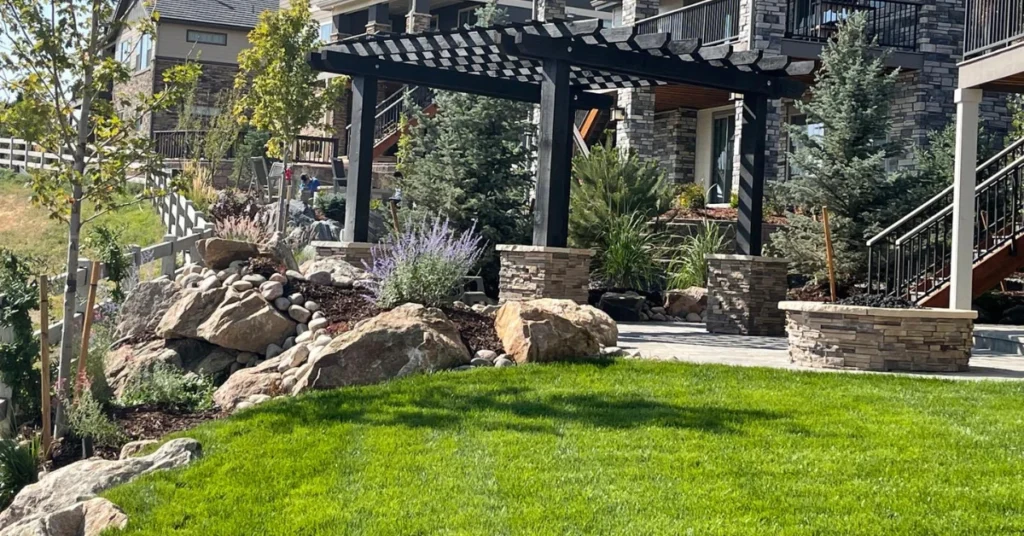
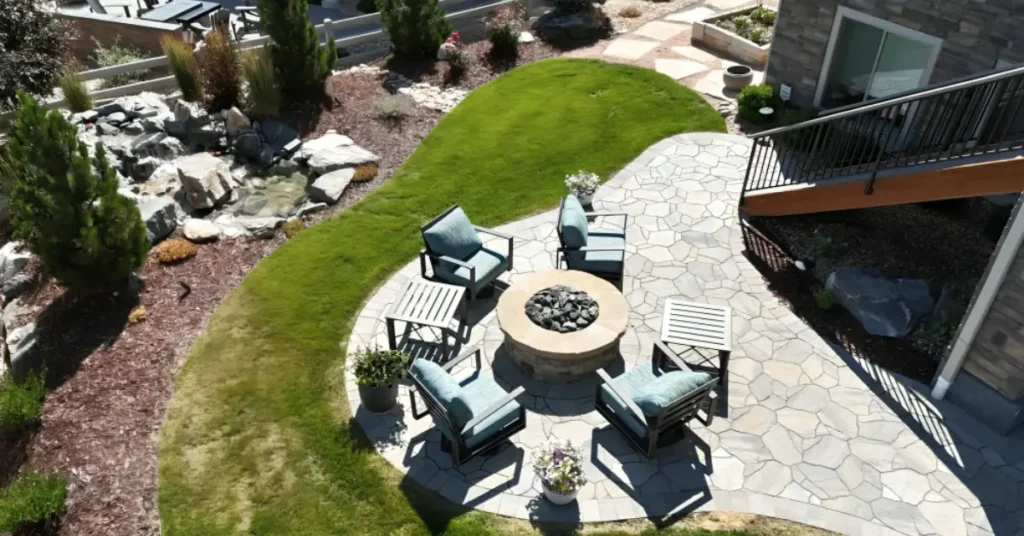
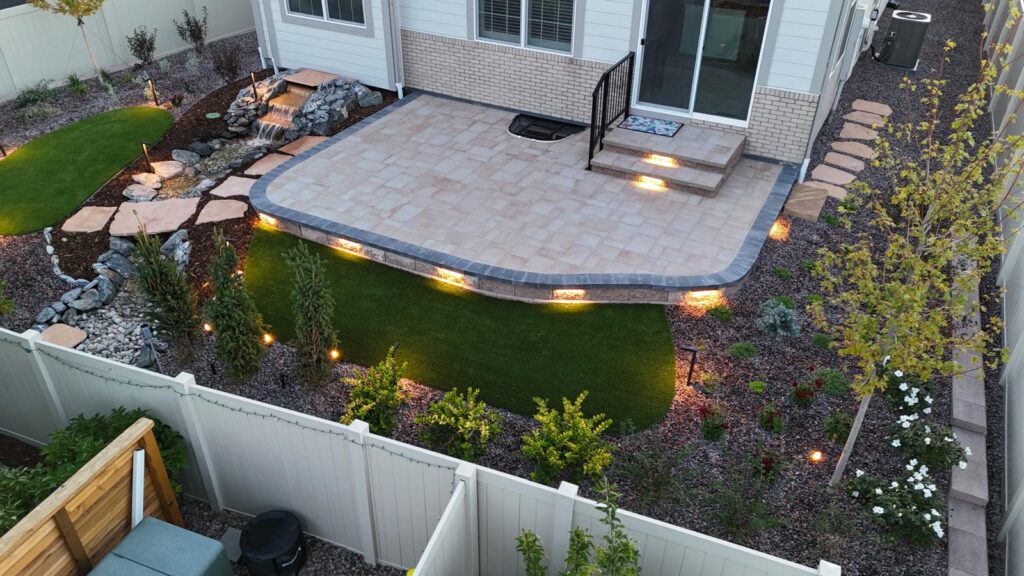
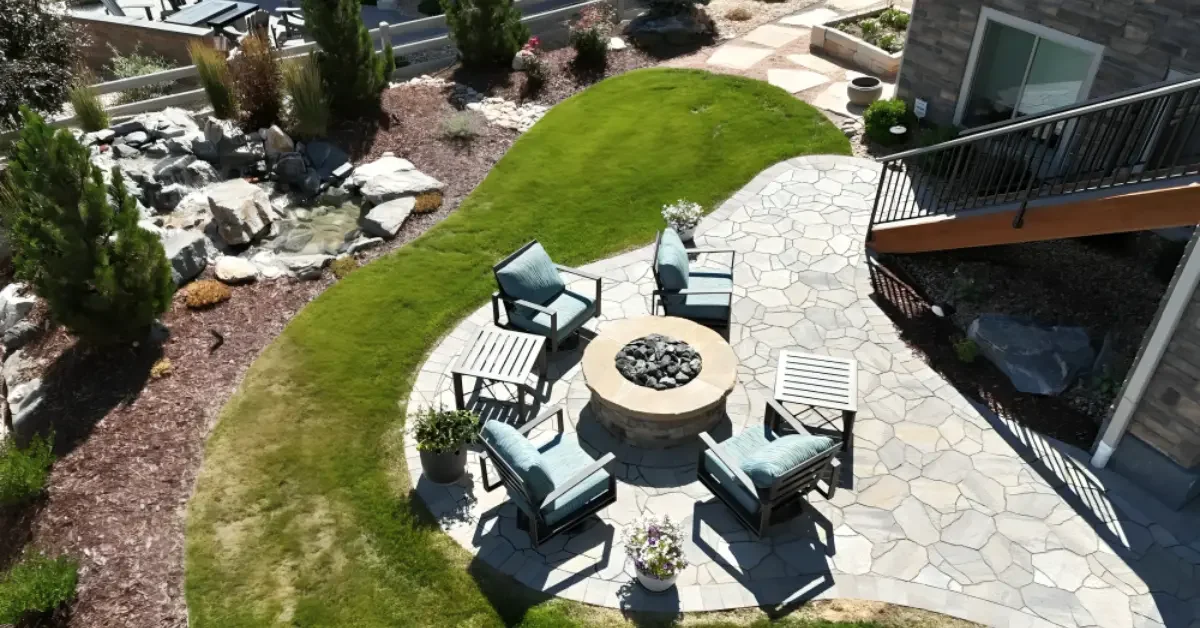
Landscape architects work on a wide variety of projects, ranging from residential gardens to large-scale urban developments. Their goal is to create functional, sustainable, and visually appealing outdoor spaces that meet the needs of clients and communities. Residential projects may include designing backyards, patios, walkways, water features, and plant layouts to enhance beauty and usability.
Commercial projects often involve planning office campuses, shopping centers, or resorts, integrating hardscape elements, green spaces, and efficient traffic and drainage systems. Public projects, such as parks, playgrounds, streetscapes, and plazas, focus on accessibility, environmental sustainability, and community enjoyment.
Specialized projects may include ecological restoration, stormwater management, green roofs, and sustainable urban planning. In Colorado, landscape architects also consider unique factors such as elevation, soil conditions, climate variability, and water efficiency when designing projects.
Overall, landscape architects combine creativity, technical expertise, and environmental knowledge to transform outdoor spaces into practical, sustainable, and visually engaging environments across a variety of project types.
There are several major professional institutes and associations that support landscape architects through advocacy, education, networking, and professional development. One of the most well‑known in the United States is the American Society of Landscape Architects (ASLA), founded in 1899 and representing tens of thousands of landscape architects nationwide.
ASLA promotes sustainable design, professional standards, and public awareness of the field while offering resources, conferences, and awards for practitioners and students alike. (ASLA)
At the global level, the International Federation of Landscape Architects (IFLA) serves as the worldwide voice of the profession, uniting over 80 national member associations across regions such as the Americas, Europe, Asia‑Pacific, Africa, and the Middle East.
IFLA fosters international collaboration, knowledge exchange, and advocacy for landscape architecture’s role in shaping sustainable and resilient environments.
These and other professional bodies help set educational standards, support licensure discussions, and provide platforms for landscape architects to grow professionally and contribute to the broader field.
Becoming a landscape architect typically takes 5 to 7 years, including earning a bachelor’s or master’s degree in landscape architecture and completing required internships or work experience. Licensure exams are also necessary to practice professionally in most regions.
Yes, landscape architects are in growing demand due to urban development, sustainable design needs, and green infrastructure projects. Skilled professionals who specialize in environmental planning, urban design, or sustainable landscapes are particularly sought after in both public and private sectors.
Qualifications include a bachelor’s or master’s degree in landscape architecture from an accredited program, relevant internships or work experience, and passing the Landscape Architect Registration Examination (LARE) or equivalent licensing exams in your country or state.
No, becoming a licensed landscape architect without a degree is generally not possible. Education is mandatory for licensure, though working as a landscape technician or designer without a degree is an alternative path in the field.
Landscape architecture is a dynamic and impactful profession that blends creativity, technical expertise, and environmental stewardship to shape outdoor spaces.
From residential gardens and commercial landscapes to public parks and ecological restoration projects, landscape architects design functional, sustainable, and visually appealing environments that enhance communities and improve quality of life.
Education, hands-on training, and professional certification are essential for success in this field. A combination of technical skills, creativity, and knowledge of local climate, soil, and water conditions ensures that designs are both practical and resilient.
In Colorado, where unique environmental factors influence every project, licensed landscape architects play a critical role in delivering sustainable solutions that stand the test of time.
Professional institutes like the American Society of Landscape Architects (ASLA) and the International Federation of Landscape Architects (IFLA) support career growth, continuing education, and best practices.
Understanding the scope, responsibilities, and opportunities in landscape architecture highlights the value of hiring qualified professionals to create beautiful, functional, and enduring outdoor spaces.
Fresh Ideas From our experts
What Your Neighbors Are Saying
"They are the best. We have a small backyard and needed it to reflect a relaxing and enjoyable space. Chris used our ideas and came up with the perfect design. Then Francisco came with the cost projections and worked to accommodate our budget. He and his team then used their considerable construction expertise to create a space that’s an extension of our home where we spend a lot of time. Thank you for creating such a welcoming space."
"I am new to Colorado and hired Chris and Francisco to design and implement a plan for my new build house. From design to finish and followup they were beyond my expectations. They are in constant contact throughout the project and their crew is very hardworking. They followup when the project is finished and are always available for whatever questions you may have. I would highly recommend them, and I get many complements on the work they have done for me."
"We were thrilled with the end result of our brick paver patio refurbishment. We hired Chris, Francisco and their team to fix our sinking brick paver patio. It had been installed by a different landscaper, and after only 2 years it was collapsing. Boo hiss! Ridgewell Landscape and Design came in and saved the day! They discovered the original installation was done incorrectly, and that’s why it was collapsing. Their team worked hard and got the project done quickly and professionally. We are thrilled with the look and finish of the job! Bravo!!"