- Get A Free Consultation.
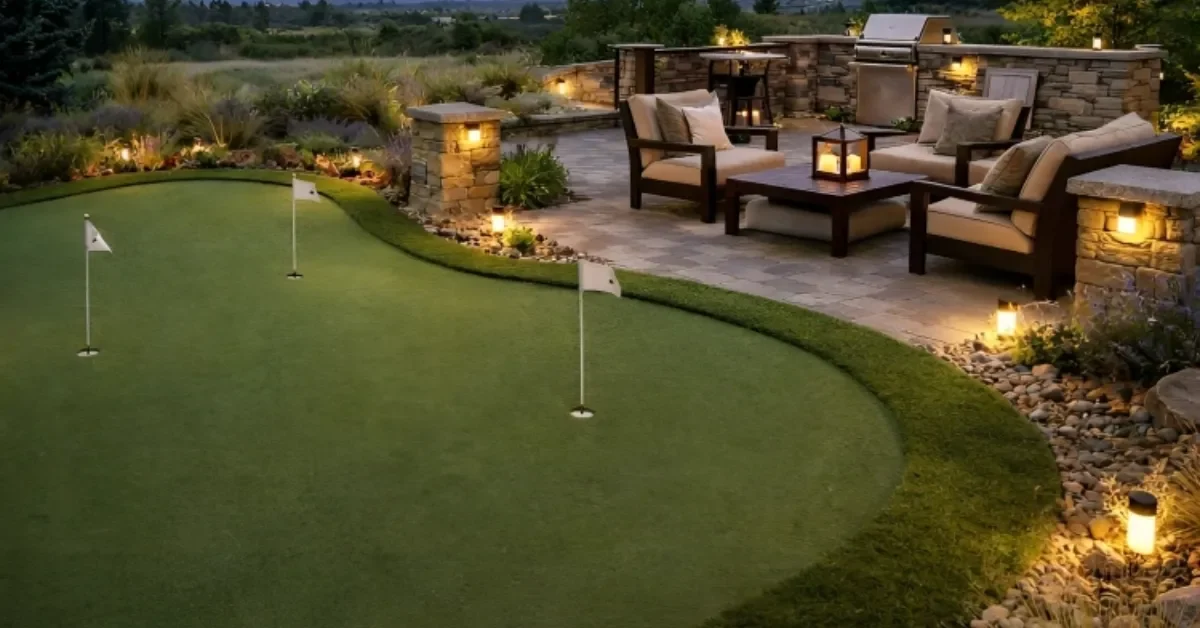
Building a paver patio is one of the most effective ways to transform your outdoor space into a functional and inviting area for relaxation, dining, and entertaining. Unlike poured concrete, pavers offer flexibility, durability, and a wide range of design options, making them ideal for homeowners who want both style and long-term performance.
Whether you’re creating a small seating area or a large backyard retreat, a well-built paver patio adds structure, improves usability, and enhances overall property value.
The process involves more than simply laying stones. Proper planning, excavation, base preparation, and drainage are essential to ensure the patio remains level and stable over time.
In climates like Denver, where freeze-thaw cycles and shifting soil are common, these steps become even more critical. Choosing high-quality materials and installing them correctly helps prevent issues like uneven surfaces, water pooling, or premature wear.
A successful paver patio starts with a well-thought-out plan, not just an attractive design. While choosing patterns, colors, and shapes is important, the foundation of a long-lasting patio lies in how well the project is planned from the ground up.
This includes evaluating the purpose of the space, measuring the area accurately, and understanding how the patio will connect with the rest of your outdoor layout. Whether it’s for entertaining, dining, or relaxing, defining its use helps guide size, shape, and placement decisions.
Site conditions also play a critical role. Factors like soil type, slope, drainage, and sun exposure must be considered before any installation begins. In areas like Denver, freeze-thaw cycles and shifting ground can cause poorly planned patios to crack or become uneven over time. Proper grading and drainage solutions prevent water buildup and ensure long-term stability.
A smart plan also accounts for materials, base depth, and edge restraints, all of which impact durability and maintenance. Skipping these details often leads to costly repairs later.
Before laying a single paver, it’s essential to understand the ground conditions where your patio will be built. The stability and longevity of your patio depend heavily on what lies beneath the surface.
Soil type, moisture levels, and natural slope all influence how well your patio holds up over time. For example, clay-heavy soils—common in parts of Colorado—tend to expand and contract with moisture and temperature changes, which can lead to shifting or uneven pavers if not properly addressed.
Drainage is another critical factor. Without proper water management, rain or melting snow can collect beneath the patio, weakening the base and causing sinking or movement. Grading the area correctly ensures water flows away from your home and patio surface, protecting both the structure and surrounding landscape.
Excavation depth must also be tailored to ground conditions and climate. In regions like Denver, where freeze-thaw cycles are frequent, a deeper and well-compacted base is necessary to prevent frost heave. Skipping or underestimating this step is one of the most common causes of patio failure.
Choosing the right materials for a paver patio goes beyond appearance—it directly impacts durability, maintenance, and long-term performance. While many options may look appealing at first, not all are built to withstand changing weather conditions, heavy foot traffic, and time.
High-quality concrete pavers are a popular choice because they offer consistency, strength, and flexibility, allowing them to handle ground movement better than poured concrete. Natural stone, such as flagstone or bluestone, provides a premium, timeless look with excellent durability, though it often comes at a higher cost.
Material performance becomes even more important in climates like Denver, where freeze-thaw cycles can cause expansion and contraction. Lower-quality pavers or improperly treated materials may crack, fade, or shift under these conditions. Brick pavers offer a classic aesthetic but may require more maintenance to prevent wear and color fading over time.
It’s also important to consider surface texture and safety. Slip-resistant finishes are ideal for patios exposed to rain or snow, ensuring the space remains usable year-round. Investing in durable materials from the start reduces repair costs and preserves the patio’s appearance.
Even experienced DIYers and homeowners can make subtle mistakes when building a paver patio that are rarely mentioned in general guides. One common error is neglecting proper slope and drainage. A patio that appears level may still direct water toward the house or create puddles, leading to erosion, settling, or damage to both hardscape and surrounding landscaping. Proper grading and drainage planning are critical to prevent these long-term issues.
Another overlooked mistake is underestimating the importance of base preparation. Skipping layers, using insufficient gravel, or failing to compact the base can result in uneven surfaces, sinking pavers, or cracking over time. In climates like Denver, where freeze-thaw cycles are frequent, these oversights can quickly compromise the integrity of the patio.
Edge restraint installation is another detail that’s often ignored. Without secure edging, pavers can shift or spread, especially under heavy use or during seasonal temperature changes. Similarly, improper joint sand application—using regular sand instead of polymeric sand—can allow weeds, ants, and water to infiltrate, reducing durability.
Our Professionals anticipate such hidden challenges, addressing slope, base, and locking systems during installation. By focusing on these subtle yet crucial steps, homeowners can enjoy a paver patio that remains level, durable, and visually appealing for years, avoiding costly repairs and frustration.
One of the most common mistakes when building a paver patio is underestimating the importance of base thickness and proper drainage. A thin or poorly compacted base can cause pavers to shift, settle unevenly, or crack over time, especially under heavy foot traffic or outdoor furniture. Similarly, ignoring slope and drainage can lead to water pooling, which erodes the base and damages surrounding landscaping. In climates like Denver, freeze-thaw cycles make these errors even more damaging, as expanding water can lift or displace poorly supported pavers. Ensuring the correct base depth, using high-quality gravel, and planning proper grading are critical to a patio that remains stable and level for years.
Many DIY guides skip essential steps such as compacting each layer, installing edge restraints, and filling joints with polymeric sand. While these details may seem minor, neglecting them often results in pavers that shift, weeds that grow between joints, or surfaces that become uneven and unsafe. Long-term, these mistakes can lead to expensive repairs or a complete redo.
Your patio’s longevity and performance are closely tied to local weather and seasonal conditions. In regions like Denver, seasonal temperature swings, snow, and freeze-thaw cycles can create challenges for paver patios.
When water seeps into the base or joints and freezes, it expands, potentially shifting or cracking pavers if the foundation and materials aren’t prepared for these conditions. Similarly, heavy rains can erode an inadequately compacted base, leading to uneven surfaces and long-term maintenance issues.
Sun exposure and temperature extremes also affect material selection. Concrete and stone can expand, contract, or fade over time if not properly sealed, while softer materials may chip or wear faster under harsh weather conditions. Planning for these factors during design and installation is critical for durability.
Proper slope, drainage, and a well-compacted base help manage water flow, prevent settling, and ensure a level surface year-round. Seasonal maintenance further protects your patio. Removing snow carefully, avoiding harsh de-icing chemicals, and periodically checking for joint sand erosion can extend the life of your patio.
Regular maintenance is essential to keep a paver patio looking fresh and functioning properly for years. The first step is routine cleaning. Sweeping away debris like leaves, dirt, and sand prevents stains and reduces the chance of weeds growing between joints. Occasional washing with a garden hose or mild detergent removes grime and restores the natural color of pavers.
Sealing your patio provides an additional layer of protection. Sealants help prevent water penetration, fading from UV exposure, and staining from spills or plant debris. In climates like Denver, where snow and freeze-thaw cycles are common, sealing also protects against moisture infiltration that could weaken the base or cause shifting pavers. Reapply sealant every few years based on manufacturer recommendations and environmental wear.
Joint maintenance is equally important. Check periodically for erosion of joint sand and refill with polymeric sand when necessary. This prevents weed growth, deters ants, and locks pavers in place for long-term stability. Addressing minor repairs, such as leveling slightly shifted pavers or replacing damaged units early, prevents larger, more costly problems later.
Understanding the true cost of a paver patio is crucial to planning a project that balances quality, aesthetics, and long-term durability. Several factors influence the overall budget, starting with materials.
Concrete pavers, natural stone, or brick vary widely in price depending on quality, thickness, and design options. Premium stones or custom patterns can increase costs, but they often provide better longevity and visual impact.
Labor is another significant component. Proper installation—including excavation, base preparation, edge restraints, and joint filling—requires skilled workmanship to prevent shifting, settling, or drainage problems. Attempting to cut labor costs by skipping steps or hiring inexperienced workers often leads to expensive repairs down the road.
Site conditions also affect pricing. Sloped areas, rocky soils, or sites requiring extensive grading or drainage solutions may add to the cost. Additional features such as seating walls, fire pits, or integrated lighting further influence the budget.
Planning ahead can help homeowners make informed choices without sacrificing quality. Breaking the project into phases, comparing material options, and consulting our professionals to ensures a realistic budget tailored to your property and desired patio features.
By understanding the full cost and investing wisely upfront, homeowners achieve a durable, attractive patio that adds value and enjoyment for years to come.
While some homeowners enjoy tackling small projects themselves, building a paver patio involves technical steps that can be challenging without experience. Calling in professionals is recommended when the project requires precise grading, complex patterns, or climate-specific considerations.
In regions like Denver and Texas, freeze-thaw cycles, heavy rainfall, and soil variability make proper installation crucial to avoid long-term issues such as shifting, uneven surfaces, or water damage.
Large-scale patios, intricate designs, or integrated features like retaining walls, outdoor kitchens, or fire pits benefit from professional expertise. These projects require specialized tools, accurate measurements, and knowledge of material behavior under seasonal changes. DIY shortcuts in any of these areas can lead to costly repairs or even the need to redo the entire patio.
Professionals also streamline the process by managing permits, drainage solutions, base preparation, and proper material selection. Hiring experts not only saves time and effort but also provides peace of mind that the patio will remain stable, safe, and beautiful for years. By knowing when to hire professionals, homeowners protect their investment and enjoy a patio that performs reliably under local climate conditions.
To prepare ground for pavers, start by clearing vegetation and debris, then excavate the area to the proper depth. Add a layer of compacted gravel or crushed stone for drainage, followed by a sand bedding layer to create a stable, level base for the pavers.
Laying pavers is usually more expensive than pouring a basic cement slab due to labor and material costs, but pavers offer better aesthetics, flexibility, and easier repairs. Concrete is cheaper for large, flat surfaces but less visually appealing.
No, laying pavers directly on soil is not recommended. Without a proper base of gravel and sand, pavers can shift, sink, or develop uneven surfaces over time, leading to poor drainage and structural issues.
Common mistakes include skipping the gravel base, not compacting soil, uneven sand bedding, improper slope for drainage, and failing to edge the pavers. These errors can cause sinking, shifting, water pooling, and reduced durability.
Without gravel under pavers, water may pool, soil can settle unevenly, and the pavers are likely to shift or sink. Gravel provides drainage, stability, and long-term durability, preventing costly repairs and an uneven surface.
Building a paver patio is more than just placing stones on the ground—it’s about creating a functional, durable, and visually appealing outdoor space that complements your home and lifestyle. Success depends on careful planning, proper base preparation, quality materials, and attention to climate-specific factors like freeze-thaw cycles, drainage, and soil type. Skipping these steps or cutting corners can lead to uneven surfaces, shifting pavers, and costly repairs.
Homeowners who invest in professional guidance benefit from expertise in design, material selection, and installation. Our Experts ensure that every layer—from excavation to joint stabilization—is executed correctly, resulting in a patio that remains level, durable, and low-maintenance for years. They also help navigate local conditions in Texas and Colorado, selecting materials and techniques suited to regional climate challenges.
Ultimately, a thoughtfully designed and professionally installed paver patio enhances both property value and outdoor living enjoyment. By prioritizing planning, quality, and expertise, homeowners can create an inviting space for entertaining, relaxing, and making memories that lasts for decades.
Fresh Ideas From our experts
What Your Neighbors Are Saying
"They are the best. We have a small backyard and needed it to reflect a relaxing and enjoyable space. Chris used our ideas and came up with the perfect design. Then Francisco came with the cost projections and worked to accommodate our budget. He and his team then used their considerable construction expertise to create a space that’s an extension of our home where we spend a lot of time. Thank you for creating such a welcoming space."
"I am new to Colorado and hired Chris and Francisco to design and implement a plan for my new build house. From design to finish and followup they were beyond my expectations. They are in constant contact throughout the project and their crew is very hardworking. They followup when the project is finished and are always available for whatever questions you may have. I would highly recommend them, and I get many complements on the work they have done for me."
"We were thrilled with the end result of our brick paver patio refurbishment. We hired Chris, Francisco and their team to fix our sinking brick paver patio. It had been installed by a different landscaper, and after only 2 years it was collapsing. Boo hiss! Ridgewell Landscape and Design came in and saved the day! They discovered the original installation was done incorrectly, and that’s why it was collapsing. Their team worked hard and got the project done quickly and professionally. We are thrilled with the look and finish of the job! Bravo!!"