- Get A Free Consultation.
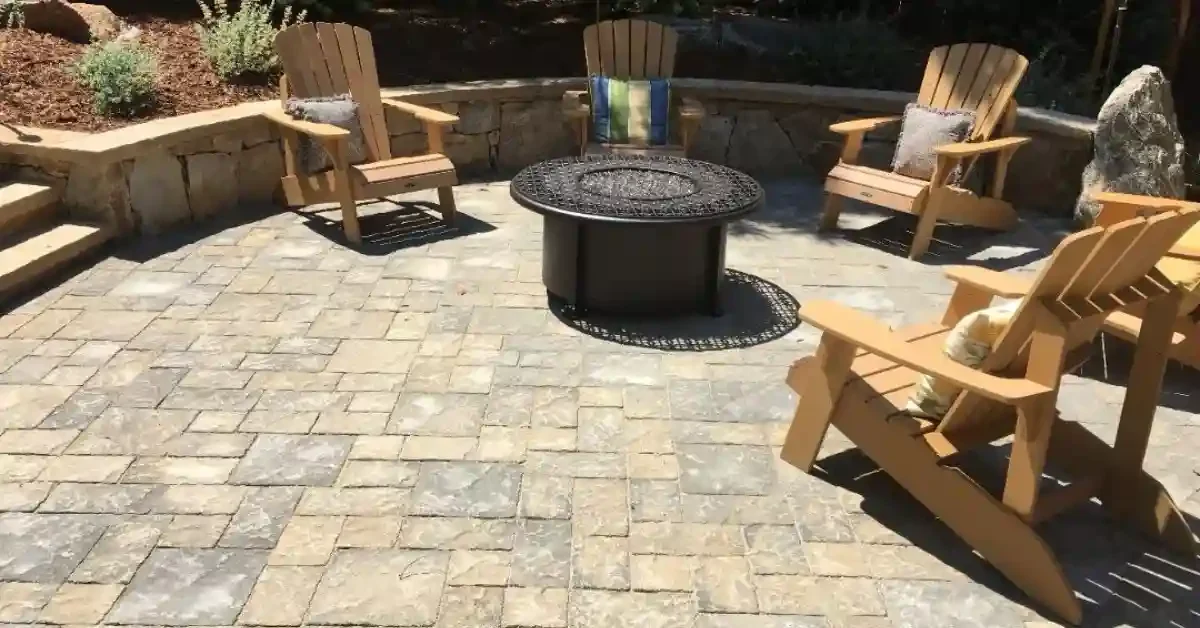
Cleaning a paver patio is important to maintain its appearance, durability, and safety. Over time, dirt, dust, algae, and weeds can settle on the surface and between the joints, making the patio look aged and uneven. Regular maintenance helps prevent long-term staining and structural issues. Before starting the cleaning process, remove furniture and sweep the entire surface thoroughly to eliminate loose debris such as leaves, soil, and small stones. This initial step ensures that deeper cleaning methods are more effective and prevents scratching during washing.
Next, rinse the patio using a garden hose or a low-pressure washer to remove remaining dirt and grime. For stubborn stains, mix mild dish soap with warm water and scrub the surface using a stiff-bristle brush. Avoid using harsh chemicals or high-pressure settings, as they can damage the pavers or wash away joint sand. Focus on stained areas and allow the cleaning solution to sit for a few minutes before rinsing thoroughly.
After the cleaning process, allow the patio to dry completely before replacing furniture or applying polymeric sand between joints if needed. This helps stabilize the structure and prevent weed growth. To maintain results, consider sealing the pavers every few years for added protection against moisture, stains, and fading.
Pavers are typically made from a few common materials, including concrete, clay brick, and natural stone. Each material has its own characteristics that affect durability, appearance, cost, and maintenance needs. Understanding what your pavers are made of helps you choose the right cleaning method and avoid damage during maintenance.
Concrete pavers are the most widely used because they are affordable, strong, and available in many shapes and colors. However, they are more porous than other types, which means they can absorb stains more easily if not sealed properly. Clay brick pavers are known for their classic look and long-lasting color, as they are fired at high temperatures. They are generally more resistant to fading but can still accumulate moss and dirt in humid conditions. Natural stone pavers, such as granite, limestone, or sandstone, offer a premium appearance and high durability, but they may require more careful cleaning depending on the stone type.
The material of your pavers matters because it directly impacts how you should clean and maintain them. For example, high-pressure washing may be safe for some concrete pavers but too harsh for softer natural stones. Similarly, acidic cleaners can damage brick or limestone surfaces. Choosing the correct cleaning approach based on material ensures your patio stays in good condition for years and prevents costly repairs or replacement.
Pavers get dirty over time due to constant exposure to outdoor elements such as dust, rain, sunlight, and foot traffic. Every day use gradually causes dirt particles to settle on the surface and in the joints, making the patio look dull and aged. Weather conditions like wind and rain can also carry debris, mud, and organic matter that stick to the pavers and build up over time.
Another major reason for dirt buildup is organic growth. In shaded or damp areas, algae, moss, and mildew can develop on the surface of pavers, especially if moisture is trapped between the joints. Fallen leaves and plant material can also decay and create stains if not cleaned regularly. These natural elements not only affect appearance but can also make the surface slippery and unsafe.
In addition, joint sand between pavers can break down or wash away over time, allowing weeds to grow through the gaps. Oil spills, food stains, and outdoor grilling residue can also leave marks that become harder to remove if left untreated. Regular maintenance and timely cleaning help prevent these issues and keep the paver patio looking clean, safe, and well-maintained throughout the year.
Keeping a paver patio clean requires using the right combination of methods depending on the level of dirt, type of stains, and material of the pavers. There is no single approach that works for every situation, which is why homeowners often rely on a mix of rinsing, scrubbing, pressure washing, and cleaning solutions.
Light surface dirt can usually be removed with simple water rinsing, while deeper grime or algae buildup may require more intensive cleaning. Manual scrubbing is useful for targeted stains and joint areas, while pressure washing works best for large surfaces when used carefully. Cleaning solutions help break down oil, grease, and organic stains that water alone cannot remove. In some cases, natural cleaning options like vinegar or baking soda mixtures are used for eco-friendly maintenance.
Choosing the right method depends on how often the patio is cleaned. Regular maintenance reduces the need for aggressive cleaning techniques and helps preserve the pavers. When these methods are used properly, they keep the surface clean, safe, and visually appealing throughout the year.
Rinsing with water is the simplest and most basic method for cleaning a paver patio. It is mainly used for removing light dust, loose dirt, and everyday debris that accumulates on the surface.
A garden hose with a spray nozzle is usually enough for this task. It cleans the surface without damaging the pavers or disturbing the joint sand. For best results, start from one side of the patio and work in a systematic direction so dirt is pushed outward instead of spread around.
Rinsing is especially useful after sweeping, as it helps remove fine particles that brushing cannot pick up. While it does not remove tough stains, algae, or oil marks, it plays an important role in regular maintenance.
Frequent rinsing prevents buildup over time and reduces the need for deep cleaning methods. This simple step helps keep the patio looking fresh and extends the lifespan of the surface.
Scrubbing by hand is used when rinsing is not enough to remove stubborn dirt or stains. It is particularly effective for algae, moss, and grime that settle into the texture and joints of the pavers.
A stiff-bristle brush combined with warm water and mild detergent works best for this method. The surface should be scrubbed using circular or back-and-forth motions to loosen embedded dirt. This allows more control over problem areas compared to other cleaning methods.
Hand scrubbing is also useful for spot cleaning oil spills, food stains, and localized dirt patches. Although it takes more time and effort, it ensures deep and precise cleaning without affecting the entire patio.
After scrubbing, the area should be rinsed thoroughly with clean water to remove loosened debris and soap residue. This leaves the pavers clean, refreshed, and free from buildup.
Using a pressure washer is one of the fastest ways to clean a paver patio, especially for large areas with heavy dirt or moss buildup. The strong water pressure quickly removes embedded grime that is difficult to clean manually.
However, it must be used carefully to avoid damaging the surface or washing away joint sand. A fan nozzle and moderate pressure setting are recommended to maintain safety. The nozzle should be kept at a consistent distance while moving evenly across the surface to prevent streaking.
Pressure washing works best when the patio is first swept or lightly rinsed. This removes loose debris and improves cleaning efficiency. While it is highly effective, improper use can lead to uneven joints or surface erosion.
After pressure washing, it may be necessary to refill joint sand to restore stability and prevent weed growth between the pavers.
Applying cleaning solutions helps remove tough stains that water alone cannot handle. These include oil, grease, rust, and organic buildup such as mold or algae.
A mild detergent mixed with warm water is often enough for general cleaning. For stronger stains, paver-safe commercial cleaners may be required. The solution should be applied evenly and left to sit for a few minutes so it can break down dirt effectively.
After soaking, the area should be scrubbed with a brush to lift the loosened grime. It is important to avoid harsh or acidic chemicals, as they may damage or discolor the pavers.
Once cleaning is complete, the surface must be rinsed thoroughly with clean water. When used properly, cleaning solutions significantly improve the appearance of the patio and restore its original color.
Natural cleaning options provide an eco-friendly way to maintain a paver patio without using harsh chemicals. These methods are ideal for households with plants, pets, or sensitive outdoor environments.
Common natural cleaners include vinegar mixed with water, baking soda paste, and lemon juice. These ingredients help break down light stains and surface dirt while remaining gentle on the pavers.
The solution should be applied directly to the stained area and left for a short period before scrubbing with a brush. After cleaning, the surface must be rinsed thoroughly to remove any residue.
Although natural methods are not as powerful as commercial cleaners, they are effective for regular maintenance and light cleaning tasks. They also reduce the risk of damage to both the pavers and surrounding landscaping.
Used consistently, natural cleaning options help keep the patio fresh, safe, and environmentally friendly.
Pavers get dirty over time due to constant exposure to outdoor elements such as dust, rain, sunlight, and foot traffic. Every day use gradually causes dirt particles to settle on the surface and in the joints, making the patio look dull and aged. Weather conditions like wind and rain can also carry debris, mud, and organic matter that stick to the pavers and build up over time.
Another major reason for dirt buildup is organic growth. In shaded or damp areas, algae, moss, and mildew can develop on the surface of pavers, especially if moisture is trapped between the joints. Fallen leaves and plant material can also decay and create stains if not cleaned regularly. These natural elements not only affect appearance but can also make the surface slippery and unsafe.
In addition, joint sand between pavers can break down or wash away over time, allowing weeds to grow through the gaps. Oil spills, food stains, and outdoor grilling residue can also leave marks that become harder to remove if left untreated. Regular maintenance and timely cleaning help prevent these issues and keep the paver patio looking clean, safe, and well-maintained throughout the year.
Cleaning a paver patio may seem straightforward, but several common mistakes can actually cause long-term damage to the surface. One of the biggest mistakes is using excessive pressure while pressure washing. High pressure can erode the paver surface, loosen joint sand, and create uneven gaps between the stones. This not only affects appearance but also weakens the overall structure of the patio.
Another mistake is using harsh chemicals or acidic cleaners without checking if they are safe for pavers. Strong chemicals can discolor the surface, damage sealants, and weaken the material over time. It is always better to use paver-safe or mild cleaning solutions, especially for concrete or natural stone pavers.
Skipping regular maintenance is also a common issue. Allowing dirt, stains, and organic growth to build up over time makes cleaning much harder and increases the risk of permanent staining. Similarly, ignoring joint sand loss after cleaning can lead to weed growth and instability between pavers.
Using metal brushes or abrasive tools is another mistake that can scratch and damage the surface texture. Instead, a stiff nylon brush is recommended for safe scrubbing.
Avoiding these mistakes helps protect the integrity, appearance, and lifespan of the paver patio while ensuring that cleaning efforts remain effective and safe.
The best way to clean pavers is with a combination of water, a stiff-bristle brush, and a mild detergent or specialized paver cleaner. For deeper cleaning, a pressure washer can be used carefully to remove dirt, algae, and stains without damaging the surface.
To make patio pavers look new, start by sweeping and washing them thoroughly, then remove stains with a cleaner or pressure washing. Re-sand the joints with polymeric sand and apply a sealant to restore color, protect against stains, and improve overall appearance.
Yes, Dawn dish soap can be used to clean pavers for light dirt and grime. Mix it with warm water and scrub the surface with a brush. However, it is not strong enough for deep stains like oil, rust, or mold buildup.
Vinegar does not usually destroy pavers, but it is acidic and can weaken the surface or damage sealant over time. It may also discolor certain stone types, so it should be used carefully and diluted if applied for spot cleaning.
Maintaining a clean paver patio is not just about appearance but also about preserving its strength, safety, and long-term durability. Regular care prevents dirt buildup, weed growth, and stubborn stains from becoming permanent issues that require costly repairs. By using the right combination of cleaning methods such as rinsing, scrubbing, pressure washing, and safe cleaning solutions, you can effectively manage different levels of dirt and staining.
Each method plays a specific role, whether it is light maintenance or deep cleaning, and understanding when to use them is key to keeping your patio in top condition. Avoiding common mistakes like using harsh chemicals, applying excessive pressure, or skipping maintenance further helps protect the surface and joint structure.
With consistent upkeep and the right techniques, your paver patio can stay clean, attractive, and functional for many years. A little regular effort goes a long way in maintaining its original look and ensuring it remains a welcoming outdoor space for everyday use and gatherings.
Fresh Ideas From our experts
What Your Neighbors Are Saying
"They are the best. We have a small backyard and needed it to reflect a relaxing and enjoyable space. Chris used our ideas and came up with the perfect design. Then Francisco came with the cost projections and worked to accommodate our budget. He and his team then used their considerable construction expertise to create a space that’s an extension of our home where we spend a lot of time. Thank you for creating such a welcoming space."
"I am new to Colorado and hired Chris and Francisco to design and implement a plan for my new build house. From design to finish and followup they were beyond my expectations. They are in constant contact throughout the project and their crew is very hardworking. They followup when the project is finished and are always available for whatever questions you may have. I would highly recommend them, and I get many complements on the work they have done for me."
"We were thrilled with the end result of our brick paver patio refurbishment. We hired Chris, Francisco and their team to fix our sinking brick paver patio. It had been installed by a different landscaper, and after only 2 years it was collapsing. Boo hiss! Ridgewell Landscape and Design came in and saved the day! They discovered the original installation was done incorrectly, and that’s why it was collapsing. Their team worked hard and got the project done quickly and professionally. We are thrilled with the look and finish of the job! Bravo!!"