- Get A Free Consultation.
DIY backyard landscaping has become increasingly popular as homeowners look for affordable ways to improve outdoor spaces without committing to full-scale professional renovations. Many people searching “do it yourself backyard landscaping” are motivated by the idea of transforming their yard on a budget while still achieving a functional and visually appealing result.
The appeal comes from having full creative control, choosing materials personally, and upgrading outdoor areas gradually instead of investing in a complete redesign at once. This makes it easier to manage costs while still improving the overall look and usability of the backyard.
However, DIY landscaping also comes with challenges such as poor planning, drainage issues, and design mistakes that can affect long-term performance. Simple upgrades can be highly effective, but more complex structural work often requires professional input. Ridgewell Colorado helps homeowners when projects go beyond DIY limits, offering expert support in landscape design, paver patios, and xeriscaping services.
Do it yourself backyard landscaping refers to improving and designing outdoor spaces without hiring a professional landscaping company. It involves homeowners personally planning, building, and maintaining backyard features using basic tools, materials, and effort.
This approach typically focuses on smaller-scale improvements such as garden beds, gravel pathways, seating areas, edging, and decorative elements rather than major structural construction. The main difference is that cosmetic upgrades improve appearance, while structural landscaping involves technical work like patios, retaining walls, and grading.
DIY landscaping appeals strongly to budget-conscious homeowners because it allows gradual improvements over time without large upfront costs. It also provides flexibility and personal involvement in design decisions.
However, not all projects are suitable for DIY execution, especially when drainage, soil stability, or heavy construction is involved.
Homeowners choose DIY landscaping mainly because it offers significant cost savings compared to professional installation. By handling labour themselves, they can reduce overall project expenses while still improving their outdoor space.
Another major reason is flexibility, as DIY projects allow homeowners to work at their own pace and adjust designs during the process. This makes it easier to manage time and budget without pressure.
Personal creativity and control also play a big role, since homeowners can design their backyard exactly how they envision it. This creates a stronger sense of satisfaction and ownership once the project is completed.
Many also prefer starting with small-scale improvements before attempting larger upgrades, making DIY landscaping feel more manageable and less overwhelming.
DIY and professional landscaping differ mainly in scale, complexity, and long-term results. DIY projects are best suited for small upgrades such as planting areas, simple pathways, or decorative features that require minimal technical skill.
These projects are budget-friendly but often lack structural precision and long-term durability when compared to professionally designed landscapes. They can improve appearance but may not fully optimise functionality.
Professional landscaping includes complete design planning, proper grading, drainage solutions, and durable construction techniques that ensure lasting performance and higher property value. Internal link: landscape design services.
While DIY is effective for basic improvements, it often falls short when dealing with complex layouts or structural outdoor elements that require expert knowledge.
Proper planning is essential for any DIY backyard landscaping project because it directly affects the final outcome. Without planning, homeowners risk wasting materials, creating poor layouts, or facing unexpected costs.
A well-structured plan helps define goals, organise priorities, and ensure that each element of the backyard works together effectively. It also helps identify realistic project limits and prevents overcomplicating the design.
Planning in advance ensures that DIY efforts lead to functional and visually balanced outdoor spaces. It also reduces the likelihood of redesigning work later due to avoidable mistakes.
Good preparation is the foundation of a successful landscaping project.
Assessing your backyard space is a critical first step because it determines what improvements are possible and practical. Homeowners should evaluate key factors such as yard size, sunlight exposure, drainage patterns, and soil condition.
These elements directly influence plant selection, material choice, and overall design layout. Ignoring them can lead to long-term maintenance issues or poor results.
It is also important to identify usable zones for seating, planting, or pathways, as well as problem areas like uneven ground or water accumulation spots.
A proper assessment ensures that the design is functional, balanced, and suitable for the natural conditions of the space.
Setting a realistic budget is important to ensure the DIY landscaping project stays manageable and cost-effective. While DIY eliminates labour costs, material expenses such as soil, gravel, plants, and tools can still add up quickly.
Homeowners should estimate costs carefully before starting to avoid running out of resources midway through the project. Unexpected expenses are common when planning is not done properly.
It is also helpful to prioritise smaller, achievable improvements instead of attempting a full backyard transformation at once. This allows better financial control and steady progress.
A structured budget ensures the project remains practical and prevents unnecessary financial pressure.
Choosing the right project type is important for matching skill level with project complexity. Beginners should focus on simple tasks such as planting beds, mulch areas, or basic pathways that require minimal tools and experience.
Intermediate projects may include raised beds or seating zones, while advanced DIY work can involve pergolas or minor structural features. However, advanced tasks require more skill and planning.
It is also important to recognise when a project becomes too complex for DIY execution, especially when drainage, grading, or structural stability is involved.
Knowing when to stop DIY efforts and seek professional help ensures better safety, durability, and long-term results.
DIY backyard landscaping doesn’t always require large budgets or complex construction to make a visible impact. Simple upgrades can quickly improve the overall appearance of an outdoor space while staying affordable and manageable.
These types of improvements usually focus on organisation, texture, and visual structure rather than full redesigns, making them ideal for beginners. Even small changes can significantly enhance how a backyard looks and feels.
Budget-friendly transformation ideas are especially popular because they allow homeowners to improve their space step by step without committing to expensive renovations. The goal is to create cleaner, more functional outdoor areas using simple and effective design choices.
When done correctly, these small upgrades can completely refresh a backyard without requiring professional installation.
Garden beds and planting areas are one of the easiest DIY landscaping upgrades that instantly improve outdoor appearance. They help define space and bring structure to an otherwise open or unorganised yard.
Basic layout planning involves selecting suitable locations based on sunlight, spacing, and natural flow of the backyard. Once the layout is set, proper soil preparation becomes important to support healthy plant growth and long-term maintenance.
These areas are highly effective because they add colour, texture, and natural beauty without requiring heavy construction work. Even simple plant selections can dramatically improve curb appeal.
Garden beds are a beginner-friendly project that delivers strong visual impact with minimal tools or experience required.
Gravel and mulch zones are practical and cost-effective DIY landscaping solutions that help improve structure while reducing maintenance needs. They are commonly used to cover bare soil, control weeds, and improve drainage in different parts of the backyard.
Gravel creates a clean and structured appearance, making it ideal for pathways or seating areas, while mulch provides a softer, more natural look for garden spaces.
One of the biggest benefits is low maintenance, as both materials require minimal upkeep compared to grass or traditional landscaping. They also help define different zones within the yard, improving organisation and layout clarity.
These materials are especially useful for homeowners looking for simple but effective outdoor upgrades.
Simple pathways and edging are effective DIY improvements that enhance both structure and flow within a backyard. Pathways help guide movement through outdoor spaces, making the layout more functional and easy to navigate.
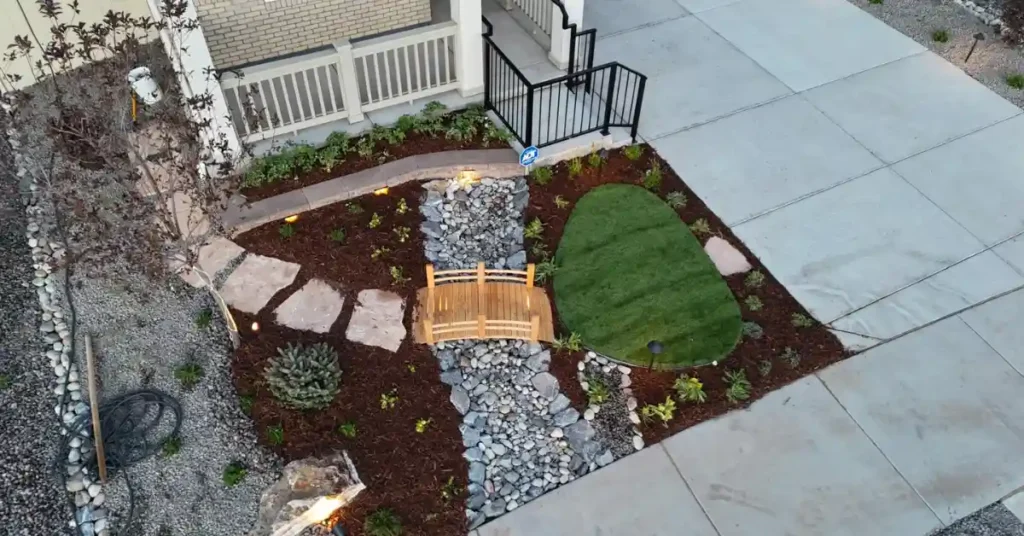
Basic options such as stepping stones, gravel paths, or simple stone layouts are popular because they are easy to install and budget-friendly. These pathways also improve accessibility while adding visual direction to the space.
Edging plays an important role in defining boundaries between lawns, garden beds, and walkways. Clean edges create a more organised and finished appearance even in simple DIY designs.
Together, pathways and edging help create a structured backyard layout that feels intentional and visually balanced.
Intermediate DIY landscaping projects require more planning and effort but offer greater improvements in functionality and appearance. These upgrades go beyond basic cosmetic changes and begin introducing structured outdoor features.
At this stage, homeowners typically work on semi-permanent installations that improve usability and create more defined outdoor living areas. Proper preparation becomes more important as projects become more complex.
These improvements help transform a simple backyard into a more functional and organised outdoor space while still remaining achievable for experienced DIY homeowners.
Raised garden beds are a popular intermediate DIY project that improves both organisation and plant control. They are built using materials like wood or stone to create elevated planting areas that are easier to manage.
This design improves drainage, soil quality, and reduces weed growth, making gardening more efficient and controlled. Raised beds also allow better separation of different plant types within the backyard.
Visually, they add structure and depth, helping the garden look more organised and intentional. While construction is fairly simple, attention to stability and soil preparation is important for long-term success.
They are a practical upgrade that combines function and visual improvement in one project.
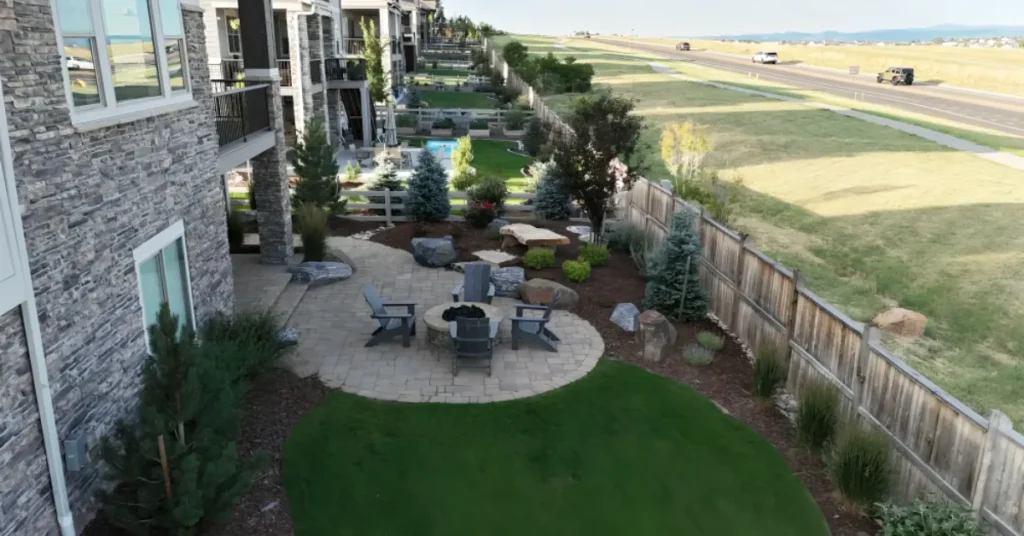
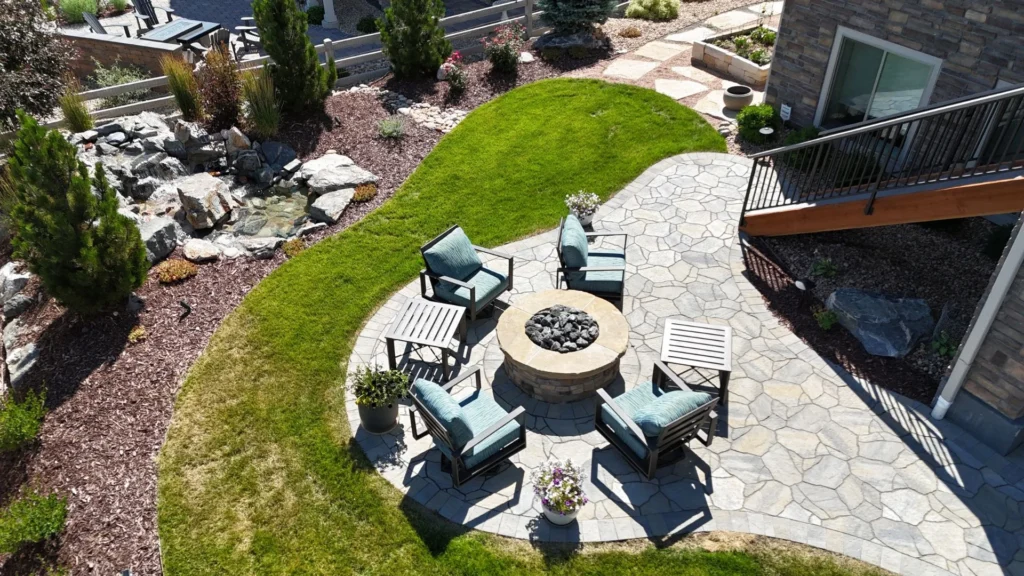
DIY outdoor seating areas improve backyard usability by creating dedicated spaces for relaxation and gathering. These setups can range from simple gravel bases to more structured paver-style seating zones depending on budget and skill level.
The main goal is to create a stable, level area that can support outdoor furniture comfortably. Gravel is often used for its affordability and drainage benefits, while pavers provide a more polished and durable finish.
Proper planning ensures the seating area fits naturally into the backyard layout and improves overall flow. These spaces help turn unused areas into functional outdoor living zones.
Basic outdoor lighting is a simple yet effective intermediate DIY upgrade that improves both safety and visual appeal. Solar-powered lights are commonly used because they are easy to install and require no wiring.
These lights can be placed along pathways, garden edges, or seating areas to improve visibility during nighttime use. Lighting also enhances the atmosphere by adding warmth and depth to the outdoor space.
From a design perspective, it highlights key features and improves overall structure and balance. This makes the backyard more usable and visually appealing after sunset without complex installation work.
Advanced DIY landscaping projects involve more complex construction and require careful planning and skill. These upgrades go beyond basic improvements and start introducing structural outdoor features that impact long-term durability.
At this level, homeowners may attempt pergolas, retaining walls, or outdoor kitchen setups, but these projects carry higher risk if not executed properly.
While they can significantly enhance outdoor living spaces, they also require a better understanding of stability, materials, and safety considerations.
DIY pergolas or shade structures are advanced projects that improve outdoor comfort and usability by providing shade and defining living spaces. They are typically built using timber or composite materials in a basic framework design.
These structures enhance both aesthetics and functionality by creating a dedicated outdoor zone for relaxation or dining. However, proper stability and anchoring are essential to ensure safety and durability.
While small designs can be manageable for skilled DIYers, larger or more complex structures often require professional input to ensure long-term structural integrity.
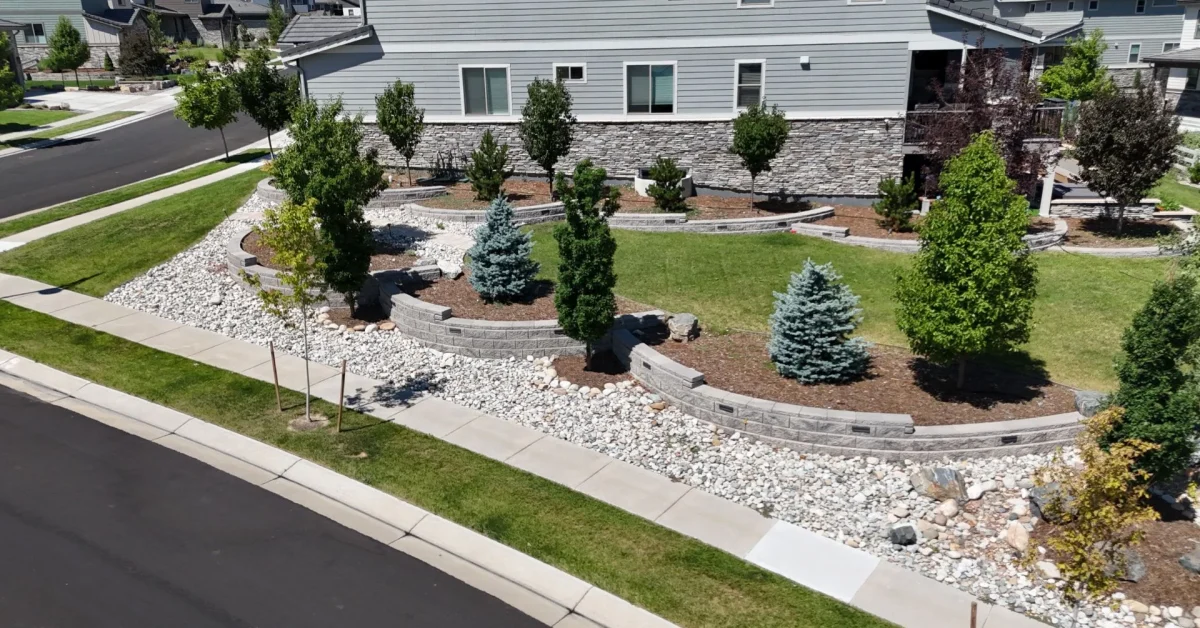
Small retaining wall projects help manage slopes and soil movement within a backyard, making them an important part of advanced landscaping work. These walls create level areas while preventing erosion and improving usable space.
However, structural safety is a major concern because incorrect installation can lead to shifting, cracking, or collapse over time. Proper drainage and foundation preparation are essential for stability.
Due to their structural nature, retaining walls are often better handled by professionals, especially when dealing with height or load-bearing requirements.
Basic outdoor kitchen concepts include simple BBQ stations, prep counters, or small cooking areas designed for outdoor use. These setups improve backyard functionality and create a space for entertaining and dining.
While basic versions can be built using DIY methods, full outdoor kitchens involve plumbing, gas lines, and structural construction that require professional expertise.
DIY versions are best kept simple, focusing on portability and basic layout, while more advanced builds should be professionally designed for safety and long-term performance.
DIY backyard landscaping requires a basic set of tools and materials to ensure projects are completed efficiently and safely. Essential landscaping tools include shovels, rakes, wheelbarrows, garden hoes, and hand trowels for digging, moving, and shaping soil. These tools help with everyday groundwork and small-scale installations.
Safety and measuring equipment are also important, including gloves, safety glasses, tape measures, levels, and string lines to ensure accuracy and prevent injuries during work. Proper measuring helps maintain alignment in pathways, beds, and structures.
Common materials used in DIY landscaping include gravel, soil, mulch, sand, and pavers, depending on the type of project. These materials help define spaces, improve drainage, and enhance visual appeal.
For more advanced projects, optional power tools like compactors, drills, or saws may be required, especially when working with heavier structural elements.
One of the most common DIY landscaping mistakes is poor layout planning, which often leads to uneven spacing, awkward design flow, or wasted materials. Without a clear plan, the final result can look disorganised and unbalanced.
Another major issue is ignoring drainage problems. Poor water management can lead to erosion, flooding, or long-term damage to plants and structures.
Using low-quality materials is also a frequent mistake, as it reduces durability and negatively affects the overall appearance of the space.
Many homeowners also overcomplicate projects by attempting designs that are beyond their skill level, which often results in unfinished or poorly executed work.
Finally, lack of long-term maintenance planning can cause even well-designed spaces to deteriorate over time.
DIY backyard landscaping is best suited for small cosmetic upgrades such as planting beds, simple pathways, or decorative improvements. It is generally more budget-friendly but has limited impact when it comes to structural quality and long-term value.
While DIY projects allow flexibility and cost savings, they often lack professional design planning and durability, especially for more complex outdoor spaces.
Professional landscaping, on the other hand, provides structured design, proper grading, drainage solutions, and high-quality construction that ensures long-term performance and usability.
It also significantly improves functionality and resale value by creating cohesive outdoor living spaces that are both practical and visually appealing. Internal link: landscape design services.
In most cases, combining DIY efforts with professional input results in the best balance of cost efficiency and long-lasting results.
The cost of backyard landscaping varies widely depending on whether it is a DIY project or professionally completed. DIY landscaping generally has lower upfront costs, with expenses mainly focused on materials such as soil, gravel, plants, and tools.
However, while DIY reduces labour costs, material expenses can still add up quickly depending on project size and complexity.
Professional landscaping includes both material and labour costs, but it also covers design planning, installation, and long-term durability.
A key difference is hidden costs in DIY projects, such as equipment rentals, mistakes, or replacements due to poor planning.
Although DIY may seem cheaper initially, professional landscaping often provides better long-term value due to improved quality, durability, and increased property appeal.
Integrating DIY backyard landscaping ideas into a complete design requires a balanced approach between creativity and structure. Many homeowners start with small DIY improvements, but the real impact comes when these elements are combined into a cohesive outdoor layout.
Hardscape features like pathways, seating areas, or gravel zones should be planned alongside softscape elements such as plants, grass, and garden beds. This ensures the outdoor space feels connected rather than scattered or unfinished.
A well-integrated design helps DIY work look more intentional and closer to a professionally planned landscape. It also improves usability by ensuring each area serves a clear purpose.
When planned correctly, DIY elements can contribute to a functional and visually appealing outdoor environment that feels complete and well-organised.
Blending plants and hardscape is essential for creating a balanced and visually appealing backyard design. Hardscape elements such as patios, pathways, and edging provide structure, while plants add softness, colour, and natural movement.
The key is to avoid overloading one side, as too much hardscape can feel harsh, while too many plants can feel unorganised. A proper balance creates harmony and improves overall outdoor aesthetics.
Functional outdoor zones can be created by combining both elements strategically, such as seating areas surrounded by greenery or pathways lined with planting beds.
This approach ensures the backyard is both practical and visually inviting, improving usability while maintaining natural appeal.
Ridgewell Colorado provides expert support for homeowners looking to enhance their outdoor spaces with durable and well-designed landscaping solutions. With local experience in outdoor transformations, the focus is on creating landscapes that are both functional and visually appealing.
The team specialises in hardscape and structural landscaping, ensuring every project is built with long-lasting quality and proper planning. From design to installation, each detail is handled to improve usability and property value.
Services include custom backyard design solutions tailored to individual needs, blending aesthetics with practical outdoor living features.
This combination of expertise and craftsmanship ensures homeowners get reliable, high-quality outdoor spaces designed for long-term performance.
DIY backyard landscaping is worth it for small to medium projects where cost savings and personal involvement are priorities. It works best when the homeowner has basic planning skills and realistic expectations. However, larger or structural projects may not deliver the same long-term results as professional work, especially when drainage or durability is important.
The easiest backyard landscaping projects include gravel pathways, mulch zones, and simple garden beds. These require minimal tools, low investment, and basic installation skills. They are ideal for beginners because they improve appearance quickly without complex construction or technical knowledge.
The highest value improvements usually come from structured hardscape features such as patios, seating areas, and outdoor living spaces. These upgrades increase usability and enhance property appeal, making the backyard more attractive to potential buyers.
DIY backyard landscaping is a great option for homeowners who want to improve their outdoor spaces gradually and affordably. It works especially well for small projects that enhance appearance and usability without requiring heavy construction.
However, when it comes to structural work or long-term durability, professional expertise becomes important to ensure proper design, drainage, and stability.
The best outdoor spaces are usually created through a balanced approach that combines DIY creativity with professional planning where needed.
For homeowners looking to upgrade their backyard with long-lasting results and expert guidance, Ridgewell Colorado offers tailored solutions for complete outdoor transformations and professional landscaping support.
Fresh Ideas From our experts
What Your Neighbors Are Saying
"They are the best. We have a small backyard and needed it to reflect a relaxing and enjoyable space. Chris used our ideas and came up with the perfect design. Then Francisco came with the cost projections and worked to accommodate our budget. He and his team then used their considerable construction expertise to create a space that’s an extension of our home where we spend a lot of time. Thank you for creating such a welcoming space."
"I am new to Colorado and hired Chris and Francisco to design and implement a plan for my new build house. From design to finish and followup they were beyond my expectations. They are in constant contact throughout the project and their crew is very hardworking. They followup when the project is finished and are always available for whatever questions you may have. I would highly recommend them, and I get many complements on the work they have done for me."
"We were thrilled with the end result of our brick paver patio refurbishment. We hired Chris, Francisco and their team to fix our sinking brick paver patio. It had been installed by a different landscaper, and after only 2 years it was collapsing. Boo hiss! Ridgewell Landscape and Design came in and saved the day! They discovered the original installation was done incorrectly, and that’s why it was collapsing. Their team worked hard and got the project done quickly and professionally. We are thrilled with the look and finish of the job! Bravo!!"