- Get A Free Consultation.
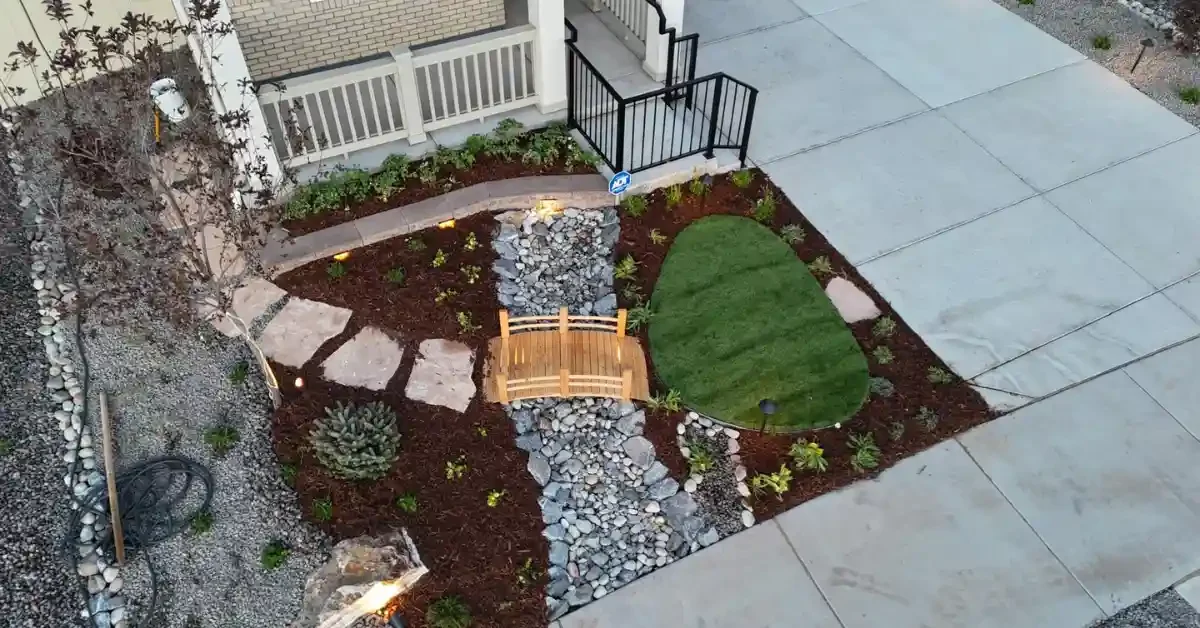
Installing a paver stone patio is one of the most effective ways to create a durable, attractive, and functional outdoor living space. Whether you’re looking to upgrade your backyard for entertaining or simply want a low-maintenance surface that lasts, a properly installed paver patio offers long-term value. Unlike poured concrete, pavers are designed to handle movement, resist cracking, and adapt well to changing weather conditions especially important in climates like Brighton, Colorado.
The key to a successful installation isn’t just laying the stones, it’s everything beneath them. From proper excavation and base preparation to drainage and compaction, each step plays a critical role in ensuring the patio remains level and stable for years. Skipping or rushing these steps often leads to common issues like sinking pavers, water pooling, or uneven surfaces.
While some homeowners choose the DIY route, achieving professional-grade results requires precision, the right tools, and an understanding of local soil and climate conditions. That’s where experienced contractors like Ridgewell Colorado make a difference, delivering patios built for both performance and aesthetics.
In this guide, we’ll walk through the essential steps, materials, and considerations to help you install a paver stone patio the right way from planning to final finishing.
A successful paver stone patio starts with thoughtful planning and a well-defined layout. Before any digging begins, it’s important to determine how you’ll actually use the space. Whether it’s for outdoor dining, entertaining, or a quiet seating area, the purpose will influence the size, shape, and overall design. A clear plan helps avoid costly adjustments later and ensures the patio feels functional rather than cramped or oversized.
Start by marking the layout using stakes and string or spray paint to outline the exact dimensions. This gives you a visual reference and helps confirm that the patio fits naturally within your yard. Pay close attention to slope and drainageyour patio should have a slight grade (typically away from your home) to prevent water from pooling or causing damage over time.
It’s also important to consider access points, surrounding landscaping, and how the patio connects to other outdoor features like walkways or decks. Choosing a pattern and paver style early in the process ensures consistency and reduces installation delays.
For homeowners in areas like Brighton, Colorado factoring in soil conditions and seasonal weather is essential during the planning stage. Professionals like Ridgewell Colorado often refine layouts to account for these local challenges, ensuring the final design is both practical and built to last.
Having the right tools and materials is essential for building a paver stone patio that performs well over time. While the pavers themselves are the most visible component, the quality of the tools and base materials directly impacts durability, stability, and overall finish. Skipping or substituting key items often leads to uneven surfaces, poor drainage, and premature wear.
For materials, you’ll need paver stones, crushed gravel (base material), bedding sand, edge restraints, and joint sand. The gravel forms a stable foundation, while the sand layer helps level and secure the pavers. Edge restraints are critical for keeping everything in place, preventing shifting over time. In climates like Brighton, using high-quality, weather-resistant materials is especially important to handle freeze-thaw cycles and moisture changes.
In terms of tools, basic equipment includes a shovel, rake, tape measure, level, and rubber mallet. More specialized tools like a plate compactor, masonry saw (for cutting pavers), and a hand tamper are essential for achieving a professional result. A compactor, in particular, ensures the base is properly compacted, reducing the risk of settling later.
While many tools can be rented, knowing how and when to use them correctly is just as important. That’s why professionals like Ridgewell Colorado rely on both the right equipment and expertise to deliver precise, long-lasting installations.
Proper site preparation and excavation are the foundation of a long-lasting paver stone patio. This step determines whether your patio stays level and stable for years or begins to shift and settle within a short time. It’s not just about digging, it’s about creating the right base conditions for everything that follows.
Start by removing any grass, roots, or existing materials within the marked area. Excavation depth typically ranges from 6 to 10 inches, depending on soil conditions and expected load. In areas like Brighton, where freeze-thaw cycles are common, a deeper excavation is often necessary to prevent ground movement from affecting the patio surface.
Once the area is cleared, grading becomes critical. The ground should be sloped slightly away from your home, usually about 1/4 inch per footto ensure proper drainage. Without this, water can pool under or around the patio, leading to erosion or instability over time. After grading, a layer of geotextile fabric may be added to separate the soil from the base material, improving stability and preventing mixing. This is especially helpful in clay-heavy soils.
The strength and longevity of your paver stone patio depend heavily on the base layer beneath it. This is the most critical step in the entire installation process if the base is done incorrectly, even the highest-quality pavers will eventually shift, sink, or become uneven. A properly built base ensures stability, proper drainage, and resistance to ground movement over time.
The process begins by adding a layer of crushed gravel or aggregate base, typically 4 to 6 inches thick, depending on soil conditions and climate. Compaction is keyeach layer must be firmly compressed before adding the next. Skipping this step or rushing through it leads to weak spots that can cause the patio to settle unevenly. Proper grading should also be maintained throughout the base to support effective water drainage.
Once the base layer is properly compacted, the next step is adding the sand bedding layer, this is what creates a smooth, level surface for placing the pavers. While it may seem like a minor step, precision here directly affects how even and stable your finished patio will be.
A layer of coarse bedding sand, typically about 1 inch thick, is spread evenly across the compacted base. The key is not to overfill too much sand can lead to shifting, while too little can make leveling difficult. Using screed boards or rails, the sand is carefully leveled to create a consistent, flat surface that follows the desired slope for drainage.
It’s important not to compact the sand before laying the pavers. The goal is to keep it loose enough to allow the pavers to settle into place while still maintaining a uniform level. Walking on the screeded sand should also be minimized to avoid creating dips or uneven spots.
This layer acts as a cushion, helping distribute weight evenly across the base and allowing for minor adjustments during installation. Professionals like Ridgewell Colorado take extra care during this stage, ensuring precise leveling and proper thickness so the final surface looks clean, aligned, and performs reliably over time.
With the base and sand layer properly prepared, the focus shifts to laying the paver stones where precision and consistency define the final look. This step is not just about placing pavers; it’s about maintaining alignment, spacing, and pattern integrity across the entire surface. Even small inconsistencies can become noticeable once the patio is complete.
Start from a straight edge, such as a house wall or a fixed boundary, and work outward. Pavers should be placed gently onto the sand without sliding them, as dragging can disturb the leveled surface beneath. Maintaining consistent spacing between pavers is important for both appearance and structural stability. Using string lines or guides helps keep rows straight and patterns uniform.
As you progress, adjustments may be needed to keep everything level. A rubber mallet can be used to gently tap pavers into place, ensuring they sit evenly without damaging the surface. For edges and corners, pavers will often need to be cut to fit precisely this is where a masonry saw becomes essential.
Professionals like Ridgewell Colorado approach this step with careful attention to detail, ensuring clean lines, tight joints, and a cohesive pattern. The result is a patio that not only looks polished but also maintains its structural integrity over time.
Edge restraints are a critical component of any paver stone patio, yet they’re often overlooked in DIY projects. Their primary role is to hold the entire patio structure in place, preventing the pavers from shifting outward over time. Without proper edge support, even a well-built patio can begin to spread, leading to gaps, uneven surfaces, and long-term instability.
Once all the pavers are laid and properly aligned, edge restraints are installed along the perimeter. These are typically made from durable plastic, metal, or concrete and are secured firmly into the ground using spikes. The goal is to create a solid boundary that locks the outer pavers in place while maintaining the overall shape of the patio.
This step requires precision, especially around curves or irregular layouts. Any misalignment at the edges can affect the entire structure, so it’s important to ensure the restraints follow the design accurately. After installation, the edges are often backfilled with soil or gravel to further reinforce stability.
Professionals like Ridgewell Colorado treat edge restraints as a non-negotiable step, ensuring they are installed securely and correctly. This attention to detail helps maintain the patio’s structure, keeping it tight, level, and visually clean for years to come.
Filling the joints between pavers is the final structural step that locks the entire patio together. Polymeric sand is commonly used for this purpose because it contains fine sand mixed with binding agents that harden when activated with water. This creates a firm, stable surface that resists movement, weeds, and insect intrusion.
The process begins by spreading the polymeric sand evenly across the patio surface, sweeping it into all the joints until they are completely filled. It’s important to ensure there are no gaps, as incomplete joints can weaken the structure and allow shifting over time. Once the joints are filled, a plate compactor is typically used to settle the sand deeper into the spaces, followed by another light sweep to top off any low areas.
After filling, the surface must be cleaned thoroughly to remove excess sand from the paver faces. This step is crucial because leftover residue can harden and leave a hazy finish. Once cleaned, a gentle mist of water is applied to activate the binding agents, allowing the sand to set and harden within the joints.
Professionals like Ridgewell Colorado handle this step with precision, ensuring proper activation and clean finishing resulting in a patio that stays secure, low-maintenance, and visually polished for years.
The final compaction and cleanup stage is what brings the entire paver stone patio together, ensuring both structural stability and a clean, finished appearance. After the pavers are laid and joints are filled with polymeric sand, a plate compactor is used to gently vibrate the surface. This process helps settle the pavers evenly into the sand bedding while locking them tightly together. It also ensures the joint sand is properly distributed and compacted for maximum strength.
Compaction should be done carefully, often with a protective pad attached to the compactor to prevent scratching or damaging the paver surface. Multiple passes may be required to achieve a uniform, level finish. Any areas that appear uneven can be adjusted at this stage before the patio fully sets.
Once compaction is complete, the patio is thoroughly cleaned. Excess sand, dust, and debris are removed to prevent staining or residue buildup. If polymeric sand was used, a final light rinse ensures the surface is clean while allowing the joints to properly cure.
Professionals like Ridgewell Colorado treat this step as a quality check, ensuring every detailfrom level alignment to surface cleanliness is perfect. The result is a polished, durable patio that’s ready for immediate use and long-term performance.
Even a well-planned paver patio can run into problems if common mistakes aren’t avoided. Recognizing these pitfalls before starting your project can save time, money, and frustration, ensuring a long-lasting and visually appealing patio.
One frequent error is insufficient base preparation. Skipping proper excavation or using an inadequately compacted base often leads to uneven surfaces and pavers that shift over time. Another common issue is poor drainage. Without the correct slope, water can pool on the patio or around your home’s foundation, causing erosion and damage to both the patio and surrounding landscape.
Using low-quality materials is another mistake. Cheaper pavers or sand may appear budget-friendly but often deteriorate quickly, especially in climates like Brighton incorrect joint filling or insufficient compaction can also compromise the patio’s stability, allowing weeds or insects to disrupt the surface.
DIY enthusiasts sometimes ignore edge restraints, which are essential for maintaining the patio’s shape and preventing shifting. Finally, rushing the installation without proper leveling or attention to pattern alignment can result in an uneven, unprofessional appearance.
Professionals like Ridgewell Colorado avoid these mistakes by following precise installation methods, using high-quality materials, and tailoring solutions to local soil and climate conditions ensuring a patio that looks great and lasts for years.
To prepare the ground for paver stones, start by clearing grass, roots, and debris. Excavate the area to the required depth, add a layer of compacted gravel or crushed stone for drainage, and finish with a level layer of sand to create a stable base for the pavers.
Under paver stones, you should place a layer of compacted gravel or crushed stone for drainage and stability, followed by a layer of sand to level the surface. This base prevents shifting, sinking, and uneven paver surfaces over time.
A 20×20 paver patio (400 sq ft) typically costs between $4,000 and $8,000, depending on the type of pavers, base preparation, design complexity, and labor rates. Premium materials like natural stone or decorative pavers can increase the price further.
Common mistakes include skipping the gravel base, not compacting the soil properly, laying pavers on uneven sand, failing to create proper drainage, and neglecting edge restraints. These errors can lead to shifting, sinking, water pooling, and uneven surfaces.
Installing a paver stone patio is a smart investment that combines functionality, aesthetics, and long-term value for your home. From careful planning and site preparation to selecting durable materials and precise installation, every step plays a crucial role in creating a patio that lasts for decades. Attention to detail such as proper base compaction, accurate leveling, edge restraint installation, and joint filling prevents common problems like shifting, uneven surfaces, and water damage.
Maintenance is equally important. Regular cleaning, joint upkeep, and periodic sealing protect the patio from the effects of weather, wear, and seasonal changes, particularly in regions like Brighton. With proper care, a well-installed paver patio remains attractive, stable, and low-maintenance for years, enhancing both outdoor living and property value.
Working with experienced professionals like Ridgewell Colorado ensures your patio is designed and installed with local climate, soil conditions, and long-term durability in mind. Their expertise guarantees a finished product that not only looks stunning but also performs reliably, maximizing enjoyment and ROI.
Invest thoughtfully, plan carefully, and maintain diligently to transform your outdoor space into a lasting, high-performing patio that elevates your home and lifestyle.
Fresh Ideas From our experts
What Your Neighbors Are Saying
"They are the best. We have a small backyard and needed it to reflect a relaxing and enjoyable space. Chris used our ideas and came up with the perfect design. Then Francisco came with the cost projections and worked to accommodate our budget. He and his team then used their considerable construction expertise to create a space that’s an extension of our home where we spend a lot of time. Thank you for creating such a welcoming space."
"I am new to Colorado and hired Chris and Francisco to design and implement a plan for my new build house. From design to finish and followup they were beyond my expectations. They are in constant contact throughout the project and their crew is very hardworking. They followup when the project is finished and are always available for whatever questions you may have. I would highly recommend them, and I get many complements on the work they have done for me."
"We were thrilled with the end result of our brick paver patio refurbishment. We hired Chris, Francisco and their team to fix our sinking brick paver patio. It had been installed by a different landscaper, and after only 2 years it was collapsing. Boo hiss! Ridgewell Landscape and Design came in and saved the day! They discovered the original installation was done incorrectly, and that’s why it was collapsing. Their team worked hard and got the project done quickly and professionally. We are thrilled with the look and finish of the job! Bravo!!"