- Get A Free Consultation.
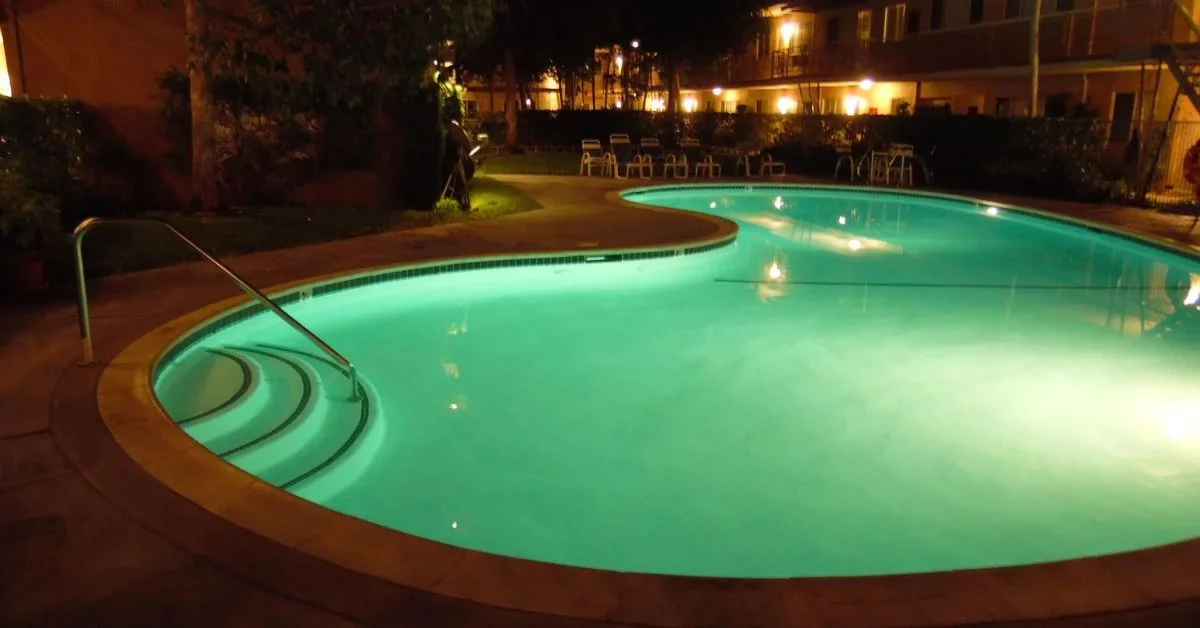
Protecting an above-ground pool is essential for maintaining water quality, ensuring safety, and reducing long-term maintenance costs, especially during off-season months or periods of non-use. Many homeowners search “how to install an above ground pool cover” because they want a reliable way to keep debris out, prevent algae growth, and avoid unnecessary cleaning and chemical balancing.
A properly installed pool cover also helps protect the pool structure, liner, and filtration system from weather damage, UV exposure, and wind-blown debris. However, many people struggle with issues like incorrect sizing, wind lift, sagging covers, and improper securing methods that reduce effectiveness. Correct installation is not just about placing a cover over the pool—it requires proper alignment, tensioning, and securing techniques to ensure durability and safety.
Ridgewell Colorado specializes in outdoor living and backyard improvements, helping homeowners create functional, long-lasting outdoor spaces.
Above-ground pool covers are not just seasonal accessories—they are essential protective systems that improve safety, cleanliness, and long-term pool performance. Without a proper cover, pools quickly accumulate leaves, dust, insects, and organic debris that affect water quality and increase maintenance time.
A well-fitted cover significantly reduces contamination, helping homeowners maintain cleaner water and reducing the need for constant chemical adjustments. Beyond cleanliness, pool covers also play a major role in safety by preventing accidental falls, especially for households with children or pets.
This added layer of protection provides peace of mind when the pool is not in use. Additionally, consistent use of a cover helps extend the overall lifespan of the pool by reducing exposure to harsh weather conditions, UV rays, and structural wear. Over time, this leads to lower maintenance costs and fewer repair requirements, making pool covers a practical and cost-effective investment for any homeowner.
One of the primary reasons homeowners install pool covers is to maintain cleanliness and protect water quality. Without a cover, leaves, dust, insects, and outdoor debris quickly accumulate, turning pool maintenance into a constant task.
This buildup not only makes the pool visually unappealing but also increases the risk of algae growth and chemical imbalance. A properly installed cover acts as a barrier, significantly reducing contamination and keeping the water in a more stable condition for longer periods. It also helps protect pool equipment such as filters and pumps by reducing the amount of debris entering the system.
Over time, this reduces strain on the filtration system and lowers maintenance frequency. For homeowners, this means less time spent cleaning and more time enjoying the pool. Overall, pool protection and cleanliness are greatly improved with a secure, well-fitted cover that minimizes external contamination and keeps the pool environment stable.
Above-ground pool covers also provide an important safety function, especially for families with children or pets. An uncovered pool presents a serious risk of accidental falls, particularly when visibility is low or the pool is not actively supervised.
A properly secured cover acts as a protective barrier, reducing the chances of unintended access and improving overall backyard safety. This becomes even more important during off-season periods when the pool is not frequently used. In addition to preventing accidents, a cover offers peace of mind for homeowners, knowing that their outdoor space is safer when not in use.
It also helps reduce liability risks and enhances the overall security of the property. While no cover replaces supervision, it adds a strong secondary layer of protection. For many families, this safety benefit is one of the most important reasons to properly install and maintain an above-ground pool cover throughout the year.
Using a properly installed pool cover plays a major role in extending the overall lifespan of an above-ground pool. Continuous exposure to sunlight, rain, wind, and debris can gradually weaken pool liners, structural components, and filtration systems. Over time, this leads to increased maintenance costs and potential repairs.
A cover helps reduce these risks by shielding the pool from harsh environmental conditions and minimizing chemical fluctuations caused by debris and organic matter. This stability helps maintain better water balance and reduces strain on pumps and filters. Additionally, preventing debris buildup reduces wear on internal systems, allowing them to function more efficiently for longer periods. By protecting both the visible and hidden components of the pool, a cover contributes to long-term durability and performance.
For homeowners, this means fewer repairs, lower maintenance costs, and a longer-lasting pool investment that remains in better condition year after year.
Choosing the right type of above-ground pool cover is essential because each option serves a different purpose depending on climate, usage, and maintenance needs. The three most common types include winter covers, mesh covers, and solid vinyl covers.
Winter covers are designed for harsh weather conditions and provide heavy-duty protection against snow, ice, and debris during long off-season periods. Mesh covers are lighter and allow water to drain through while blocking larger debris, making them suitable for moderate climates where water accumulation is a concern. Solid vinyl covers, on the other hand, provide complete blockage of sunlight and debris, helping prevent algae growth and maintaining cleaner water for extended periods.
Each type has its own advantages and limitations, so selecting the right one depends on how the pool is used and the level of maintenance the homeowner prefers. Understanding these differences ensures better performance and longer-lasting protection.
Winter pool covers are designed for maximum protection during cold seasons when the pool is not in use for extended periods. These covers are typically made from thick, durable materials that can withstand heavy snow, ice buildup, and strong winds.
Their primary purpose is to provide long-term storage protection, ensuring the pool remains safe and clean until the next swimming season. Because they are built for harsh conditions, winter covers are generally more robust than standard options and offer superior resistance to environmental stress. However, they also require proper installation and securing to prevent sagging or wind displacement.
When installed correctly, they significantly reduce debris accumulation and protect the pool structure from seasonal damage. Homeowners in regions with colder climates often prefer winter covers due to their durability and reliability. Overall, they are an essential solution for seasonal pool maintenance and long-term preservation.
Mesh Pool Covers
Mesh pool covers are a popular choice for homeowners who want a lightweight and low-maintenance solution for pool protection. Unlike solid covers, mesh covers allow rainwater to pass through while still blocking leaves, branches, and other debris.
This reduces the risk of water pooling on top of the cover and makes maintenance easier throughout the season. Their lightweight design also makes them easier to install and remove compared to heavier alternatives. Mesh covers are particularly useful in moderate climates where extreme snowfall is less of a concern. They also help maintain a balance between protection and drainage, preventing unnecessary buildup on the surface.
However, because they allow water through, regular pool maintenance may still be required to manage water levels and chemical balance. Overall, mesh covers offer a practical and convenient solution for homeowners looking for efficient, easy-to-handle pool protection.
Solid vinyl pool covers provide the highest level of protection by completely blocking sunlight, debris, and external contaminants from entering the pool. This full coverage helps prevent algae growth by limiting light exposure, which is essential for maintaining cleaner water during long periods of non-use. These covers are highly effective in preserving water quality and reducing chemical imbalance issues. However, because they do not allow water to pass through, a pump system is often required to remove accumulated rainwater from the surface.
Proper installation is also critical, as incorrect fitting can lead to sagging or water pooling. Despite this, solid vinyl covers are widely preferred for their superior protective capabilities and long-term effectiveness. They are especially useful for homeowners who prioritize water cleanliness and want to minimize maintenance during off-season periods. Overall, they offer strong, reliable protection when installed and maintained correctly.
Installing an above-ground pool cover becomes much easier when all tools and materials are prepared in advance. Having the right equipment ensures a smooth installation process and reduces the risk of damage to the cover or pool structure. Most installations rely on a simple combination of tightening systems, anchoring accessories, and basic safety tools.
These components work together to secure the cover evenly and prevent wind displacement or sagging. Without proper preparation, homeowners often struggle with uneven tension, poor alignment, or loose edges that reduce the cover’s effectiveness. Taking time to gather everything beforehand helps ensure a safer, faster, and more reliable installation process.
Basic installation tools are essential for properly positioning and securing an above-ground pool cover. A pool cover cable or rope system is typically used to hold the cover tightly around the pool’s perimeter. A winch or tightening tool helps evenly tighten the cable, ensuring the cover remains secure and balanced. A measuring tape is also important for checking alignment and ensuring the cover is centered correctly before tightening begins.
Gloves are recommended to improve grip and protect hands during handling. These simple tools make the installation process more controlled and efficient, especially when working with larger pool covers that require even tension distribution. Proper use of these tools helps prevent misalignment and ensures a snug, professional-level fit.
Anchoring components play a key role in keeping the pool cover stable under different weather conditions. Water bags or sand weights are commonly used to hold the edges in place, especially during windy conditions. A cable winch system provides controlled tightening around the pool’s edge, helping maintain consistent tension across the entire cover. Grommet protection accessories are also important because they prevent tearing or wear at stress points where the cable passes through the cover.
These components work together to ensure the cover stays firmly secured without shifting or loosening over time. Choosing durable, weather-resistant materials for anchoring is essential for long-term performance, especially in outdoor environments where wind and seasonal changes can affect stability.
Safety equipment is an important part of any pool cover installation process, especially since the work takes place near water and slippery surfaces. Non-slip gloves help maintain a secure grip while handling wet or heavy materials, reducing the risk of accidents. A stable ladder may be needed if adjustments are required around deeper pool edges or raised sections. Protective footwear with good traction is essential to prevent slipping on wet surfaces around the pool area. These safety measures ensure that the installation process is not only efficient but also safe for the installer. Taking proper precautions reduces the risk of injury and helps maintain better control during the installation process.
Proper preparation of the pool before installing a cover is essential for achieving a secure fit and long-lasting performance. A clean and well-prepared pool area ensures that the cover sits evenly without unnecessary stress or damage points. Preparation also helps prevent debris from getting trapped under the cover, which can lead to water contamination or surface wear over time. Many installation issues such as sagging, tearing, or poor alignment can be avoided simply by preparing the pool correctly. This step also allows homeowners to identify any surface or structural issues that may affect installation, ensuring a smoother and safer setup process overall.
Cleaning the pool area is one of the most important steps before installing an above-ground pool cover. All leaves, dirt, and floating debris should be removed to prevent contamination and uneven surface pressure under the cover. It is also important to balance the water chemistry before covering the pool, as this helps maintain water quality during periods of non-use.
In some cases, lowering the water level slightly may be necessary to ensure proper cover fit and tension. A clean and stable pool surface allows the cover to sit evenly and reduces the risk of damage caused by trapped debris or chemical imbalance. Proper cleaning significantly improves both the performance and lifespan of the pool cover.
Inspecting the pool edges ensures that the cover does not get damaged during installation or use. Sharp edges, cracks, or rough surfaces should be identified and addressed before placing the cover. These imperfections can cause tearing or weaken the cover material over time. Smooth and stable edges allow the cover to sit properly without stress points or uneven tension.
This step is especially important for older pools where wear and tear may have affected structural components. By ensuring that all edges are safe and smooth, homeowners can prevent unnecessary damage and improve the overall effectiveness of the pool cover installation.
Organizing the cover layout before installation helps ensure proper alignment and prevents twisting or uneven placement. The cover should be unfolded completely and positioned near the pool to identify the correct orientation. Locating the center point of the cover is important for achieving balanced coverage on all sides.
Proper alignment ensures that the cover fits evenly and reduces the need for adjustments later in the process. Taking time to organize the layout also prevents unnecessary strain on the material, which can occur if the cover is stretched incorrectly. A well-organized setup leads to a smoother installation and better long-term performance.
Installing an above-ground pool cover requires a structured approach to ensure proper fit, stability, and long-term protection. Following a step-by-step process helps eliminate common issues such as misalignment, loose edges, or uneven tension. Each stage of installation plays a critical role in securing the cover correctly and ensuring it performs well under different weather conditions.
From positioning the cover to final adjustments, careful handling is essential to avoid damage and maintain effectiveness. A properly installed cover not only protects the pool but also reduces maintenance and improves safety. This method ensures consistent results and a secure, professional-quality installation.
Positioning the pool cover correctly is the first and most important step in the installation process. The cover should be centered evenly over the pool to ensure equal overhang on all sides. Proper centering helps prevent one side from becoming too tight or too loose during securing. It is also important to avoid wrinkles and folds, as these can create weak points or water collection areas.
A smooth and balanced placement ensures that the cover distributes tension evenly once secured. Taking time during this step improves overall stability and reduces the need for adjustments later in the process.
Securing the pool cover involves attaching the cable or rope system around the pool’s perimeter and tightening it evenly. A winch or tightening tool is typically used to ensure consistent tension across all sides. Water bags or weights are then placed to help hold the cover in position and prevent movement caused by wind or external pressure.
Even tightening is essential to avoid sagging or uneven stress on the cover material. Proper securing ensures that the cover remains stable and functional throughout its use, even in changing weather conditions. This step is key to long-term durability and effective pool protection.
Final adjustments are necessary to ensure the pool cover is fully secure and properly fitted. This includes checking for any slack areas or loose sections that may have formed during tightening. Adjustments should be made carefully to improve wind resistance and overall stability.
It is also important to confirm that the entire perimeter is evenly covered and properly sealed. Small corrections at this stage can significantly improve the performance and lifespan of the cover. Once all adjustments are complete, the cover should sit tightly and securely, providing reliable protection for the pool.
Installing an above-ground pool cover seems simple, but small mistakes can significantly reduce its effectiveness and lifespan. Many homeowners face issues such as poor fitting, weak securing methods, or lack of maintenance checks, all of which lead to reduced protection and higher long-term costs.
A poorly installed cover can allow debris, wind, and water to enter the pool, defeating the purpose of installation. Understanding these common mistakes helps ensure a tighter, safer, and more durable setup. Proper attention to detail during installation is key to avoiding unnecessary damage and maintaining consistent pool protection throughout the season.
One of the most common mistakes is using a cover that does not properly fit the pool. An undersized cover leaves gaps around the edges, allowing leaves, dirt, and insects to enter the water. On the other hand, an oversized cover can create excessive slack, leading to water pooling and poor tension distribution.
Both scenarios reduce the overall effectiveness of the cover and increase maintenance requirements. A properly sized cover should fully extend over the pool with enough overlap to secure it tightly around the perimeter. Correct measurement before installation is essential to ensure proper fit and long-term performance.
Improper securing is another major issue that can lead to pool cover failure. Loose cables, weak tightening systems, or uneven tension can cause the cover to shift or lift during strong winds. This not only reduces protection but can also damage the cover itself over time. A poorly secured cover may also sag, creating areas where water collects and adds unnecessary weight.
Proper tightening using a winch system and evenly distributed anchors is essential for stability. Ensuring the cover is firmly secured helps maintain its position and improves resistance against weather conditions.
Many homeowners install a pool cover and forget about it, which can lead to long-term problems. Regular maintenance checks are essential to ensure the cover remains in good condition. One common issue is water pooling on top of the cover, which can stretch the material and reduce its lifespan.
Leaves and debris should also be removed regularly to prevent buildup and excess weight. Periodic inspections help identify small issues like loose tension or minor damage before they become serious problems. Consistent maintenance ensures better performance and extends the life of the pool cover.
When it comes to installing an above-ground pool cover, homeowners often decide between doing it themselves or hiring professionals. Both options have advantages depending on the size of the pool, the type of cover, and the homeowner’s experience.
DIY installation can be cost-effective and suitable for simple setups, but it requires careful measuring, proper tools, and attention to detail. Professional installation, on the other hand, ensures accurate fitting, secure anchoring, and reduced risk of damage or mistakes. Choosing the right approach depends on the complexity of the project and the level of safety and durability required.
DIY pool cover installation is a practical option for standard residential pools where the setup is relatively simple. It is cost-effective and allows homeowners to manage the process at their own pace. However, it requires careful measuring to ensure proper fit and alignment, as even small errors can lead to gaps or loose tension.
Handling the cover correctly is also important to avoid tearing or misplacement during installation. While DIY methods can work well for basic setups, they may lack the precision needed for long-term durability in more complex pool designs. Proper preparation is essential for successful results.
Professional pool cover installation provides a higher level of accuracy, safety, and durability. Experts ensure that the cover is properly fitted, evenly tensioned, and securely anchored to withstand weather conditions. This significantly reduces the risk of installation errors such as misalignment, loose edges, or material damage.
Professionals also complete the process more quickly and efficiently, saving time and effort for homeowners. In addition, professional installation offers long-term reliability, ensuring the cover performs effectively throughout the season. For homeowners who want peace of mind and stronger results, professional services are often the better choice.
A properly installed pool cover offers multiple long-term benefits that go beyond simple protection. It helps maintain cleaner water, reduces maintenance efforts, and improves overall pool safety. When installed correctly, the cover acts as a barrier against debris, weather conditions, and accidental access, making the backyard safer and easier to manage.
It also helps extend the lifespan of pool equipment by reducing strain caused by dirt and chemical imbalance. Overall, correct installation ensures better performance, lower maintenance costs, and improved usability of the pool area throughout the year.
Ridgewell Colorado provides expert outdoor installation services designed to enhance both functionality and appearance in residential outdoor spaces. With experience in backyard and poolside upgrades, the team focuses on precision installation and long-lasting results.
Whether it’s pool covers, patios, or full landscape transformations, every project is handled with attention to detail and durability in mind.
With strong experience in outdoor construction and poolside improvements, Ridgewell Colorado delivers reliable installation solutions tailored to residential properties. Their approach ensures precise fitting, secure anchoring, and long-term durability for all outdoor features. This expertise helps homeowners achieve safer and more functional outdoor environments while maintaining a clean and professional finish. Every installation is designed to withstand seasonal changes and everyday use.
Beyond pool-related installations, Ridgewell Colorado offers complete outdoor living solutions including patios, pergolas, retaining walls, and outdoor kitchens. These services are designed to create functional and visually appealing outdoor spaces that enhance property value and usability. By combining structural and design elements, they help homeowners build cohesive outdoor environments that are both practical and attractive.
Outdoor installations in Colorado require materials and methods that can handle changing weather conditions. Ridgewell Colorado focuses on weather-resistant solutions that ensure long-term durability and performance. From seasonal temperature changes to wind and moisture exposure, every installation is designed to remain stable and reliable. This approach ensures that outdoor spaces stay functional and visually appealing throughout the year.
FAQs
Yes, a tight fit prevents wind damage and keeps debris out. Loose covers can sag, collect water, or get damaged easily.
Winter covers are best for cold seasons, while mesh and solid covers are ideal for regular protection depending on climate and usage.
Yes for small pools, but larger pools are easier and safer with two people to ensure even positioning and secure tightening.
Proper cable tightening, water bags, and correct sizing help keep the cover secure even in strong winds.
Installing an above-ground pool cover correctly is essential for maintaining safety, cleanliness, and long-term pool performance. Proper sizing, secure fastening, and regular maintenance all play important roles in ensuring effectiveness.
While DIY installation may work for simple setups, more complex or larger pools often benefit from professional expertise. A well-installed cover not only protects the pool but also improves overall backyard usability and reduces maintenance demands. With the right approach, homeowners can enjoy a safer, cleaner, and more efficient outdoor space year-round.
Fresh Ideas From our experts
What Your Neighbors Are Saying
"They are the best. We have a small backyard and needed it to reflect a relaxing and enjoyable space. Chris used our ideas and came up with the perfect design. Then Francisco came with the cost projections and worked to accommodate our budget. He and his team then used their considerable construction expertise to create a space that’s an extension of our home where we spend a lot of time. Thank you for creating such a welcoming space."
"I am new to Colorado and hired Chris and Francisco to design and implement a plan for my new build house. From design to finish and followup they were beyond my expectations. They are in constant contact throughout the project and their crew is very hardworking. They followup when the project is finished and are always available for whatever questions you may have. I would highly recommend them, and I get many complements on the work they have done for me."
"We were thrilled with the end result of our brick paver patio refurbishment. We hired Chris, Francisco and their team to fix our sinking brick paver patio. It had been installed by a different landscaper, and after only 2 years it was collapsing. Boo hiss! Ridgewell Landscape and Design came in and saved the day! They discovered the original installation was done incorrectly, and that’s why it was collapsing. Their team worked hard and got the project done quickly and professionally. We are thrilled with the look and finish of the job! Bravo!!"