- Get A Free Consultation.
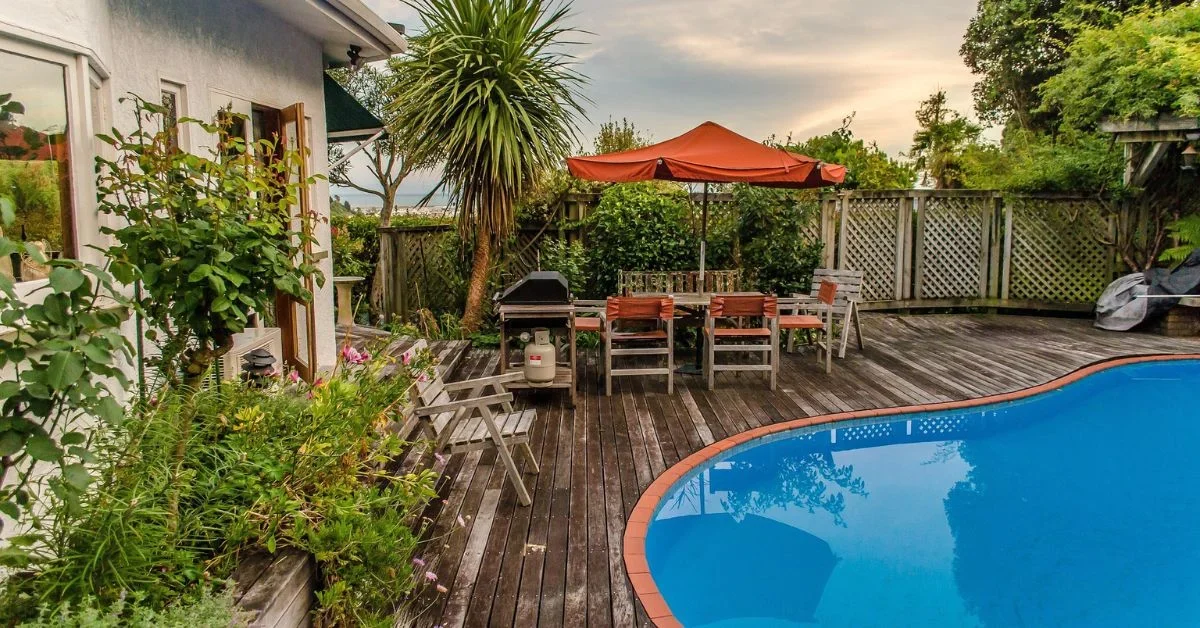
Swimming pool safety upgrades have become increasingly popular among homeowners looking to improve both functionality and comfort in their outdoor spaces. One of the most practical additions is a swimming pool handrail, which helps create safer entry and exit points around slippery pool areas. Many homeowners search “how to install a swimming pool handrail” when upgrading older pools or improving accessibility for children, seniors, and guests.
A properly installed handrail provides better balance, increased confidence, and added support while entering or leaving the pool. However, installation requires careful planning because incorrect drilling or poor anchoring can damage the pool deck and reduce long-term stability. Choosing corrosion-resistant materials is also important for outdoor durability, especially in changing weather conditions.
Ridgewell Colorado specializes in outdoor hardscape and poolside improvements designed for both safety and aesthetics across Denver and surrounding Colorado areas.
Swimming pool handrails are more than just a convenience feature—they play a major role in improving pool safety, accessibility, and overall outdoor usability. Wet pool decks and slippery entry points can create fall risks, especially for children, elderly individuals, or anyone with limited mobility. A properly installed handrail provides additional support and balance, making pool access safer and more comfortable. Handrails also improve the functionality of pool steps and shallow entries by creating more stable movement in and out of the water. Beyond safety, modern handrails can enhance the overall appearance of the pool area by blending with surrounding hardscape and outdoor design features. As outdoor living spaces become more advanced, homeowners increasingly view pool handrails as both a safety upgrade and a long-term investment in backyard usability and comfort.
Pool handrails significantly reduce slip-and-fall risks by giving swimmers a stable support point while entering or exiting the pool. This is especially important around wet surfaces where balance can easily be lost. Handrails improve accessibility for children, seniors, and individuals who may struggle with pool steps or deeper water transitions. They also help create a safer recreational environment for families and guests by increasing confidence and stability around the pool area. Properly positioned handrails make movement more controlled and comfortable, reducing the chances of accidents during everyday pool use.
In addition to safety, handrails improve the functionality and comfort of the entire poolside area. They make pool steps easier to navigate and help users feel more secure while moving through shallow entries. This improves long-term convenience and usability, particularly for homeowners who frequently entertain guests or use their pool regularly. Modern pool handrails are also designed to complement outdoor aesthetics, allowing safety features to blend naturally into patios, decks, and surrounding landscaping. A well-integrated handrail enhances both practicality and visual balance in outdoor living spaces.
Installing a pool handrail offers several long-term benefits beyond immediate safety improvements. It increases user confidence around the pool, supports safer movement, and creates a more accessible outdoor environment for all age groups. Handrails are also durable, low-maintenance outdoor features that hold up well in changing weather conditions when built from corrosion-resistant materials. In many cases, they improve property appeal by making the pool area feel more functional and professionally designed. For homeowners investing in outdoor living spaces, a pool handrail is a practical upgrade that combines safety, usability, and visual enhancement in one feature.
Swimming pool handrails are available in several styles and installation types, each designed for different pool layouts, usage needs, and aesthetic preferences. Choosing the right handrail depends on factors such as pool structure, safety requirements, maintenance preferences, and outdoor design goals. Some handrails are designed for permanent stability, while others offer removable flexibility for seasonal use. Material selection is also important because pool environments expose metal components to constant moisture, chemicals, and changing weather conditions. Understanding the differences between handrail types helps homeowners choose an option that provides the right balance of durability, functionality, and appearance. Proper selection also ensures the handrail integrates smoothly with the surrounding hardscape and outdoor living space.
Stainless steel pool handrails are the most common option for residential pools because they provide excellent durability and corrosion resistance. These handrails are specifically designed to withstand constant exposure to moisture, pool chemicals, and outdoor weather conditions without rusting or weakening over time. Their clean and modern appearance also works well with contemporary pool and patio designs. In addition to long lifespan and low maintenance requirements, stainless steel handrails offer strong structural support, making them a reliable long-term safety feature for outdoor pool environments.
Removable pool handrails are a flexible solution for homeowners who prefer seasonal installation or easier maintenance access around the pool. These handrails can be detached when not needed, making them useful for smaller residential pools or pool areas with limited space. They also simplify cleaning and maintenance tasks around the deck area. While removable systems still provide strong support when properly installed, they offer added convenience for homeowners who want adjustable pool safety features without a fully permanent installation.
Surface-mounted and in-deck handrails differ mainly in their installation method and overall appearance. Surface-mounted rails attach directly onto the deck surface, making installation easier and more accessible for retrofit projects. In-deck handrails, on the other hand, are anchored into sockets installed within the concrete or deck structure itself, providing a cleaner and more integrated appearance. In-deck systems often offer greater stability and a more professional finish, while surface-mounted options can be simpler for DIY installations. The right choice depends on the pool structure, deck material, and desired visual style.
Choosing the right pool handrail involves balancing safety, durability, and design compatibility. Homeowners should consider factors such as weight capacity, pool layout, deck structure, and how the handrail will fit into the surrounding outdoor design. Material selection is particularly important in Colorado climates where changing temperatures and outdoor exposure can affect long-term performance. A properly selected handrail should provide dependable support while also complementing the overall appearance of the pool area and nearby hardscape features.
Proper planning is one of the most important parts of installing a swimming pool handrail correctly. A poorly placed or improperly aligned handrail can reduce safety, create awkward movement around the pool, and even damage the surrounding deck surface during installation. Before drilling or mounting any hardware, homeowners should carefully evaluate the pool layout, entry points, and deck material to ensure the handrail provides stable and comfortable support.
Planning also helps avoid costly mistakes such as incorrect measurements, uneven installation, or poor positioning near stairs and shallow areas. Different pool deck materials may require different drilling methods and anchoring systems, especially when working with concrete or paver surfaces.
A well-planned installation improves long-term durability, appearance, and overall pool usability. For homeowners with custom outdoor spaces, professional planning can also help integrate the handrail naturally into the surrounding hardscape and landscape design.
Choosing the correct installation location is essential for maximizing both safety and usability around the swimming pool. Most pool handrails are installed near steps, shallow-end entries, or sloped access points where additional balance and support are needed the most.
The goal is to position the handrail where users naturally enter and exit the water without forcing awkward movement. Poor placement can make the handrail uncomfortable to use or reduce walking space around the pool deck.
Homeowners should also consider traffic flow around the outdoor area, ensuring the rail does not interfere with seating, pathways, or other hardscape features. Proper positioning creates a safer and more functional pool environment for children, seniors, and guests.
Accurate measuring and marking are critical before drilling into the pool deck surface. Even small alignment errors can result in an uneven handrail that looks unprofessional and may not provide proper support during use.
Homeowners should carefully measure the spacing between anchor points according to the manufacturer’s specifications. Marking the drilling locations clearly helps maintain proper alignment and prevents shifting during installation.
It is also important to double-check distances from pool edges, steps, and surrounding hardscape features before drilling begins. Careful preparation helps reduce mistakes and ensures the finished handrail remains stable, secure, and visually balanced within the outdoor space.
Pool deck material plays a major role in determining how the handrail should be installed. Concrete decks are generally easier to drill into and are commonly used for standard anchor installations. However, improper drilling can still cause cracking or surface damage if handled incorrectly.
Paver pool decks require additional care because individual pavers may shift or crack under pressure during drilling. In some cases, sections of pavers may need reinforcement beneath the surface to provide proper anchoring support.
Understanding the deck material also helps determine the right drill bits, anchor systems, and installation methods needed for long-term stability. Protecting nearby hardscape surfaces during installation is equally important to maintain the appearance and durability of the outdoor space.
Using the proper tools and materials is essential for installing a swimming pool handrail safely and securely. Since the installation process involves drilling into hard outdoor surfaces such as concrete or pavers, homeowners need equipment that provides accurate drilling, stable anchoring, and long-term corrosion resistance.
Most residential pool handrail installations require basic power tools along with specialized mounting hardware designed for outdoor and wet conditions. Choosing high-quality stainless steel components is especially important because pool environments constantly expose metal surfaces to water, chemicals, and changing weather conditions.
In addition to installation tools, safety equipment should always be used during drilling and anchoring work. Proper preparation helps reduce installation mistakes, prevents deck damage, and improves overall project efficiency.
Having the correct tools ready before starting also makes the installation process faster and safer while helping ensure the handrail remains stable and durable over time.
Several basic tools are required for installing a swimming pool handrail correctly. A power drill with masonry drill bits is one of the most important tools because it allows homeowners to create anchor holes in concrete or stone surfaces safely and accurately.
Other common tools include measuring tape, markers, wrenches, and screwdrivers for alignment and fastening. A level may also be used to ensure the handrail remains straight during installation.
Dust and debris created during drilling should be cleaned immediately using a vacuum or blower to maintain visibility and improve anchor stability. Using the correct tools helps create cleaner holes, reduces installation errors, and improves the overall appearance of the finished handrail setup.
Mounting hardware is responsible for keeping the swimming pool handrail securely attached to the pool deck. Most installations use stainless steel anchor sockets along with bolts and fastening hardware specifically designed for outdoor pool environments.
Rust-resistant materials are extremely important because constant exposure to water and pool chemicals can quickly damage low-quality metal components. Stainless steel anchors provide better durability, strength, and long-term reliability.
The type of anchors used may vary depending on the pool deck material and handrail design. Properly installed anchors help prevent loosening, shifting, or instability over time, especially in high-traffic residential pool areas where safety and structural support are critical.
Safety equipment should always be used when installing a pool handrail because the process involves power tools, drilling dust, and heavy metal components. Protective gloves help improve grip and reduce hand injuries while handling tools and hardware.
Safety eyewear is important for protecting the eyes from concrete dust, debris, and small particles created during drilling. Dust masks or respiratory protection may also be necessary when drilling into concrete surfaces for extended periods.
Homeowners should also keep electrical tools away from standing water and maintain a dry working environment around the pool area. Following proper safety precautions reduces accident risks and helps create a smoother and safer installation process overall.
Preparing the pool deck properly before installation is essential for creating a safe, secure, and long-lasting swimming pool handrail system. Skipping preparation steps can lead to unstable anchoring, damaged deck surfaces, uneven installation, or costly repairs later. Before drilling begins, homeowners should carefully inspect the condition of the pool deck and ensure the installation area is clean, level, and structurally sound.
Preparation also helps protect nearby hardscape and landscaping features from dust, cracks, or accidental damage during drilling. Concrete, pavers, and decorative coping materials each require careful handling to avoid weakening the surrounding surface.
Taking time to prepare the area correctly improves installation accuracy and helps the handrail remain stable under constant use. Proper preparation also creates a cleaner and more professional-looking final result that blends naturally into the surrounding outdoor design.
Before installing a swimming pool handrail, the installation area should be thoroughly cleaned and inspected. Dirt, dust, leaves, and loose debris can interfere with accurate measurements and reduce drilling precision during the installation process.
Homeowners should also carefully inspect the concrete or pool deck surface for cracks, weak spots, or signs of damage that could affect anchor stability. Installing a handrail into damaged concrete may lead to loosening or structural failure over time.
Ensuring the surface is stable and solid before drilling helps improve the durability and safety of the installation. A clean and properly inspected work area also reduces installation mistakes and creates better overall alignment for the finished handrail system.
Accurately marking drill locations is one of the most important steps in pool handrail installation. Incorrect spacing or poor alignment can result in uneven rails, unstable mounting, or awkward positioning around the pool entry area.
Homeowners should carefully measure anchor locations according to the handrail manufacturer’s specifications before making any drill marks. Measurements should be checked multiple times to ensure proper spacing and alignment.
Using clear markings helps guide drilling accurately and reduces the risk of damaging the surrounding deck surface. Properly marked drill locations also improve the overall appearance of the installation and ensure the handrail provides safe, balanced support for pool users.
Protecting nearby pool features during installation is important to prevent accidental damage to hardscape surfaces and outdoor landscaping. Drilling near pool coping, decorative pavers, or stone surfaces can create cracks, chips, or scratches if proper precautions are not taken.
Dust and debris generated during drilling should also be managed carefully to avoid spreading into the pool water or surrounding outdoor areas. Using protective coverings and cleaning the work area regularly helps maintain a cleaner installation environment.
Nearby plants, garden beds, and landscape features should also be protected from heavy tools and debris movement. Careful preparation helps preserve the appearance and durability of the entire outdoor space during the handrail installation process.
Installing a swimming pool handrail requires careful attention to detail to ensure the finished structure remains secure, level, and safe for long-term use. The installation process involves drilling anchor holes, securing mounting hardware, attaching the rail properly, and testing the final stability before the handrail is used regularly.
Each step plays an important role in the overall durability of the installation. Poor drilling accuracy, loose anchors, or improper alignment can reduce safety and lead to long-term maintenance problems around the pool area.
Most residential handrail systems are designed for concrete or hardscape pool decks and require proper anchoring methods to handle constant weight and outdoor exposure. Taking time to complete each installation stage carefully helps improve pool accessibility, user confidence, and overall outdoor functionality.
Drilling anchor holes correctly is one of the most important parts of the installation process. Homeowners should use masonry drill bits specifically designed for concrete or stone surfaces to create clean and accurate holes for the anchor sockets.
The depth and alignment of the holes must match the manufacturer’s specifications to ensure the anchors fit securely and remain stable under pressure. Drilling too shallow or at incorrect angles can weaken the installation and create long-term safety risks.
After drilling is complete, all dust and debris should be removed from the holes using a vacuum or blower. Clean holes help improve anchor grip and allow the mounting hardware to sit properly within the pool deck surface.
Once the anchor holes are prepared, the next step is installing the anchor sockets securely into the concrete or pool deck surface. Properly installed anchors provide the structural support needed to keep the handrail stable during daily use.
The anchor sockets should sit level and flush with the deck surface to prevent uneven positioning of the rail. Homeowners should carefully follow manufacturer instructions regarding adhesives, expansion anchors, or fastening systems used during installation.
Strong anchoring is especially important in outdoor pool environments where moisture, movement, and changing weather conditions can place additional stress on the hardware over time. A properly secured foundation helps ensure long-term durability and safety.
After the anchor sockets are installed, the swimming pool handrail can be positioned and attached using the provided mounting hardware. Careful alignment is important to ensure the rail sits evenly and provides comfortable support for entering and exiting the pool.
Bolts and fasteners should be tightened gradually and evenly to avoid shifting the handrail out of alignment during installation. Homeowners should also check the rail height and angle to ensure it feels natural and secure during use.
A properly attached handrail improves both safety and appearance while helping the pool area feel more accessible and professionally finished within the outdoor space.
Before using the swimming pool handrail regularly, the entire installation should be tested carefully for strength and stability. The rail should remain firm without movement, wobbling, or loosening when moderate pressure is applied.
All bolts, anchors, and mounting points should be inspected again after installation to confirm they are fully tightened and secure. Any signs of instability should be corrected immediately before the handrail is used around wet or slippery pool surfaces.
Testing the installation thoroughly helps ensure the handrail provides safe and reliable support for pool users while reducing long-term maintenance and safety concerns.
Many pool handrail installation problems are caused by simple mistakes that could have been avoided with proper planning and preparation. Incorrect positioning, weak anchoring, poor material selection, and careless drilling can all reduce the safety, durability, and appearance of the finished installation.
Because swimming pool areas are constantly exposed to moisture, weather changes, and heavy foot traffic, even small installation errors can become serious long-term problems. Poorly installed handrails may loosen over time, damage the surrounding pool deck, or fail to provide safe support when needed most.
Understanding the most common installation mistakes helps homeowners avoid unnecessary repairs and improve the overall success of the project. Careful installation practices and high-quality materials are essential for creating a stable and long-lasting pool handrail system.
Incorrect handrail placement is one of the most common mistakes during installation. Installing the rail too close to the pool steps or too far from entry points can make it uncomfortable and difficult to use safely.
Poor placement may also create awkward walking paths or reduce accessibility for children, seniors, and guests entering the pool. The handrail should support natural movement without blocking surrounding outdoor areas.
Careful planning and accurate measurements help ensure the rail provides effective support while improving the overall functionality and safety of the pool environment.
Weak anchoring can significantly reduce the stability and safety of a swimming pool handrail. Insufficient drilling depth, poorly installed anchor sockets, or loose mounting hardware may cause the rail to wobble or shift over time.
Loose bolts and unstable anchors are especially dangerous around slippery pool surfaces where users depend on the handrail for balance and support. Over time, movement can also damage the surrounding concrete or pool deck.
Proper anchoring techniques and regular hardware inspection are essential for maintaining long-term structural stability and user safety.
Using low-quality or non-corrosion resistant materials is another common installation mistake. Pool environments expose metal hardware to water, chlorine, and changing weather conditions, which can quickly cause rust and deterioration.
Rusting hardware weakens the structure of the handrail and negatively affects the appearance of the pool area. Stainless steel components are generally the best option because they provide better durability and long-term resistance to moisture damage.
Choosing high-quality outdoor-rated materials helps extend the lifespan of the handrail system and reduces future maintenance problems.
Improper drilling techniques can damage the surrounding pool deck during installation. Concrete may crack if drilled incorrectly, while decorative pavers or coping stones can chip or loosen under pressure.
Installing anchors too close to edges or weak sections of the deck also increases the risk of surface damage. These issues can lead to expensive repairs and reduce the overall appearance of the outdoor space.
Careful drilling, proper spacing, and controlled installation methods help protect the pool deck and maintain the quality of nearby hardscape features.
Choosing between DIY and professional pool handrail installation depends on the complexity of the project, the condition of the pool deck, and the homeowner’s experience with tools and outdoor construction work. While many basic residential handrails can be installed without professional help, the process still requires accurate measuring, proper drilling techniques, and secure anchoring to ensure long-term safety.
DIY installation may work well for simple pool layouts with standard concrete surfaces and clear access points. However, more complex pool areas with decorative pavers, uneven deck surfaces, or custom hardscape designs often require professional installation methods to avoid costly mistakes and structural issues.
Because pool handrails are safety-related features, stability and precision are extremely important. Poor installation can reduce support strength, damage the surrounding deck, or create future maintenance problems around the pool area.
DIY swimming pool handrail installation is suitable for homeowners handling simple residential projects with basic tools and standard concrete pool decks. Many handrail systems are designed for straightforward installation using anchor sockets and pre-measured mounting hardware.
One of the main benefits of DIY installation is lower upfront cost since homeowners avoid professional labor expenses. However, successful installation still depends on accurate measuring, careful drilling, and proper alignment throughout the process.
DIY projects can become more difficult when dealing with decorative hardscape surfaces, older concrete, or uneven pool layouts. Mistakes in drilling or anchoring may reduce long-term stability and increase safety risks around slippery pool areas.
Professional poolside installation services provide a more precise and reliable solution for homeowners who want maximum durability and safety. Experienced installers understand proper anchoring methods, drilling techniques, and structural considerations required for long-lasting handrail performance.
Professional installation also reduces the risk of damaging surrounding pool decks, pavers, or coping during drilling and mounting. This is especially important for custom outdoor living spaces where appearance and structural integrity matter equally.
In addition to stronger installation quality, professional services help integrate the handrail naturally into the surrounding hardscape and landscape design.
Swimming pool handrails should not only improve safety but also blend naturally into the overall outdoor design of the property. A well-integrated handrail system enhances the appearance of the pool area while maintaining functionality and accessibility for daily use.
Modern outdoor living spaces often combine hardscape features, seating areas, landscaping, and entertainment zones around the pool. Choosing the right handrail style, material, and placement helps create a balanced outdoor environment that feels cohesive rather than overly industrial or intrusive.
Careful integration also improves long-term usability by ensuring the handrail works comfortably alongside patios, pathways, pergolas, and surrounding landscape features. A thoughtfully designed pool area creates a safer, more attractive, and more functional outdoor space for homeowners and guests.
Matching swimming pool handrails with nearby hardscape features helps create a cleaner and more visually balanced outdoor appearance. Stainless steel handrails are commonly paired with modern paver patios, concrete decks, and stone pathways because of their sleek and durable design.
Coordinating colors, finishes, and installation placement with surrounding materials allows the handrail to blend naturally into the outdoor environment rather than stand out awkwardly.
Proper integration also improves overall outdoor flow by connecting safety features with surrounding hardscape elements such as pool decks, walkways, and seating zones in a more cohesive way.
Modern pool areas are often designed as complete outdoor living spaces rather than isolated recreational zones. Integrating handrails alongside pergolas, seating areas, outdoor kitchens, and entertainment spaces helps improve both functionality and comfort around the pool.
Well-planned layouts create smoother movement between pool access points and nearby gathering areas while maintaining safe walking paths throughout the yard.
Combining safety upgrades with outdoor living features also increases property usability and helps homeowners create more enjoyable backyard environments for relaxation and entertainment.
Landscaping plays an important role in improving both the appearance and safety of swimming pool environments. Poolside landscaping should focus on slip-resistant surfaces, proper drainage, and low-maintenance plant choices that can tolerate outdoor pool conditions.
Decorative rock, drought-friendly plants, and well-planned pathways help reduce maintenance while creating a cleaner and more organized outdoor appearance. Proper drainage planning is also important for preventing water buildup near the pool deck.
Balanced landscaping design helps soften hardscape areas while improving overall comfort and visual appeal around the pool space.
Proper swimming pool handrail installation provides important safety, accessibility, and usability benefits for residential outdoor spaces. A securely installed handrail helps users maintain balance while entering and exiting the pool, especially around slippery surfaces and wet pool decks.
Pool handrails are particularly beneficial for children, seniors, and individuals who may need additional support when using pool steps or shallow entry areas. Stable handrails also increase confidence and comfort for guests using the pool regularly.
In addition to safety improvements, professionally installed handrails contribute to the overall appearance and functionality of the outdoor environment. High-quality materials and proper anchoring methods help ensure long-term durability while reducing future maintenance concerns.
A well-designed poolside handrail system also adds value to outdoor living spaces by combining practical safety features with modern hardscape aesthetics and improved usability.
Ridgewell Colorado provides professional outdoor construction and hardscape solutions designed to improve both safety and functionality for residential properties throughout Denver and surrounding Colorado areas. From poolside upgrades to full outdoor living transformations, the company focuses on creating durable and visually balanced outdoor spaces built for long-term performance.
With experience in patios, retaining walls, pergolas, and landscape planning, Ridgewell Colorado understands how to integrate pool handrails naturally into the surrounding hardscape and outdoor environment. Careful installation methods help improve safety while protecting nearby pool decks and landscape features.
The company also emphasizes proper drainage planning, weather-resistant materials, and durable construction techniques suited for Colorado’s changing climate conditions. Whether homeowners need a simple poolside upgrade or a larger outdoor renovation project, Ridgewell Colorado provides customized solutions focused on long-term usability, appearance, and outdoor comfort.
Yes, many pool handrails are specifically designed for retrofit installation on existing residential pools. The process usually involves drilling into stable concrete surfaces and securing anchors properly. Existing pools with strong and level deck areas are generally suitable for handrail upgrades.
Stainless steel is considered one of the best materials for swimming pool handrails because it is durable, corrosion-resistant, and suitable for wet outdoor environments. It also provides a modern appearance and requires minimal maintenance over time. High-quality stainless steel performs well in changing weather conditions.
Most permanent swimming pool handrails require secure anchoring into concrete or another stable structural surface. Proper anchoring helps prevent movement, loosening, and long-term safety issues. Concrete provides strong support for residential pool handrail systems when installed correctly.
Professional installation can help reduce safety risks, improve alignment accuracy, and prevent damage to surrounding pool decks or hardscape features. It also provides stronger long-term durability and more reliable anchoring. Professional services are especially helpful for complex pool layouts or decorative outdoor spaces.
Swimming pool handrails are an important outdoor safety upgrade that improves accessibility, stability, and overall pool usability for homeowners and guests. Proper installation helps create safer pool entry points while enhancing the comfort and functionality of the surrounding outdoor environment.
Although DIY installation may work for simple residential projects, larger or more complex pool layouts often require professional expertise to ensure proper anchoring, alignment, and long-term durability. Careful planning and high-quality materials are essential for preventing future maintenance issues and maintaining safe pool access.
By combining safety features with thoughtful hardscape and landscape design, homeowners can create outdoor spaces that are both functional and visually appealing. Ridgewell Colorado provides professional outdoor solutions built for durability, safety, and long-term outdoor living performance across Colorado properties.
Fresh Ideas From our experts
What Your Neighbors Are Saying
"They are the best. We have a small backyard and needed it to reflect a relaxing and enjoyable space. Chris used our ideas and came up with the perfect design. Then Francisco came with the cost projections and worked to accommodate our budget. He and his team then used their considerable construction expertise to create a space that’s an extension of our home where we spend a lot of time. Thank you for creating such a welcoming space."
"I am new to Colorado and hired Chris and Francisco to design and implement a plan for my new build house. From design to finish and followup they were beyond my expectations. They are in constant contact throughout the project and their crew is very hardworking. They followup when the project is finished and are always available for whatever questions you may have. I would highly recommend them, and I get many complements on the work they have done for me."
"We were thrilled with the end result of our brick paver patio refurbishment. We hired Chris, Francisco and their team to fix our sinking brick paver patio. It had been installed by a different landscaper, and after only 2 years it was collapsing. Boo hiss! Ridgewell Landscape and Design came in and saved the day! They discovered the original installation was done incorrectly, and that’s why it was collapsing. Their team worked hard and got the project done quickly and professionally. We are thrilled with the look and finish of the job! Bravo!!"