- Get A Free Consultation.
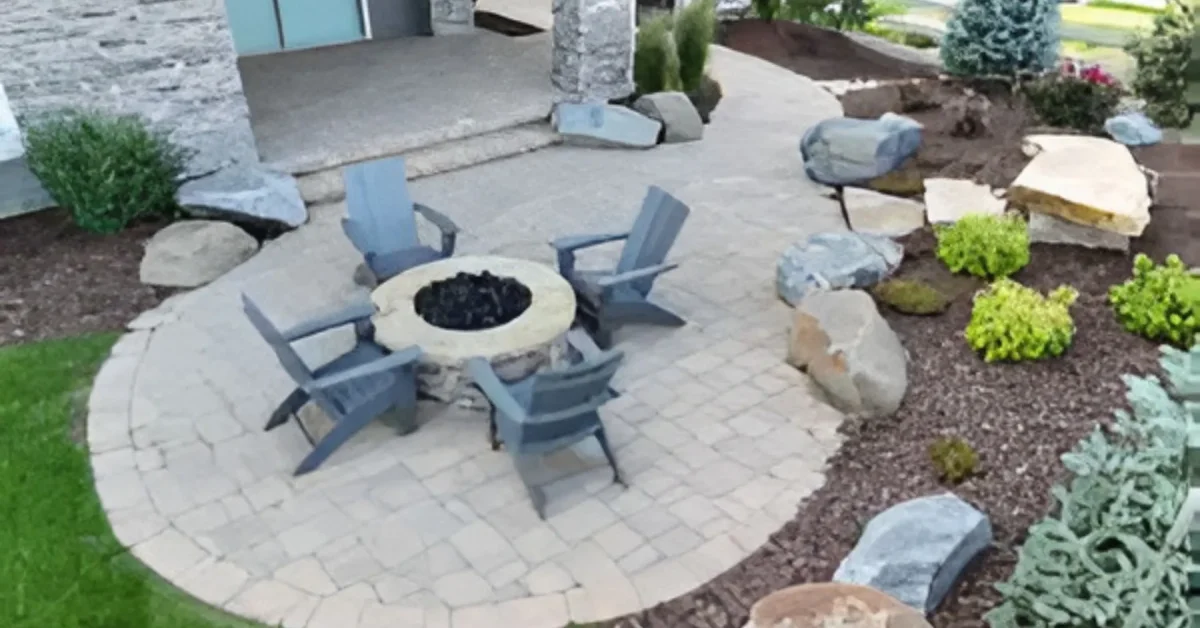
Hardscaping is an essential part of any landscape, encompassing patios, walkways, retaining walls, fire pits, and outdoor kitchens. These non-living elements add structure, functionality, and style to your yard, creating spaces for entertaining, relaxing, and enhancing curb appeal.
Beyond aesthetics, well-designed hardscape features increase property value, improve usability, and provide long-lasting durability, especially in climates like Denver’s with seasonal snow, freeze-thaw cycles, and occasional heavy rain.
Understanding the costs of hardscaping is crucial for homeowners and business owners alike. Prices can vary widely depending on materials, project size, complexity, and installation requirements.
Without careful planning, budgets can quickly escalate, or cheaper shortcuts can lead to maintenance issues and reduced longevity. By estimating costs early, you can prioritize features, select the best materials, and plan a design that balances beauty and functionality.
At Ridgewell Colorado, we provide expert guidance for both residential and commercial hardcape projects, helping clients navigate the cost considerations while achieving their design goals.
From selecting durable materials suited to Denver’s climate to crafting layouts that maximize outdoor living space, our team ensures projects are cost-effective, high-quality, and tailored to each property. Proper planning and professional installation turn your hardscape investment into a long-term, valuable addition to your home or business.
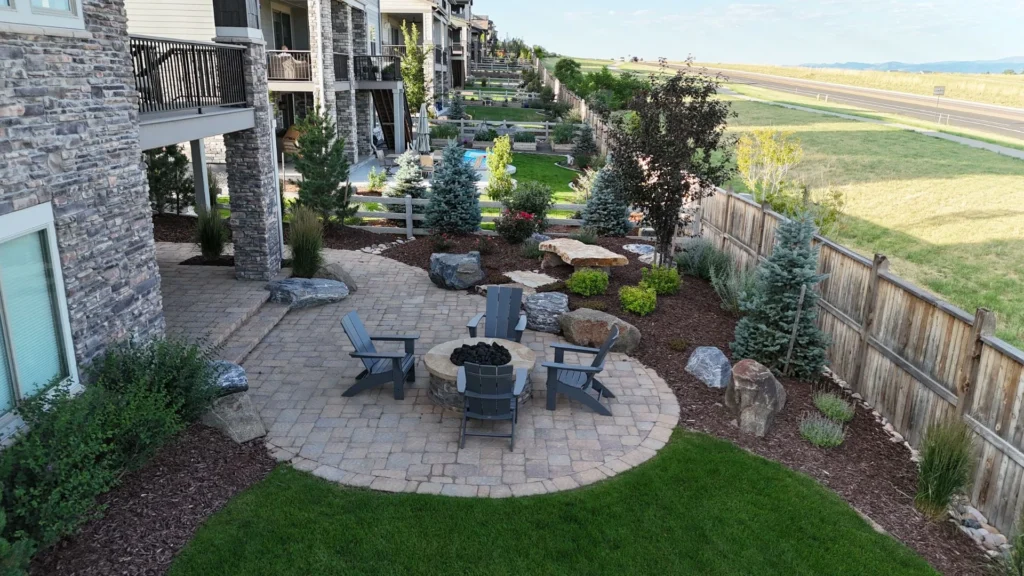
Hardscaping refers to the non-living elements of a landscape that provide structure, functionality, and visual appeal. Common features include patios, walkways, retaining walls, fire pits, and outdoor kitchens. These components create defined spaces for relaxation, entertainment, and practical use, turning a yard into an extension of the home.
The benefits of hardscaping extend beyond aesthetics. Patios and seating areas encourage outdoor living, while walkways and retaining walls improve safety and accessibility throughout your property.
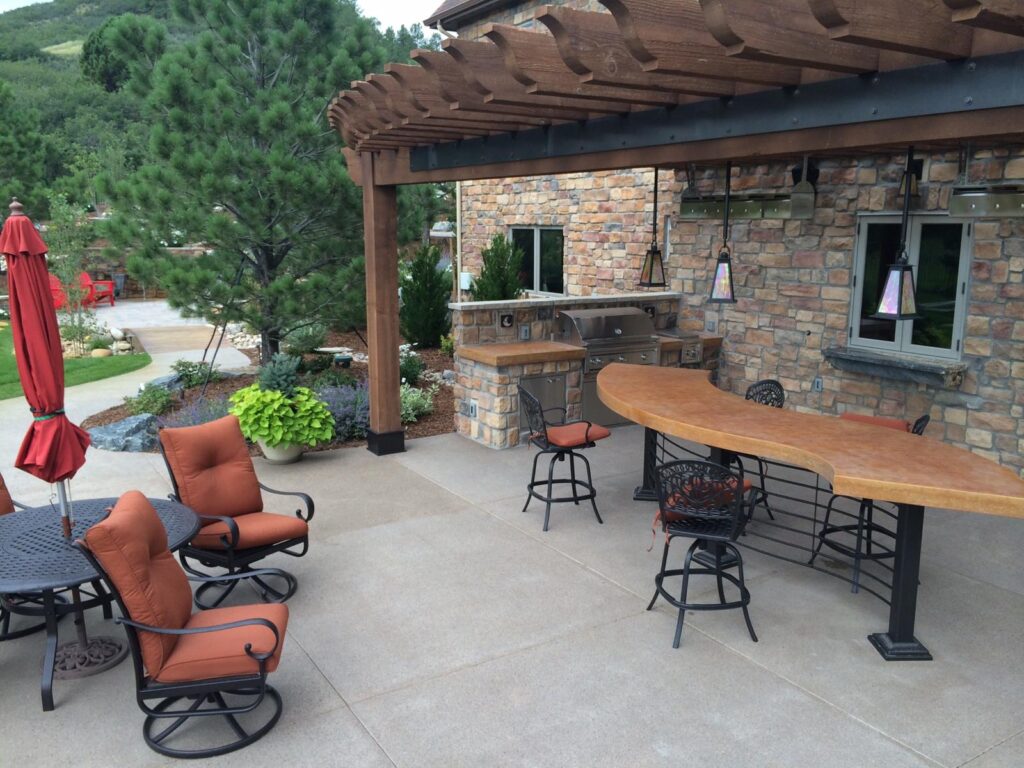
Fire pits and outdoor kitchens enhance usability, allowing homeowners to host gatherings or enjoy Colorado’s crisp evenings without leaving their backyard. Properly installed hardscape also reduces ongoing maintenance.
Durable materials like stone, concrete, and pavers withstand weather extremes, minimize erosion, and protect soil and plantings from damage caused by heavy foot traffic or seasonal runoff.
Hardscaping significantly boosts curb appeal and property value. A well-designed, cohesive layout can make a home feel larger, more inviting, and professionally maintained, which is especially important in competitive Denver real estate markets.
By combining form, function, and durability, hardscape investments deliver long-term returns. With guidance from Ridgewell Colorado, homeowners can ensure that every feature is tailored to local terrain and climate, creating a beautiful, functional, and low-maintenance outdoor space.
Hardscaping projects range from functional walkways and patios to decorative features like fire pits, outdoor kitchens, and retaining walls. Choosing the right materials is critical for durability, aesthetics, and long-term value.
Concrete is a versatile and cost-effective option, ideal for patios, driveways, and sidewalks. While it can be plain, stamped or colored concrete adds texture and style, though it may crack over time if not properly installed.
Pavers offer flexibility, durability, and easy repairs since individual pieces can be replaced without disturbing the entire surface. Natural stone provides unmatched beauty and longevity, with unique textures and colors, but typically comes at a higher cost and requires professional installation for stability.
Wood elements, such as decking or pergolas, add warmth and a classic look but require regular maintenance to prevent rot, warping, or insect damage.
When planning hardscape in Denver, it’s essential to consider freeze-thaw cycles, snow, and seasonal temperature fluctuations. Durable materials like stone, concrete, and high-quality composite decking withstand these conditions better than softer or untreated options. By carefully selecting materials that suit both your design vision and local climate, homeowners can create hardscape features that are functional, attractive, and built to last for years.
Read Also: Does Hardscape Increases Home Value
Several factors influence the overall cost of a hardscaping project, making it important for homeowners to plan carefully. Material selection is one of the most significant considerations.
Natural stone, stamped concrete, pavers, and composite decking vary widely in price, durability, and maintenance requirements. Choosing premium materials increases upfront costs but often delivers better longevity and visual appeal.
Project size and complexity also play a major role. Larger patios, multi-level retaining walls, or integrated outdoor kitchens require more materials, labor, and precise planning. Complex layouts with curves, elevation changes, or custom features demand specialized skills, which can raise labor costs.
Site preparation, including grading, clearing, and soil stabilization, is another critical expense, as is proper drainage installation to prevent water damage or erosion. Certain projects may also require permits, adding both time and cost to the process.
Local conditions in Denver further impact pricing. Clay-heavy soils, freeze-thaw cycles, and seasonal weather patterns require materials and techniques that withstand extreme conditions.
Seasonal demand can also influence costs, with spring and summer installations sometimes priced higher due to increased labor demand.
Working with professionals like Ridgewell Colorado helps homeowners account for all these factors, ensuring accurate budgeting, efficient project execution, and durable, high-quality hardscapes tailored to Denver’s unique climate and terrain.
Hardscaping costs vary widely based on materials, project size, and complexity, with notable differences between residential and commercial projects. For patios, small residential installations using concrete pavers may start around $2,500–$5,000, while larger, custom stone patios can range from $10,000–$20,000. Retaining walls typically cost $15–$50 per square foot, depending on height, materials, and engineering requirements.
Fire pits range from $1,000 for simple designs to $5,000 or more for built-in, stone-surround models, and outdoor kitchens often start at $7,000, climbing well above $20,000 for premium, fully equipped setups.
Commercial projects generally involve larger-scale installations with more durable materials, additional permits, and professional labor, which increases costs compared to residential properties. Driveways, entryways, and shared outdoor spaces in commercial settings may require engineered surfaces, reinforced structures, and accessibility features, adding to both material and labor expenses.
Accurate, personalized quotes are essential for budgeting any hardscape project. Prices can fluctuate based on local labor rates, seasonal demand, soil conditions, and site preparation needs.
Professionals like Ridgewell Colorado provide tailored estimates that consider your property’s terrain, climate, and design goals, ensuring that investment decisions reflect realistic costs while delivering durable, high-quality results that enhance usability, aesthetics, and property value.
Location plays a significant role in determining hardscaping costs, even within the same state. In the Denver metro area, projects in cities like Centennial, Parker, or Aurora can vary due to differences in labor rates, local regulations, and material availability.
Urban areas with higher demand for skilled labor or specialty materials may see slightly higher installation costs compared to suburban neighborhoods with more readily accessible contractors and suppliers.
Soil type is another key factor. Denver’s clay-heavy soils often require additional grading, stabilization, and drainage solutions to prevent shifting, erosion, or cracking. Sloped properties add complexity, as retaining walls, terracing, and leveling increase both labor and material costs. Flat sites, by contrast, are typically simpler to prepare and may reduce overall expenses.
Material availability also influences pricing. Locally sourced stone or pavers may cost less than imported options, while specialty materials or custom features can raise the total investment. Seasonal factors, such as high demand in spring and summer, can further affect cost, making timing an important consideration.
Working with professionals like Ridgewell Colorado ensures that local factors are thoroughly assessed. Our expertise in Denver’s terrain, climate, and municipal requirements allows us to provide accurate estimates and design hardscapes that are both cost-effective and durable, maximizing value and long-term satisfaction.
Creating a realistic budget is key to a successful hardscaping project, ensuring you achieve both functionality and aesthetic appeal without overspending. Start by defining your priorities—decide which features are essential, like a patio, walkway, or retaining wall, and which are optional enhancements such as fire pits or outdoor kitchens. This helps allocate funds strategically while maintaining a cohesive design.
Consider phased project options if your budget is limited. Completing your hardscape in stages allows you to spread costs over time, starting with high-impact elements like a main patio or primary walkway, and adding additional features later. This approach ensures your yard remains functional and visually appealing at every stage, without compromising long-term plans.
Material selection is another crucial factor in budgeting. Using a “good, better, best” strategy helps balance cost and durability. For example, concrete pavers may serve as a “good” option, natural stone as “better,” and custom-designed stone or composite decking as the “best.” Choosing wisely ensures quality without exceeding your budget.
Experts like Ridgewell Colorado guide homeowners through cost planning, material selection, and phased implementation, creating hardscapes that are durable, attractive, and tailored to Denver’s climate. Thoughtful budgeting protects your investment while maximizing usability, curb appeal, and property value.
When planning a hardscaping project, asking the right questions can save time, money, and frustration. Start by requesting pricing transparency—ensure the quote breaks down materials, labor, permits, and any potential additional costs. Clarify the project timeline, including start and completion dates, to avoid unexpected delays and plan around seasonal weather considerations.
Warranties are another important topic. Understanding what is covered for materials, workmanship, and structural elements protects your investment and provides peace of mind. Additionally, ask about ongoing maintenance requirements for patios, pavers, retaining walls, or outdoor kitchens to ensure your hardscape remains functional and attractive over time.
Working with professionals like Ridgewell Colorado guarantees clear communication and no hidden costs. Our team provides detailed estimates, outlines the installation process, and explains maintenance recommendations tailored to Denver’s climate and terrain.
By addressing these questions upfront, homeowners can make informed decisions, avoid surprises, and ensure that every aspect of their hardscaping project meets expectations for quality, durability, and long-term value.
Planning a hardscaping project requires careful consideration, but many homeowners make mistakes that compromise both aesthetics and longevity. One of the most common errors is ignoring site preparation and drainage needs.
Proper grading, soil stabilization, and water management are critical, especially in Denver, where freeze-thaw cycles and seasonal snow can damage patios, retaining walls, and walkways if not addressed. Overlooking these factors can lead to shifting pavers, erosion, or costly repairs down the line.
Another mistake is choosing low-quality materials to reduce upfront costs. While inexpensive stone, concrete, or wood may seem budget-friendly, they often lack the durability needed to withstand Colorado’s climate. Low-quality materials can crack, fade, or warp, resulting in frequent maintenance and diminished property value. Investing in high-quality, weather-resistant materials ensures your hardscape remains functional and visually appealing for years.
Finally, taking on complex projects as a DIY endeavor can be risky. Patios, retaining walls, outdoor kitchens, or multi-level designs require technical knowledge, precise measurements, and specialized tools.
Errors during installation can compromise safety and longevity. Professionals like Ridgewell Colorado bring experience, proper materials, and local climate expertise to deliver durable, aesthetically pleasing hardscapes while minimizing costly mistakes.
Proper maintenance is essential for preserving the appearance, functionality, and value of hardscape features. Patios and walkways should be regularly swept to remove dirt, leaves, and debris, and pressure washing can help prevent stains and moss buildup.
Sealing stone, concrete, or pavers adds a protective layer against moisture, freeze-thaw damage, and Colorado’s seasonal weather fluctuations. Retaining walls should be inspected for shifting, cracks, or erosion, while outdoor kitchens require routine cleaning and checks for wear on countertops, appliances, and fixtures.
Using high-quality, weather-resistant materials significantly increases the lifespan of hardscaping. Natural stone, concrete pavers, and composite decking are durable choices that withstand Denver’s temperature extremes, heavy snow, and occasional rain without warping, cracking, or fading.
Proper installation is equally important—ensuring correct grading, drainage, and reinforcement prevents structural issues that could shorten a feature’s usability.
Professionals like Ridgewell Colorado combine top-tier materials with expert installation techniques, delivering hardcapes designed to endure for decades. Routine maintenance, paired with quality construction, ensures patios, walls, and outdoor kitchens remain safe, functional, and visually appealing over time.
By investing in both craftsmanship and upkeep, homeowners maximize durability, reduce long-term costs, and enjoy beautiful, functional outdoor spaces year-round.
Installing a 20×20 patio typically costs between $3,000 and $8,000, depending on materials, design complexity, and labor. Concrete is usually the most affordable, while natural stone or decorative pavers can increase the cost significantly.
The cheapest hardscape options include gravel, decomposed granite, mulch paths, or basic concrete slabs. These materials are affordable, easy to install, and still provide functional and visually appealing outdoor surfaces for walkways, patios, or garden areas.
Yes, hardscapes can increase home value by improving curb appeal, adding functional outdoor living spaces, and enhancing landscape design. Patios, walkways, retaining walls, and decks make a property more attractive and usable for potential buyers.
Advantages of hardscape include low maintenance, durability, increased outdoor functionality, improved drainage, and enhanced property aesthetics. Hardscapes like patios, pathways, and retaining walls provide structure, complement plants, and create long-lasting, attractive outdoor spaces.
Fresh Ideas From our experts
What Your Neighbors Are Saying
"They are the best. We have a small backyard and needed it to reflect a relaxing and enjoyable space. Chris used our ideas and came up with the perfect design. Then Francisco came with the cost projections and worked to accommodate our budget. He and his team then used their considerable construction expertise to create a space that’s an extension of our home where we spend a lot of time. Thank you for creating such a welcoming space."
"I am new to Colorado and hired Chris and Francisco to design and implement a plan for my new build house. From design to finish and followup they were beyond my expectations. They are in constant contact throughout the project and their crew is very hardworking. They followup when the project is finished and are always available for whatever questions you may have. I would highly recommend them, and I get many complements on the work they have done for me."
"We were thrilled with the end result of our brick paver patio refurbishment. We hired Chris, Francisco and their team to fix our sinking brick paver patio. It had been installed by a different landscaper, and after only 2 years it was collapsing. Boo hiss! Ridgewell Landscape and Design came in and saved the day! They discovered the original installation was done incorrectly, and that’s why it was collapsing. Their team worked hard and got the project done quickly and professionally. We are thrilled with the look and finish of the job! Bravo!!"