- Get A Free Consultation.
Choosing the right surface material is important when designing a durable driveway, and many homeowners wonder, can patio pavers be used for driveway applications. Patio pavers can create an attractive and customized appearance, but they are not always designed to handle the weight and pressure created by vehicles.
The difference between standard patio pavers and driveway-rated pavers comes down to factors such as thickness, strength, material quality, and proper installation methods. Using unsuitable pavers or skipping important preparation steps can lead to problems like cracking, sinking, shifting, and surface damage over time. Colorado homeowners also need to consider freeze-thaw cycles, temperature changes, and moisture conditions that can impact driveway performance.
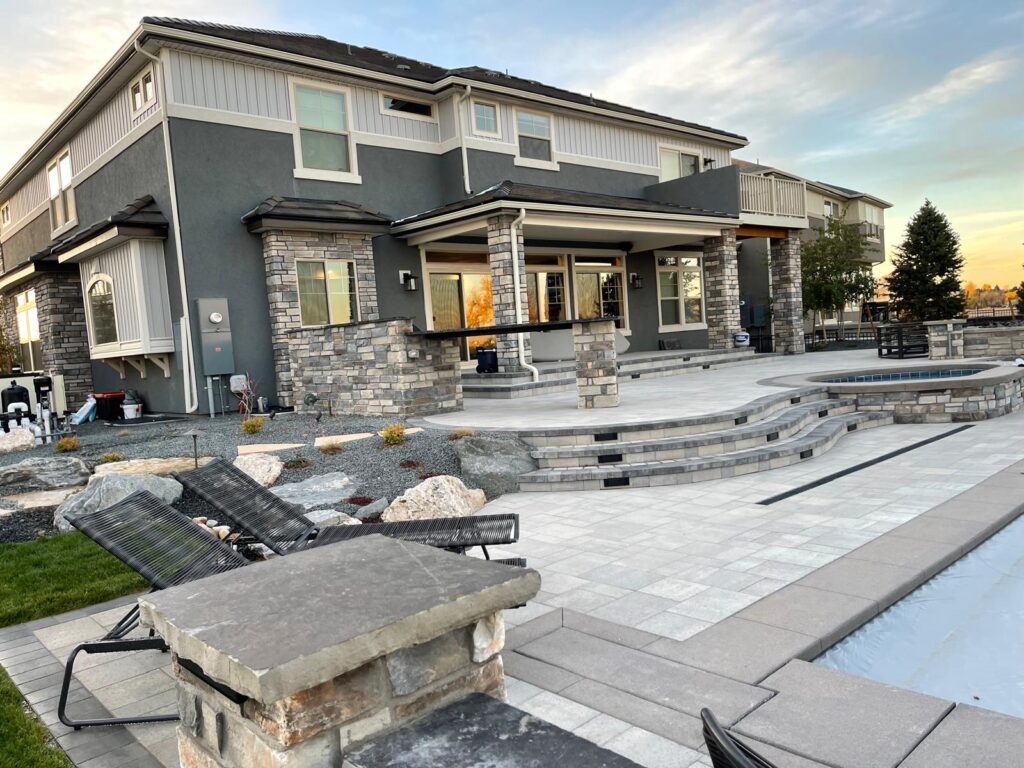
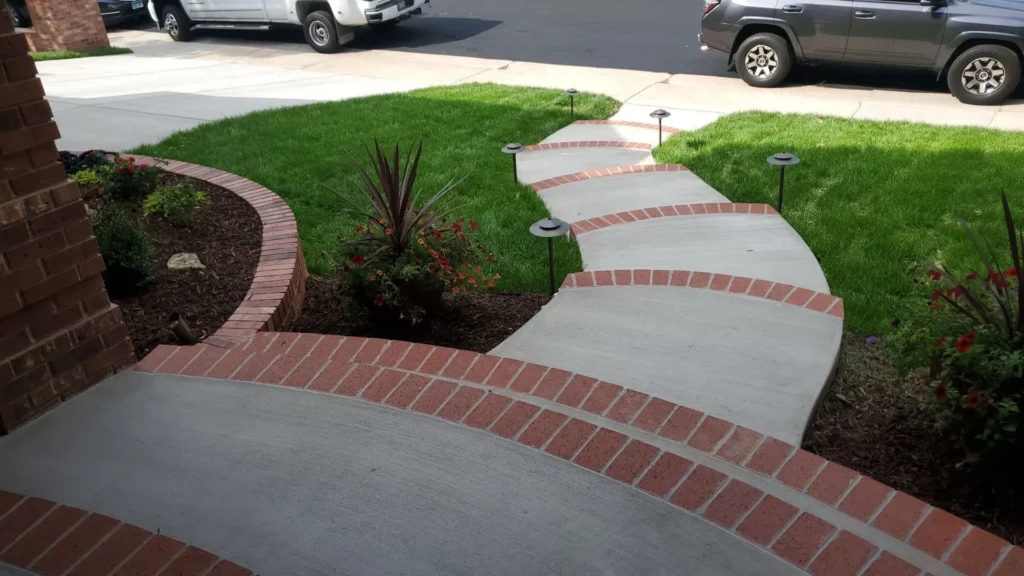
A properly designed driveway requires a strong foundation, effective drainage, and materials selected for long-term durability. Ridgewell Colorado helps homeowners create reliable outdoor spaces through professional Paver Patio Installation, Landscape Design Services, and driveway hardscaping solutions designed for Colorado properties.
Using patio pavers for a driveway depends on the type of paver, expected vehicle traffic, and the quality of installation. While some patio pavers may work in specific situations, standard options are generally designed for walking areas rather than heavy vehicle loads. Driveways experience repeated pressure from cars, trucks, and changing weather conditions, which means they require stronger materials and a properly prepared base. Understanding the differences between patio and driveway pavers helps homeowners avoid costly mistakes and choose a solution that provides both beauty and long-term performance.
Patio pavers are primarily designed for pedestrian areas such as patios, walkways, and outdoor seating spaces where the surface only needs to support foot traffic. Driveway pavers, on the other hand, are manufactured to handle the heavier loads created by vehicles and frequent movement. The main differences are usually found in thickness, structural strength, and durability ratings. Driveway-rated pavers typically have a stronger composition and are installed with a deeper, more compacted foundation to prevent movement. While both options can provide attractive outdoor surfaces, choosing the correct type based on usage is essential for avoiding future damage.
Standard patio pavers may not always be strong enough to support regular vehicle traffic, especially when exposed to heavier loads over time. Cars create concentrated pressure points that can cause thinner pavers to crack, shift, or become uneven if they are not designed for driveway use. Even strong-looking materials can fail if they lack the required thickness or if they are installed on a weak foundation. Before using patio pavers for a driveway, homeowners should check manufacturer specifications and confirm whether the product is rated for vehicle applications. Proper installation and a strong base can also significantly influence how well the surface performs.
In certain situations, patio pavers may be suitable for limited driveway applications. They may work for decorative sections, occasional vehicle access areas, or spaces that experience minimal traffic. However, success depends heavily on choosing durable materials and installing them over a properly prepared foundation. Areas such as side parking spaces, short access paths, or decorative borders may have fewer structural demands compared to a full driveway. Homeowners should carefully consider how the space will be used before selecting materials. Consulting with a hardscape professional can help determine whether a specific paver option is appropriate for the project.
Not every paver is designed to withstand the demands of driveway use. A suitable driveway paver must combine strength, durability, weather resistance, and proper installation support to handle repeated vehicle pressure. Choosing the right material helps prevent common problems such as cracking, sinking, and surface deterioration. Factors such as paver thickness, material type, and resistance to Colorado weather conditions all play an important role in creating a driveway that remains attractive and functional for years.
Paver thickness is one of the most important factors when selecting materials for a driveway. Driveway applications generally require thicker and stronger pavers because they must support the weight of vehicles rather than only pedestrian traffic. Thicker pavers distribute pressure more effectively and reduce the risk of cracking or movement under repeated loads. Along with thickness, the quality of the base installation also determines overall performance. A properly compacted foundation provides additional support and helps prevent shifting caused by vehicle weight, soil movement, and seasonal changes.
The material used for driveway pavers directly affects strength, appearance, and maintenance requirements. Concrete pavers are a popular option because they provide durability, design flexibility, and a wide range of colors and patterns. Clay brick pavers offer a classic appearance and can perform well when properly installed. Natural stone options provide a premium look with unique textures but may require a higher investment depending on the material selected. Each option has different performance characteristics, so homeowners should consider factors such as budget, style preferences, traffic levels, and long-term maintenance before making a decision.
Driveway materials must be able to withstand changing weather conditions, especially in areas like Colorado where freeze-thaw cycles can affect outdoor surfaces. When temperatures drop, moisture trapped within materials or the surrounding ground can expand and create movement that damages poorly installed surfaces. Choosing weather-resistant pavers and using proper drainage techniques helps reduce these risks. Durable materials combined with professional installation provide better resistance against cracking, moisture damage, and seasonal changes. A properly constructed driveway can maintain its appearance and structural strength while handling Colorado’s challenging outdoor conditions.
Before choosing patio pavers for a driveway, homeowners should evaluate several important factors that affect durability, safety, and long-term performance. A driveway experiences much more stress than a typical patio because it must support vehicle weight, repeated movement, and changing weather conditions. Factors such as vehicle usage, foundation preparation, and drainage conditions all influence whether a paver system will perform successfully. Understanding these considerations helps homeowners avoid choosing unsuitable materials and reduces the risk of future repairs.
The type and frequency of vehicles using the driveway play a major role in determining whether patio pavers are suitable. A driveway used only for a single car will experience less stress compared to one designed for multiple vehicles, large SUVs, trucks, or recreational vehicles. Heavier vehicles create more pressure on the surface, increasing the risk of cracking or shifting if the pavers are not designed for these loads. Homeowners should consider daily traffic patterns, vehicle weight, and future needs before selecting materials. Choosing pavers based on actual usage ensures better durability and prevents unnecessary maintenance problems.
A strong foundation is one of the most important factors when installing pavers for driveway use. Proper excavation depth allows enough space for a compacted gravel base and bedding sand layer that support the surface above. Without adequate preparation, pavers can sink, shift, or become uneven due to soil movement and vehicle pressure. The gravel foundation must be installed in layers and compacted properly to create stability. A correctly prepared base provides the strength needed for long-term driveway performance and helps prevent costly repairs caused by settlement.
Proper drainage is essential when using pavers for a driveway because standing water can weaken the foundation and damage the surface over time. The installation area should be designed with the correct slope to allow water runoff and prevent pooling around the pavers. Poor drainage can also increase the effects of freeze-thaw cycles, causing movement and surface damage during Colorado winters. Evaluating soil conditions, managing water flow, and using proper installation techniques help maintain driveway stability and protect the paver system from weather-related issues.
Although patio pavers and driveway pavers may look similar, they are designed for different purposes and performance requirements. Understanding the differences between these materials helps homeowners choose the right option for their outdoor project. Driveway surfaces must handle vehicle weight, repeated pressure, and environmental conditions, while patio areas usually experience lighter pedestrian use. Comparing strength, installation requirements, and long-term costs makes it easier to determine which paver solution provides the best value.
The biggest difference between patio and driveway pavers is their ability to handle weight and pressure. Patio pavers are typically designed for foot traffic, while driveway pavers are engineered to support vehicles and heavier loads. Driveway-rated materials often have higher strength ratings and are manufactured with greater durability in mind. They also work together with a stronger foundation system to distribute weight more effectively. Choosing the correct paver type helps prevent cracking, movement, and premature wear, especially in areas with frequent vehicle traffic.
Driveway paver installation requires more preparation compared to a typical patio project because the surface must support much heavier loads. The base layer usually needs to be deeper, more compacted, and carefully graded to provide proper stability. Stronger edge restraints are also important because they prevent the pavers from spreading under vehicle pressure. Additional compaction during installation helps lock the system together and improves long-term performance. These differences make driveway installation more complex and require careful attention to every construction step.
The cost of patio and driveway pavers can vary depending on material selection, installation requirements, and project size. Driveway pavers may require a higher initial investment because they need stronger materials, deeper foundations, and more detailed preparation. However, properly installed driveway pavers can provide excellent long-term value through durability and easier repairs. Individual damaged pavers can often be replaced without rebuilding the entire surface. Considering both upfront costs and future maintenance helps homeowners make a smarter investment decision.
Installing pavers for a driveway requires careful planning and proper construction techniques to create a surface that can handle vehicle traffic. Unlike simple patio installations, driveway projects require stronger foundations, accurate grading, and precise material placement. Each step, from preparing the ground to securing the final surface, contributes to the driveway’s durability and appearance. Following the correct installation process helps prevent common issues such as sinking, shifting, and drainage problems.
The first step in a driveway paver installation is preparing the existing area correctly. Any old materials, such as concrete, asphalt, or damaged surfaces, may need to be removed before construction begins. The ground must then be excavated to the proper depth to create space for the required base layers. Removing weak soil and preparing a stable subgrade helps prevent future movement and settlement. Proper preparation creates the foundation needed for a strong and long-lasting driveway surface.
A properly built foundation is essential for supporting driveway pavers under vehicle loads. After excavation, a compacted aggregate base is installed to provide structural strength and improve drainage. The material should be placed in layers and thoroughly compacted to create a stable surface. Once the base is complete, a bedding sand layer is added and leveled carefully to provide an even surface for placing the pavers. This foundation system helps distribute weight, reduce movement, and improve the overall lifespan of the driveway.
The final stage involves carefully placing the pavers and securing the surface for long-term performance. Each paver should be positioned evenly while maintaining proper alignment and spacing throughout the driveway. Edge restraints are installed around the perimeter to prevent movement and maintain structural stability. After placement, joint sand is added between the pavers and the surface is compacted to lock everything together. Proper finishing ensures the driveway remains strong, attractive, and capable of handling regular vehicle use.
Using patio pavers for a driveway requires careful planning, correct material selection, and proper installation techniques. Many driveway problems occur when homeowners choose unsuitable pavers, skip important preparation steps, or fail to consider drainage requirements. While pavers can create a beautiful and durable driveway surface, mistakes during planning or installation can lead to cracking, sinking, shifting, and expensive repairs. Understanding these common issues helps homeowners make better decisions and achieve a long-lasting hardscape solution.
One of the most common mistakes is selecting pavers that are designed only for patios or pedestrian areas. Thin or weak pavers may not have the strength required to handle repeated vehicle pressure, especially from heavier cars, trucks, or SUVs. Ignoring manufacturer load recommendations can result in cracking, surface damage, and reduced driveway lifespan. Homeowners should always choose materials based on how the driveway will be used rather than focusing only on appearance. Selecting durable, driveway-appropriate pavers provides better performance and helps maintain the surface over time.
A weak foundation is another major cause of driveway paver failure. Some homeowners focus on installing attractive pavers but overlook the importance of excavation and base preparation. Insufficient excavation depth or poor compaction can cause the ground underneath to shift, leading to uneven surfaces and settlement issues. A properly installed gravel base provides the stability needed to support vehicle weight and seasonal changes. Taking time to prepare a strong foundation is essential for preventing movement and ensuring the driveway remains durable for years.
Poor drainage can significantly affect the performance of a paver driveway. When water collects around or underneath pavers, it can weaken the base and create movement over time. In Colorado, freeze-thaw cycles can make these problems worse by causing water expansion and surface shifting. Proper grading and drainage planning help direct water away from the driveway and reduce the risk of frost-related damage. A well-designed drainage system improves durability and protects the overall structure of the paver installation.
Choosing between DIY and professional driveway paver installation depends on the project’s size, complexity, and the homeowner’s experience level. While DIY installation may appear cost-effective, driveway projects require careful preparation, specialized tools, and knowledge of grading, compaction, and drainage. Professional installation provides greater accuracy and long-term reliability by ensuring every stage of construction is completed correctly.
DIY paver driveway installation can be suitable for homeowners with construction experience and smaller projects. It may reduce upfront costs by eliminating labor expenses, but it requires significant time, effort, and attention to detail. Proper excavation, base preparation, leveling, and compaction are essential steps that cannot be overlooked. Without the correct tools and knowledge, mistakes can lead to uneven surfaces, poor drainage, and costly repairs. Homeowners should carefully evaluate their skills and project requirements before attempting a driveway installation.
Professional installation provides homeowners with expert material selection, accurate grading, and proper foundation preparation. Experienced hardscape contractors understand how to build driveway systems that can withstand vehicle traffic and Colorado weather conditions. Professionals also have access to specialized equipment that improves compaction and installation accuracy. This approach reduces the risk of future issues such as shifting, cracking, and drainage problems while providing better long-term durability.
Selecting the right driveway pavers can significantly improve both the appearance and performance of your outdoor space. The correct materials provide better strength, durability, and resistance against daily vehicle traffic and changing weather conditions. Unlike traditional surfaces, pavers offer flexibility, allowing individual damaged pieces to be repaired or replaced without rebuilding the entire driveway. A properly designed paver driveway can also improve curb appeal, increase property value, and create a more attractive connection between your home and outdoor areas. For Colorado homeowners, choosing durable materials that can handle freeze-thaw cycles and seasonal changes is especially important. With proper installation and quality pavers, homeowners can enjoy a driveway that remains functional, visually appealing, and easier to maintain for many years.
A driveway should not only provide vehicle access but also contribute to the overall design and functionality of your property. By combining hardscape features, landscaping elements, and outdoor living spaces, homeowners can create a more cohesive and attractive exterior environment. Thoughtful planning helps connect the driveway with surrounding areas while improving curb appeal and usability.
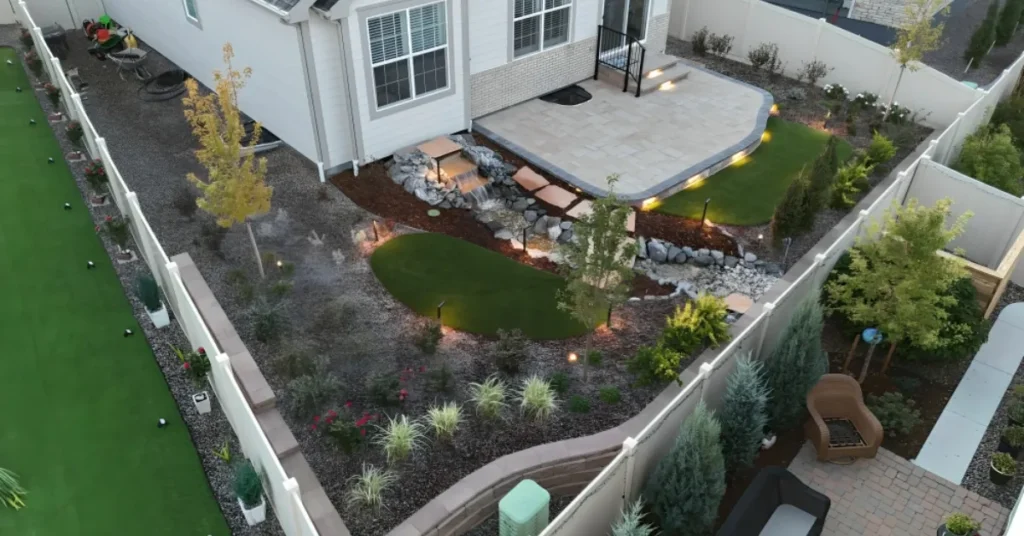
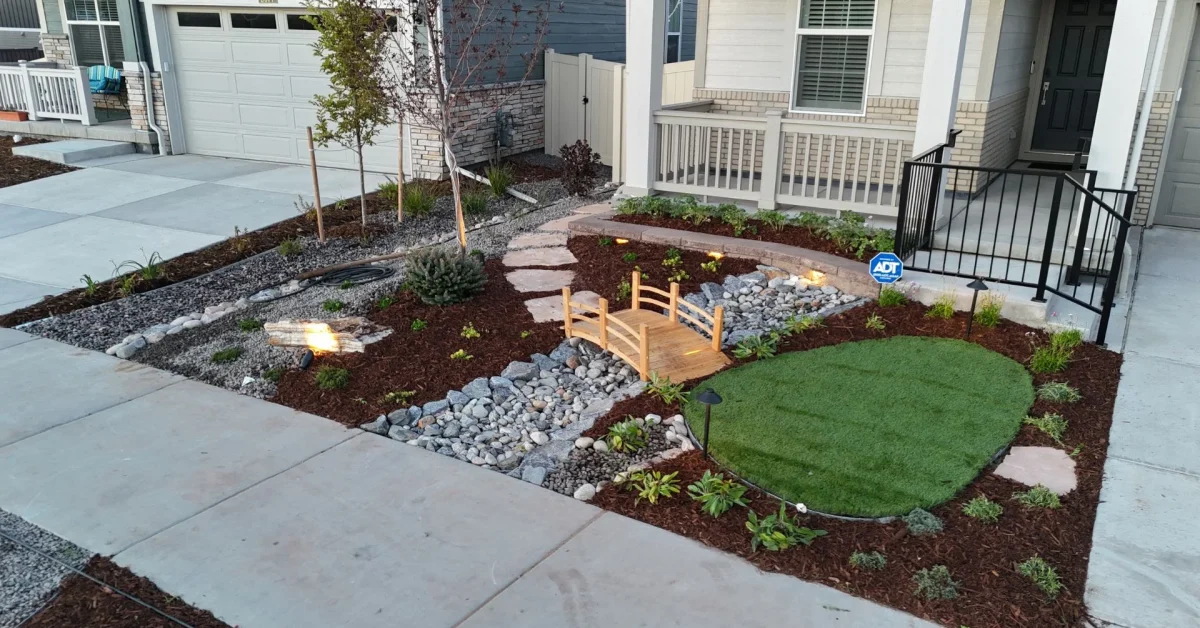
A well-designed driveway works best when it complements the surrounding landscape. Combining driveway pavers with carefully planned plants, garden areas, and outdoor features creates a balanced front yard appearance. Professional landscape planning helps determine the right placement of greenery, pathways, and decorative elements to enhance the overall property design. Choosing plants suited for Colorado conditions can also improve maintenance efficiency while adding natural beauty around the driveway area. A cohesive landscape design ensures that the driveway feels like part of the property rather than a separate feature.
Retaining walls and other structural features can improve both the appearance and functionality of driveway areas, especially on properties with elevation changes. They help manage slopes, control soil movement, and improve drainage around paved surfaces. Properly designed retaining walls can create defined outdoor spaces while protecting hardscape installations from erosion and water-related problems. Combining driveway pavers with structural solutions creates a more stable and visually appealing outdoor environment. These features are especially useful for Colorado properties where grading and drainage management play an important role.
A driveway transformation can also become part of a larger outdoor living upgrade. Connecting driveway designs with patios, seating areas, pergolas, and entertainment spaces creates a seamless flow throughout the property. Homeowners can extend their usable outdoor space by incorporating shaded areas, cooking zones, and comfortable gathering spaces. Adding features such as pergolas and outdoor kitchens allows the driveway area to connect with a complete backyard experience rather than functioning only as a parking surface. A well-planned outdoor environment improves both lifestyle and property value.
Choosing the right hardscape contractor is essential for creating a driveway and outdoor space that delivers long-term performance. Ridgewell Colorado specializes in designing and installing durable outdoor solutions that combine functionality, appearance, and Colorado-specific construction requirements. From driveway pavers to complete landscape transformations, our team focuses on quality workmanship and reliable installation methods.
Ridgewell Colorado provides professional paver and hardscape installation services designed for durability and visual appeal. Our approach includes accurate grading, proper base preparation, and detailed installation techniques to create surfaces that withstand everyday use and changing weather conditions. Whether installing a driveway, patio, or walkway, we focus on building strong foundations that prevent common issues such as shifting, sinking, and drainage problems. Our experience allows us to deliver outdoor surfaces that are both attractive and built to last.
Creating a successful outdoor project requires more than installing individual features. Ridgewell Colorado provides complete outdoor design solutions including driveways, patios, walkways, retaining walls, and custom landscape features. We help homeowners create connected outdoor environments where every element works together. From initial planning to final installation, our team focuses on creating spaces that improve functionality, comfort, and property appearance. Whether you need a driveway upgrade or a full backyard transformation, we provide solutions tailored to your needs.
Colorado’s weather requires outdoor installations that can handle temperature changes, moisture, and freeze-thaw cycles. Ridgewell Colorado uses durable materials and construction methods designed specifically for local conditions. Our drainage-focused approach helps prevent water-related damage while improving the lifespan of outdoor surfaces. By combining quality materials with proper installation techniques, we create outdoor spaces that remain reliable and attractive throughout the seasons.
Some patio pavers may support occasional vehicle use, but standard options are not always designed for repeated traffic. Choosing the correct material and installing a strong foundation is essential to prevent cracking and shifting.
Patio pavers are mainly designed for foot traffic, while driveway pavers are built to withstand heavier vehicle loads. Driveway pavers are typically thicker, stronger, and installed with deeper base preparation.
Most driveway pavers are generally thicker than patio pavers because they need to support vehicle weight. The exact thickness depends on the material, traffic level, and manufacturer recommendations.
A properly installed paver driveway can provide excellent durability and easier repairs compared to concrete. Individual pavers can be replaced if damaged, making maintenance simpler over the long term.
Patio pavers can sometimes be used for driveway applications, but choosing the right type of paver is essential for achieving long-term performance. Driveway-rated materials, proper foundation preparation, and effective drainage planning all play an important role in preventing issues such as cracking, shifting, and surface damage.
Using unsuitable pavers or skipping important installation steps can lead to costly repairs and reduced driveway lifespan. Professional planning and installation help ensure the surface remains durable, attractive, and capable of handling Colorado weather conditions.
Ridgewell Colorado provides expert paver, hardscape, and outdoor living solutions designed for homeowners throughout Denver, Aurora, Arvada, Lakewood, and surrounding Colorado communities.
Fresh Ideas From our experts
What Your Neighbors Are Saying
"They are the best. We have a small backyard and needed it to reflect a relaxing and enjoyable space. Chris used our ideas and came up with the perfect design. Then Francisco came with the cost projections and worked to accommodate our budget. He and his team then used their considerable construction expertise to create a space that’s an extension of our home where we spend a lot of time. Thank you for creating such a welcoming space."
"I am new to Colorado and hired Chris and Francisco to design and implement a plan for my new build house. From design to finish and followup they were beyond my expectations. They are in constant contact throughout the project and their crew is very hardworking. They followup when the project is finished and are always available for whatever questions you may have. I would highly recommend them, and I get many complements on the work they have done for me."
"We were thrilled with the end result of our brick paver patio refurbishment. We hired Chris, Francisco and their team to fix our sinking brick paver patio. It had been installed by a different landscaper, and after only 2 years it was collapsing. Boo hiss! Ridgewell Landscape and Design came in and saved the day! They discovered the original installation was done incorrectly, and that’s why it was collapsing. Their team worked hard and got the project done quickly and professionally. We are thrilled with the look and finish of the job! Bravo!!"