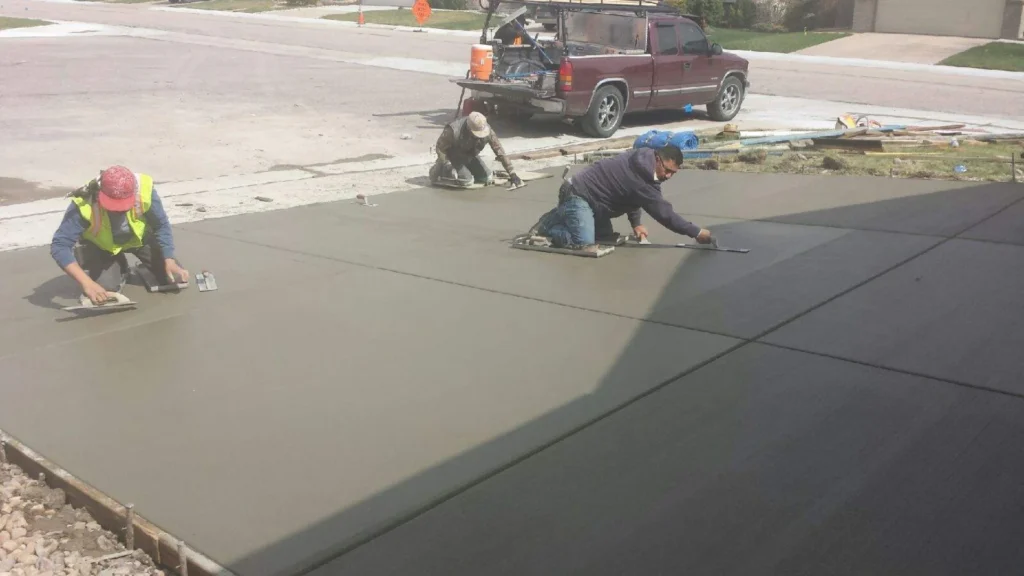
- Get A Free Consultation.
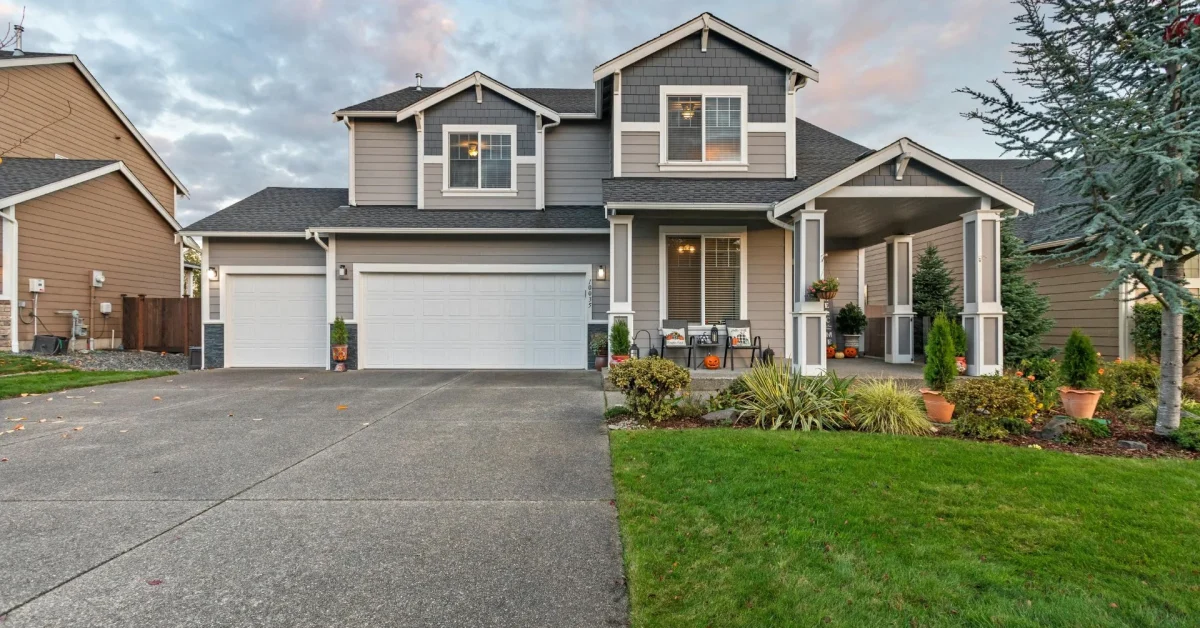
Concrete landscape curbing has become increasingly popular across Denver and surrounding areas like Aurora, Arvada, and Lakewood as homeowners look for durable and visually clean ways to define their outdoor spaces. Unlike traditional plastic edging or loose stone borders, concrete curbing offers a permanent, structured finish that enhances both functionality and appearance. Many homeowners search do it yourself concrete landscape curbing as a way to improve curb appeal while keeping costs lower through DIY installation.
This type of edging is commonly used to separate lawns from garden beds, define walkways, and create neat transitions around patios and driveways. While DIY methods can be effective for smaller projects, achieving a smooth, professional finish requires careful planning and technique. Mistakes in leveling or mixing can affect long-term durability. That’s why many homeowners eventually turn to professionals like Ridgewell Colorado for precision installation and integrated landscape design solutions across the Denver metro area.
Concrete landscape curbing is a permanent edging system used in landscaping to create clean, defined borders between different outdoor surfaces. Its primary purpose is to improve organization, structure, and visual appeal in residential and commercial landscapes. Unlike temporary edging materials, concrete curbing is poured and shaped in place, making it a long-lasting solution for outdoor design.
It differs significantly from plastic edging, which can shift or deteriorate over time, and from stone borders, which may require frequent maintenance or resetting. Concrete curbing offers a seamless and stable finish that holds its shape for years, even in changing weather conditions.
There are several styles of concrete curbing available depending on design preferences and functionality. Extruded or continuous curbing is the most common type, where concrete is formed into a smooth, uninterrupted line along the landscape edge. This creates a clean and modern appearance that works well in most residential yards.
Stamped or decorative curbing adds texture and pattern to the surface, allowing homeowners to mimic the look of stone, brick, or other materials. Colored concrete options are also popular, giving homeowners the ability to match or contrast with existing landscaping features for a more customized design.
One of the main advantages of concrete curbing is its long-lasting durability. Once installed, it can withstand harsh weather conditions and daily wear without shifting or breaking down. This makes it a reliable choice for Colorado’s freeze-thaw climate.
It also helps prevent grass and weed spread between lawn and garden areas, reducing maintenance needs over time. In addition, concrete curbing significantly enhances curb appeal by creating clean, structured lines that make outdoor spaces look more professional and well-maintained.
Proper planning is essential before starting any do it yourself concrete landscape curbing project. Taking time to evaluate your outdoor space ensures better results, fewer mistakes, and a more professional-looking finish. In Colorado homes, where landscapes often combine lawns, patios, and xeriscaping elements, planning becomes even more important for long-term durability and design consistency.
Good planning also helps you determine how much material is needed, where the curbing should be placed, and how it will integrate with existing features. Without a clear plan, issues such as uneven lines, poor drainage, or mismatched design can easily occur.
Concrete curbing can be installed in several key areas around the property. Common locations include garden beds, walkways, driveways, and patios, where it helps define edges and improve visual separation. It is also widely used for lawn separation, keeping grass from spreading into flower beds or gravel areas.
For homeowners looking to improve overall landscape flow, curbing can be integrated into full landscape design services, ensuring that every outdoor element works together cohesively.
When designing your curbing layout, you can choose between straight lines or curved borders depending on your landscape style. Straight edges offer a modern, structured look, while curved designs create a softer, more natural flow.
It’s also important to match the curbing with existing hardscape features such as patios, retaining walls, or pathways. Consistency in design ensures the entire outdoor space feels unified and professionally planned rather than fragmented or uneven.
Before installation, it’s essential to consider local soil conditions and environmental factors. Soil stability plays a major role in how well the curbing sets and holds over time. Poor or shifting soil can lead to cracking or movement if not properly prepared.
Colorado’s freeze-thaw cycles are another important factor. Seasonal temperature changes can cause expansion and contraction in concrete, so proper installation techniques are necessary to reduce long-term damage and ensure durability.
Before starting any do it yourself concrete landscape curbing project, gathering the right tools and materials is essential for achieving a clean, durable finish. Concrete curbing requires accuracy and consistency, so having everything prepared in advance helps avoid delays and mistakes during installation.
The primary material you will need is a quality concrete mix, which forms the structure of the curbing. Depending on your design, you may also use edging forms or molds to help shape the concrete into clean, consistent lines. Basic hand tools such as a shovel, trowel, and level are necessary for digging, shaping, and ensuring the curbing is even throughout the installation process.
Additional equipment includes stakes and a string line for marking layouts, a wheelbarrow or mixer for preparing concrete, and essential safety gear like gloves and protective eyewear. Using the right tools not only improves efficiency but also ensures a more professional-looking and longer-lasting result.
Installing concrete curbing requires a structured approach to ensure durability, alignment, and a clean finish. Following each step carefully helps prevent common issues such as uneven edges or cracking, especially in Colorado’s changing weather conditions.
Start by marking your curbing layout using stakes and a string line. This helps define the exact shape and path of the curbing before any digging begins. Take your time when planning curves and edges, as this stage determines the overall appearance of the finished project.
Next, dig a shallow trench along the marked line. Remove any grass, roots, rocks, or debris to create a clean working surface. A level and stable base is essential to ensure the curbing sets properly and maintains its shape over time.
If you are using edging forms or molds, secure them firmly in place along the trench. Make sure they are level and aligned correctly to maintain consistent height and shape throughout the project. Proper form installation is key to achieving a professional-looking result.
Prepare your concrete mix according to the recommended ratios. Once ready, pour it evenly into the forms, ensuring there are no gaps or air pockets. Consistent pouring helps maintain strength and uniformity across the entire curb.
Use a trowel to shape and smooth the surface of the curbing. This step allows you to refine edges and create a clean finish. If desired, you can also add decorative textures or patterns while the concrete is still workable.
Allow the concrete to cure for the recommended time before removing any forms or molds. Once removed, inspect the curbing and make any final touch-ups needed to perfect the finish. Proper curing ensures long-term strength and durability.
Even with careful planning, several common mistakes can affect the success of a do it yourself concrete landscape curbing project. One of the most frequent issues is poor ground preparation, which can lead to uneven settling or cracking over time.
Inconsistent height or misalignment is another problem that can make the curbing look unprofessional and uneven. Using the wrong concrete mix ratio can also weaken the structure, reducing its lifespan and durability.
Removing forms too early is a critical mistake, as it can cause the curbing to lose shape before it has fully set. Finally, not accounting for natural expansion and contraction—especially in Colorado’s freeze-thaw climate—can lead to cracking and long-term damage. Avoiding these mistakes ensures a stronger, cleaner, and more professional finish.
When planning do it yourself concrete landscape curbing, one of the biggest decisions homeowners face is whether to complete the project themselves or hire professionals. Both options have advantages, but the right choice often depends on budget, skill level, and the complexity of the landscape design.
DIY installation is often chosen for its lower upfront cost, making it attractive for homeowners working on smaller landscaping projects. It can be a practical option for simple straight-line curbing around garden beds or basic lawn borders. With the right tools and careful preparation, it is possible to achieve decent results. However, DIY work requires time, physical effort, and attention to detail. Mistakes in leveling, mixing, or alignment can reduce both appearance and durability over time.
Professional installation offers a significantly higher level of precision, consistency, and long-term performance. At Ridgewell Colorado, we ensure every curbing project is accurately shaped and built to withstand Colorado’s freeze-thaw conditions without cracking or shifting. Our installations are seamlessly integrated with broader outdoor improvements, including paver patio services, retaining wall installation, and pergola construction, creating a fully cohesive landscape design. This approach ensures both visual appeal and structural durability across your entire outdoor space.
The cost of concrete landscape curbing in Colorado varies depending on design complexity, materials used, and whether the project is completed as DIY or professionally installed. On average, pricing is typically calculated per linear foot, with simple designs costing less and decorative or stamped finishes increasing the overall price.
For DIY projects, costs are generally lower since labour is not included, but expenses for tools, materials, and potential mistakes should still be considered. Professional installation costs more upfront but provides long-term value through durability, precision, and reduced maintenance needs.
Several factors influence the final price, including project size, soil conditions, accessibility, and design requirements. Custom layouts, colored concrete, or integrated landscaping features can also increase the total cost. While DIY may seem more affordable initially, professional installation often proves more cost-effective over time due to improved durability and fewer repairs.
Concrete curbing works best when it is thoughtfully integrated into the overall landscape design rather than treated as a standalone feature. It helps bring structure, flow, and definition to outdoor spaces, especially in modern Colorado homes where functionality and aesthetics are equally important.
One of the most effective uses of curbing is creating clean transitions around patios and hardscape areas. It helps define edges and separates different materials, such as grass, gravel, and pavers. When combined with professional paver patio services, curbing enhances the overall structure and gives the outdoor space a polished, finished look.
Concrete curbing is also ideal for defining garden beds, creating clear boundaries that improve organisation and visual appeal. It helps contain soil, mulch, and plants within designated areas while preventing grass from spreading into planting zones. This makes garden maintenance easier and keeps the landscape looking neat and well-structured.
In Colorado, xeriscaping is a popular choice due to its water efficiency and low maintenance requirements. Concrete curbing complements these landscapes by providing clean separation between drought-tolerant plants, gravel, and decorative elements. When integrated with xeriscaping services, curbing enhances both functionality and design consistency across the entire outdoor space.
Concrete curbing is a long-lasting landscaping feature, but proper maintenance ensures it stays strong and visually appealing for years. After completing a do it yourself concrete landscape curbing project, ongoing care helps prevent damage and preserves the clean, defined look of your outdoor space.
One of the most important maintenance steps is regular cleaning and sealing. Dirt, debris, and weather exposure can gradually affect the surface, so occasional washing helps maintain its appearance. Applying a sealant adds an extra layer of protection against moisture, staining, and freeze-thaw damage, which is especially important in Colorado’s changing climate.
Preventing cracks is another key factor in long-term durability. Small surface cracks can sometimes develop due to temperature shifts, but sealing and timely repairs help stop them from spreading. Seasonal inspections are also recommended to check for any movement, settling, or wear, ensuring your curbing remains stable and intact throughout the year.
Choosing the right team for your landscape improvements makes a significant difference in both quality and longevity. Ridgewell Colorado brings local expertise across Denver and surrounding areas, including Aurora, Arvada, and Lakewood, ensuring every project is tailored to regional soil conditions and climate challenges.
We provide custom concrete curbing solutions combined with full-service landscaping, helping homeowners create cohesive and functional outdoor spaces. Our team uses high-quality materials and proven installation techniques to deliver durable results that stand the test of time.
From design to installation, every detail is handled with precision to ensure clean lines, structural strength, and long-term performance. Whether it’s curbing, patios, retaining walls, or complete landscape transformations, Ridgewell Colorado focuses on delivering reliable, professional results that enhance both curb appeal and property value.
DIY concrete curbing is moderately difficult and requires basic construction skills, patience, and the right tools. While small, simple projects can be manageable, achieving a professional finish is challenging for beginners. Mistakes in mixing, leveling, or shaping can affect durability and appearance. For larger or more complex landscapes, hiring professionals is often the better choice.
Concrete curbing can last many years, often decades, when properly installed and maintained. Its lifespan depends on installation quality, weather conditions, and maintenance practices such as sealing and crack prevention. In Colorado’s freeze-thaw climate, correct installation is especially important for long-term durability.
Yes, concrete curbing improves curb appeal by creating clean, defined landscape borders. This enhances the overall appearance of outdoor spaces and makes properties more attractive to potential buyers. A well-maintained landscape with structured edging can positively influence property value.
Concrete curbing can crack due to ground movement, temperature changes, or improper installation. However, using the correct mix, proper base preparation, and sealing can significantly reduce this risk. Preventative maintenance helps ensure long-lasting performance and stability.
Concrete landscape curbing is a highly effective way to enhance structure, organisation, and visual appeal in any outdoor space. From planning and preparation to installation and maintenance, each step plays an important role in achieving a durable and professional finish. When done correctly, it provides long-lasting definition that improves both functionality and aesthetics.
While do it yourself concrete landscape curbing can be a cost-effective option for smaller projects, proper technique and experience are essential for achieving high-quality results. Mistakes in preparation or installation can lead to long-term issues, especially in climates like Colorado’s.
For homeowners looking for precision, durability, and a seamless landscape finish, professional installation is often the best choice. Ridgewell Colorado provides expert curbing and full landscaping solutions across Denver and surrounding areas. Contact us today to transform your outdoor space with reliable, long-lasting results.
Fresh Ideas From our experts
What Your Neighbors Are Saying
"They are the best. We have a small backyard and needed it to reflect a relaxing and enjoyable space. Chris used our ideas and came up with the perfect design. Then Francisco came with the cost projections and worked to accommodate our budget. He and his team then used their considerable construction expertise to create a space that’s an extension of our home where we spend a lot of time. Thank you for creating such a welcoming space."
"I am new to Colorado and hired Chris and Francisco to design and implement a plan for my new build house. From design to finish and followup they were beyond my expectations. They are in constant contact throughout the project and their crew is very hardworking. They followup when the project is finished and are always available for whatever questions you may have. I would highly recommend them, and I get many complements on the work they have done for me."
"We were thrilled with the end result of our brick paver patio refurbishment. We hired Chris, Francisco and their team to fix our sinking brick paver patio. It had been installed by a different landscaper, and after only 2 years it was collapsing. Boo hiss! Ridgewell Landscape and Design came in and saved the day! They discovered the original installation was done incorrectly, and that’s why it was collapsing. Their team worked hard and got the project done quickly and professionally. We are thrilled with the look and finish of the job! Bravo!!"