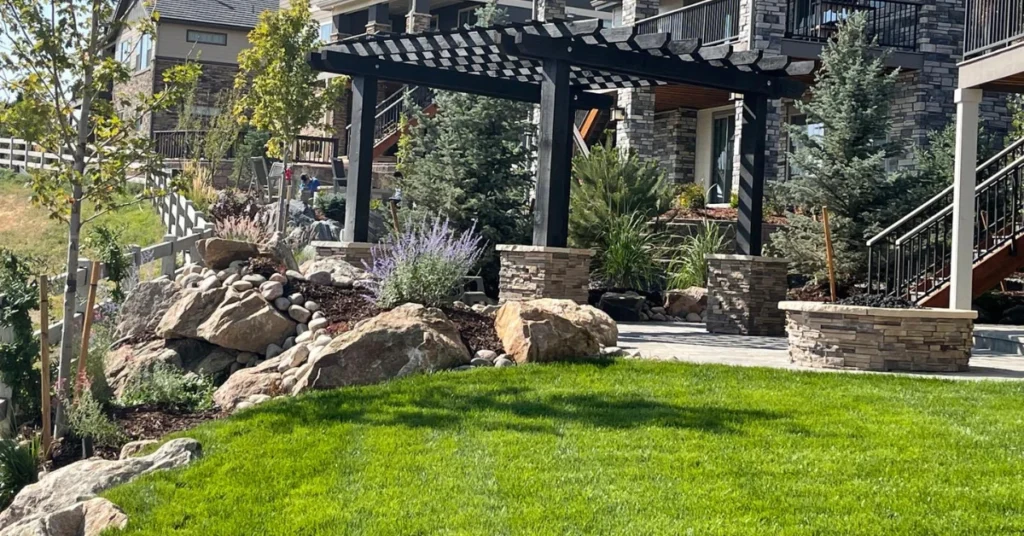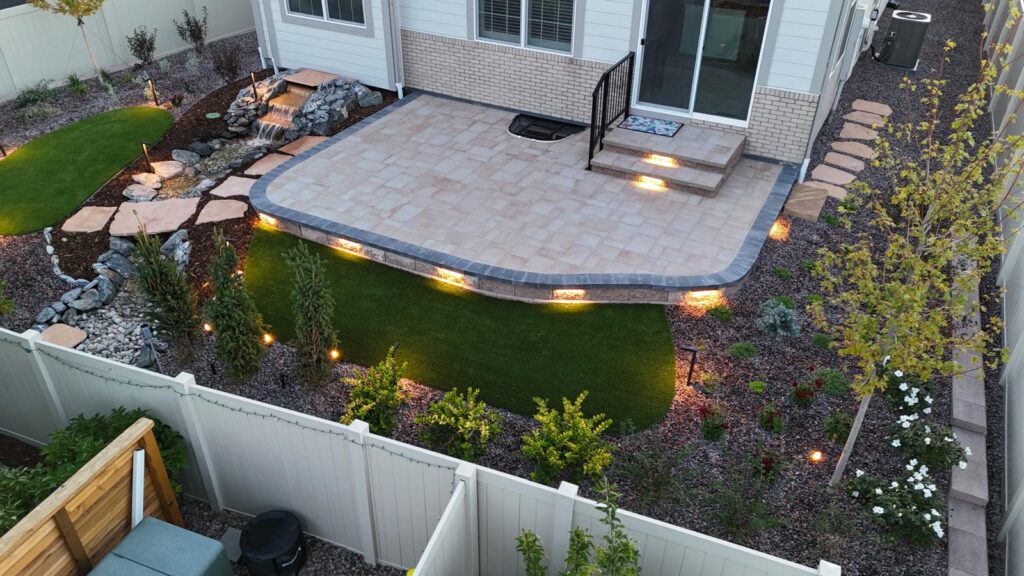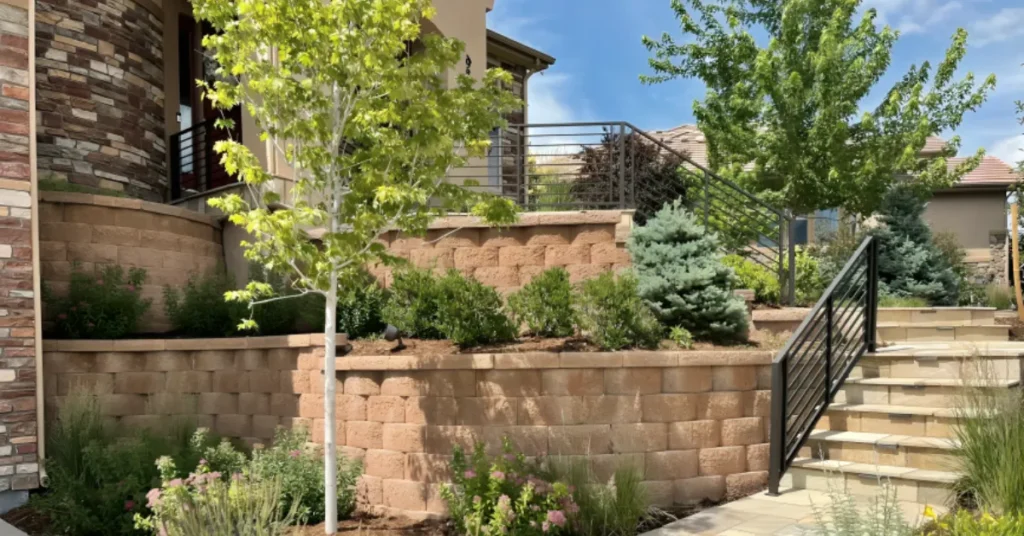
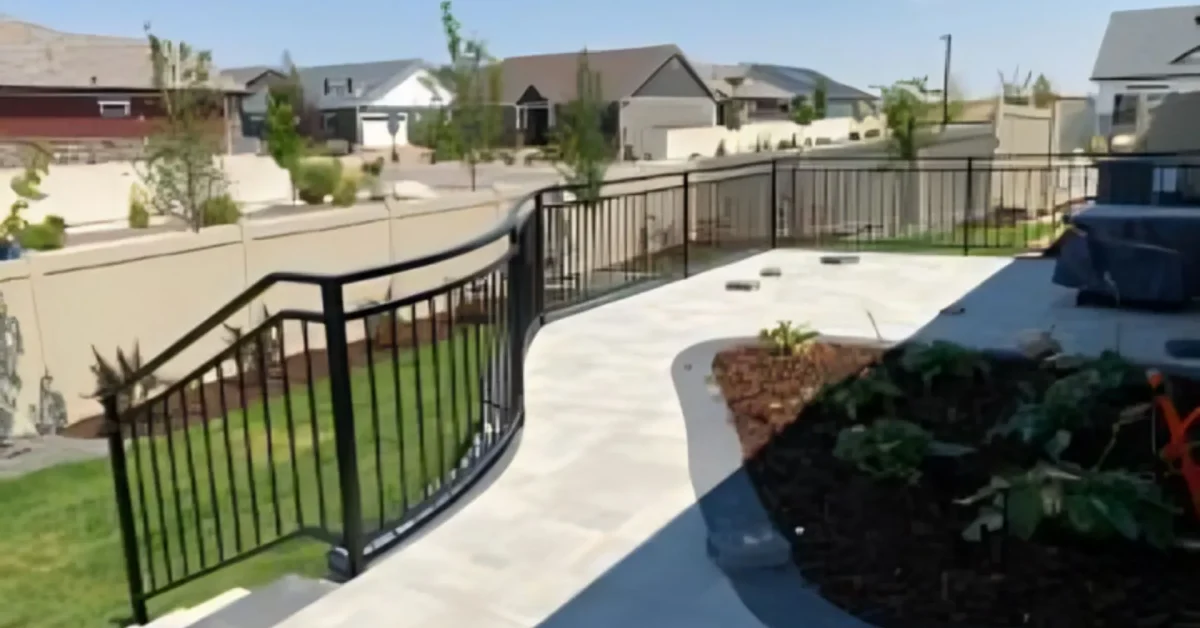
Yes, hardscaping can significantly increase home value when it’s well-designed, functional, and aligned with the property’s style. Features like patios, walkways, retaining walls, decks, and outdoor living areas enhance both the usability and visual appeal of a yardtwo factors that strongly influence buyer perception.
One of the biggest advantages is improved curb appeal. A thoughtfully designed front yard with clean pathways, defined edges, and quality materials creates a strong first impression, which can boost perceived value even before a buyer steps inside. In the backyard, features like patios or seating areas effectively expand the living space, making the home feel larger and more versatile.
Hardscaping also adds long-term durability and lower maintenance, which appeals to buyers looking for convenience. Compared to large lawns that require constant upkeep, elements like stone, gravel, or pavers reduce maintenance while maintaining a polished look year-round.
However, the value increase depends on quality and balance. Overbuilding, poor material choices, or designs that don’t match the home can have the opposite effect. The best results come from blending hardscape with landscaping to create a cohesive, inviting outdoor environment.
Overall, a well-executed hardscape project not only enhances daily living but can also provide a strong return on investment, making your home more attractive and competitive in the market.
Outdoor spaces have become a major focus for homebuyers, as people increasingly look for properties that offer both indoor comfort and usable outdoor living areas. Features like patios, walkways, seating areas, and landscaped yards are no longer seen as extrasthey’re now considered valuable extensions of the home. Buyers want spaces where they can relax, entertain guests, dine outdoors, or simply enjoy fresh air without leaving their property.
Another reason for this shift is the growing demand for low-maintenance and move-in-ready homes. Well-designed hardscape elements reduce the need for constant yard work while still providing a clean, polished appearance. This convenience is especially appealing to busy homeowners who want functionality without ongoing upkeep.
Outdoor upgrades also enhance visual appeal and first impressions. A well-structured front yard with defined paths and quality materials can immediately set a home apart in a competitive market. In the backyard, features like patios or fire pit areas create a lifestyle-focused experience that buyers can easily imagine themselves enjoying.
As more people prioritize comfort, usability, and aesthetics, outdoor upgrades have become a key selling point, often influencing both buyer interest and overall property value.
Read Also: How to Hardscape a Yard
Hardscaping often works quietly in the background, but it plays a powerful role in shaping how a home is seen, experienced, and remembered. Clean, well-placed walkways guide visitors naturally to the entrance, while defined edges and structured layouts make the entire property feel more organized and intentional. These subtle cues create a sense of order that instantly improves first impressions.
It also enhances how the home connects with its surroundings. A thoughtfully designed patio or pathway can visually tie the house to the yard, making the space feel cohesive rather than separate. Even small details like matching stone tones to the home’s exterior or aligning paths with architectural lines help create a unified look that feels polished and complete.
Hardscaping also influences how spacious and functional a property feels. By defining zones for movement, seating, and open space, it makes the yard easier to navigate and more enjoyable to use. This sense of flow can make even smaller properties feel larger and more usable.
Ultimately, these subtle design choices shape a home’s overall appeal by adding structure, balance, and clarity, turning an ordinary yard into a space that feels thoughtfully designed and visually inviting.
Hardscaping has the greatest impact in areas where people naturally enter, move through, and spend time. These high-visibility and high-use spaces are where structure, layout, and material choices are most noticeable, shaping both first impressions and everyday experiences.
The front yard and entryway are often the most influential. Walkways, driveways, and defined borders create a clean, welcoming approach that instantly improves curb appeal. Even simple upgrades like a stone path or edged planting beds can make the home feel more polished and well-maintained.
In the backyard, patios, seating areas, and outdoor living spaces stand out because they directly affect how the space is used. These areas turn an open yard into a functional environment for relaxing, dining, or entertaining, making the property feel more complete and livable.
Transitional spaces, such as side yards or connecting pathways, also play an important role. They improve flow, guide movement, and make the entire layout feel intentional rather than scattered.
By focusing on these key areas, hardscaping creates a noticeable difference, enhancing both visual appeal and day-to-day usability in the spaces that matter most.
The front yard and entryway set the stage for a home’s first impression, and hardscaping plays a key role in making these areas warm and welcoming. A well-designed walkway, clear paths, and neatly edged planting beds guide visitors naturally toward the entrance, creating a sense of order and approachability.
Even small touches, like a curved stone path, decorative pavers, or strategically placed planters, can make the space feel intentional and inviting. Lighting along walkways or near the door adds both safety and charm, highlighting architectural features and landscaping.
The goal is to create a front yard that immediately communicates care, style, and functionality, making guests feel comfortable and drawing attention to the home’s curb appeal. By focusing on layout, material choice, and subtle accents, these areas can feel polished and welcoming without being overdone.
Hardscape features in the backyard or outdoor living areas are most appreciated when they enhance daily life and usability. Patios, seating zones, and pathways create functional spaces for dining, relaxing, or entertaining without requiring constant setup or adjustment. Well-planned hardscaping ensures these areas are accessible, safe, and comfortable, making it easy to use the yard regularly.
Multi-purpose elements, like retaining walls that double as seating, gravel areas that allow drainage while reducing maintenance, or pergolas that provide shade, add convenience and practicality. Thoughtful lighting, strategically placed seating, and clear walkways improve flow and safety, making the outdoor space enjoyable both day and night.
These additions also encourage more interaction with the yard, turning it into a natural extension of the home. By combining functionality with design, hardscape upgrades create spaces that are not only visually appealing but also comfortable, low-maintenance, and tailored to everyday life, increasing both satisfaction and overall home value.
Certain hardscape features may not scream for attention, but they subtly influence a buyer’s perception and can make a property feel polished and well-cared-for. Elements like clean, well-maintained walkways, edged garden beds, and cohesive pathways create a sense of order and intentional design that buyers notice immediately.
Other understated details such as decorative gravel borders, built-in seating, low retaining walls, or integrated lighting add function and charm without overwhelming the space. These features demonstrate thoughtfulness and quality, signaling that the home has been maintained and landscaped with care.
Even minor touches, like coordinating materials between patios, walkways, and entryways, or adding subtle focal points like boulders or planters, make the yard feel cohesive and inviting. Buyers may not consciously register every detail, but the overall impression of organization, flow, and usability can influence their emotional connection to the property.
By focusing on practical, visually appealing, and understated hardscape elements, homeowners can enhance the appeal of their yard in a way that quietly impresses potential buyers and supports long-term value.
A successful hardscape blends seamlessly with the home and surrounding landscape, creating a natural, inviting look rather than appearing staged or cluttered. The key is balancing integrating pathways, patios, and structural features with plants, trees, and open space so everything feels intentional and cohesive.
Choosing materials that complement your home’s style and the environment helps maintain a harmonious appearance. For example, stone or gravel paths that echo natural textures, or wood elements that match exterior tones, make hardscape elements feel like a natural extension of the property. Avoid overusing contrasting materials or adding excessive features, which can overwhelm the space and reduce functionality.
Scale and proportion are also critical. Features should fit the yard’s size and shape, leaving adequate open areas for movement and landscaping. Strategic placement of focal points, subtle lighting, and cohesive color palettes ensures that attention is drawn to the yard’s strengths without appearing forced.
Ultimately, good design choices in hardscaping focus on enhancing usability and beauty while feeling effortless, creating outdoor spaces that are both functional and naturally appealing to homeowners and visitors alike.
The most appealing hardscapes achieve a harmonious balance between structural elements and living plants. Patios, walkways, retaining walls, and other hardscape features provide form, organization, and durability, but without greenery, a yard can feel cold or overly rigid. Integrating plants, shrubs, and trees softens these structures, adding color, texture, and movement that make the space feel inviting.
When planning your yard, consider proportions and placement. Hardscape features should define spaces without dominating them, leaving room for open areas and plantings to breathe. Vertical elements, like trellises or raised planters, can add height and depth without overcrowding, while ground-level plantings soften edges and fill gaps naturally.
Maintenance and function also factor into balance. Select plant species that complement hardscape materials and thrive in your climate, reducing extra upkeep while maintaining visual appeal. Combining low-maintenance greenery with durable pathways or patios ensures a yard that is both beautiful and practical.
A comfortable balance between structure and greenery creates a yard that is visually engaging, functional, and welcoming a space that feels designed, yet effortlessly natural.
When it comes to hardscaping and home value, not all projects deliver the same return. The materials, layout, and build quality are the key factors that determine both appeal and longevity. High-quality materials like natural stone, brick, or durable composite decking not only look premium but also stand up to wear, weather, and time, which reassures buyers about the property’s value.
The layout is equally important. A functional design that defines usable zones, patios for dining, pathways for movement, and seating areas for relaxation makes the yard feel practical and inviting. Poorly planned layouts, cramped spaces, or awkward transitions can detract from the home’s appeal, even if materials are high-end.
Read Also: How to Landscape a Front Yard
Finally, professional build quality ensures that the installation is durable, level, and properly integrated with the yard’s drainage and slopes. Mistakes such as uneven pavers, improperly set retaining walls, or inadequate base preparation can lead to costly repairs and reduce perceived value.
By prioritizing quality materials, thoughtful layout, and skilled construction, homeowners maximize both the aesthetic appeal and the financial return of their hardscape investment.
Hardscape upgrades can significantly boost a home’s value, but their return depends on quality, design, and context. Projects that are thoughtfully planned, use durable materials, and complement the home’s style almost always pay off. For example, a well-laid patio, inviting walkway, or integrated outdoor living area can enhance both curb appeal and functional living space, making the property more attractive to buyers.
Upgrades tend to pay off when they solve practical problems like improving drainage, stabilizing slopes, or creating usable outdoor zones or when they enhance lifestyle appeal, such as outdoor kitchens, seating areas, or fire pits. Buyers respond positively to spaces that feel both beautiful and usable.
On the other hand, hardscape projects may not deliver strong returns if they are overbuilt, overly customized, or out of sync with the home’s style or neighborhood. Excessive features, poor materials, or complicated designs can overwhelm the yard, require high maintenance, or limit buyer appeal. Likewise, DIY installations with uneven finishes or structural issues can reduce perceived value rather than increase it.
In short, hardscape upgrades pay off when they balance aesthetics, functionality, and quality, but can fall short when design or execution misaligns with practical and market expectations.
When it comes to hardscaping, the execution often matters more than the feature itself. Even a highly desirable elementlike a patio, walkway, or retaining wall can detract from a home’s value if it’s poorly installed. Uneven pavers, improperly leveled surfaces, or inadequate drainage can create maintenance headaches, safety hazards, and an overall impression of carelessness.
High-quality workmanship ensures that hardscape features are durable, functional, and visually appealing. Proper installation techniques, attention to detail, and adherence to building standards prevent long-term issues like shifting, cracking, or water damage. Well-built features not only look polished but also demonstrate to buyers that the property has been thoughtfully maintained.
Additionally, professional-quality hardscaping integrates seamlessly with landscaping and the home’s architecture, enhancing the yard without overpowering it. Even simple elements like stone paths or gravel beds can appear luxurious when installed with precision and care.
Ultimately, buyers are drawn to spaces that feel finished, intentional, and reliable. Investing in quality workmanship ensures that your hardscape adds real value, longevity, and appeal far more than the mere presence of any single feature.
Outdoor upgrades, including hardscaping, are most effective when they are integrated with broader home improvement or restoration projects. Aligning yard upgrades with interior renovations, exterior painting, or landscaping improvements ensures a cohesive aesthetic and maximizes both functionality and home value. For example, installing a patio or walkway alongside exterior siding updates or garden redesign creates a seamless transition between indoor and outdoor spaces.
Coordinating upgrades also allows homeowners to optimize budgets and timelines. Combining projects can reduce labor costs, minimize disruption, and ensure materials and designs complement each other. For instance, drainage solutions installed during hardscaping can support both yard usability and foundation maintenance, providing dual benefits.
Additionally, aligning outdoor upgrades with restoration efforts enhances overall property appeal. A well-designed yard paired with freshly updated interiors signals careful maintenance and attention to detail qualities buyers notice. Thoughtful integration ensures that hardscape features don’t feel like isolated additions but rather part of a strategically improved, functional, and visually harmonious home.
By planning outdoor upgrades in the context of larger projects, homeowners create spaces that are practical, attractive, and positioned to deliver maximum value and enjoyment.
Yes, landscaping is generally considered a home improvement for tax purposes. Expenses for adding plants, hardscapes, irrigation, or other permanent outdoor features can increase your property’s basis, potentially reducing capital gains taxes when you sell your home.
Landscaping that adds the most value includes well-designed lawns, mature trees, attractive plantings, functional hardscapes like patios or walkways, water features, and outdoor living areas. Curb appeal and low-maintenance, drought-resistant designs are especially valuable to potential buyers.
To make a backyard look expensive, focus on clean layouts, layered plantings, high-quality materials, outdoor lighting, defined seating areas, and functional hardscapes like patios or fire pits. Attention to detail and cohesive design can elevate the space without overspending.
A house can be devalued by poor landscaping, neglected maintenance, outdated interiors, structural issues, or undesirable features. Overgrown yards, lack of curb appeal, and improperly installed hardscapes or drainage problems can significantly reduce property value.
Hardscaping is more than just adding stone, gravel, or a patio it’s about creating functional, visually appealing outdoor spaces that complement your home and lifestyle. Well-planned hardscape projects enhance usability, define zones, and improve both curb appeal and overall property value. From front walkways that welcome visitors to backyard patios designed for relaxation or entertaining, these features transform how a yard is experienced day-to-day.
The true impact of hardscaping depends on quality, thoughtful design, and integration with the surrounding landscape. Choosing durable materials, ensuring proper installation, and balancing structural elements with greenery creates a yard that feels natural, inviting, and low-maintenance. Even subtle features like edging, lighting, or pathways can quietly influence a buyer’s perception and make a lasting impression.
When combined with broader home improvement or restoration projects, hardscaping adds both practical and aesthetic value, making the home feel cohesive, intentional, and cared for. Whether your goal is personal enjoyment or increasing resale potential, investing in well-executed hardscape features ensures a yard that is beautiful, functional, and built to last enhancing your home today and well into the future.
Fresh Ideas From our experts
What Your Neighbors Are Saying
"They are the best. We have a small backyard and needed it to reflect a relaxing and enjoyable space. Chris used our ideas and came up with the perfect design. Then Francisco came with the cost projections and worked to accommodate our budget. He and his team then used their considerable construction expertise to create a space that’s an extension of our home where we spend a lot of time. Thank you for creating such a welcoming space."
"I am new to Colorado and hired Chris and Francisco to design and implement a plan for my new build house. From design to finish and followup they were beyond my expectations. They are in constant contact throughout the project and their crew is very hardworking. They followup when the project is finished and are always available for whatever questions you may have. I would highly recommend them, and I get many complements on the work they have done for me."
"We were thrilled with the end result of our brick paver patio refurbishment. We hired Chris, Francisco and their team to fix our sinking brick paver patio. It had been installed by a different landscaper, and after only 2 years it was collapsing. Boo hiss! Ridgewell Landscape and Design came in and saved the day! They discovered the original installation was done incorrectly, and that’s why it was collapsing. Their team worked hard and got the project done quickly and professionally. We are thrilled with the look and finish of the job! Bravo!!"