- Get A Free Consultation.
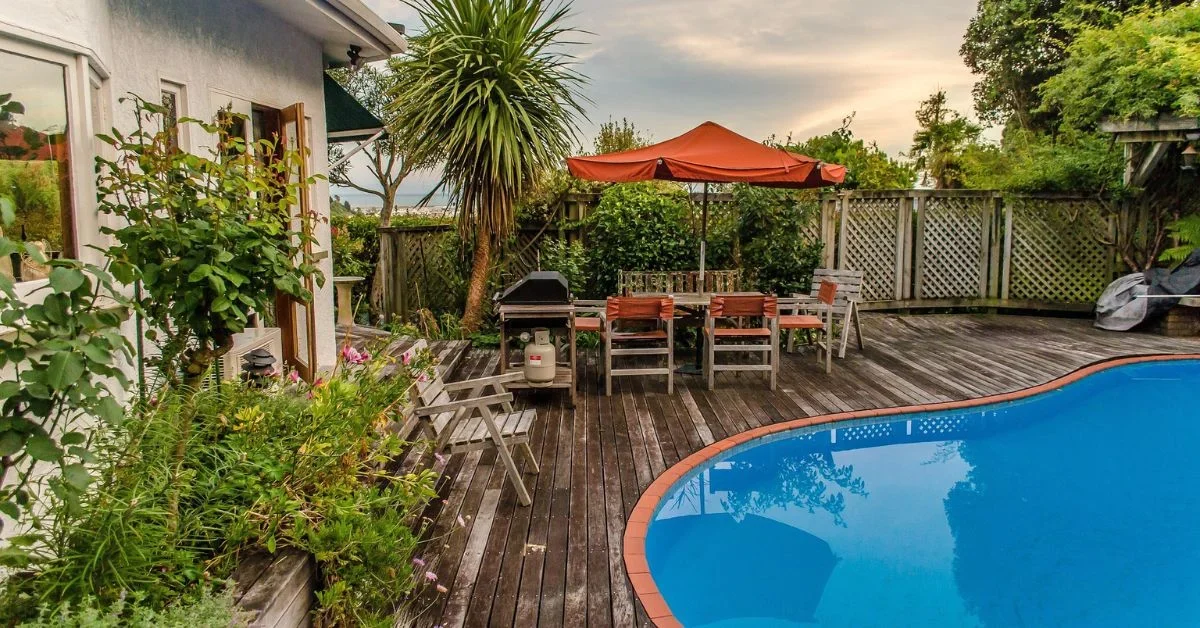
A pool skimmer is one of the most important components in keeping an inground pool clean, safe, and properly maintained. It continuously removes floating debris like leaves, insects, and dust before they sink to the bottom, helping maintain clear water and reducing strain on the filtration system. This is why many homeowners search “how to install a skimmer in an inground pool,” especially during new pool construction or renovation projects where water quality and efficiency are a priority. Proper installation directly impacts circulation, pump performance, and long-term maintenance costs.
However, installing a skimmer is not a simple task. It involves cutting into pool walls, ensuring waterproof seals, and correctly aligning plumbing connections with the filtration system. Even small errors can lead to leaks or reduced performance. With Ridgewell Colorado’s expertise in outdoor construction and poolside hardscape integration, homeowners in Denver, Aurora, Arvada, and Lakewood can achieve safe, durable, and visually balanced outdoor pool environments.
A pool skimmer plays a key role in keeping water circulating properly through the filtration system. By drawing water from the surface, it helps move floating debris into the filter before it has a chance to sink. This improves overall system efficiency and reduces the workload on pumps and filters. When circulation is balanced, chemicals distribute more evenly, leading to cleaner and safer water conditions.
Without a properly functioning skimmer, stagnant areas can form on the pool surface, allowing dirt and organic material to build up. This not only affects water clarity but can also increase maintenance frequency and chemical usage. A well-installed skimmer ensures continuous surface cleaning, helping the entire pool system operate smoothly and efficiently.
Skimmers are essential for maintaining hygiene in swimming pools by constantly removing contaminants from the water surface. Leaves, dust, pollen, and insects are quickly pulled into the filtration system before they break down and affect water quality. This helps prevent algae growth and reduces the risk of cloudy or unsafe swimming conditions.
Clean surface water also improves swimmer comfort and safety. Floating debris can make a pool feel unclean and uninviting, while proper skimming ensures a clear, enjoyable experience. For families, this is especially important as it keeps the swimming environment safe for children and guests throughout the season.
Standard wall-mounted skimmers are the most commonly used option in residential inground pools. They are built directly into the pool wall during construction and connect seamlessly to the filtration system through plumbing lines. This design allows them to continuously pull surface water into the system for debris removal.
Because they are integrated into the pool structure, they offer reliable performance and long-term durability. They are ideal for most backyard pools and are designed to handle everyday debris loads efficiently. Their placement is carefully planned during construction to ensure optimal water flow and circulation balance.
Wide mouth skimmers are designed with a larger opening, allowing them to capture more surface debris at once. This makes them especially useful for pools located near trees or landscaped areas where leaves and organic material fall frequently.
The increased intake area improves efficiency during heavy debris conditions, reducing the need for constant manual cleaning. These skimmers are a practical upgrade for homeowners looking to minimize maintenance while maintaining high water quality. Their design also supports better surface coverage in larger pools.
Floating or adjustable skimmers are less common but offer flexible positioning options within the pool. Instead of being permanently fixed into the wall, they can adapt to changing water levels or temporary setups, making them useful in certain retrofit or seasonal applications.
These skimmers are easier to install in existing pools where structural modifications are limited. While they may not match the efficiency of built-in systems, they provide a practical solution for improving surface cleaning without major construction work. They are often used in specialized or temporary pool configurations.
Selecting the correct location for a pool skimmer is one of the most important planning steps before installation. Ideally, the skimmer should be positioned based on the natural wind direction and water movement so that floating debris is pushed toward it instead of away. This improves cleaning efficiency and reduces the chances of leaves and dirt settling in stagnant areas of the pool.
It’s also important to avoid creating “dead zones” where water circulation is weak. Poor placement can leave parts of the pool surface unclean, increasing maintenance work over time. The skimmer should also be placed where it remains easily accessible for routine cleaning and maintenance without disrupting surrounding poolside features or hardscape design.
Accurate measuring and marking are essential before cutting into any pool structure. The skimmer must align correctly with the pool’s waterline to ensure proper surface suction. Even a slight misalignment can reduce efficiency or cause operational issues later.
Homeowners or installers should carefully mark the exact cutout location while double-checking dimensions and spacing. This step also involves planning the plumbing route in advance to ensure the suction line connects smoothly to the filtration system without unnecessary bends or pressure loss.
Before installation begins, it’s crucial to identify the pool structure type, as this directly affects how the skimmer will be installed. Concrete pools require cutting and sealing work, fiberglass pools need precision fitting, and vinyl pools involve liner-specific skimmer systems.
Each material behaves differently when cut or drilled, meaning installation methods must be adjusted accordingly. Understanding the structure in advance helps prevent damage and ensures the skimmer integrates properly with the pool shell and waterproofing system.
Installing a pool skimmer requires several essential tools to ensure accurate and safe work. Measuring tape and marking tools are needed for precise placement, while a concrete saw or cutting equipment is used for creating the skimmer opening in the pool wall. Screwdrivers and wrenches are also required for tightening fittings and securing components during installation.
Using the right tools helps prevent structural damage and ensures the skimmer fits properly within the pool wall. Accuracy at this stage is important because even small errors can affect water flow and sealing performance later in the process.
Proper plumbing and sealing materials are essential for a leak-free skimmer installation. PVC pipes and connectors are used to link the skimmer to the pool’s filtration system, ensuring smooth water suction and circulation. High-quality waterproof sealants and adhesives help secure joints and prevent water from entering unwanted areas.
The skimmer faceplate and gaskets also play a key role in creating a tight seal between the skimmer body and pool wall. Without proper sealing materials, leaks can develop over time and reduce system efficiency.
Safety equipment is essential when working with pool structures, especially during cutting and plumbing installation. Protective gloves and eyewear help prevent injuries from sharp edges and debris, while a dust mask is important when cutting concrete or fiberglass materials.
If electrical systems are nearby, additional precautions should be taken to avoid water-related hazards. Proper safety gear ensures the installation process is not only efficient but also secure for the installer.
The first step in installation is carefully marking the exact location where the skimmer will be placed. Once measurements are confirmed, the pool wall must be cut with precision using appropriate cutting tools based on the pool material.
Clean, smooth edges are essential after cutting, as rough surfaces can interfere with sealing and alignment. Proper preparation ensures the skimmer body fits securely and reduces the risk of future leaks or structural issues.
After the opening is prepared, the skimmer body is positioned into the pool wall. It must be aligned precisely with the waterline to ensure optimal surface suction and debris collection.
Once in place, it is secured using bolts and brackets to keep it stable within the structure. Proper alignment at this stage is critical because it directly affects long-term performance and water flow efficiency.
Next, the skimmer must be connected to the pool’s filtration system using PVC suction lines. These connections must be airtight to ensure proper water flow and prevent loss of suction pressure.
Careful fitting of pipes and connectors helps maintain system efficiency and reduces the risk of leaks. Once connected, the system can be tested to confirm smooth and consistent water movement.
The final step is sealing all edges and connection points with high-quality waterproof materials. This prevents water from entering gaps between the skimmer and pool structure, protecting the surrounding shell from damage.
A final inspection is carried out to ensure all joints and fittings are secure. Proper waterproofing is essential for long-term durability and reliable pool operation.
One of the most common mistakes during skimmer installation is placing it in the wrong position on the pool wall. If the skimmer is not aligned with natural water flow, it will struggle to collect debris effectively, leading to poor surface cleaning performance.
Incorrect placement can also create uneven circulation patterns in the pool. This results in areas where leaves, dirt, and oils accumulate, reducing overall filtration efficiency. Over time, this forces the pump and filtration system to work harder than necessary, increasing maintenance needs and operating costs.
Improper sealing around the skimmer is another major issue that can lead to long-term structural problems. If water seeps behind the pool wall, it can weaken surrounding materials and cause gradual damage to the pool structure.
Leaks also reduce system efficiency and may lead to higher repair costs if not addressed early. High-quality waterproof sealants and proper gasket installation are essential to ensure a long-lasting, leak-free connection between the skimmer and pool wall.
Incorrect plumbing installation can significantly impact skimmer performance. If PVC connections are not airtight, air can enter the system and reduce suction power, making the skimmer less effective at removing debris from the water surface.
Poor plumbing alignment can also strain the pool pump, leading to inconsistent water flow and reduced filtration efficiency. Proper fitting, sealing, and pressure testing are essential to ensure smooth and reliable system operation.
Installing a pool skimmer as a DIY project is possible for homeowners with prior experience in construction or pool systems. It can help reduce upfront costs, but it also comes with a higher risk of mistakes if precision work is not done correctly.
Tasks like cutting into the pool wall, aligning the skimmer, and sealing connections require accuracy and proper tools. Even small errors can lead to leaks or structural issues, making this option better suited for confident and skilled DIY installers.
Professional Installation Services
Professional installation offers a more reliable and precise approach to skimmer setup. Experts ensure accurate cutting, correct alignment, and secure sealing to prevent leaks and long-term issues.
They also handle plumbing integration properly, ensuring optimal water flow and filtration performance. With professional installation, homeowners benefit from greater durability, reduced maintenance problems, and improved long-term pool efficiency.
A properly installed skimmer should blend seamlessly with the surrounding pool deck and hardscape design. When integrated correctly, it maintains a clean and polished look without disrupting the visual flow of paver patios or concrete finishes.
This coordination is especially important in modern backyard designs where aesthetics and functionality go hand in hand. A well-planned skimmer placement ensures the pool area remains both efficient and visually balanced.
Pool skimmers should also be considered as part of the wider outdoor living layout. When integrated with seating zones, pergolas, and entertainment areas, they contribute to a more functional and enjoyable backyard environment.
Proper planning ensures the skimmer does not interfere with relaxation or entertainment spaces while still maintaining efficient pool performance. This creates a unified outdoor design that feels natural and practical.
Landscaping around skimmer zones should focus on low-maintenance and functional design. Plants should be placed in a way that avoids blocking access while still enhancing the overall poolside appearance. Drainage and easy maintenance access are also important considerations. Xeriscaping or drought-friendly landscaping is often a strong choice for pool areas due to reduced debris and water efficiency.
A correctly installed pool skimmer significantly improves water cleanliness by removing debris before it sinks. This reduces strain on the filtration system and helps maintain clearer, healthier water for swimming.
It also lowers chemical usage since contaminants are removed more efficiently, leading to reduced maintenance costs over time. A properly functioning skimmer extends the lifespan of pool equipment by improving overall circulation and reducing system stress.
In addition, it enhances backyard usability by keeping the pool consistently clean and visually appealing.
Ridgewell Colorado brings extensive experience in poolside construction and outdoor upgrades, ensuring skimmer installations are integrated seamlessly with surrounding hardscape features. Their precision-focused approach helps prevent leaks, misalignment, and long-term structural issues.
Beyond pool systems, Ridgewell Colorado specializes in patios, pergolas, retaining walls, and outdoor kitchens. This allows homeowners to develop fully integrated outdoor living spaces that combine functionality with visual appeal.
All installations are designed with Colorado’s climate in mind, using durable materials that withstand temperature changes and seasonal weather. Drainage-focused construction methods ensure long-term performance and reliability in outdoor environments.
Can you add a skimmer to an existing pool?
Yes, it is possible to add a skimmer to an existing inground pool using retrofit installation methods. This involves cutting into the pool wall and connecting new plumbing lines to the filtration system. Because of the structural work involved, professional installation is often recommended to avoid leaks or damage.
A pool skimmer should be placed where natural water movement pushes debris toward it, often downwind of the pool. This positioning helps maximize surface cleaning efficiency and prevents debris from collecting in stagnant areas. Proper placement is key to balanced water circulation.
Yes, skimmers must be aligned correctly with the pool’s waterline. If placed too high or too low, they will not function efficiently and may reduce suction performance. Proper leveling ensures consistent debris removal and optimal filtration system operation.
The main purpose of a pool skimmer is to remove floating debris such as leaves, insects, and dirt before they sink to the bottom. This helps keep the water clean, reduces strain on the filtration system, and improves overall pool hygiene and clarity.
Proper pool skimmer installation is essential for maintaining clean, efficient, and safe pool operation. When installed correctly, it improves water circulation, reduces maintenance, and enhances overall system performance.
Mistakes in placement, sealing, or plumbing can lead to leaks and long-term repair issues, making careful installation critical. While DIY installation may work for experienced homeowners, professional services ensure higher accuracy and durability.
Ridgewell Colorado delivers expert poolside and outdoor construction solutions designed for long-lasting performance and seamless backyard integration.
Fresh Ideas From our experts
What Your Neighbors Are Saying
"They are the best. We have a small backyard and needed it to reflect a relaxing and enjoyable space. Chris used our ideas and came up with the perfect design. Then Francisco came with the cost projections and worked to accommodate our budget. He and his team then used their considerable construction expertise to create a space that’s an extension of our home where we spend a lot of time. Thank you for creating such a welcoming space."
"I am new to Colorado and hired Chris and Francisco to design and implement a plan for my new build house. From design to finish and followup they were beyond my expectations. They are in constant contact throughout the project and their crew is very hardworking. They followup when the project is finished and are always available for whatever questions you may have. I would highly recommend them, and I get many complements on the work they have done for me."
"We were thrilled with the end result of our brick paver patio refurbishment. We hired Chris, Francisco and their team to fix our sinking brick paver patio. It had been installed by a different landscaper, and after only 2 years it was collapsing. Boo hiss! Ridgewell Landscape and Design came in and saved the day! They discovered the original installation was done incorrectly, and that’s why it was collapsing. Their team worked hard and got the project done quickly and professionally. We are thrilled with the look and finish of the job! Bravo!!"