- Get A Free Consultation.
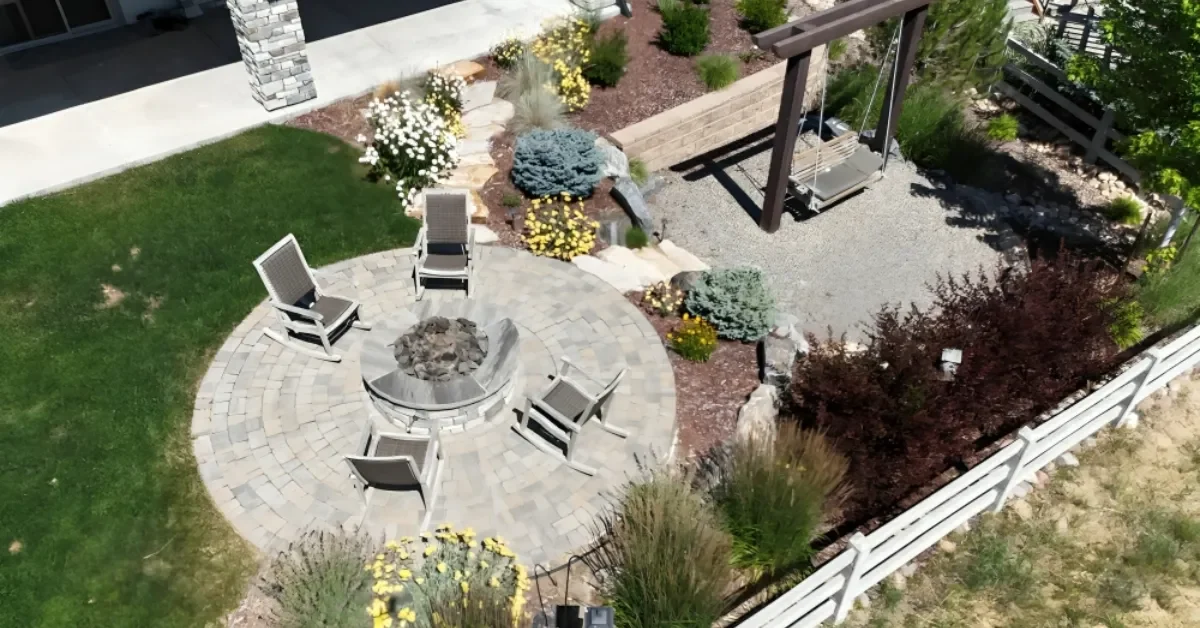
Landscape rock has become a popular feature in modern outdoor design because it offers a clean appearance, low maintenance, and long-lasting coverage for planting beds and yard areas. However, many homeowners eventually search “how to remove landscape rock” when they begin renovating or redesigning their outdoor spaces. Over time, rock landscaping can become outdated, difficult to maintain, or less practical for changing landscape needs.
Removing landscape rock is often more challenging than expected due to heavy materials, buried weed barriers, and compacted soil underneath. Without proper removal methods, the process can damage surrounding landscaping or create drainage issues within the yard. Many homeowners also replace old rock areas with grass, mulch, planting beds, or upgraded hardscape features to improve comfort and usability.
Ridgewell Colorado helps homeowners transform outdoor spaces through professional landscape renovation, hardscape installation, and functional yard design solutions.
Many homeowners decide to remove landscape rock because it gradually loses its visual appeal and becomes harder to maintain over time. What may initially look clean and modern can eventually appear worn, uneven, or outdated as dirt accumulates and weeds begin growing through the surface.
Landscape rock also retains heat, which can make outdoor areas uncomfortable during warmer seasons and negatively affect nearby plants. In some cases, homeowners want to redesign their yard entirely, but existing rock landscaping limits flexibility for planting, lawn installation, or outdoor living upgrades.
Another common reason is preparation for new landscaping or hardscape projects such as patios, pathways, or seating areas. Removing old rock creates a cleaner foundation for more functional outdoor improvements.
Proper removal is important because poorly handled rock cleanup can damage soil conditions, interfere with drainage, and make future landscaping more difficult.
Old landscape rock often creates several maintenance and appearance issues as the yard ages. One common problem is rocks gradually sinking into the soil, making the area look uneven and difficult to clean properly. Dirt buildup between the stones also reduces the original decorative appearance and encourages weed growth over time.
Another issue is deterioration of the weed barrier fabric underneath the rock. As the material breaks down, weeds begin growing through the surface, making maintenance more difficult and time-consuming.
Drainage can also become problematic if the rock layer compacts the soil or traps debris underneath. In some cases, water pooling may develop around planting areas or hardscape features.
These issues often make complete rock removal more practical than ongoing maintenance, especially when homeowners are planning a larger landscape renovation project.
Landscape rock should usually be replaced when maintenance problems, visual decline, or functional issues begin affecting the overall outdoor space. Severe weed growth is one of the biggest signs that replacement may be necessary, especially when weeds repeatedly grow through damaged landscape fabric underneath the rock layer.
Uneven or damaged surfaces are another common reason for removal, as shifting rock can create unstable walking areas and reduce the overall appearance of the yard. Over time, dirt accumulation can also make the space look neglected and harder to maintain effectively.
Some homeowners replace landscape rock simply because their outdoor design preferences change. Modern landscaping trends may focus more on greenery, outdoor living spaces, or mixed hardscape features instead of large rock-covered areas.
Replacement is also common before installing patios, planting beds, or updated landscape layouts that require a cleaner and more functional foundation.
Different types of landscape rock require different removal methods, and understanding the material involved helps make the cleanup process more efficient. Decorative gravel, river rock, and crushed stone are among the most common landscaping materials used in residential yards, but each varies in size, weight, and installation style.
Smaller decorative gravel is generally easier to remove because it can be shoveled or raked quickly, while larger river rock and boulder-style landscaping requires more physical effort and specialized equipment. Installation methods also affect difficulty, especially when weed barriers, edging, or compacted soil layers are involved underneath the rock surface.
Another important factor is whether the material can be reused. Some decorative stone remains in good condition and can be relocated for future landscaping projects, while heavily contaminated or damaged rock may need complete disposal. Understanding these differences helps homeowners plan the safest and most practical removal approach.
Small gravel and decorative stone are among the easiest types of landscape rock to remove because they are lightweight and usually spread in thinner layers. These materials are commonly used in pathways, planting beds, and decorative borders where simple maintenance and clean visual appearance are priorities.
The removal process is generally manageable using manual tools such as flat shovels, rakes, buckets, or wheelbarrows. Because the stones are smaller and easier to handle, homeowners can often complete removal without heavy machinery in smaller areas.
Another advantage is that decorative gravel is frequently reusable if it remains relatively clean and uncontaminated. Homeowners may relocate it to other parts of the yard instead of disposing of it completely.
Although easier to remove than larger stone, proper cleanup is still important to prevent leftover gravel from mixing into the soil or affecting future landscaping work.
Large river rock and boulder-style landscaping features are significantly more difficult to remove because of their size and weight. These materials are often used for decorative focal points, drainage areas, or large landscape borders, making removal more labor-intensive and time-consuming.
In many cases, lifting equipment or additional labor is required to safely move heavy stones without causing injury or damaging nearby landscaping features. Attempting to remove oversized rock manually can create serious safety risks, especially when proper lifting techniques are not used.
Heavy materials may also compact the soil underneath, making cleanup and leveling more difficult after removal. Some installations involve partially buried boulders or deeply embedded rock that require excavation equipment to remove properly.
Because of these challenges, larger rock removal projects are often better suited for professional landscaping teams with the proper equipment and experience.
Removing landscape rock efficiently requires the right combination of tools and equipment depending on the size of the project. Smaller decorative areas may only require basic landscaping tools, while larger or heavier installations often need machinery for faster and safer removal.
Common manual tools include shovels, rakes, wheelbarrows, buckets, and tarps for collecting and transporting materials. Protective gloves and safety equipment are also important because rock removal can involve sharp edges, heavy lifting, and repetitive physical work.
For large-scale projects, machinery such as skid steers or mini loaders can significantly reduce labor and improve efficiency. Dump trailers may also be needed for hauling rock away from the property.
Using the proper tools not only speeds up the process but also helps prevent damage to the yard and reduces the risk of physical injury during removal.
Hand tools are usually sufficient for removing landscape rock from smaller spaces such as garden beds, decorative borders, or narrow pathways. Flat shovels and metal rakes are commonly used to gather and lift loose rock efficiently without disturbing too much soil underneath.
Garden carts, buckets, and wheelbarrows help transport materials across the yard and make disposal or relocation easier during the cleanup process.
Weed barrier removal tools may also be necessary if old landscape fabric has become tangled with roots, soil, or debris underneath the rock layer. Removing this material carefully helps prepare the area for future landscaping improvements.
Although manual removal requires physical effort, it is often the most practical and cost-effective solution for smaller residential landscaping projects.
Large landscape rock removal projects often require machinery to handle heavy materials safely and efficiently. Skid steers and mini loaders are commonly used because they can quickly scoop, lift, and transport large amounts of rock with less physical labor.
Dump trailers are also useful for hauling materials away from the property, especially when large quantities of rock need disposal or relocation. These tools help speed up the project and reduce overall cleanup time.
Professional-grade lifting equipment may be necessary for oversized boulders or deeply embedded stone features that cannot be safely moved by hand. Improper handling of heavy materials can damage the yard or create serious safety risks.
For larger landscape renovations, using the right equipment often makes the removal process more effective while protecting surrounding landscaping and hardscape areas.
Proper preparation is one of the most important parts of removing landscape rock because it helps prevent unnecessary damage and makes the cleanup process more efficient. Before any rock is removed, homeowners should clear plants, outdoor furniture, edging, and other obstacles from the work area to create safe access and reduce complications during removal.
It is also important to check for irrigation systems, underground utilities, or drainage components hidden beneath the landscaping. Accidentally damaging these systems can lead to expensive repairs and major disruption to the yard.
Separating reusable materials from waste early in the process also improves organization and reduces disposal costs. Some decorative stone may still be suitable for future landscaping projects or other areas of the property.
Planning where removed materials will be relocated or disposed of beforehand helps keep the project organized and prevents large piles of rock from creating additional cleanup problems later.
Removing old weed barriers and landscape fabric is often one of the most difficult parts of landscape rock removal because these materials usually become buried beneath soil, roots, and compacted debris over time. As the fabric ages, it may tear apart easily or become tangled with surrounding vegetation.
Root growth through the material can make removal more time-consuming, especially in older landscaping installations where plants and weeds have grown directly into the barrier layer. Soil contamination and trapped debris underneath also add to the cleanup challenge.
Proper removal requires carefully lifting the fabric while separating attached roots and excess dirt to avoid leaving fragments buried in the soil. Any damaged or deteriorated material should be fully removed before new landscaping begins.
Thorough cleanup at this stage creates a cleaner foundation for future planting, hardscaping, or redesign work.
Protecting nearby landscaping features during rock removal is important because careless removal methods can easily damage healthy plants, trees, irrigation systems, or existing hardscape structures. Heavy rock movement and repeated foot traffic can compact soil or break delicate landscape elements if the work area is not managed carefully.
Trees and shrubs near the removal zone should be protected from shovel impact, machinery movement, or accidental root disturbance. Preserving healthy vegetation helps reduce additional landscaping costs after the project is complete.
Existing hardscape areas such as patios, pathways, or retaining walls should also be protected from scratches, shifting, or structural damage during material transport and cleanup.
Managing soil disruption carefully is another important step because excessive digging or compaction can affect drainage and create problems for future landscaping improvements.
Removing landscape rock successfully requires a structured process that keeps the work organized and manageable from start to finish. The first step is gathering all necessary tools and creating designated work areas for reusable rock, waste material, and cleanup equipment. Proper organization helps improve efficiency throughout the project.
The removal process usually works best when completed in smaller sections rather than attempting to clear the entire yard at once. Breaking the work into manageable areas helps reduce physical strain and makes cleanup easier to control.
After the rock is removed, the soil underneath should be cleaned, leveled, and inspected for leftover weed barriers, compacted areas, or drainage problems. Preparing the surface properly ensures the yard is ready for future landscaping upgrades.
A careful step-by-step approach helps prevent unnecessary damage while making the overall project safer and more efficient.
Manual rock removal is commonly used for smaller landscaping areas where machinery is unnecessary or difficult to access. The process typically involves scooping and raking rock into manageable piles before transferring the material into buckets, wheelbarrows, or garden carts for transport.
Sorting reusable rock during removal helps save material for future landscaping projects and reduces disposal costs. Decorative gravel or river rock in good condition can often be relocated to other areas of the yard instead of discarded completely.
Proper lifting techniques are extremely important during manual removal because repeated bending and lifting heavy material can lead to physical strain or injury. Working in smaller loads and using ergonomic tools can improve safety and efficiency.
Although labor-intensive, manual removal remains one of the most cost-effective methods for small residential landscaping projects.
Using machinery for landscape rock removal can significantly speed up the process, especially for large areas or heavy stone installations. Equipment such as skid steers, mini loaders, and dump trailers allows large quantities of rock to be moved quickly with far less manual labor.
Machinery also helps reduce overall cleanup time by improving hauling efficiency and minimizing repeated lifting. This is particularly useful when removing deeply compacted stone or oversized decorative rock features.
Professional equipment becomes especially important when the project involves large boulders, steep slopes, or extensive landscaping renovations where manual removal would be impractical or unsafe.
While equipment can improve efficiency, proper operation is essential to avoid damaging surrounding landscaping, irrigation systems, or hardscape structures during the removal process.
After landscape rock has been removed, the next step is restoring and preparing the yard for new landscaping improvements. The soil underneath often becomes compacted, uneven, or mixed with debris after years of rock coverage, making leveling and cleanup essential before any new installation begins.
In some cases, old weed barriers may need replacement if they are damaged or no longer functional. Removing leftover fabric fragments and cleaning the soil properly helps create a healthier foundation for future planting or hardscape work.
Homeowners can then begin preparing the space for grass, mulch beds, planting areas, or other landscaping features depending on the new design goals. Proper preparation also improves drainage and reduces future maintenance problems.
This stage is an opportunity to completely redesign the outdoor area and create a more attractive, functional, and comfortable landscape that better suits the property’s long-term needs.
Replacing old landscape rock with soft landscaping elements such as grass, mulch, or planting beds can dramatically improve the natural appearance of a yard. Soft landscaping creates a more inviting outdoor environment while helping reduce the excessive heat retention often associated with large rock-covered areas.
Grass and planting zones also improve visual balance by introducing color, texture, and greenery back into the landscape design. Mulch beds provide a cleaner appearance while helping retain soil moisture and reduce weed growth naturally.
For homeowners interested in low-water landscaping options, professionally planned drought-friendly solutions can also improve long-term efficiency.
Soft landscaping upgrades are especially effective for creating a cooler, more comfortable outdoor space while improving overall curb appeal and usability.
Many homeowners choose to replace removed landscape rock with functional hardscape features that improve both appearance and outdoor usability. Patios, pathways, and seating areas help create structured spaces that are more practical for relaxation, entertaining, and everyday outdoor living.
Paver patios and walkways are especially popular because they provide durability while improving the overall organization and flow of the yard. These features also help create designated activity zones within the outdoor space.
For larger upgrades, professionally installed hardscape elements often provide the best long-term results.
Replacing outdated rock landscaping with functional hardscape can significantly improve property value while creating a cleaner and more visually appealing outdoor environment.
Landscape rock removal may appear straightforward, but several common mistakes can create unnecessary problems during the process. One of the biggest issues is starting removal without planning where the rock will be disposed of or relocated, which often leads to cluttered work areas and delayed cleanup.
Another common mistake is damaging underground irrigation systems or drainage components hidden beneath the landscaping. Failing to identify these systems beforehand can result in costly repairs and additional yard disruption.
Ignoring soil condition after removal is also problematic because compacted or contaminated soil can negatively affect future landscaping improvements. Proper leveling and cleanup are necessary before installing new features.
Physical injuries are another major concern when improper lifting techniques are used during manual removal. Leaving deteriorated weed barriers buried underneath the soil can also create future drainage and maintenance issues if not removed completely.
DIY landscape rock removal can work well for smaller decorative areas, especially when homeowners have the time and physical ability to handle the project themselves. Small gravel beds or simple planting borders are often manageable using basic landscaping tools and manual labor.
However, large-scale rock removal projects become significantly more difficult due to the weight of materials, disposal logistics, and equipment requirements. Heavy river rock, compacted gravel, or large landscape areas often require machinery for safe and efficient removal.
Time and labor are also important considerations because even moderate-sized projects can become physically exhausting and time-consuming without the right equipment. Professional landscaping services can complete the process more efficiently while minimizing damage to surrounding areas.
Choosing between DIY and professional removal depends on the project size, complexity, and the homeowner’s ability to safely manage the work.
DIY landscape rock removal is often the most budget-friendly option for homeowners working on small projects or limited landscaping areas. Using manual tools such as rakes, shovels, and wheelbarrows can help reduce labor costs while allowing homeowners to complete the project at their own pace.
This approach works best for lightweight decorative gravel or smaller planting beds where machinery is unnecessary. It also allows reusable materials to be sorted and relocated easily within the property.
However, DIY removal requires significant physical effort and can become extremely time-consuming for larger areas or heavier stone installations. Manual removal also has limited efficiency when dealing with compacted rock, buried weed barriers, or oversized materials.
For these reasons, DIY methods are generally better suited for smaller residential cleanup projects rather than full landscape renovations.
Professional landscape rock removal services provide a faster and safer solution for large or complex landscaping projects. Contractors use specialized equipment and hauling systems that allow rock to be removed efficiently without excessive physical labor or unnecessary delays.
Professional teams also handle proper disposal and transportation of materials, helping homeowners avoid the logistical challenges associated with large quantities of stone and debris.
Another major advantage is improved site preparation after removal. Professionals can level soil, address drainage concerns, and prepare the yard correctly for new landscaping or hardscape installation.
For large-scale outdoor renovations, professional removal services often produce cleaner, safer, and more durable long-term results.
Removing outdated landscape rock can greatly improve both the appearance and functionality of an outdoor space. Older rock installations often become discolored, uneven, or overrun with weeds, making the yard look neglected and difficult to maintain.
Eliminating old rock also creates greater flexibility for redesigning the landscape with grass, planting beds, patios, or other updated outdoor features. This opens more possibilities for improving curb appeal and overall property usability.
Another major benefit is reduced maintenance. Properly redesigned landscapes often require less weed control and provide better drainage compared to aging rock-covered areas with deteriorated weed barriers.
Removing excessive rock can also create a cooler and more comfortable outdoor environment by reducing heat retention around seating areas, plants, and walkways.
Ridgewell Colorado provides professional landscape renovation and outdoor transformation services for homeowners throughout Denver and surrounding Colorado areas including Aurora, Arvada, and Lakewood. From removing outdated landscape rock to redesigning complete outdoor spaces, the company focuses on creating functional and visually appealing landscapes built for long-term durability.
With experience in both hardscape and softscape projects, Ridgewell Colorado understands how to safely remove heavy landscaping materials while protecting surrounding plants, drainage systems, and outdoor structures. Efficient cleanup methods and careful site preparation help create a strong foundation for future landscaping improvements.
The company also offers complete outdoor redesign solutions tailored to Colorado properties and climate conditions. Whether homeowners want fresh planting areas, paver patios, retaining walls, or outdoor living features, Ridgewell Colorado helps transform outdated yards into more usable and attractive outdoor environments.
Ridgewell Colorado offers complete outdoor upgrade services designed to improve both the appearance and functionality of residential landscapes. The company handles everything from landscape redesign and installation to structural hardscape features that create more organized and usable outdoor spaces.
Popular services include patios, retaining walls, pergolas, and custom outdoor living areas that help homeowners maximize comfort and property value. These upgrades are designed to blend aesthetics with long-term durability for year-round outdoor use.
Functional outdoor kitchens and entertainment spaces also help transform unused yards into practical extensions of the home.
By combining professional planning with quality installation, Ridgewell Colorado creates outdoor environments that are both visually appealing and built to last.
Ridgewell Colorado focuses on creating outdoor spaces that are not only attractive but also practical and durable over the long term. Every landscape project is planned with attention to usability, drainage, maintenance needs, and overall property functionality.
Combining aesthetics with structural durability helps ensure that outdoor improvements continue performing well for years while maintaining visual appeal. This balanced approach is especially important in Colorado properties where weather conditions can impact landscaping materials and design performance.
Efficient outdoor space planning also helps homeowners maximize available yard space for seating, pathways, planting areas, and entertainment zones without creating overcrowded layouts.
Each project is tailored to the property’s unique conditions and the homeowner’s long-term goals, resulting in customized outdoor solutions that improve both comfort and value.
Yes, decorative landscape rock can often be reused in other areas of the yard if it remains clean and in good condition. Sorting and washing reusable materials helps improve appearance and makes future installation easier. Reusing rock can also help reduce disposal costs and overall landscaping expenses.
For large landscaping areas, machinery is usually the easiest and fastest removal method because it reduces physical labor and cleanup time. Smaller decorative areas can often be handled manually by working section by section with basic landscaping tools. Proper preparation before starting also improves overall efficiency.
Old weed barrier fabric should usually be removed if it has deteriorated, become tangled with roots, or is affecting drainage performance. Damaged landscape cloth can trap debris and create long-term maintenance problems underneath new landscaping. Removing old material also helps improve soil condition and drainage quality.
Professional landscape rock removal is often worth it for larger or more difficult projects because it saves time, reduces physical labor, and improves overall cleanup quality. Professionals also provide proper hauling, disposal, and site preparation for future landscaping work. This helps create a smoother and more efficient renovation process.
Removing old landscape rock is often an important step in improving both the appearance and functionality of an outdoor space. Proper planning, cleanup, and soil preparation help create a stronger foundation for future landscaping upgrades and long-term yard usability.
DIY removal can work well for small decorative areas, but larger projects involving heavy materials, drainage concerns, or extensive cleanup are often better handled by professionals with the proper equipment and experience.
Whether replacing rock with planting areas, patios, or complete outdoor living features, careful preparation is essential for achieving durable and visually appealing results.
Homeowners looking to transform their outdoor space can contact Ridgewell Colorado for professional landscape renovation, hardscape installation, and complete outdoor redesign services tailored to Colorado properties.
Fresh Ideas From our experts
What Your Neighbors Are Saying
"They are the best. We have a small backyard and needed it to reflect a relaxing and enjoyable space. Chris used our ideas and came up with the perfect design. Then Francisco came with the cost projections and worked to accommodate our budget. He and his team then used their considerable construction expertise to create a space that’s an extension of our home where we spend a lot of time. Thank you for creating such a welcoming space."
"I am new to Colorado and hired Chris and Francisco to design and implement a plan for my new build house. From design to finish and followup they were beyond my expectations. They are in constant contact throughout the project and their crew is very hardworking. They followup when the project is finished and are always available for whatever questions you may have. I would highly recommend them, and I get many complements on the work they have done for me."
"We were thrilled with the end result of our brick paver patio refurbishment. We hired Chris, Francisco and their team to fix our sinking brick paver patio. It had been installed by a different landscaper, and after only 2 years it was collapsing. Boo hiss! Ridgewell Landscape and Design came in and saved the day! They discovered the original installation was done incorrectly, and that’s why it was collapsing. Their team worked hard and got the project done quickly and professionally. We are thrilled with the look and finish of the job! Bravo!!"