- Get A Free Consultation.
Silica sand is a common, traditional choice for filling joints between stone pavers, and it does the job reasonably well in the right situation. Whether it’s actually the best choice for your specific walkway depends on how it stacks up against polymeric sand, which has become the more widely recommended option for most modern paver installations, stone included.
The short answer is that silica sand isn’t a bad choice, but for most stone walkways, polymeric sand offers real advantages that are worth understanding before you decide.
At Ridgewell Landscape and Design, we get this question fairly often from homeowners planning a natural stone walkway across the Denver area, including Broomfield, Parker, and the surrounding communities, and the sand choice matters more than people often expect. This guide compares silica sand and polymeric sand directly, covers safety considerations during installation, and addresses how irregular stone joints, like those found in flagstone, change the calculation.
| Factor | Silica Sand | Polymeric Sand |
| Composition | Natural, uncoated sand | Sand with added polymer binders |
| Weed resistance | Low | High |
| Erosion resistance | Low, washes out over time | High, resists washout once cured |
| Ease of installation | Simple, no activation needed | Requires misting to activate binders |
| Cost | Lower | Higher |
| Best for | Very tight, uniform joints; budget projects | Most walkways, especially wider or irregular joints |
| Reapplication frequency | Every 1 to 2 years typically | Every 3 to 5 years typically |
The core difference comes down to the polymer additives in polymeric sand, which bind the sand particles together once activated with water, creating a semi-rigid joint fill that resists washing out, resists weed growth, and holds up notably better over time than plain silica sand.
Silica sand is simply fine, uncoated sand, often the same base material used in polymeric sand before the polymer binders are added. It’s been used for decades as a straightforward, inexpensive joint fill for paver and stone installations, and it remains widely available and easy to work with.
Silica sand is generally less expensive than polymeric sand, both per bag and in labor time, since it doesn’t require the misting and activation step polymeric sand needs.
Sweeping silica sand into joints and compacting is a straightforward process without the timing considerations polymeric sand requires, misting at the right stage, avoiding overwatering, and working within a reasonable window before the polymers begin to set.
On a stone walkway with consistently narrow, uniform joints, closer to an eighth of an inch than a quarter inch or more, silica sand can perform adequately, since there’s less open joint space for water and debris to work into and wash it out over time.
Without any binding agent, silica sand shifts and washes out of joints over time, particularly after heavy rain or repeated watering from nearby plantings. This is the single biggest practical drawback compared to polymeric sand, and it means more frequent maintenance to keep joints properly filled.
Loose silica sand offers little resistance to weed seeds settling into joints and establishing roots, which becomes an ongoing maintenance issue, particularly for walkways in sunny areas or near existing garden beds where seed sources are nearby.
Because it washes out and settles more readily than polymeric sand, silica sand joints typically need topping off every one to two years, compared to the three to five year interval more common with a properly installed polymeric product.
Once properly activated and cured, polymeric sand’s polymer binders create a joint fill that resists washing out from rain, sprinkler overspray, or general water exposure far better than plain silica sand. This translates directly into fewer maintenance visits and a more consistently finished-looking walkway over time.
The bound, semi-rigid nature of cured polymeric sand makes it much harder for weed seeds to establish roots within the joints compared to loose silica sand, which is one of the more commonly cited reasons homeowners and installers alike prefer it.
Polymeric sand performs reliably across both tight and wider joint widths, which makes it a more flexible choice for stone walkways where joint width may vary somewhat across the installation.
Silica sand isn’t obsolete, and there are specific situations where it remains a reasonable choice. A very low-traffic, low-visibility area where infrequent reapplication isn’t a significant burden, a strict budget where the cost difference matters more than long-term maintenance savings, or a project with consistently very tight joints that naturally resist washing better than wider ones, are all situations where silica sand’s simplicity and lower cost can outweigh polymeric sand’s advantages.
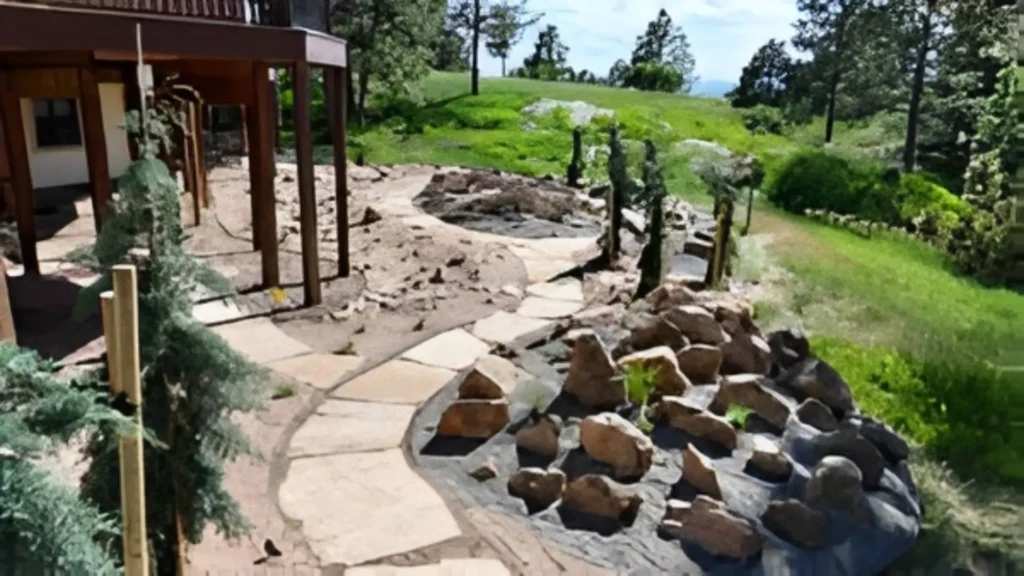
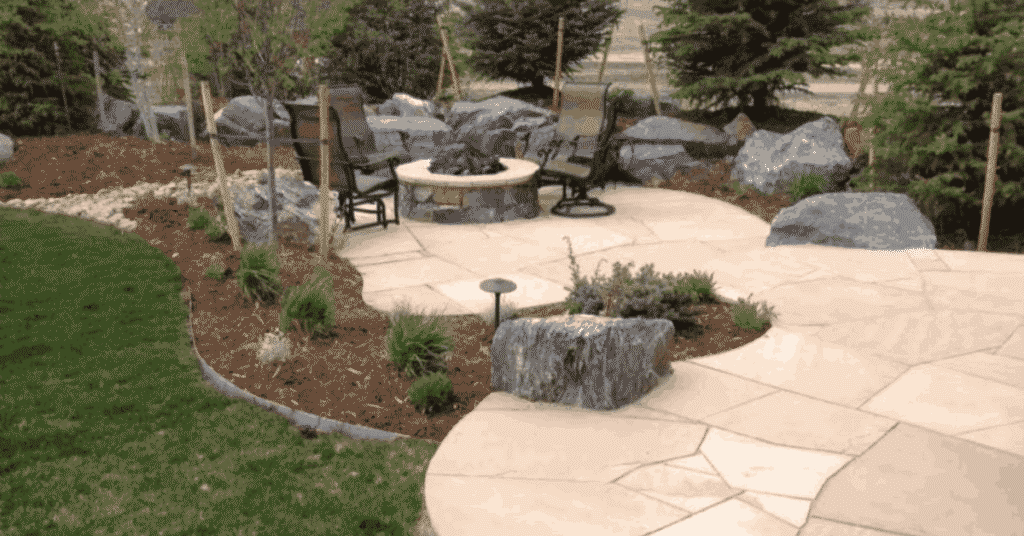
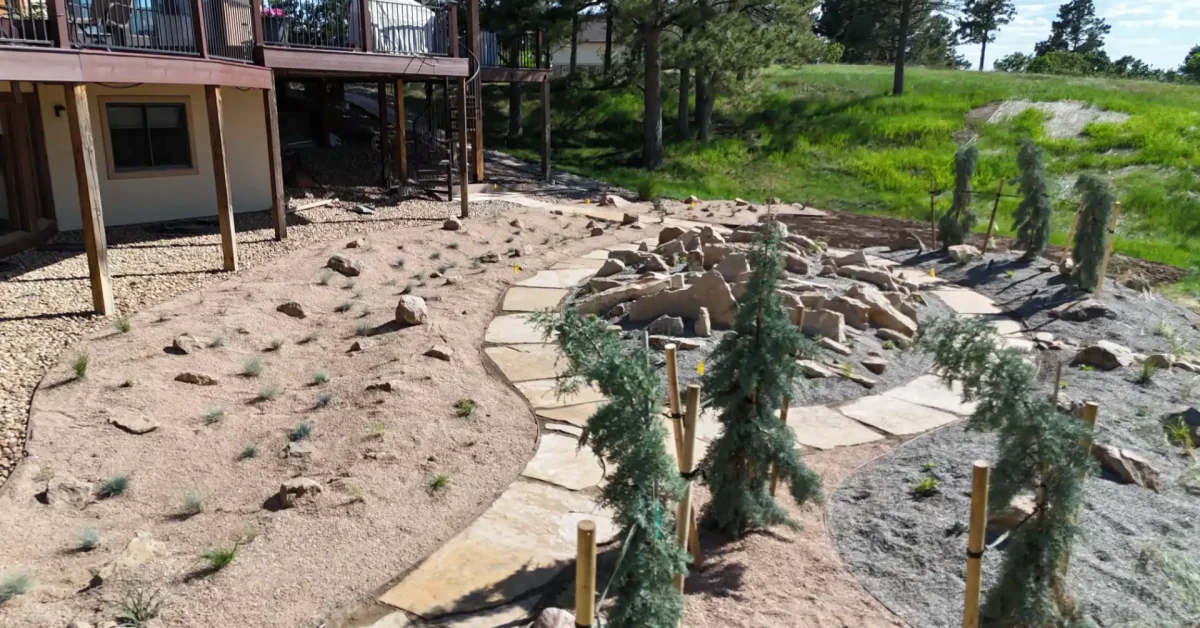
Flagstone and other irregular natural stone pavers create joints that vary significantly in width across a single walkway, unlike the consistent, uniform joints typical of manufactured concrete or brick pavers. Some gaps might be a quarter inch, others two inches or more, depending on the stone’s natural shape and how pieces fit together.
Wider, irregular joints are exactly the situation where silica sand’s tendency to wash out becomes most pronounced, since larger open joint spaces give water more room to move sand around and carry it away over time. Polymeric sand’s binding properties become proportionally more valuable here, since it holds together and resists washout even across the wider joint spans common in flagstone installations.
For flagstone joints wider than about two inches, some installers use a different approach entirely, a soil or sand and soil mix that supports groundcover planting directly within the joints, rather than a sand-based fill designed for tighter spacing. This is a design choice as much as a practical one, and it’s worth discussing with whoever’s installing your walkway if you’re working with particularly wide, irregular flagstone joints.
Silica sand, and to a lesser extent the sand base used in polymeric products, can produce fine dust during handling, pouring, and sweeping, particularly when working with dry material on a windy day. Repeated, prolonged exposure to airborne silica dust is a recognized respiratory health concern, which is worth taking seriously even on a residential-scale project.
Wearing a properly rated dust mask or respirator during sand handling and sweeping is a reasonable precaution, particularly if you’re working with a larger quantity of material or on a breezy day where dust becomes more airborne. Working with slightly damp sand rather than bone-dry material also reduces how much dust becomes airborne during handling, and it’s worth lightly dampening the area before sweeping if conditions allow.
Professional installers are generally familiar with these handling practices as a matter of routine, but DIY homeowners tackling a project themselves for the first time may not think to take these precautions. A basic dust mask, available inexpensively at any hardware store, is a simple, low-cost step that meaningfully reduces exposure during the jointing stage of a project.
While silica sand costs less upfront, it’s worth thinking about total cost across the life of the walkway rather than just the initial material price. If silica sand needs reapplication every one to two years and polymeric sand needs it every three to five, the cumulative material and labor cost over a decade often favors polymeric sand, even though its upfront price per bag is higher. This calculation matters more for larger walkways or ones with less accessible joint areas where reapplication labor adds up.
Polymeric sand is generally the better recommendation for most stone paver walkways, given its erosion resistance, weed suppression, and better performance across the wider or more irregular joints common with natural stone.
Silica sand remains a reasonable, lower-cost option for smaller, low-visibility projects where more frequent maintenance isn’t a significant burden, or where very tight, uniform joints reduce some of polymeric sand’s advantage.
Given flagstone’s naturally irregular, often wider joints, polymeric sand is even more strongly recommended here than for uniform stone pavers, since the wider joint spans are precisely where silica sand’s washout tendency becomes most noticeable.
Because joint width, stone type, and site conditions all factor into which sand choice makes the most sense, it’s worth discussing your specific project with an experienced installer rather than defaulting to whichever product is cheapest or most familiar. A properly matched sand choice reduces long-term maintenance and keeps a stone walkway looking finished for years rather than needing frequent attention.
With over 15 years of installing natural stone and paver walkways across a range of joint styles and widths in the Denver area, our team at Ridgewell Landscape and Design can help you choose the right joint fill for your specific stone selection and design. Explore our paver patio services to see examples of natural stone work across a range of joint treatments.
Polymeric sand is generally the better choice for most stone walkways, offering better erosion resistance and weed suppression, though silica sand remains a reasonable, lower-cost option for tight-jointed, low-traffic projects.
Silica sand typically needs topping off every one to two years, while properly installed polymeric sand generally lasts three to five years before needing reapplication.
Repeated exposure to airborne silica dust is a recognized respiratory health concern, so wearing a properly rated dust mask and slightly dampening the sand before handling are reasonable precautions during installation.
Yes. Flagstone’s irregular, often wider joints wash out more easily with silica sand, making polymeric sand an even stronger recommendation than it already is for uniform stone or concrete paver joints.
It’s generally not recommended, since the two products perform differently and mixing them can lead to inconsistent results across the joints. It’s better to choose one product for the full installation.
For most projects, yes, since its longer lifespan and reduced maintenance frequency often make it more cost-effective than silica sand over the life of the walkway, despite the higher initial price.
Getting joint sand right is a smaller decision than choosing your stone or paver material, but it has a real, lasting effect on how much maintenance your walkway needs and how well it holds up over time.
Ridgewell Landscape and Design has been installing natural stone walkways across Denver, Broomfield, Parker, and the surrounding communities for over 15 years. If you’d like help choosing the right materials for your project, reach out for a free quote and consultation.
Fresh Ideas From our experts
What Your Neighbors Are Saying
"They are the best. We have a small backyard and needed it to reflect a relaxing and enjoyable space. Chris used our ideas and came up with the perfect design. Then Francisco came with the cost projections and worked to accommodate our budget. He and his team then used their considerable construction expertise to create a space that’s an extension of our home where we spend a lot of time. Thank you for creating such a welcoming space."
"I am new to Colorado and hired Chris and Francisco to design and implement a plan for my new build house. From design to finish and followup they were beyond my expectations. They are in constant contact throughout the project and their crew is very hardworking. They followup when the project is finished and are always available for whatever questions you may have. I would highly recommend them, and I get many complements on the work they have done for me."
"We were thrilled with the end result of our brick paver patio refurbishment. We hired Chris, Francisco and their team to fix our sinking brick paver patio. It had been installed by a different landscaper, and after only 2 years it was collapsing. Boo hiss! Ridgewell Landscape and Design came in and saved the day! They discovered the original installation was done incorrectly, and that’s why it was collapsing. Their team worked hard and got the project done quickly and professionally. We are thrilled with the look and finish of the job! Bravo!!"