- Get A Free Consultation.
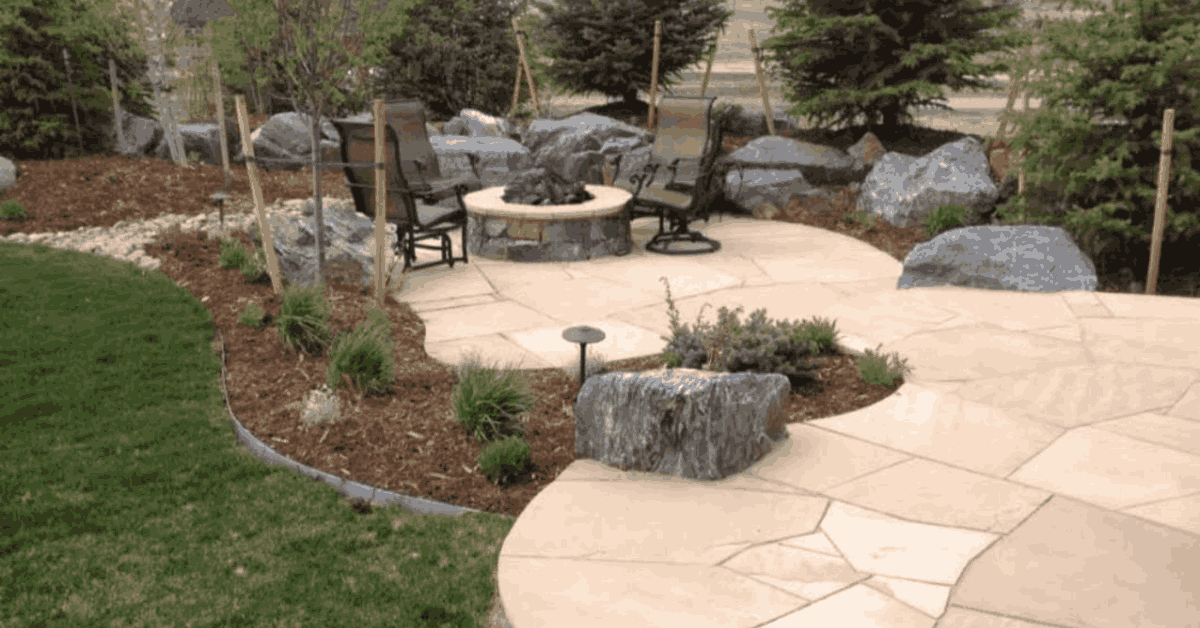
A paver patio is an outdoor surface built using individual units such as concrete pavers, clay bricks, or natural stone pieces that are arranged over a prepared base of gravel and sand. Unlike a solid poured concrete slab, a paver patio is made up of many separate pieces that interlock or sit closely together, creating a strong yet flexible surface.
This design allows for easy customization in terms of shape, color, and pattern, making it a popular choice for outdoor living spaces like seating areas, fire pit zones, and garden pathways. When answering “what is a paver patio,” it can be described as a modular hardscape system designed to combine durability with visual appeal while offering long-term practicality.
In regions such as Denver, Colorado, paver patios are especially beneficial due to the local climate conditions. Areas like Denver experience frequent freeze-thaw cycles, seasonal snow, and significant temperature changes throughout the year.
These conditions can cause rigid surfaces like poured concrete to crack over time. Paver patios handle this better because each unit can shift slightly with ground movement, reducing the risk of large structural damage. This makes them a reliable option for homeowners who want a long-lasting outdoor surface that can withstand harsh weather variations.
Paver patios also perform well in winter conditions where snow, ice, and de-icing salts are commonly used. The individual pavers are less likely to suffer permanent damage compared to continuous concrete slabs. In warmer months, they maintain their strength and appearance even under direct sunlight and heavy use.
Overall, a paver patio offers a balance of durability, flexibility, and design freedom, making it a practical and attractive solution for outdoor spaces in both residential and commercial settings.
A paver patio works through a layered construction system combined with the principle of interlocking strength. Instead of relying on a single solid slab, a paver patio distributes weight across many individual units. Each paver rests on a compacted base of crushed stone and bedding sand, which provides stability while still allowing slight movement. This layered system is what gives paver patios both flexibility and long-term durability.
The “science” behind interlocking pavers lies in load distribution and friction. When pressure is applied—such as from people walking, outdoor furniture, or vehicles in some installations—the force spreads across multiple pavers instead of concentrating on one point. The joints between the pavers, filled with sand, create friction that locks the units together and prevents shifting. Over time, this interlocking effect becomes stronger as the system settles and compacts.
Another important factor is drainage. Unlike solid concrete, a paver patio allows water to seep through the joints and into the base layers. This reduces surface runoff and helps prevent cracking caused by trapped moisture or freeze-thaw cycles. In colder regions, this flexibility is especially important because the ground naturally expands and contracts with temperature changes.
The combination of a strong base, interlocking joints, and natural drainage makes paver patios highly stable yet adaptable. This engineered balance is why they are widely used for outdoor spaces that need to withstand both heavy use and changing weather conditions.
Choosing between a paver patio and a concrete patio in Colorado largely depends on how well each material handles the region’s harsh and changing climate. Colorado experiences frequent freeze-thaw cycles, heavy snowfall in winter, and strong sunlight in summer, all of which put stress on outdoor surfaces. Because of this, durability, maintenance, cost, and long-term performance become the most important deciding factors.
A paver patio is generally considered the better long-term option for Colorado homes. This is because pavers are installed as individual units over a compacted base, allowing them to flex slightly with ground movement. This flexibility helps prevent large cracks, which are very common in rigid concrete surfaces during freeze-thaw cycles. Even if damage does occur, individual pavers can be replaced without disturbing the entire patio, making repairs simpler and more cost-effective over time. Studies and industry insights show that interlocking pavers are specifically designed to handle shifting soil and temperature changes more effectively than solid slabs.
Concrete patios, on the other hand, usually have a lower upfront cost and faster installation process. However, they are more vulnerable to cracking in climates like Colorado where moisture freezes and expands inside the slab. Once cracks form, they often spread and can be difficult to repair in a way that fully restores the original appearance. While concrete can still be a practical choice for budget-focused projects, its long-term durability is typically lower in harsh climates.
In terms of aesthetics, both options offer design flexibility, but pavers provide more variety in patterns, textures, and colors. Concrete offers a smoother, uniform finish but may fade or show wear more noticeably over time. Ultimately, for Colorado homeowners looking for durability, repair flexibility, and long-term value, paver patios are often the stronger investment, while concrete remains a more affordable short-term solution.
The cost of a paver patio in Denver varies based on material quality, labor rates, site preparation, and design complexity. On average, homeowners in Denver can expect to pay roughly $8 to $25 per square foot installed, with premium natural stone or complex layouts reaching higher ranges due to increased labor and material costs. In most cases, a standard residential patio falls within a mid-range budget, but final pricing depends heavily on the condition of the ground and the type of pavers chosen.
For a typical project size of 200 to 400 square feet, total installation costs in Denver usually range from about $2,500 to $10,000+, depending on design choices and site conditions. Simple layouts with basic concrete pavers tend to stay on the lower end, while custom patterns, borders, and natural stone materials increase the overall cost. Labor often makes up the largest portion of the expense because proper excavation, grading, and base preparation are essential for long-term durability in Colorado’s freeze-thaw climate.
Material costs typically range from $3 to $15 per square foot, depending on whether you choose basic concrete, brick, or premium stone. Labor adds another $5 to $12 per square foot, especially when heavy excavation or drainage correction is required. Additional expenses such as edging, polymeric sand, and sealant can add several hundred dollars to the total project.
In Denver’s freeze-thaw conditions, proper base installation is critical, which can increase upfront costs but significantly improve long-term performance. A well-built paver patio reduces cracking issues common in solid concrete surfaces and helps avoid expensive repairs later.Overall, while paver patios in Denver may cost more initially than simpler alternatives, they offer better durability, easier repairs, and stronger long-term value for Colorado homeowners.
Designing a paver patio for Colorado homes is all about balancing durability with outdoor lifestyle needs. Because the region experiences strong sunlight, snowfall, and seasonal temperature shifts, homeowners often choose designs that are both visually appealing and structurally practical. A well-planned paver patio can transform a backyard into a functional outdoor living space for entertaining, relaxing, and enjoying mountain-style scenery.
One popular design idea is the multi-level paver patio, which works especially well for sloped yards. By creating different elevation zones, homeowners can separate dining areas, fire pit lounges, and garden spaces while improving drainage and visual depth. This design is both practical and visually dynamic, making it ideal for Colorado landscapes.
Another trending option is the fire pit-centered patio, where seating is arranged in a circular or semi-circular layout around a built-in or portable fire feature. This design is especially useful in colder months, allowing outdoor use even during chilly evenings. It also creates a natural gathering space for family and guests.
For a more modern look, geometric patterns and large-format pavers are widely used. Clean lines, rectangular layouts, and contrasting border accents create a sleek, contemporary aesthetic that pairs well with modern Colorado architecture. Light-colored pavers are often chosen to reflect heat and reduce surface temperature during summer.
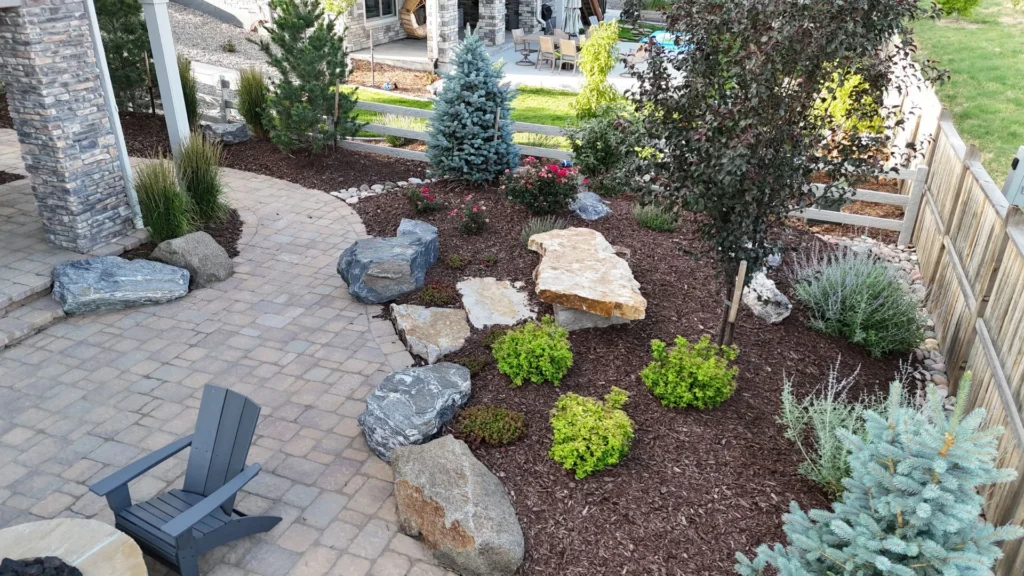
Homeowners who prefer a natural feel often go for mixed-material designs, combining pavers with gravel pathways, stone seating walls, or garden beds. This style blends the patio into the surrounding landscape, creating a more organic and relaxed outdoor environment.
Water features, such as small fountains or linear spillways, can also be integrated into paver patios to add a calming visual and sound element. When paired with drought-resistant plants and proper lighting, these designs enhance both beauty and functionality.
Overall, the best paver patio designs for Colorado homes are those that combine durability, climate adaptability, and lifestyle-focused layouts that maximize year-round outdoor use.
Maintaining a paver patio is essential to keep it looking clean, stable, and long-lasting, especially in climates like Denver where weather conditions can be harsh. Regular maintenance not only improves appearance but also prevents issues such as weed growth, joint sand loss, and surface staining. With a few simple habits, homeowners can extend the life of their patio and reduce the need for costly repairs.
One of the most important maintenance steps is regular sweeping and rinsing. Removing leaves, dirt, and debris prevents organic buildup that can lead to stains or moss growth. A simple rinse with a garden hose every few weeks helps keep the surface clean and fresh without disturbing the joint sand.
Weed and moss control is another key part of maintenance. Weeds often grow between pavers when joint sand becomes weak or washed out. Applying polymeric sand during installation or reapplication helps lock joints and reduce weed growth. If weeds do appear, they should be removed early before they spread.
Sealing the pavers every few years is also recommended. A quality sealant helps protect against moisture, oil stains, and UV fading while enhancing color and surface durability. This is especially useful in areas with snow, ice, and de-icing salts.
Joint sand replacement may be needed over time, especially after heavy rain or pressure washing. Re-sanding helps stabilize the pavers and maintain proper alignment. Using polymeric sand improves resistance to erosion and weed growth.
Finally, avoid using harsh chemicals or excessive pressure washing, as these can damage the surface and weaken the structure. Gentle cleaning methods combined with consistent care will keep the patio in excellent condition year-round.
Choosing the right contractor is just as important as choosing the right pavers, especially in Colorado’s challenging climate. A well-built paver patio requires proper planning, strong base preparation, and expert installation to ensure it can withstand freeze–thaw cycles, heavy use, and seasonal weather changes. This is where experience and local knowledge make a major difference.
Ridgewell Colorado is known for designing and building outdoor living spaces that are specifically tailored to Colorado conditions. Our team focuses on full-service hardscape construction, including paver patios, walkways, fire pits, and outdoor living areas, all built with durability and long-term performance in mind. They emphasize proper grading, drainage solutions, and structural base work to help prevent common issues like shifting, sinking, or cracking over time.
One of the key advantages of working with a specialized local company is their understanding of Colorado’s soil behavior and freeze–thaw impact. Instead of using a one-size-fits-all approach, Ridgewell Colorado designs patios that are adapted to each property’s slope, drainage pattern, and exposure to weather conditions. This helps ensure the patio not only looks good but also performs well year after year.
In addition to structural quality, they also focus on customized design. Homeowners can choose from a wide range of paver styles, patterns, and layouts to match modern, rustic, or natural outdoor aesthetics. This combination of durability and design flexibility makes them a strong option for homeowners who want both performance and curb appeal.
Overall, choosing a skilled local installer like Ridgewell Colorado helps ensure your paver patio is built correctly from the ground up, reducing future repair costs and maximizing long-term value.
A paver patio is generally not cheaper than concrete when comparing initial installation costs. Concrete is more affordable because it requires fewer materials and less labor. Pavers, on the other hand, involve individual units, detailed base preparation, and more labor-intensive installation, which increases cost.
However, pavers often provide better long-term value because they are more durable, easier to repair, and offer more design flexibility. While concrete may save money upfront, pavers can reduce maintenance and replacement costs over time.
The main difference between patio stones and pavers is their material, shape, and installation style. Patio stones are usually natural stone or large irregular slabs that create a more organic, natural appearance.
Pavers are manufactured units made from concrete, brick, or stone and are designed in uniform shapes for easy, tight-fitting installation. Pavers are typically more structured and durable for high-traffic areas, while patio stones are often chosen for decorative, upscale, or natural-looking outdoor designs.
A well-installed paver patio can last between 25 and 50 years or even longer with proper maintenance. Its longevity depends on factors like the quality of the base preparation, climate conditions, drainage, and how much foot traffic it receives.
One major advantage of pavers is that individual pieces can be replaced if damaged, without rebuilding the entire patio. Regular maintenance such as cleaning, re-sanding joints, and sealing can significantly extend the lifespan and keep the patio looking new for decades.
While pavers are durable and visually appealing, they do have some disadvantages. The biggest drawback is the higher initial cost compared to concrete due to materials and labor. Installation is also more time-consuming and requires proper base preparation to prevent shifting or sinking.
Over time, weeds or grass can grow between joints if not sealed or maintained properly. Additionally, uneven settling may occur in poorly installed patios, requiring adjustments. Despite these issues, many homeowners still prefer pavers for their long-term durability and design flexibility.
A paver patio is one of the most durable, flexible, and visually appealing outdoor solutions for Colorado homes. From understanding how interlocking systems work to choosing the right materials and design, every step plays an important role in creating a long-lasting outdoor space that can handle Denver’s freeze–thaw climate and seasonal weather changes. With proper planning, quality installation, and regular maintenance, a paver patio can significantly enhance both the functionality and value of your home.
Whether you are building a new outdoor living area or upgrading an existing backyard, investing in a professionally designed and installed paver patio ensures better performance and fewer long-term issues like cracking or settling. Local expertise is especially important in Colorado, where soil conditions and weather patterns demand precise construction methods.
If you are ready to transform your outdoor space, consider reaching out to Ridgewell Colorado for a professional consultation. Our team can help you design and build a custom paver patio tailored to your property, lifestyle, and budget, ensuring a durable and beautiful result that lasts for years.
Fresh Ideas From our experts
What Your Neighbors Are Saying
"They are the best. We have a small backyard and needed it to reflect a relaxing and enjoyable space. Chris used our ideas and came up with the perfect design. Then Francisco came with the cost projections and worked to accommodate our budget. He and his team then used their considerable construction expertise to create a space that’s an extension of our home where we spend a lot of time. Thank you for creating such a welcoming space."
"I am new to Colorado and hired Chris and Francisco to design and implement a plan for my new build house. From design to finish and followup they were beyond my expectations. They are in constant contact throughout the project and their crew is very hardworking. They followup when the project is finished and are always available for whatever questions you may have. I would highly recommend them, and I get many complements on the work they have done for me."
"We were thrilled with the end result of our brick paver patio refurbishment. We hired Chris, Francisco and their team to fix our sinking brick paver patio. It had been installed by a different landscaper, and after only 2 years it was collapsing. Boo hiss! Ridgewell Landscape and Design came in and saved the day! They discovered the original installation was done incorrectly, and that’s why it was collapsing. Their team worked hard and got the project done quickly and professionally. We are thrilled with the look and finish of the job! Bravo!!"