- Get A Free Consultation.
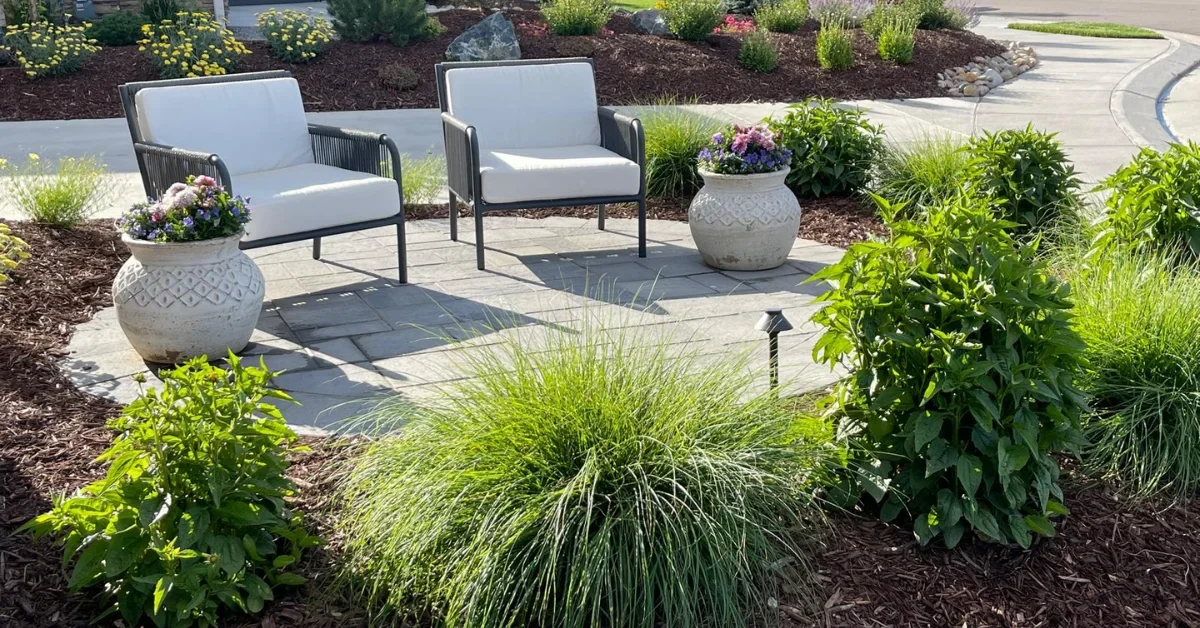
The correct paver base depth is one of the most important factors in building a durable, long-lasting patio. In general, a properly constructed paver patio requires a total excavation depth of about 8 to 12 inches, and in colder climates like Colorado, it can even go slightly deeper depending on soil conditions and intended use. This depth is not just a guideline—it is the foundation that determines whether your patio will last decades or begin to fail within just a few winters.
In regions with freeze-thaw cycles, like Denver and much of Colorado, soil expands when frozen and contracts when thawed. This constant movement can easily shift or crack any surface that is not properly supported. That is why the paver base depth becomes the single most critical factor in patio performance. A shallow or poorly compacted base will lead to sinking pavers, uneven surfaces, pooling water, and weed growth between joints. On the other hand, a correctly built base acts like a strong structural foundation, keeping everything stable even during harsh seasonal changes.
For most residential patios, the excavation depth is typically broken down into layers: about 4–6 inches of compacted gravel base, followed by 1 inch of bedding sand, and then the thickness of the pavers themselves. However, in Colorado conditions—where soil can be clay-heavy or prone to expansion—many professionals recommend going deeper, especially for patios that will support furniture, grills, or frequent foot traffic. In some cases, a total depth of 10–12 inches or more is used to ensure maximum stability and proper drainage.
Another important reason base depth matters is water management. Without enough depth and proper grading, water can accumulate beneath the pavers. When this water freezes, it expands and pushes the pavers upward, a process known as frost heave. This is one of the most common reasons paver patios fail prematurely in colder climates. A deep, well-compacted base allows water to drain properly and reduces the risk of movement.
Ultimately, the success of any paver patio depends far more on what is underneath than what is visible on top. Homeowners often focus on paver color, shape, or pattern, but the hidden base layer is what truly determines durability. Investing time and effort into achieving the correct excavation depth and proper compaction is what ensures a patio remains level, stable, and visually appealing for 20 years or more, even in challenging climates like Colorado.
A paver patio is an outdoor surface made by laying individual units—usually concrete, brick, or natural stone—over a carefully prepared foundation. Unlike poured concrete, paver patios are flexible systems, meaning each piece works together with a layered base underneath to create strength, stability, and long-term durability. This design allows pavers to shift slightly with ground movement without cracking, making them especially popular for outdoor living spaces such as seating areas, fire pits, and backyard entertainment zones.
However, the true strength of a paver patio does not come from the stones on the surface—it comes from what is underneath. The base layer is what supports the entire structure, distributes weight evenly, and prevents shifting over time. This is why proper base depth is essential. Without an adequately deep and well-compacted base, even high-quality pavers will eventually sink, tilt, or separate, leading to an uneven and unsafe surface.
Base depth is especially important because outdoor ground conditions are constantly changing. Soil expands when wet, contracts when dry, and freezes during winter months. In colder climates like Colorado, freeze-thaw cycles are particularly harsh. When moisture in the soil freezes, it expands upward and can lift pavers if the base is too shallow or poorly compacted. This movement, known as frost heave, is one of the most common causes of patio failure.
A properly designed base—typically consisting of compacted crushed gravel and a bedding layer of sand—acts as a buffer against these natural forces. It improves drainage, reduces water retention, and creates a stable platform that keeps pavers locked in place. The deeper and better compacted the base, the more resistant the patio becomes to shifting, erosion, and seasonal movement.
In short, a paver patio is only as strong as its foundation. While the surface design adds beauty and style, it is the correct base depth that determines whether the patio will last a few years or remain solid and functional for decades.
An interlocking paver system is a paving method where individual units are tightly fitted together and supported by a layered base rather than being fixed with mortar or adhesive. The strength of the system comes from both the pavers themselves and the friction between them, which allows the surface to distribute weight evenly across the entire area. This design creates a flexible yet durable structure that can handle foot traffic, furniture, and light vehicle loads depending on installation.
Beneath the pavers lies a crucial foundation made of compacted crushed gravel and a leveling sand layer. The gravel provides structural strength and drainage, while the sand helps lock the pavers in place and allows for precise leveling. Edge restraints are also used to keep the system from shifting outward over time. When all these components work together, the result is a stable, long-lasting surface that can adapt slightly to ground movement without cracking like concrete.
In Colorado, insufficient base depth is one of the leading causes of paver patio failure due to the region’s freeze-thaw climate and variable soil conditions. When the base is too shallow, it cannot properly support the weight of the pavers or absorb ground movement. As moisture enters the soil and freezes, it expands and pushes upward, a process known as frost heave, which can lift and distort the patio surface.
Without enough compacted gravel beneath the pavers, water drainage is also compromised. Instead of flowing away, water becomes trapped under the surface, weakening the base over time. This leads to sinking pavers, uneven surfaces, and joint separation. In clay-heavy soils common in parts of Colorado, these issues become even more severe because clay retains water and expands significantly when wet.
A properly deep base acts as a protective buffer against these conditions. It improves drainage, reduces soil movement impact, and provides the stability needed to withstand harsh winters. When contractors cut corners on excavation depth, patios may look fine initially but often begin to fail within just a few seasons, making proper base depth essential for long-term performance.
For Denver and most areas in Colorado, the recommended paver patio base depth in 2026 is typically 8 to 12 inches total excavation, depending on soil type, drainage conditions, and intended use. This includes the compacted gravel base, bedding sand layer, and paver thickness. In lighter soil conditions or simple walkways, 8 inches may be enough, but for most residential patios, especially those exposed to freeze-thaw cycles, professionals often recommend going closer to 10–12 inches for long-term durability.
Colorado’s climate is the main reason for these deeper requirements. The region experiences frequent freeze-thaw cycles, where moisture in the soil freezes, expands, and then thaws repeatedly throughout the year. This movement can easily shift or lift pavers if the base is too shallow or poorly compacted. In addition, many areas around Denver have clay-heavy soils, which retain water and expand significantly when wet, further increasing the risk of movement and surface failure if the base is insufficient.
A proper base is typically built in layers. The bottom layer consists of compacted crushed gravel, usually 6–10 inches depending on conditions, followed by a thin bedding layer of sand (about 1 inch), and then the pavers themselves. The gravel layer is the structural backbone of the patio, allowing drainage while preventing soil movement from affecting the surface. Without enough depth, water can become trapped under the pavers, leading to frost heave, sinking sections, and uneven surfaces over time.
Another key factor in Colorado installations is compaction. Base materials must be compacted in layers (not all at once) to achieve maximum stability. Poor compaction is one of the main reasons patios fail within just a few seasons. Even high-quality pavers will not perform well if the foundation underneath is too shallow or improperly compacted.
In short, the 2026 best practice for Denver and Colorado patios is simple: don’t underbuild the base. A deeper, well-compacted 8–12 inch system is what ensures your patio stays level, drains properly, and withstands harsh winters for 20+ years instead of failing in just a few freeze-thaw cycles.
Standard paver installation guidelines often suggest a total excavation depth of around 6 to 8 inches for patios in moderate climates. This may be sufficient in areas with stable soil and minimal freeze-thaw activity. However, Colorado’s environmental conditions make these “standard” recommendations less reliable for long-term performance. The state’s elevation, temperature swings, and soil variability require a more reinforced approach to prevent shifting, settling, and frost-related damage over time.
In Colorado, installers must account for far more aggressive ground movement and moisture changes. What works in milder regions often fails quickly in the Front Range due to repeated freezing and thawing cycles. As a result, professional installers in Denver and surrounding areas typically exceed standard guidelines to build a stronger, more resilient base that can withstand seasonal stress and soil expansion.
For patios and walkways in the Denver Front Range, the recommended construction depths are more specific to ensure durability and stability. A total excavation depth of 8–12 inches is considered ideal for most residential projects. This allows enough room to build a layered system that supports long-term performance.
This layered system ensures that weight is evenly distributed and that water can drain effectively, reducing the risk of frost heave and surface shifting common in Colorado climates.
Several site-specific factors influence how deep a paver base should be in Colorado. One of the most important is soil type, especially the presence of clay soil, which expands when wet and contracts when dry. Clay-heavy areas require deeper and more heavily compacted bases to minimize movement.
Slope is another major factor. Sloped areas require additional depth and proper grading to prevent water runoff from undermining the base. Poor drainage on slopes can quickly weaken the foundation if not properly addressed.
Load expectations also affect depth requirements. Areas that will support heavier use—such as outdoor kitchens, fire pits, or furniture-heavy patios—benefit from deeper bases to distribute weight more effectively and prevent settling.
Finally, freeze-thaw cycles are the most critical consideration in Colorado. Repeated freezing of trapped moisture can lift and shift pavers if the base is not deep and well-drained. Increasing excavation depth and ensuring proper compaction significantly reduces this risk and extends the lifespan of the patio.
Denver homeowners continue to choose Ridgewell Colorado because of our strong understanding of local conditions and commitment to building patios that last in the challenging Front Range climate. With frequent freeze–thaw cycles, shifting soils, and seasonal moisture changes, paver patio installation in this region requires more than basic construction—it requires local expertise and precision from the ground up.
One of the key reasons for our trust is local expertise built for Front Range conditions. Ridgewell Colorado designs every patio with Colorado’s weather patterns in mind, ensuring proper grading, drainage, and base preparation to reduce the risk of shifting, sinking, or cracking over time. This attention to regional detail helps create outdoor spaces that remain stable and visually appealing year after year.
We also specialize in custom designs with proper base depth for maximum durability. Instead of using standard templates, each project is tailored to the property’s layout and intended use. Whether it’s a simple seating area or a complex outdoor living space, the installation process focuses on long-term structural integrity while still achieving a high-end aesthetic.
Another major trust factor is our satisfaction guarantee and transparent 3-stage payment process, where the final payment is only collected once the client is fully satisfied with the completed work. This approach builds confidence and ensures accountability throughout the project.
Overall, homeowners trust Ridgewell Colorado because we combine technical expertise, transparent processes, and proven results to deliver patios that are both beautiful and built to last. If you are planning a paver patio in Denver, now is the perfect time to schedule a consultation and bring your outdoor vision to life with a team that understands Colorado conditions inside and out.
Common mistakes when laying pavers include skipping proper excavation, using an insufficient gravel base, and failing to compact each layer correctly. Other issues include poor drainage planning, not using edge restraints, laying pavers on uneven sand, and ignoring joint filling. These errors often lead to sinking, shifting, weed growth, and uneven surfaces over time.
No, the paver base should not be perfectly level, but it must be smooth, evenly compacted, and properly graded. A slight slope (usually about 1–2%) is required to allow water drainage away from structures. The key is consistency and stability rather than a perfectly flat surface.
Yes, gravel is essential under a paver base. A compacted layer of crushed stone or gravel provides structural support, drainage, and load distribution. Without it, pavers are likely to shift, sink, or become uneven due to soil movement and water retention.
No, laying pavers directly on dirt is not recommended. Soil alone cannot provide the stability or drainage needed for a long-lasting surface. Over time, the pavers will shift, sink, and become uneven. A proper base of compacted gravel and sand is required for durability and performance.
A successful paver patio in Denver ultimately comes down to one critical factor: proper base depth and preparation. In Colorado’s freeze–thaw climate, the strength of the patio is not just in the pavers themselves, but in the layers beneath them. A well-compacted gravel base, correct excavation depth, and properly leveled bedding layer ensure the patio remains stable, prevents shifting, and resists cracking over time. Without this foundation, even high-quality pavers can fail prematurely, leading to uneven surfaces and costly repairs.
By focusing on correct installation techniques, choosing the right materials, and following a structured maintenance routine, homeowners can enjoy a patio that stays strong, functional, and visually appealing for decades. Proper planning and expert craftsmanship make all the difference in long-term performance, especially in a region like Denver where weather conditions constantly test outdoor structures.
If you are ready to build a durable, custom-designed paver patio, Ridgewell Colorado is here to help. Contact our team today to schedule your free consultation and get expert guidance tailored to your property, design goals, and budget. With professional installation and climate-specific construction methods, you can confidently transform your outdoor space into a long-lasting extension of your home.
Fresh Ideas From our experts
What Your Neighbors Are Saying
"They are the best. We have a small backyard and needed it to reflect a relaxing and enjoyable space. Chris used our ideas and came up with the perfect design. Then Francisco came with the cost projections and worked to accommodate our budget. He and his team then used their considerable construction expertise to create a space that’s an extension of our home where we spend a lot of time. Thank you for creating such a welcoming space."
"I am new to Colorado and hired Chris and Francisco to design and implement a plan for my new build house. From design to finish and followup they were beyond my expectations. They are in constant contact throughout the project and their crew is very hardworking. They followup when the project is finished and are always available for whatever questions you may have. I would highly recommend them, and I get many complements on the work they have done for me."
"We were thrilled with the end result of our brick paver patio refurbishment. We hired Chris, Francisco and their team to fix our sinking brick paver patio. It had been installed by a different landscaper, and after only 2 years it was collapsing. Boo hiss! Ridgewell Landscape and Design came in and saved the day! They discovered the original installation was done incorrectly, and that’s why it was collapsing. Their team worked hard and got the project done quickly and professionally. We are thrilled with the look and finish of the job! Bravo!!"