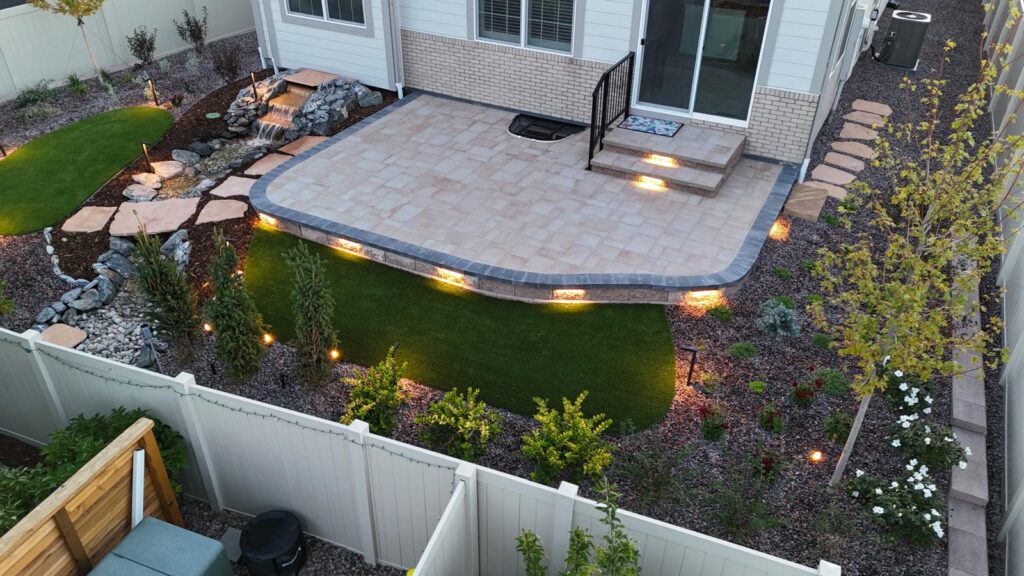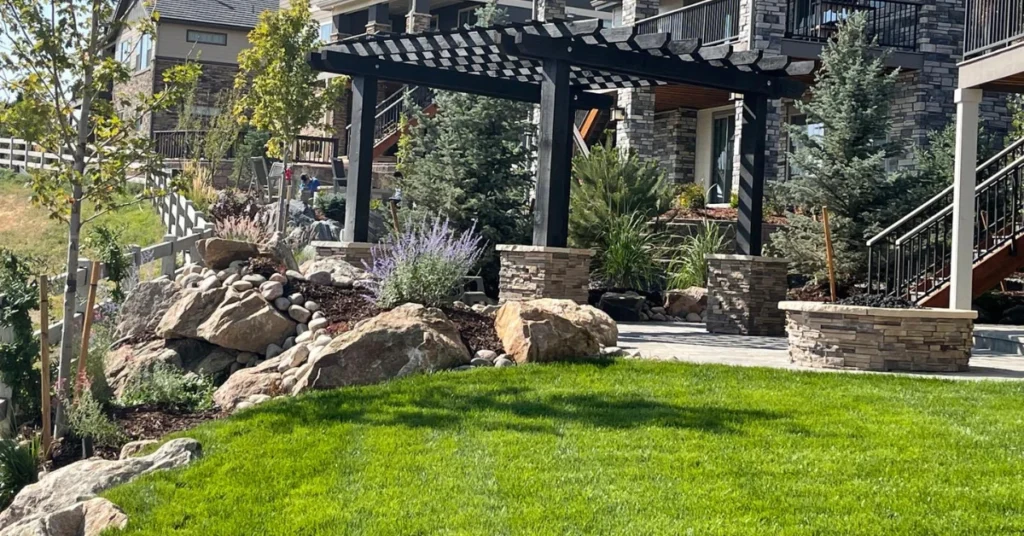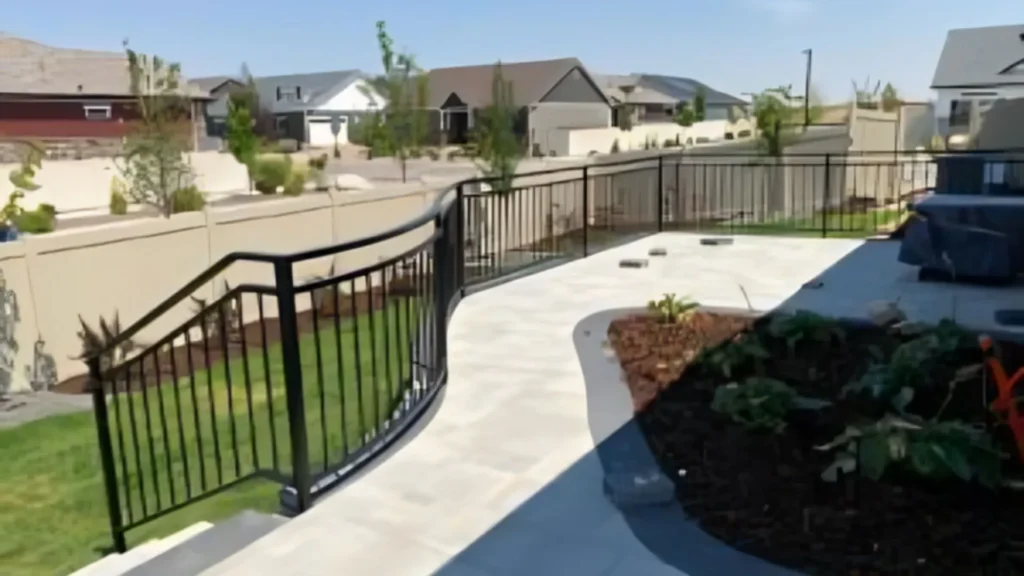
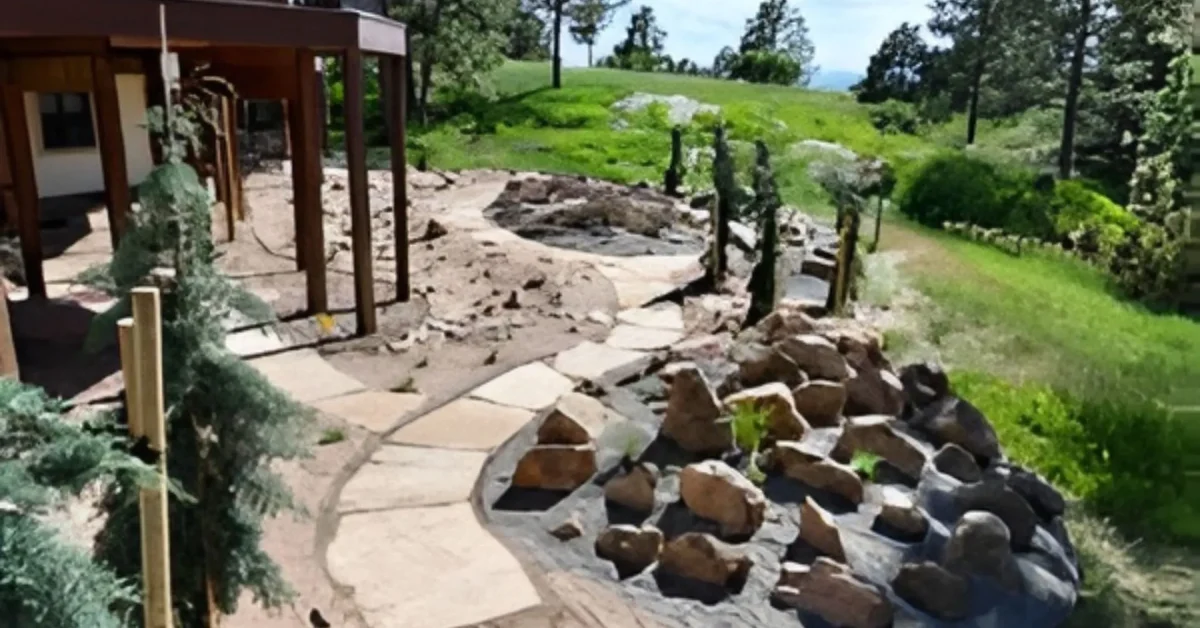
Hardscaping refers to the non-living elements of a landscape that shape, define, and support outdoor spaces. While plants and greenery bring life and color, hardscape features such as patios, walkways, driveways, retaining walls, fire pits, and outdoor kitchens provide structure and functionality.
These elements turn a basic yard into a usable, organized environment where homeowners can relax, entertain, and move comfortably between different areas.
At its core, hardscaping is about creating durable surfaces and structural features that withstand daily use and changing weather conditions. In places like Denver, where freeze-thaw cycles, snow, and dry summers are common, properly installed hardscape ensures stability, prevents erosion, and reduces long-term maintenance.
Materials like natural stone, concrete, and pavers are often chosen for their strength, versatility, and ability to complement surrounding softscape.
Beyond functionality, hardscaping plays a major role in aesthetics and property value. A well-designed patio or walkway enhances curb appeal and creates a polished, cohesive look.
With expert planning from professionals like Ridgewell Colorado, homeowners can achieve outdoor spaces that balance beauty, durability, and practicality making hardscaping a smart, long-term investment.
Hardscaping is simply the “built” part of your outdoor space, the solid features that don’t grow or change with the seasons. If you think about your yard, anything made of stone, concrete, brick, or wood that stays in place is considered hardscape. This includes things like patios where you sit, walkways you use to move around, driveways for parking, and features like fire pits or retaining walls.
A helpful way to understand it is to compare hardscape with softscape. Softscape includes grass, plants, trees, and flowers, the living elements. Hardscape, on the other hand, gives those living elements structure and support. Without it, a yard can feel unorganized or difficult to use, especially when dealing with uneven ground or heavy foot traffic.
Hardscaping also makes outdoor spaces more practical. Instead of walking on muddy grass or uneven soil, you have stable, clean surfaces to enjoy year-round. In climates like Denver’s, where weather can shift quickly, these durable surfaces help prevent erosion, control drainage, and reduce maintenance.
In simple terms, hardscaping turns an outdoor area into a functional space you can actually use whether that’s for relaxing, entertaining, or just making everyday movement around your property easier and more comfortable.
Hardscaping plays a central role in organizing and defining how your outdoor space is used. Instead of a yard feeling like one open, undefined area, hardscape features break it into purposeful zones.
A patio might serve as a gathering and dining space, while walkways connect different areas like gardens, entrances, or driveways. Retaining walls can shape the land itself, creating levels that make sloped yards more usable and visually interesting.
In practical terms, hardscaping acts as the framework of your landscape. It determines how you move through the space, where you spend time, and how different elements come together.
For example, a well-placed pathway not only improves accessibility but also protects grass and plants from wear. Similarly, a thoughtfully designed driveway or entryway enhances both convenience and first impressions.
In Denver, hardscaping is especially important due to changing weather and varied terrain. Durable surfaces help manage drainage during snowmelt, reduce mud and erosion, and provide stable footing year-round.
By integrating hardscape features strategically, homeowners can create outdoor spaces that are both functional and visually balanced making the entire property easier to use, maintain, and enjoy.
Relevant Read: What Is Xeriscaping & Xeriscape Ideas for Colorado Homes
Hardscaping isn’t just about how a yard looks, it directly shapes how you use it every day. Well-placed patios, walkways, and seating areas create comfortable, reliable spaces where daily activities can happen naturally, whether that’s enjoying a morning coffee, hosting friends, or simply spending time outdoors without worrying about mud, uneven ground, or maintenance.
Functional hardscape features make outdoor living more convenient. Walkways provide clean, stable paths between key areas like entrances, gardens, and driveways. Patios act as extensions of indoor living spaces, offering room for dining, relaxing, or entertaining.
Features like fire pits or outdoor kitchens add another layer of usability, allowing homeowners to make the most of their yard throughout different seasons.
In climates like Denver’s, hardscaping becomes even more valuable. Durable materials withstand temperature swings, snow, and dry conditions, ensuring outdoor spaces remain usable year-round. Properly installed surfaces also improve drainage and reduce wear on lawns and plantings.
By integrating hardscaping into everyday design, homeowners create outdoor spaces that are not only attractive but also practical and easy to live with. It transforms a yard from something you occasionally look at into a space you consistently use and enjoy.
Hardscape elements are everywhere you just might not always notice them. Anytime you walk up a paved driveway, step onto a stone patio, or follow a garden path, you’re interacting with hardscaping. These features are designed to make outdoor spaces more functional, organized, and visually appealing.
Common examples include patios and decks, which create dedicated areas for relaxing or entertaining. Walkways and pathways guide movement through a yard while protecting grass and plants from wear.
Driveways are another essential hardscape feature, providing durable surfaces for vehicles while contributing to curb appeal. Retaining walls are often used in sloped areas to hold soil in place and create level sections for planting or seating.
You’ll also see decorative and functional elements like fire pits, outdoor kitchens, and built-in seating areas. Even smaller details such as stone borders, edging, or steps play an important role in shaping the landscape and improving usability.
In places like Denver, these features are not just about design they help manage drainage, reduce erosion, and handle changing weather conditions. By recognizing these everyday elements, it becomes easier to understand how hardscaping brings structure, durability, and purpose to outdoor environments.
Hardscaping is often associated with visual appeal, but its true value lies in how it improves the functionality of an outdoor space. Well-designed hardscape features determine how you move, use, and experience your yard on a daily basis. Instead of navigating uneven ground or dealing with muddy areas, hardscape creates stable, defined surfaces that make outdoor spaces more practical and comfortable.
For example, a properly placed walkway directs foot traffic efficiently, reducing wear on grass and preventing soil compaction. Patios provide reliable spaces for dining, relaxing, or entertaining without worrying about weather-related mess.
Retaining walls do more than add dimension; they control erosion, manage slopes, and create usable levels in areas that would otherwise be difficult to navigate.
In climates like Denver’s, functionality becomes even more important. Hardscape helps manage drainage during snowmelt, prevents water pooling, and withstands freeze-thaw cycles that can damage poorly planned surfaces. Choosing the right materials and layout ensures that your outdoor space remains safe and usable throughout the year.
By focusing on function as much as appearance, hardscaping transforms a yard into a space that works seamlessly with your lifestyle, offering both everyday convenience and long-term durability.
Designing an outdoor space often comes down to finding the right balance between softscape and hardscapes. Softscape includes living elements like grass, plants, shrubs, and trees, while hardscape refers to solid features such as patios, walkways, retaining walls, and driveways.
Both play important roles, but choosing how much of each to include depends on how you want to use your yard.
If your goal is a lush, natural look, softscape will take priority, offering color, shade, and seasonal variety. However, too much greenery without structure can make a yard harder to navigate and maintain.
This is where hardscape becomes essential. Adding patios or seating areas creates usable space, while walkways improve flow and accessibility. Retaining walls can also help manage slopes and prevent erosion, especially in uneven terrain.
In Denver, striking this balance is even more important due to climate conditions. Solid features reduce water usage, limit maintenance, and hold up better against temperature swings and dry periods. At the same time, carefully placed plants soften the look of stone and concrete, creating a more inviting environment.
The best outdoor spaces combine both elements thoughtfully, ensuring your yard is not only visually appealing but also practical, comfortable, and easy to maintain year-round.
The materials you choose play a major role in how your hardscape looks, performs, and lasts over time. Each option offers a different balance of durability, maintenance, and visual appeal.
Natural stone is one of the most sought-after choices, known for its unique textures and long lifespan. It blends seamlessly with outdoor environments and holds up well against Denver’s changing weather, though it typically comes at a higher cost.
Concrete is a versatile and budget-friendly material, commonly used for patios, driveways, and walkways. It can be poured in simple forms or enhanced with stamping and coloring to mimic more expensive finishes.
Pavers are another popular option, offering flexibility and easy repairs since individual units can be replaced if needed. They also perform well in freeze-thaw conditions when installed correctly.
Brick provides a classic, timeless look, often used for pathways and edging, while composite materials are increasingly used for decking and seating due to their low maintenance and resistance to moisture and fading.
In Denver’s climate, durability is key. Materials must handle temperature swings, snow, and dry summers without cracking or shifting. Choosing the right combination ensures your hardscape remains both functional and visually appealing for years to come.
Creating a hardscape that stands the test of time requires careful planning and attention to both design and functionality. Start by assessing your yard’s layout, including slopes, drainage, and natural focal points.
Understanding how water flows across your property helps prevent erosion, pooling, and damage to patios, walkways, or retaining walls. Proper grading and site preparation are essential for durability and long-term stability.
Selecting materials suited to your local climate is equally important. In Denver, freeze-thaw cycles, snow, and dry summers demand stone, concrete, or composite materials that resist cracking, shifting, and fading.
Durable materials not only extend the lifespan of your hardscape but also reduce maintenance needs over time.
Functionality should guide placement and design. Patios, walkways, and seating areas should be arranged to support everyday use, entertaining, and accessibility, while retaining walls or terraces create usable space on sloped properties. Thoughtful integration with softscape trees, shrubs, and lawns ensures the yard remains balanced and visually appealing throughout the seasons.
Working with professionals like Ridgewell Colorado ensures long-term success. Their expertise in design, material selection, and installation allows homeowners to avoid common mistakes, create durable structures, and maximize both functionality and aesthetics. Proper planning transforms a hardscape investment into a lasting outdoor retreat.
The best hardscape designs begin with understanding how you plan to use your outdoor areas. Are patios mainly for dining and entertaining, or for quiet relaxation? Do walkways need to handle heavy foot traffic, connect multiple zones, or accommodate accessibility needs? Aligning design with daily use ensures each feature is practical and enjoyable.
For example, seating areas should have easy access to the house and shade, while pathways should follow natural walking patterns to prevent shortcuts that damage lawns or plantings. Proper layout improves flow, safety, and usability, making the space feel intuitive and welcoming for everyone in the household.
Durability is a crucial part of long-term hardscapes planning. In climates like Denver’s, materials and installation techniques must handle seasonal snow, freeze-thaw cycles, and occasional heavy rain.
Proper grading and drainage prevent water pooling that can cause erosion or damage to patios, walkways, and retaining walls. High-traffic areas should use durable, slip-resistant materials that withstand wear over time, while retaining walls and terraces require reinforcement to manage soil movement.
Planning for weather, foot traffic, and water flow from the start reduces maintenance needs and ensures your hardscape remains safe, functional, and visually appealing for years.
Poorly planned or executed hardscaping can lead to a range of functional and aesthetic problems, often resulting in costly repairs. One common issue is uneven surfaces, which create trip hazards and make patios, walkways, and driveways uncomfortable or unsafe to use.
Improper grading and drainage can cause water to pool, leading to erosion, soil instability, and damage to retaining walls or outdoor structures.
Using low-quality or inappropriate materials is another frequent mistake. Stones that crack easily, untreated wood, or pavers not suited for freeze-thaw cycles can deteriorate quickly, reducing the lifespan of your hardscape and diminishing property value. Even small errors, like misaligned pavers or improperly anchored steps, can compromise both safety and visual appeal.
DIY projects that skip professional planning or installation are particularly vulnerable. Without expertise, it’s easy to overlook site preparation, local climate considerations, or structural requirements for features like retaining walls and outdoor kitchens.
Avoiding these problems starts with thoughtful planning, material selection, and professional installation. Experts like Ridgewell Colorado ensure proper grading, durable materials, and precise construction tailored to Denver’s climate and terrain.
By investing in quality design and execution, homeowners can enjoy functional, attractive, and long-lasting hardscapes that enhance both outdoor living and property value.
While some small-scale landscaping tasks can be tackled as DIY projects, many hardscaping features benefit significantly from professional expertise. Large patios, retaining walls, outdoor kitchens, and multi-level designs involve complex planning, precise measurements, and specialized installation techniques that ensure both functionality and durability.
Attempting these projects without experience can lead to uneven surfaces, poor drainage, and materials that fail prematurely.
Climate and terrain also make professional guidance essential. In Denver, freeze-thaw cycles, snow, and clay-heavy soils can challenge even skilled homeowners. Professionals understand how to grade properly, select climate-appropriate materials, and install features that withstand temperature fluctuations and seasonal moisture. This expertise reduces long-term maintenance and protects your investment.
Additionally, professionals can provide design insights that optimize flow, accessibility, and usability, integrating hardscape with surrounding softscape for a cohesive and aesthetically pleasing outdoor environment. They also handle permits, local regulations, and safety considerations, ensuring your project meets all necessary standards.
Companies like Ridgewell Colorado offer tailored solutions, combining design, material selection, and expert installation to create durable, visually appealing hardscapes. Bringing in professionals makes sense whenever your project requires structural integrity, weather resilience, or a polished, long-lasting result that enhances both outdoor living and property value.
Proper installation is crucial to avoid long-term issues and unexpected expenses. Poorly installed patios, walkways, or retaining walls can shift, crack, or erode over time, leading to costly repairs. Incorrect grading and drainage may cause water pooling, soil instability, or damage to surrounding landscaping.
Using inappropriate materials or skipping reinforcement steps further increases the risk of premature failure. Investing in professional installation ensures that surfaces are level, materials are correctly anchored, and drainage is properly managed. This reduces maintenance, extends the lifespan of your hardscape, and protects your investment.
Ridgewell Colorado provides expert guidance and hands-on support for both residential and commercial hardscaping projects across Texas and Colorado. Their team handles every aspect, from initial design and material selection to precise installation and post-project maintenance recommendations.
With knowledge of local climate conditions, soil types, and regional building codes, Ridgewell Colorado ensures that every hardscape is durable, functional, and visually appealing.
By combining experience, high-quality materials, and careful planning, they help homeowners and business owners avoid common pitfalls while maximizing long-term value, usability, and curb appeal.
Examples of hardscape include patios, walkways, retaining walls, decks, driveways, fire pits, and water features. These are built, non-living elements of a landscape that provide structure, functionality, and visual appeal to outdoor spaces.
Hardscaping refers to the non-plant features of a landscape, such as patios, paths, walls, decks, and outdoor structures. It complements softscaping by adding durability, organization, and usable spaces while enhancing the overall design and aesthetic of a yard.
Common landscaping mistakes include overcrowding plants, poor soil and drainage planning, selecting incompatible plants, ignoring maintenance, and overusing hardscapes. Avoiding these errors ensures a functional, attractive, and long-lasting landscape design.
Yes, sidewalks are considered hardscape because they are constructed, non-living elements. They provide functional pathways, organize outdoor spaces, and contribute to the overall structure and aesthetics of a landscape.
Creating a hardscape is more than just adding patios, walkways, or outdoor kitchens; it’s about investing in outdoor spaces that are functional, durable, and visually appealing for years to come. Thoughtful planning, high-quality materials, and professional installation ensure that every feature performs well under seasonal changes, heavy use, and local climate conditions like Denver’s freeze-thaw cycles or Texas’s heat and occasional heavy rain.
Well-designed hardscapes enhance usability, guiding movement through your yard, providing reliable seating or entertaining areas, and protecting lawns and plantings from wear. They also contribute to curb appeal and long-term property value, making them a smart investment for both homeowners and commercial properties. Skipping proper planning or using low-quality materials can lead to uneven surfaces, drainage issues, and frequent maintenance, reducing both enjoyment and ROI.
Professionals like Ridgewell Colorado help homeowners and business owners avoid these pitfalls. From site assessment and material selection to precise installation and maintenance advice, they ensure hardscape projects are built to last, tailored to the unique terrain and climate of Texas and Colorado. By combining expertise with quality craftsmanship, Ridgewell Colorado transforms outdoor spaces into functional, beautiful retreats that withstand time and weather, offering long-term value, comfort, and enjoyment for years to come.
Fresh Ideas From our experts
What Your Neighbors Are Saying
"They are the best. We have a small backyard and needed it to reflect a relaxing and enjoyable space. Chris used our ideas and came up with the perfect design. Then Francisco came with the cost projections and worked to accommodate our budget. He and his team then used their considerable construction expertise to create a space that’s an extension of our home where we spend a lot of time. Thank you for creating such a welcoming space."
"I am new to Colorado and hired Chris and Francisco to design and implement a plan for my new build house. From design to finish and followup they were beyond my expectations. They are in constant contact throughout the project and their crew is very hardworking. They followup when the project is finished and are always available for whatever questions you may have. I would highly recommend them, and I get many complements on the work they have done for me."
"We were thrilled with the end result of our brick paver patio refurbishment. We hired Chris, Francisco and their team to fix our sinking brick paver patio. It had been installed by a different landscaper, and after only 2 years it was collapsing. Boo hiss! Ridgewell Landscape and Design came in and saved the day! They discovered the original installation was done incorrectly, and that’s why it was collapsing. Their team worked hard and got the project done quickly and professionally. We are thrilled with the look and finish of the job! Bravo!!"