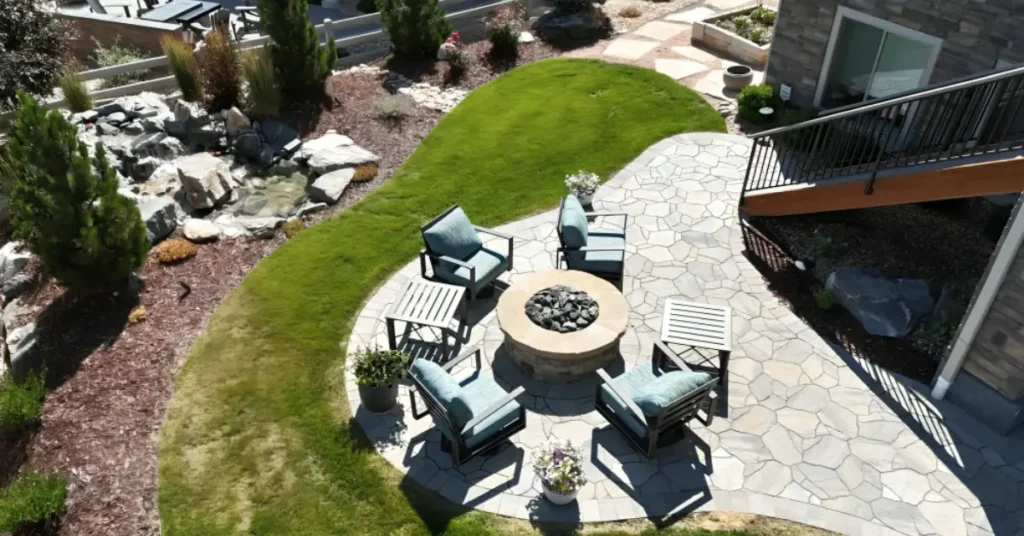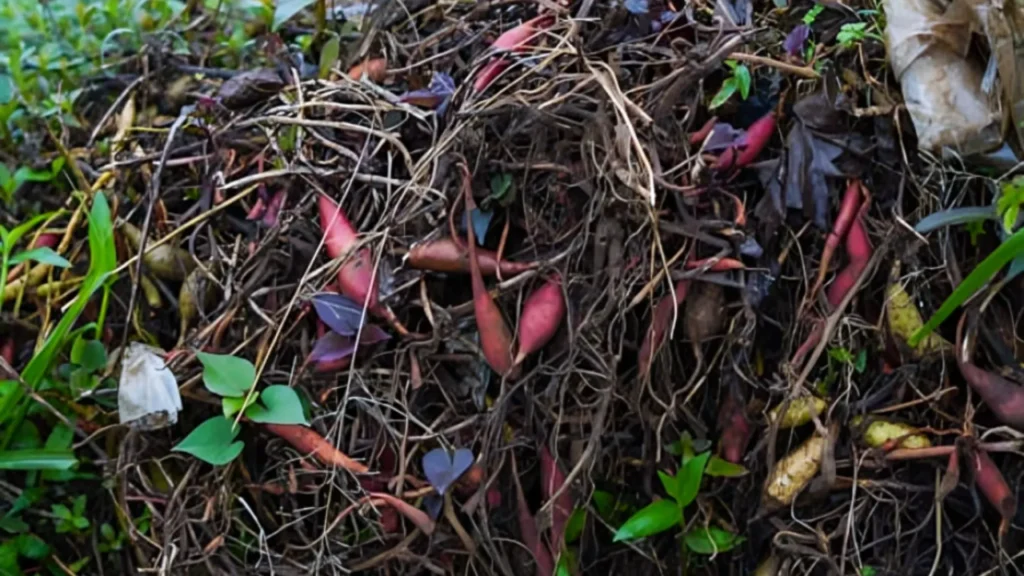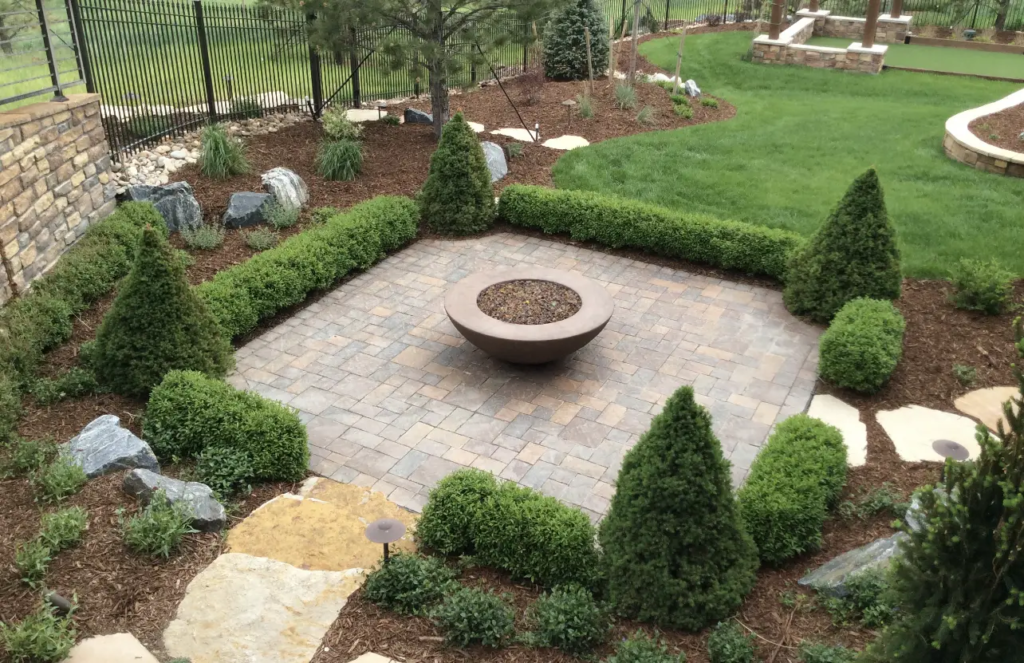
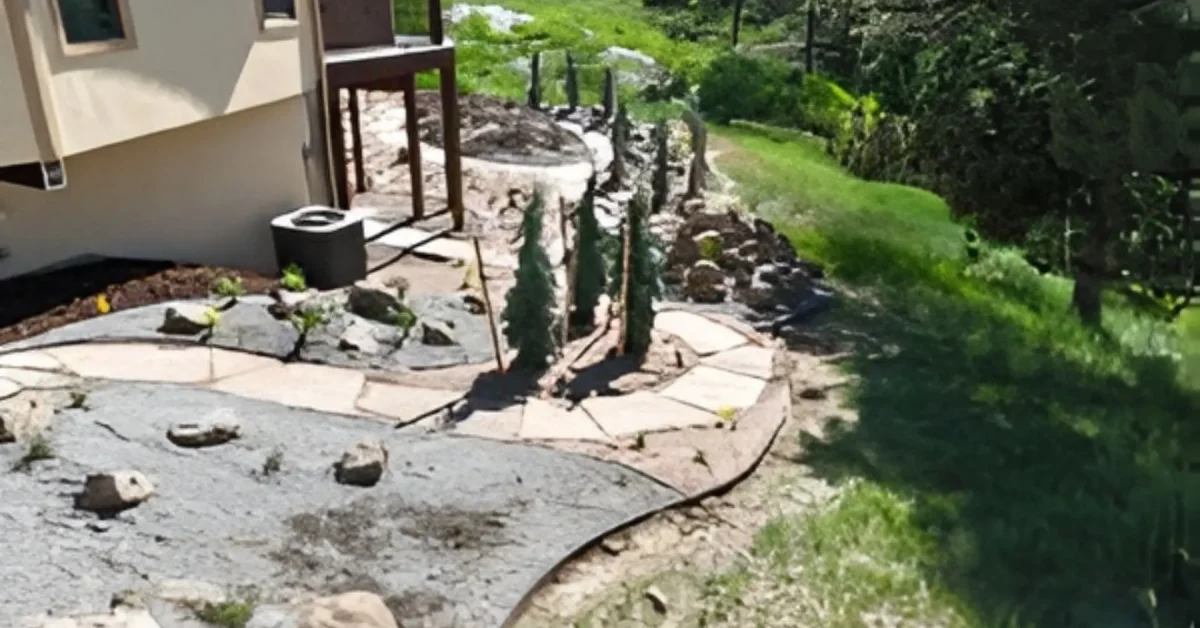
Hardscape and softscape are the two fundamental components that make up any outdoor space. Softscape refers to all the living elements, such as grass, trees, shrubs, and flowers. These elements bring color, texture, and seasonal interest to your yard, creating a natural, vibrant environment.
Hardscape, on the other hand, includes the non-living, structural features like patios, walkways, driveways, retaining walls, fire pits, and decks. These elements provide stability, define spaces, and make outdoor areas practical and functional.
Understanding the difference between hardscape and softscape is crucial for homeowners who want both beauty and usability. Softscape adds life and aesthetic appeal, while hardscape ensures that the space is durable, safe, and organized.
Too much softscape without structure can make a yard difficult to navigate, while too much hardscape without greenery may feel stark or uninviting. Balancing the two enhances curb appeal, maximizes property value, and creates outdoor areas that are enjoyable throughout the year.
Companies like Ridgewell Colorado specialize in combining hardscape and softscape elements into cohesive, long-lasting designs. With expertise in Denver and surrounding areas, they guide homeowners in selecting the right materials, plants, and layouts to create outdoor spaces that are functional, beautiful, and built to endure the region’s unique climate and terrain.
Softscape refers to the living components of your outdoor space, including lawns, plants, shrubs, and trees. These elements bring life, color, and texture to a yard, creating a dynamic environment that changes with the seasons. Unlike hardscape, softscape grows, adapts, and responds to its surroundings, providing natural beauty and enhancing the overall ambiance of your property.
Beyond aesthetics, softscape offers ecological benefits. Trees and shrubs provide shade, improve air quality, and reduce soil erosion. Lawns and groundcovers help manage water runoff, while diverse plantings attract pollinators and support local wildlife. Thoughtful softscape design also increases energy efficiency by cooling outdoor areas and buffering winds.
From a property value perspective, softscape is just as important as structural features. Well-maintained lawns, vibrant flower beds, and mature trees create strong curb appeal and make homes more inviting. Softscape also complements hardscape elements, softening the look of patios, walkways, and retaining walls while framing functional areas for outdoor living.
Experts like Ridgewell Colorado help homeowners in Denver and surrounding areas choose plants and layouts that thrive locally, balance maintenance needs, and work harmoniously with hardscape features. Properly designed softscape transforms a yard into a healthy, beautiful, and functional outdoor space.
Balancing hardscape and softscape is essential for creating outdoor spaces that are both functional and visually appealing. Hardscape provides structure, stability, and durability, while softscape adds life, color, and seasonal interest. When these elements are thoughtfully integrated, they complement each other, enhancing comfort, usability, and the overall aesthetic of a yard.
Practical examples illustrate this synergy. Stone pathways lined with shrubs or flowering plants soften the rigidity of hard surfaces while guiding movement through the space. Trees strategically placed near patios provide shade, creating comfortable seating areas and natural focal points.
Retaining walls can be paired with cascading plants to add both stability and visual interest, blending functionality with beauty. Even simple combinations, such as raised garden beds along a walkway, demonstrate how hardscape and softscape work in harmony.
This balance also improves usability. Hardscape ensures outdoor areas are durable, accessible, and low-maintenance, while softscape enhances the sensory experience, creating inviting spaces to relax or entertain.
Thoughtful integration increases property value, protects soil and plants, and ensures outdoor spaces remain practical and enjoyable year-round.
Selecting materials and plants suited to your local climate is essential for creating outdoor spaces that are both beautiful and durable.
In denver and Colorado, drought-tolerant plants like native grasses, perennial flowers, and hardy shrubs thrive with minimal water, reducing maintenance and ensuring year-round greenery. These plants are well-adapted to temperature extremes, intense sun, and seasonal changes, making them ideal companions for hardscape features.
Read Also: What Type Of Plants Used In Landscaping
Hardscape materials must also withstand local weather conditions. In Denver, freeze-thaw cycles, snow, and occasional heavy rains can damage poorly chosen surfaces.
Natural stone, reinforced concrete, and quality pavers provide durability, while composite decking and treated wood resist warping and fading in denver’s heat. Choosing materials that can endure these challenges ensures long-term functionality and reduces the need for repairs or replacement.
Combining the right plants and hardscape materials creates low-maintenance, cohesive landscapes. For example, a stone patio surrounded by drought-resistant shrubs or a raised garden bed with native perennials integrates durability with natural beauty.
Even well-intentioned landscaping and hardscaping projects can run into problems if homeowners overlook key planning considerations. One common mistake is overcrowding plants or hardscape features.
Placing too many elements too close together can make a yard feel cluttered, reduce airflow, and limit plant growth. Similarly, poorly spaced patios, walkways, or seating areas can hinder usability and create a cramped outdoor experience.
Ignoring drainage and site conditions is another frequent error. Improper grading or inadequate drainage can lead to water pooling, soil erosion, and damage to patios, retaining walls, and plants. In climates like Denver and denver, where snow, heavy rain, and freeze-thaw cycles are common, planning for water flow is essential to avoid costly repairs and ensure long-term durability.
Using low-quality or inappropriate materials can also compromise both aesthetics and longevity. Cheaper stone, untreated wood, or low-grade pavers may initially save money but often deteriorate quickly under seasonal stress, increasing maintenance costs and reducing property value.
Thoughtful planning avoids these issues. Mapping out the layout, selecting climate-appropriate materials and plants, and ensuring proper grading and drainage are critical steps.
Hiring professional landscaping and hardscaping services can transform a yard from ordinary to extraordinary. Experts bring design knowledge, material expertise, and technical skills that ensure outdoor spaces are both beautiful and functional.
Professionals can assess your property, recommend suitable plants, and choose hardscape materials that withstand local weather, creating a cohesive design that balances aesthetics with practicality.
Functionality is a key advantage of working with professionals. Proper layout, grading, and drainage prevent erosion, water pooling, and structural damage, while carefully planned pathways, patios, and seating areas improve flow and usability.
Professionals also select materials and plants tailored to your region, reducing maintenance and extending the life of your investment. A well-executed design enhances curb appeal, increases property value, and creates outdoor spaces that can be enjoyed year-round.
Local expertise is particularly valuable in regions like denver and Colorado. Companies such as Ridgewell Colorado understand the unique challenges of soil, climate, and seasonal changes in these areas.
Their experience ensures that hardscape and softscape elements are installed correctly and work harmoniously with the natural environment. By leveraging professional services, homeowners can avoid common mistakes, enjoy long-lasting results, and create outdoor spaces that combine beauty, functionality, and durability.
Professional landscaping services typically follow a structured process to ensure successful results. It begins with a thorough evaluation of your property, including soil conditions, drainage, sunlight, and existing plantings.
Designers then create a customized plan that balances aesthetics, functionality, and long-term maintenance needs. Once the design is approved, the installation phase begins, covering hardscape construction, plantings, irrigation, and finishing touches.
After completion, follow-up visits or guidance help maintain the landscape, ensuring plants thrive and hardscape features perform as intended. This step-by-step approach minimizes mistakes and guarantees cohesive, durable outdoor spaces.
Thoughtful landscaping and hardscaping significantly enhance both property value and daily living. Well-placed patios, walkways, seating areas, and plantings improve curb appeal, creating a strong first impression for potential buyers. Functional spaces like outdoor kitchens, fire pits, and garden retreats increase usability and provide areas for entertaining or relaxation. Softscape elements like trees and shrubs complement hardscape, adding color, shade, and seasonal interest.
Softscape refers to the living elements of a landscape, such as plants, trees, flowers, and lawns, while hardscape includes non-living, constructed features like patios, walkways, retaining walls, and decks. Together, they create a balanced, functional, and visually appealing outdoor space.
An example of a hardscape is a patio, walkway, retaining wall, deck, fire pit, or water feature. These built elements provide structure, functionality, and durability, complementing the plants and greenery in the landscape.
Softscape refers to the living, horticultural components of a landscape, including trees, shrubs, flowers, grasses, and other plants. Softscape adds color, texture, and life to outdoor spaces, balancing the structural elements of hardscape.
The four main types of landscapes are residential, commercial, public, and natural. Residential landscapes focus on private homes, commercial on business properties, public on parks and urban areas, and natural landscapes preserve ecosystems with minimal human alteration.
Balancing hardscape and softscape is the key to creating outdoor spaces that are both functional and visually appealing. Hardscape provides structure, durability, and usability through features like patios, walkways, retaining walls, and outdoor kitchens, while softscape adds life, color, and seasonal interest with lawns, shrubs, trees, and flowers. When thoughtfully integrated, these elements complement each other, enhancing comfort, flow, and overall curb appeal.
Homeowners who plan carefully and work with professionals can avoid common pitfalls such as poor drainage, overcrowding, or using low-quality materials. Expert guidance ensures the right combination of plants and hardscape materials suited to local climates in denver and Colorado, creating outdoor spaces that are durable, low-maintenance, and tailored to lifestyle needs.
For lasting results, consulting professionals like Ridgewell Colorado is essential. Their experience in design, material selection, and installation provides homeowners with outdoor environments that are practical, beautiful, and built to withstand seasonal challenges. By investing in expert planning and execution, you can maximize both enjoyment and property value, transforming your yard into a long-lasting retreat. Schedule a consultation with Ridgewell Colorado to explore personalized solutions that bring your outdoor vision to life.
Fresh Ideas From our experts
What Your Neighbors Are Saying
"They are the best. We have a small backyard and needed it to reflect a relaxing and enjoyable space. Chris used our ideas and came up with the perfect design. Then Francisco came with the cost projections and worked to accommodate our budget. He and his team then used their considerable construction expertise to create a space that’s an extension of our home where we spend a lot of time. Thank you for creating such a welcoming space."
"I am new to Colorado and hired Chris and Francisco to design and implement a plan for my new build house. From design to finish and followup they were beyond my expectations. They are in constant contact throughout the project and their crew is very hardworking. They followup when the project is finished and are always available for whatever questions you may have. I would highly recommend them, and I get many complements on the work they have done for me."
"We were thrilled with the end result of our brick paver patio refurbishment. We hired Chris, Francisco and their team to fix our sinking brick paver patio. It had been installed by a different landscaper, and after only 2 years it was collapsing. Boo hiss! Ridgewell Landscape and Design came in and saved the day! They discovered the original installation was done incorrectly, and that’s why it was collapsing. Their team worked hard and got the project done quickly and professionally. We are thrilled with the look and finish of the job! Bravo!!"