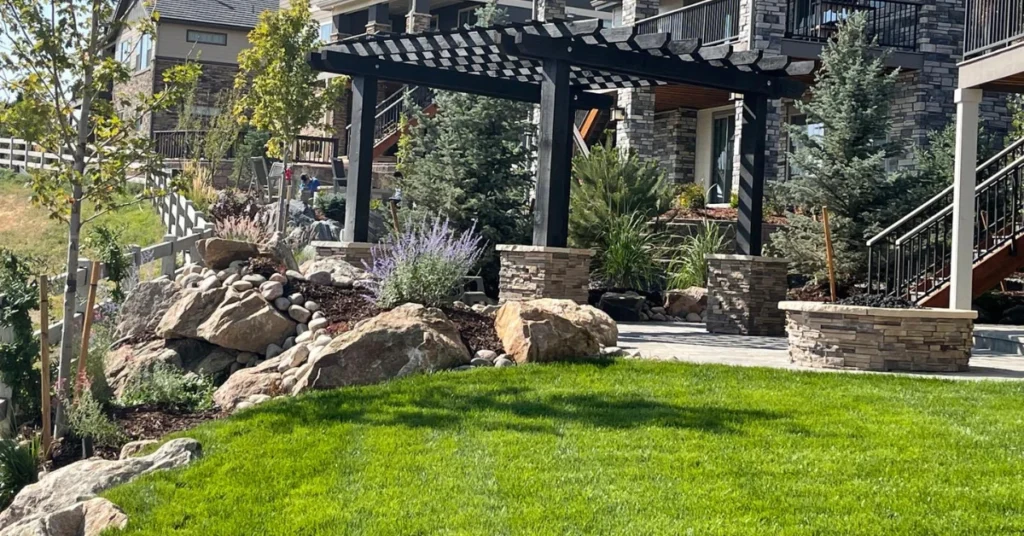
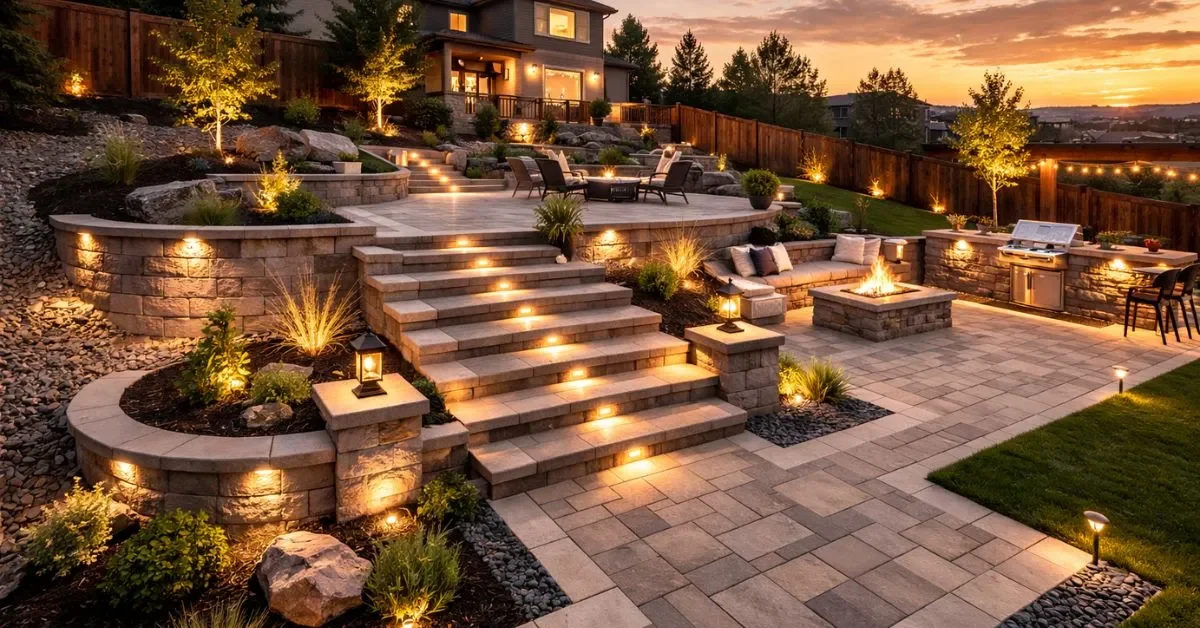
Landscape design is a creative and practical profession focused on planning and improving outdoor spaces such as gardens, residential yards, parks, and commercial landscapes. Many people interested in landscaping wonder what level of education is required to become a landscape designer.
While the profession does not always require a specific degree, having formal education and training can significantly improve your knowledge, design skills, and career opportunities. Landscape designers combine artistic vision with an understanding of plants, soil conditions, layout planning, and environmental factors to create functional and visually appealing landscapes.
Education requirements can vary depending on career goals, the type of projects you want to work on, and the expectations of employers or clients. Some designers enter the field through certificate programs or hands-on experience, while others pursue degrees in landscape design, horticulture, or related disciplines.
In regions with unique climates, such as Denver and surrounding Colorado areas, knowledge of local plant species, water management, and seasonal conditions becomes especially valuable.
Understanding the educational paths available helps aspiring designers build the skills needed to create successful and sustainable outdoor spaces.
Although the terms landscape designer and landscape architect are sometimes used interchangeably, they represent different roles within the field of outdoor design. A landscape designer typically focuses on residential landscapes, garden layouts, plant selection, and smaller outdoor projects. Their work often involves designing functional and visually appealing yards, patios, and garden spaces for homeowners or small businesses.
Landscape designers may work independently or as part of landscaping companies, helping clients plan outdoor spaces that match their preferences and property conditions.
Landscape architects, on the other hand, usually handle larger and more complex projects such as public parks, urban developments, campuses, and large commercial properties. This profession generally requires a formal degree in landscape architecture and professional licensing in many regions.
Landscape architects are trained in site engineering, environmental planning, and large-scale land development. While both professionals work with outdoor environments, landscape architects typically deal with broader planning and technical design, whereas landscape designers focus more on aesthetic layout, plant choices, and residential landscape improvements.
Landscape architects often work on projects that require strict compliance with local regulations, environmental standards, and construction guidelines. Their work typically involves large-scale developments such as public parks, transportation corridors, commercial properties, and urban planning projects.
Because these projects affect public safety, land use, and environmental impact, landscape architects must follow established regulations and often need professional licensing to practice.
Their designs must meet zoning laws, accessibility standards, stormwater management requirements, and other technical regulations.
In many cases, landscape architects collaborate closely with engineers, architects, city planners, and government agencies to ensure projects meet legal and structural requirements.
They may also be responsible for preparing detailed construction documents, conducting environmental assessments, and overseeing the implementation of design plans. This regulated environment requires a strong understanding of technical design, environmental systems, and planning principles.
As a result, landscape architects typically undergo extensive education and professional training to ensure they can successfully manage complex commercial and public landscape projects.
Landscape designers primarily work on residential landscapes and smaller private projects, helping homeowners create attractive and functional outdoor spaces. Their work often includes designing garden layouts, selecting plants, planning patios or pathways, and improving overall curb appeal. Unlike large-scale commercial developments, residential projects usually allow for more creative flexibility and personalized design choices that reflect a homeowner’s style and lifestyle needs.
Landscape designers often collaborate with homeowners, contractors, and landscaping companies to bring outdoor design ideas to life. They focus on elements such as plant placement, color balance, seasonal interest, and efficient use of available space.
In regions like Denver and surrounding Colorado areas, landscape designers must also consider factors such as drought-tolerant plants, soil conditions, and seasonal weather patterns to ensure landscapes remain healthy and sustainable.
While formal licensing is not always required for landscape designers, education in horticulture, landscape design, or environmental studies can greatly improve their skills and credibility within the industry.
One of the main differences between landscape designers and landscape architects comes down to education requirements and professional liability. Landscape architects typically must complete a formal degree in landscape architecture from an accredited university and obtain professional licensing.
This education prepares them to handle complex site planning, grading, drainage systems, and environmental regulations. Because they often work on public or large commercial projects, landscape architects also carry legal responsibility for the safety, compliance, and structural integrity of their designs.
Landscape designers, on the other hand, usually have more flexible educational pathways. Some may earn certificates or degrees in landscape design, horticulture, or related fields, while others gain knowledge through hands-on experience in landscaping or garden design.
Since they generally focus on residential or small private projects, their work typically involves less regulatory oversight and legal liability. However, strong design knowledge and plant expertise remain essential for creating successful landscapes.
Education and the level of professional responsibility ultimately define the distinction between these two roles within the outdoor design industry.
Design skill is a fundamental part of both landscape design and landscape architecture. Regardless of the title, professionals in both roles must understand how to create outdoor spaces that are visually appealing, functional, and balanced.
Strong design ability includes knowledge of plant composition, color harmony, spatial layout, and how different landscape elements work together. Both landscape designers and landscape architects rely on creativity and problem-solving to develop outdoor environments that meet the needs of clients and users.
In addition to artistic creativity, design skill also involves practical decision-making. Professionals must consider site conditions, climate, soil type, sunlight exposure, and long-term maintenance when planning landscapes. In regions like Denver and surrounding Colorado areas, selecting plants that tolerate dry summers and cold winters is an important part of the design process.
While landscape architects may focus on larger and more technical projects, and landscape designers often work on residential spaces, both roles require a strong eye for design and the ability to transform outdoor areas into cohesive, functional environments.
A formal degree is not always required to become a landscape designer, but having education in a related field can greatly improve your skills, credibility, and career opportunities. Many successful landscape designers enter the profession through certificate programs, associate degrees, or hands-on experience in landscaping and horticulture.
These learning paths help individuals understand plant science, soil conditions, design principles, and site planning, which are all essential for creating functional and visually appealing outdoor spaces.
However, pursuing formal education in landscape design, horticulture, environmental design, or a similar discipline can provide a stronger foundation. Structured programs often teach important topics such as landscape drafting, computer-aided design software, irrigation planning, and sustainable landscaping practices.
In Denver and surrounding Colorado regions, formal training can also help designers understand local plant species and water conservation techniques. While a degree may not be mandatory, education combined with practical experience can significantly enhance a landscape designer’s ability to deliver professional and well-planned outdoor designs.
There are several educational pathways available for individuals who want to become landscape designers. While a formal degree is not always mandatory, structured education can help develop the technical knowledge and design skills needed to succeed in the field.
Many aspiring landscape designers begin by studying subjects such as horticulture, landscape design, environmental science, or garden design. These programs teach essential concepts including plant identification, soil management, site planning, and sustainable landscape practices.
Some individuals pursue certificate programs or associate degrees that focus specifically on landscape design principles and practical skills. Others choose bachelor’s degree programs related to environmental design or horticulture, which provide a broader understanding of ecosystems, plant science, and outdoor design planning. In addition to classroom learning, hands-on training and internships are valuable for gaining real-world experience. Designers also benefit from learning digital tools such as landscape design software to create professional plans and visual presentations.
Regardless of the educational path chosen, combining formal study with practical experience helps landscape designers build confidence, creativity, and industry credibility.
To work successfully as a landscape designer, practical knowledge and design ability are just as important as formal education. Landscape designers must understand how to plan outdoor spaces that are visually appealing, functional, and sustainable.
This includes learning core principles such as plant selection, garden layout, color balance, and spatial design. A strong understanding of how different plants grow, how they interact with soil and sunlight, and how they change through the seasons is essential for creating landscapes that thrive over time.
In addition to plant knowledge, landscape designers need skills in site analysis, drainage planning, and basic construction concepts related to pathways, patios, and other outdoor features. Familiarity with landscape design software can also help professionals present ideas clearly through digital plans and visual layouts.
Communication skills are equally important, as designers work closely with homeowners, contractors, and landscaping teams to bring projects to life. By combining creative vision with technical understanding and practical experience, landscape designers can confidently design outdoor environments that meet both aesthetic goals and functional needs.
Site analysis and documentation are essential skills for anyone working as a landscape designer. Before creating a design plan, designers must carefully study the property to understand its natural conditions and limitations.
This process involves evaluating factors such as soil type, slope, drainage patterns, sunlight exposure, wind direction, and existing vegetation. By analyzing these elements, landscape designers can develop plans that work with the land rather than against it, helping ensure long-term success and sustainability.
Documentation is equally important because it records important site information and design decisions. Landscape designers often create site measurements, sketches, photographs, and layout plans to guide the design and construction process.
These documents help communicate ideas clearly to clients, contractors, and landscaping teams who will implement the project. Accurate documentation also reduces the chances of costly mistakes during installation. By mastering site analysis and proper documentation, landscape designers can create well-informed designs that balance aesthetics, functionality, and environmental conditions.
Functional planning and circulation are key aspects of landscape design that ensure outdoor spaces are both practical and enjoyable. This involves organizing the layout of a property to accommodate movement, activities, and the intended use of each area.
Proper circulation design guides people naturally through the space, connecting patios, garden beds, seating areas, and pathways without creating congestion or awkward transitions.
In Colorado areas, designers must also consider seasonal changes, ensuring pathways remain safe and accessible during snow or rain.
A well-planned layout balances open spaces for activities with defined zones for planting, seating, and decorative features. Designers consider the scale, proportion, and flow between different elements to create a cohesive and visually appealing environment.
Functional planning also includes practical aspects like accessibility for all users, maintenance ease, and integration with existing structures. By carefully considering circulation and overall functionality, landscape designers create spaces that are not only beautiful but also practical and comfortable for everyday use.
Understanding hardscape and material fundamentals is essential for landscape designers to create durable, attractive, and functional outdoor spaces. Hardscape elements include pathways, patios, retaining walls, decks, fences, and other non-plant features that structure and define a landscape.
Selecting the right materials—such as natural stone, brick, concrete, or gravel—ensures longevity, aesthetic appeal, and suitability for the local environment. In Denver and surrounding Colorado areas, materials must withstand temperature extremes, snow, and seasonal freeze-thaw cycles, making durability a key consideration.
Designers must also consider the relationship between hardscape and softscape elements, ensuring that pathways, walls, and patios complement plantings while supporting usability and movement.
Proper installation techniques and attention to drainage are critical to prevent erosion or structural damage. By mastering hardscape fundamentals, landscape designers can integrate functional features seamlessly into the overall design, creating outdoor spaces that are both visually pleasing and practical for everyday use.
Planting logic and design communication are vital skills for landscape designers, ensuring that outdoor spaces are both visually appealing and sustainable. Planting logic involves selecting the right plants for the site’s conditions, including soil type, sun exposure, water availability, and local climate.
Designers must consider growth habits, seasonal changes, and color combinations to create balanced, cohesive landscapes that thrive throughout the year. In Denver and surrounding Colorado areas, choosing drought-tolerant and cold-hardy plants is especially important to maintain healthy, low-maintenance gardens.
Design communication is equally important, as it allows designers to convey their ideas clearly to clients, contractors, and installation teams. Tools such as detailed plans, sketches, digital renderings, and plant schedules help translate concepts into actionable designs.
Effective communication ensures that the intended vision is implemented accurately and minimizes misunderstandings during construction. By combining thoughtful plant selection with clear communication, landscape designers create outdoor spaces that are both functional and visually harmonious.
Building design confidence begins with developing a strong foundation in both technical knowledge and creative principles. For aspiring landscape designers, understanding the fundamentals of site analysis, plant science, hardscape materials, and spatial planning is essential to create landscapes that are functional, sustainable, and visually appealing. Hhaving a solid grasp of local climate conditions, soil types, and seasonal challenges further strengthens your ability to make informed design decisions that stand the test of time.
Hands-on experience is also critical to building confidence. Working on small-scale projects, internships, or volunteer opportunities allows designers to apply theoretical knowledge in real-world settings. Learning to communicate effectively with clients and contractors, read site conditions, and troubleshoot design challenges ensures that your ideas translate successfully into practical outdoor spaces.
By combining foundational education with practical experience, landscape designers can approach each project with assurance, creativity, and professional competence, leading to better results and client satisfaction.
Education for landscaping varies by role. For general landscaping, a high school diploma or equivalent is sufficient, while specialized positions like landscape designers may require a degree or coursework in horticulture, landscape design, or environmental science.
To be a landscape designer, you typically need a degree or certification in landscape design, horticulture, or a related field, practical experience with plants and outdoor spaces, and skills in design software, planning, and project management.
Yes, you can become a landscape designer without a degree by gaining hands-on experience, taking certification courses, developing a strong portfolio, and building practical knowledge of plants, design principles, and outdoor project execution.
Becoming a landscape designer usually takes 2 to 4 years, depending on education and experience. This includes earning a degree or certification, gaining practical experience, and building a portfolio of design projects to demonstrate skills and expertise.
Becoming a skilled landscape designer requires a balance of education, practical experience, and creativity. While a formal degree is not always mandatory, learning about plant science, site analysis, hardscape materials, and design principles provides a strong foundation for creating functional and beautiful outdoor spaces.
Hands-on experience, whether through internships, small projects, or collaborative work, allows designers to apply their knowledge and develop confidence in their abilities. Effective communication with clients and contractors ensures that designs are implemented as intended, while thoughtful planning and attention to detail make spaces both practical and aesthetically pleasing.
By combining foundational knowledge, practical skills, and creative vision, aspiring landscape designers can build rewarding careers, transforming outdoor environments into sustainable, functional, and visually engaging spaces that enhance both homes and communities.
Fresh Ideas From our experts
What Your Neighbors Are Saying
"They are the best. We have a small backyard and needed it to reflect a relaxing and enjoyable space. Chris used our ideas and came up with the perfect design. Then Francisco came with the cost projections and worked to accommodate our budget. He and his team then used their considerable construction expertise to create a space that’s an extension of our home where we spend a lot of time. Thank you for creating such a welcoming space."
"I am new to Colorado and hired Chris and Francisco to design and implement a plan for my new build house. From design to finish and followup they were beyond my expectations. They are in constant contact throughout the project and their crew is very hardworking. They followup when the project is finished and are always available for whatever questions you may have. I would highly recommend them, and I get many complements on the work they have done for me."
"We were thrilled with the end result of our brick paver patio refurbishment. We hired Chris, Francisco and their team to fix our sinking brick paver patio. It had been installed by a different landscaper, and after only 2 years it was collapsing. Boo hiss! Ridgewell Landscape and Design came in and saved the day! They discovered the original installation was done incorrectly, and that’s why it was collapsing. Their team worked hard and got the project done quickly and professionally. We are thrilled with the look and finish of the job! Bravo!!"