
Xeriscaping is an ideal landscaping approach for Colorado homeowners seeking a beautiful, low-water, and climate-resilient front yard. By focusing on drought-tolerant plants, efficient irrigation, and strategic design, xeriscaping creates an attractive yard that thrives in the state’s dry conditions while reducing water usage and maintenance needs.
A successful xeriscape combines native and adapted plants such as ornamental grasses, succulents, sage, and Colorado-friendly perennials. Grouping plants with similar water needs and using mulch or rock beds helps retain moisture and suppress weeds. Incorporating hardscape elements like stone pathways, gravel beds, and decorative boulders adds structure, visual interest, and reduces overall turf areas.
Xeriscaping also emphasizes seasonal variety and year-round appeal. By choosing plants with different bloom times, textures, and colors, your yard remains vibrant without constant watering or upkeep. Thoughtful layout, focal points, and layered planting create depth and curb appeal, making a Colorado xeriscape front yard both sustainable and stunning.
Xeriscaping is particularly suited to Colorado’s dry climate, offering practical and aesthetic benefits for homeowners. One major advantage is less watering during dry seasons. By selecting drought-tolerant plants and grouping them according to water needs, xeriscaping reduces water consumption significantly, saving both money and resources.
A xeriscape works with the climate instead of against it. Native and adapted plants thrive in Colorado’s soil, temperature, and sunlight conditions, reducing the need for constant intervention. This approach encourages a sustainable landscape that complements the natural environment rather than requiring excessive watering, fertilization, or chemical treatments.
Another key benefit is lower long-term maintenance. Xeriscape yards require less mowing, pruning, and fertilizing compared to traditional lawns. Hardscape features, mulch, and strategically placed rocks further reduce upkeep, allowing homeowners to enjoy an attractive, resilient yard with minimal effort.
By embracing these principles, xeriscaping creates a front yard that is both eco-friendly and visually appealing, perfectly suited for Colorado living.
Xeriscaping transforms traditional lawns into drought-friendly landscapes by replacing large grass areas with efficient, water-conscious designs. Instead of extensive turf that requires frequent watering, xeriscape front yards incorporate native plants, shrubs, rocks, and mulch to conserve water while maintaining aesthetic appeal.
A key principle is using plants that naturally thrive in Colorado’s climate. Species such as ornamental grasses, sage, yucca, and drought-tolerant perennials flourish in local soil and weather conditions, reducing the need for irrigation and chemical inputs. Grouping plants with similar water requirements ensures they receive the right care without waste.
Ultimately, xeriscaping creates a front yard that stays attractive with minimal water. Thoughtful layout, hardscape features, and layered planting provide year-round visual interest while lowering maintenance. This approach not only conserves resources but also produces a sustainable, resilient, and visually striking Colorado front yard.
A successful xeriscape front yard balances aesthetics with simplicity, avoiding the appearance of being overly planned or artificial. The goal is to create a natural, flowing landscape that feels effortless while still appearing intentional.
Start by layering plants of varying heights, textures, and colors. Combining native grasses, perennials, and shrubs in clusters mimics natural growth patterns and adds depth. Avoid rigid rows or overly symmetrical layouts, which can make the yard feel staged rather than organic.
Incorporate hardscape elements like gravel paths, stone accents, or boulders sparingly to enhance structure without overwhelming the plants. Mulch and ground cover can unify the design and provide a seamless transition between plantings.
Finally, consider seasonal interest and plant groupings that change throughout the year. By using these strategies, you can design a front yard that is visually appealing, environmentally sustainable, and feels like a natural extension of Colorado’s landscape rather than an overengineered space.
Sunlight plays a crucial role in the success of a xeriscape front yard. Understanding how the sun moves throughout the day helps determine which plants will thrive in different areas of your yard.
Start by observing sun exposure in the morning, midday, and afternoon. Identify full sun areas that receive six or more hours of direct sunlight, partial sun or shade zones, and spots that stay mostly shaded. This information guides plant selection and placement, ensuring each species gets the light it needs.
Consider seasonal changes as well. The angle and intensity of sunlight shift throughout the year, which can affect plant growth and health. Placing sun-loving plants in consistently bright areas and shade-tolerant species in protected zones prevents stress and ensures your yard remains vibrant year-round.
By mapping sunlight patterns, you create a functional, thriving xeriscape that maximizes plant health while reducing water and maintenance requirements.
Effective xeriscape design depends on strategically arranging plants, pathways, and open spaces to create a functional and visually appealing front yard. Start by defining circulation routes—paths should lead naturally to entryways or focal points while allowing easy access for maintenance. Use durable materials like gravel, stone, or pavers that complement the overall design.
Next, position plants according to water needs, sunlight, and growth habits. Grouping drought-tolerant plants together reduces irrigation requirements and creates cohesive planting zones. Consider layering plants by height and texture to add depth and interest, placing taller shrubs or small trees toward the back and shorter ground covers or perennials in front.
Leave open spaces for visual balance and usability. Lawns or gravel areas can serve as multifunctional spaces while breaking up dense plantings. Thoughtful placement of plants, paths, and open space ensures your front yard is both attractive and easy to maintain, enhancing curb appeal while supporting sustainability.
Selecting the right materials is essential for creating a cohesive xeriscape front yard that complements your home’s architecture. Hardscape elements like pathways, edging, rocks, and mulch should reflect the style, color palette, and overall aesthetic of your house.
For example, natural stone or flagstone works well with rustic or Craftsman-style homes, while clean-cut pavers or gravel suit contemporary or modern designs. Wood accents, such as fences or raised beds, can add warmth and texture, particularly for cottage or bungalow-style homes. Mulch or decorative rock should coordinate with both plantings and structural elements to create visual harmony.
Incorporating materials that blend with the home’s exterior ensures that the yard feels intentional and well-integrated. Thoughtful material choices enhance curb appeal, unify the design, and make the xeriscape both beautiful and functional while reflecting the character of your home.
Transforming your front yard into a water-efficient xeriscape doesn’t have to happen all at once. Reducing lawn areas little by little allows you to gradually replace high-maintenance turf with low-water alternatives such as ground covers, gravel, or decorative stone. Even small reductions in grass can significantly lower water usage and maintenance.
Adding mulch or gravel is another simple change that has a big impact. Mulch helps retain soil moisture, suppresses weeds, and regulates soil temperature, while gravel can define paths, highlight plant beds, and reduce erosion. These materials improve both the aesthetics and functionality of the yard.
Finally, introducing native plants that are naturally adapted to Colorado’s climate reduces the need for frequent watering and care. Native perennials, shrubs, and grasses thrive with minimal intervention while providing seasonal interest and supporting local pollinators.
By making these small, strategic changes, homeowners can achieve a healthier, more sustainable, and visually appealing xeriscape yard over time.
Enhancing your front yard with xeriscaping not only conserves water but also boosts your home’s visual appeal. Simple, well-planned elements can make an immediate difference while keeping maintenance low.
Define pathways and entry points using gravel, flagstone, or pavers to create a welcoming and structured approach. Layer plants by height and texture, mixing drought-tolerant perennials, ornamental grasses, and native shrubs for depth and year-round interest.
Add focal points like boulders, sculptures, or a small water feature to draw the eye and break up open spaces. Even a single striking plant or colorful flowering shrub can make the yard feel dynamic and inviting.
Incorporate contrasting materials such as gravel, mulch, and stone beds to create visual variety while reducing water needs. Small touches like solar lighting along paths or around plant beds can further enhance nighttime appeal.
By combining functional layout, strategic planting, and thoughtful hardscape accents, you can create a front yard that immediately elevates curb appeal and reflects a sustainable, stylish approach to landscaping.
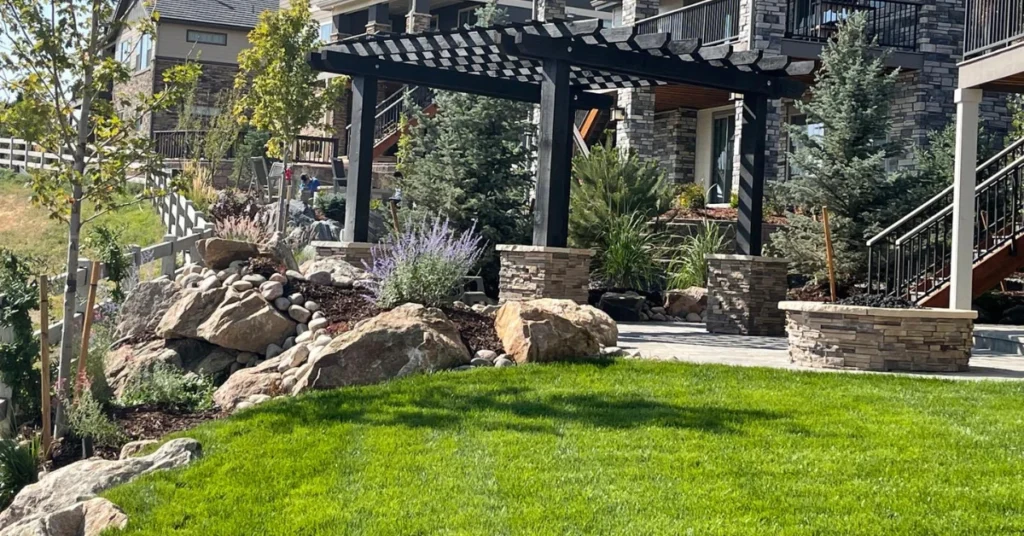
A rock garden is a striking way to create a low-maintenance focal point in a xeriscape front yard. Using a combination of boulders, stones, and gravel, you can build a natural-looking feature that draws the eye and adds texture and structure to your landscape.
Complement the rocks with drought-tolerant plants such as succulents, ornamental grasses, and native perennials to soften the hard edges and introduce color and movement. Grouping plants in clusters around the rocks creates a balanced, organic look.
Consider layering sizes and textures—large boulders anchor the design, medium stones provide contrast, and gravel or small rocks fill in gaps to unify the feature. A rock garden not only enhances aesthetics but also reduces lawn area and water use, making it both beautiful and sustainable.
By positioning the rock garden strategically, it can serve as the centerpiece of the yard, setting the tone for the rest of your xeriscape design.
A winding walkway is a simple yet effective way to guide visitors through your xeriscape front yard while adding visual interest. Using materials like gravel, decomposed granite, or flagstone, the path can blend naturally with the landscape and create a sense of movement.
Plant drought-tolerant species along the sides of the walkway, such as ornamental grasses, succulents, and native perennials. Group plants in clusters of varying heights and textures to create depth and make the path feel inviting without overcrowding. Low-growing ground covers can soften edges and reduce erosion, while taller shrubs or small trees can frame key points along the route.
Curving the path gently instead of running it straight adds a natural, flowing look that complements the xeriscape aesthetic. A winding walkway not only enhances curb appeal but also encourages exploration, making the yard feel larger and more engaging while remaining low-maintenance.
Raised planting beds are an excellent way to add structure, depth, and visual interest to a xeriscape front yard. By elevating soil and plants above ground level, you create distinct planting zones that can highlight key areas or focal points in your design.
These beds can be constructed from materials like natural stone, brick, or treated wood, which complement the home’s exterior while providing durability. Layer plants within the beds by height and texture—taller shrubs or small trees at the back, medium perennials in the middle, and low-growing ground covers in front—to create depth and a dynamic visual effect.
Raised beds also improve drainage and soil quality, making it easier for drought-tolerant plants to thrive. Incorporating mulch or gravel within and around the beds enhances water retention and reduces maintenance.
Strategically placed raised planting beds add elegance, definition, and organization to your xeriscape, transforming the front yard into a cohesive, attractive, and low-maintenance space.
Raised planting beds are an excellent way to add structure, depth, and visual interest to a xeriscape front yard. By elevating soil and plants above ground level, you create distinct planting zones that can highlight key areas or focal points in your design.
These beds can be constructed from materials like natural stone, brick, or treated wood, which complement the home’s exterior while providing durability. Layer plants within the beds by height and texture—taller shrubs or small trees at the back, medium perennials in the middle, and low-growing ground covers in front—to create depth and a dynamic visual effect.
Raised beds also improve drainage and soil quality, making it easier for drought-tolerant plants to thrive. Incorporating mulch or gravel within and around the beds enhances water retention and reduces maintenance.
Strategically placed raised planting beds add elegance, definition, and organization to your xeriscape, transforming the front yard into a cohesive, attractive, and low-maintenance space.
A well-designed xeriscape front yard achieves a sense of balance and harmony, making the space both visually appealing and welcoming. One key strategy is mixing plants of different heights, which adds depth and prevents the yard from appearing flat or monotonous. Taller shrubs or small trees can anchor the design, while medium perennials and low-growing ground covers create layers that draw the eye naturally.
Leaving open space is equally important. Avoid overcrowding plants or hardscape elements, as empty areas provide breathing room and make the yard feel larger and more inviting. Open gravel patches, small lawns, or carefully placed stepping stones create functional space while enhancing the overall layout.
Finally, use natural materials that complement the home, such as stone pathways, mulch, or wood accents. These elements tie the landscape to the architectural style of the house and maintain a cohesive, organic look. By combining layered planting, thoughtful spacing, and harmonious materials, you can create a front yard that feels balanced, welcoming, and visually engaging.
Creating a successful xeriscape front yard requires careful planning, and avoiding common mistakes can save time, money, and frustration. One frequent error is planting too many varieties too close together. Overcrowding plants can lead to competition for water and nutrients, reduce airflow, and increase maintenance needs.
Another mistake is ignoring drainage and soil preparation. Proper grading, soil amendment, and erosion control are essential for plant health, especially in Colorado’s variable climate. Poor drainage can lead to water runoff, root rot, and uneven growth, undermining the benefits of a xeriscape design.
Choosing plants that still require heavy watering defeats the purpose of xeriscaping. Selecting species that are drought-tolerant and suited to local conditions ensures long-term success while minimizing irrigation and maintenance.
By avoiding these pitfalls, homeowners can create a sustainable, low-maintenance, and visually appealing xeriscape yard that thrives in Colorado’s climate.
The cost of xeriscaping a front yard in Denver Colorado typically ranges from $3,000 to $15,000 depending on yard size, plant selection, and hardscape features. Using native plants and planning in phases can help reduce costs while creating a sustainable, low-maintenance landscape.
Xeriscaped yards require minimal maintenance compared to traditional lawns. Once established, native plants need less water, mowing, or fertilizing. Occasional pruning, mulching, and seasonal inspection are usually sufficient to keep the yard healthy, attractive, and drought-resistant.
The best plants for Colorado xeriscaping are drought-tolerant native species such as yucca, sage, juniper, ornamental grasses, and coneflowers. These plants thrive in the state’s climate, require less water, and provide year-round texture, color, and resilience for a sustainable front yard.
Yes, xeriscaping can increase property value by improving curb appeal, reducing water usage, and offering a low-maintenance, attractive landscape. Buyers often appreciate sustainable, drought-resistant yards that save on long-term maintenance costs while enhancing the home’s overall aesthetic.
Xeriscaping is a smart, sustainable approach to front yard landscaping in Colorado, combining beauty, functionality, and water efficiency.
By selecting drought-tolerant plants, incorporating low-maintenance hardscape features, and planning layouts that complement your home’s architecture, you can create a yard that thrives in the state’s dry climate.
Careful consideration of sun exposure, drainage, and plant groupings ensures long-term success while reducing water use and maintenance efforts. Small changes—such as adding mulch, gravel, or native plants—can have a significant impact on both aesthetics and sustainability.
Ultimately, a well-designed xeriscape front yard enhances curb appeal, conserves resources, and provides a welcoming, attractive space year-round. Thoughtful planning, balanced plantings, and strategic hardscaping allow homeowners to enjoy a functional, beautiful landscape that reflects Colorado’s unique environment while standing out for its style and sustainability.
Fresh Ideas From our experts
What Your Neighbors Are Saying
"They are the best. We have a small backyard and needed it to reflect a relaxing and enjoyable space. Chris used our ideas and came up with the perfect design. Then Francisco came with the cost projections and worked to accommodate our budget. He and his team then used their considerable construction expertise to create a space that’s an extension of our home where we spend a lot of time. Thank you for creating such a welcoming space."
"I am new to Colorado and hired Chris and Francisco to design and implement a plan for my new build house. From design to finish and followup they were beyond my expectations. They are in constant contact throughout the project and their crew is very hardworking. They followup when the project is finished and are always available for whatever questions you may have. I would highly recommend them, and I get many complements on the work they have done for me."
"We were thrilled with the end result of our brick paver patio refurbishment. We hired Chris, Francisco and their team to fix our sinking brick paver patio. It had been installed by a different landscaper, and after only 2 years it was collapsing. Boo hiss! Ridgewell Landscape and Design came in and saved the day! They discovered the original installation was done incorrectly, and that’s why it was collapsing. Their team worked hard and got the project done quickly and professionally. We are thrilled with the look and finish of the job! Bravo!!"