- Get A Free Consultation.
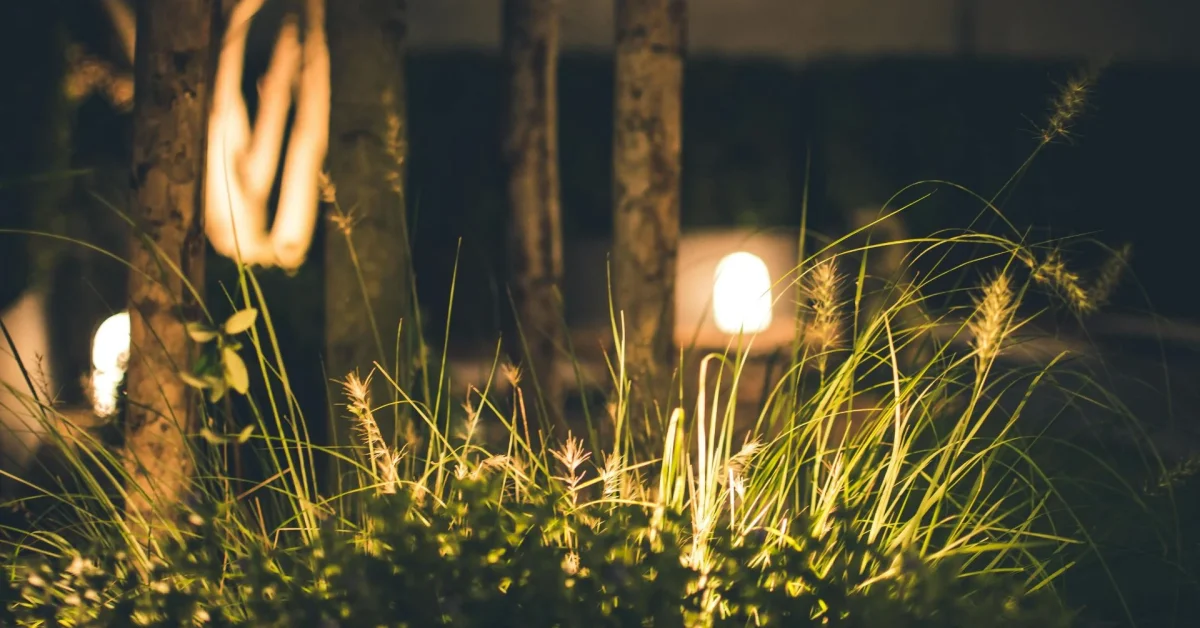
Outdoor lighting has become an essential feature for homeowners across Denver and surrounding areas like Aurora, Arvada, and Lakewood. A well-lit landscape not only improves visibility and safety but also enhances the overall appearance and value of your property. Many homeowners search how to install low voltage landscape lighting to create a welcoming outdoor environment that can be enjoyed both day and night.
Low voltage systems are especially popular because they are energy-efficient, safer to install, and highly flexible for different landscape designs. Whether you want to highlight pathways, illuminate a paver patio, or showcase garden features, the right lighting setup can transform your outdoor space. While some homeowners consider a DIY approach, achieving balanced lighting and proper wiring requires careful planning and expertise.
At Ridgewell Colorado, we help homeowners design and install custom landscape lighting systems that seamlessly integrate with patios, retaining walls, and outdoor living spaces for long-lasting results.
Low voltage landscape lighting is a system that uses a transformer to reduce standard household electricity (120 volts) down to a safer 12-volt output. This makes it ideal for outdoor use, as it reduces the risk of electrical hazards while still providing effective illumination. These systems are commonly used in residential landscaping to light pathways, gardens, patios, and architectural features.
Because of their flexibility and ease of installation, low voltage lighting systems are widely used in modern outdoor designs. They can be expanded over time, allowing homeowners to add more fixtures as their landscaping evolves.
There are several types of fixtures available, each designed for a specific purpose. Path lights are commonly used along walkways and driveways to improve safety and visibility. Spotlights and floodlights are ideal for highlighting focal points such as trees, retaining walls, or architectural features. Deck lights are often installed on patios, steps, or outdoor kitchens to enhance usability and ambience.
Lighting can be divided into accent lighting, which highlights specific features, and functional lighting, which improves visibility and safety. A well-designed system often combines both to create a balanced and visually appealing outdoor space.
Low voltage landscape lighting offers several advantages that make it a preferred choice for homeowners. One of the biggest benefits is energy efficiency, as these systems consume less power compared to traditional lighting. This helps reduce energy costs while still delivering effective illumination.
Safety is another major advantage. The lower voltage significantly reduces the risk of electric shock, making it safer for families, pets, and outdoor environments. Additionally, these systems are highly flexible and expandable, allowing you to adjust or upgrade your lighting as your landscape design changes. This makes low voltage lighting a practical and long-term investment for enhancing outdoor spaces.
Proper planning is the foundation of any successful project when learning how to install low voltage landscape lighting. A well-thought-out layout ensures your lighting looks balanced, functions effectively, and enhances key features of your outdoor space. Instead of placing lights randomly, it’s important to consider how each area will be used and what elements you want to highlight. In Colorado homes, where outdoor living spaces like patios and gardens are a big part of the lifestyle, strategic lighting can completely transform usability after sunset.
Planning also helps you avoid common issues such as dark spots, excessive brightness, or inefficient wiring. Taking time to map out your lighting design ensures better results and can even reduce costs by preventing unnecessary fixtures or adjustments later.
Start by identifying the most important areas of your outdoor space that need lighting. Walkways and driveways should be a priority for safety and visibility, while patios and seating areas benefit from soft lighting that creates a welcoming atmosphere. Garden beds and landscaping features can also be enhanced with carefully placed lights.
Highlighting focal points such as trees, water features, or architectural elements adds depth and visual interest to your yard. This is where a well-planned layout can make a significant difference, especially when combined with professional landscape design. Thoughtful placement ensures your lighting not only improves functionality but also elevates the overall look of your outdoor space.
A good lighting design uses a layered approach, combining ambient, task, and accent lighting to achieve a balanced result. Ambient lighting provides overall illumination, task lighting focuses on functional areas like pathways, and accent lighting highlights key features. This combination creates depth and avoids a flat or overly bright appearance.
Avoiding over-lighting is just as important as adding enough light. Too many fixtures can make the space feel harsh and unnatural, while a well-balanced design creates a subtle and inviting atmosphere. The goal is to enhance both aesthetics and usability, ensuring your outdoor space looks great while remaining practical for everyday use.
Before installation, it’s important to calculate the power requirements of your lighting system. This involves selecting the right transformer size based on the total wattage of all your fixtures. Adding up the wattage ensures the transformer can handle the load without overloading the system.
Voltage drop is another key factor, especially for larger properties. As electricity travels through cables, some power is lost, which can affect brightness at the far end of the system. Proper planning helps minimise this issue and ensures consistent lighting throughout your landscape.
Having the right tools and materials ready is essential for a smooth and efficient installation process. The most important component is a low voltage transformer, which converts standard household electricity into a safe 12-volt supply for your lighting system. You will also need a variety of landscape lighting fixtures, such as path lights, spotlights, or deck lights, depending on your design plan.
Low voltage cables are used to connect the system, while waterproof wire connectors ensure secure and durable electrical connections. Basic tools like a shovel are needed for digging trenches, while a wire stripper helps prepare cables for installation. A drill may also be required for mounting fixtures or securing components.
Preparing all tools and materials in advance helps prevent delays and ensures each step of the installation process can be completed efficiently and correctly.
Installing a low voltage lighting system requires careful execution to ensure safety, durability, and a professional finish. Once your layout and materials are ready, following a structured process will help you achieve consistent and long-lasting results. Each step plays a key role in ensuring the system functions properly and enhances your outdoor space effectively.
The transformer is the core of your lighting system, converting standard household electricity into safe low voltage power. It should be mounted near an outdoor power source, ideally close to a GFCI outlet for safety. Proper placement makes it easier to manage wiring and maintain the system. Ensuring a secure and weather-protected installation helps prevent future electrical issues and keeps the system running efficiently.
Before installing anything permanently, position all your lighting fixtures according to your design plan. This allows you to visualise the final layout and make adjustments if needed. Testing the placement at night is highly recommended, as it helps you see how the lighting will actually look and ensures a balanced, well-lit outdoor space.
Once the layout is confirmed, run the low voltage cable along the planned route. Keep the cable organised and avoid sharp bends that could damage the wiring. Proper cable placement ensures efficient power distribution and reduces the risk of future faults. Taking care during this step helps maintain system reliability over time.
Each lighting fixture needs to be connected securely to the main cable using waterproof connectors. These connectors protect the electrical connections from moisture and outdoor conditions. Ensuring tight and proper connections is essential for consistent performance and prevents issues such as flickering or power loss.
After all connections are made, the cables should be buried in a shallow trench, typically around 2 to 6 inches deep. This protects them from damage while keeping them hidden from view. Proper burial also helps maintain a clean and professional appearance in your landscape.
The final step is to turn on the system and test all fixtures. Adjust the angles and brightness of each light to achieve the desired effect. Fine-tuning ensures even coverage and highlights key features effectively, completing the installation process.
Even with the right materials and planning, certain mistakes can affect the performance and appearance of your lighting system. One of the most common issues is incorrect transformer sizing. If the transformer cannot handle the total wattage, the system may not function properly or could fail over time.
Poor cable connections are another frequent problem. Loose or improperly secured connectors can lead to inconsistent lighting or complete system failure. Uneven lighting placement can also reduce the visual impact, creating overly bright areas or unwanted shadows.
Not accounting for voltage drop is a critical mistake, especially in larger landscapes, as it can result in dim lighting at the far end of the system. Over-lighting is another issue that can make the space feel harsh rather than inviting. Avoiding these mistakes ensures a more efficient, attractive, and long-lasting lighting installation.
When deciding how to install low voltage landscape lighting, many homeowners consider whether to handle the project themselves or hire professionals. While DIY installation can be suitable in some cases, it’s important to weigh the benefits against the potential challenges. Lighting systems require careful planning, correct wiring, and proper placement to achieve both safety and visual appeal.
DIY installation can help reduce upfront costs, especially for smaller projects such as lighting a short pathway or a compact garden area. Many low voltage systems are designed to be user-friendly, making them accessible for homeowners with basic tools and skills. However, the process still requires time, effort, and attention to detail. Mistakes in wiring, placement, or power calculations can lead to uneven lighting or system issues. DIY is best suited for simple layouts where precision and complexity are limited.
Professional installation ensures a higher level of quality, safety, and long-term performance. At Ridgewell Colorado, we provide expert lighting design that complements your entire outdoor space, including paver patios, pergola installations, and outdoor kitchens. Our team ensures proper wiring, correct transformer sizing, and balanced lighting placement for a seamless finish. This approach not only improves aesthetics but also ensures durability and efficiency, making it ideal for larger or more complex landscaping projects across Denver and surrounding areas.
The cost of landscape lighting in Colorado can vary depending on the size of the project, the type of fixtures used, and the complexity of the design. On average, individual lighting fixtures can range from $50 to $300 or more, depending on quality and style. Installation costs in the Denver area typically add to the overall budget, especially for larger or more detailed layouts.
For a complete system, homeowners can expect total costs to range from a few hundred dollars for basic setups to several thousand dollars for professionally designed and installed lighting systems. Factors such as the number of fixtures, cable length, transformer size, and labour all influence the final price. Investing in quality materials and professional installation often provides better long-term value by reducing maintenance and ensuring reliable performance.
Landscape lighting works best when it is integrated into the overall design of your outdoor space. Rather than treating lighting as an afterthought, it should complement existing features and enhance usability, aesthetics, and functionality. A well-integrated system can transform your yard into a cohesive and inviting environment.
Patios and outdoor living areas benefit greatly from well-planned lighting. Soft, ambient lighting can create a comfortable atmosphere for relaxing or entertaining guests in the evening. Task lighting can also be added to improve visibility around seating areas or dining spaces. When combined with professionally installed paver patios, lighting enhances both usability and visual appeal, making the space functional long after sunset.
Lighting can be used to highlight hardscape elements such as retaining walls, pathways, and stone features. Strategically placed lights add depth and dimension, making these features stand out at night. Proper illumination not only improves aesthetics but also increases safety by clearly defining walkways and edges. Integrating lighting with retaining wall designs creates a polished and cohesive outdoor look.
In Colorado, xeriscaping is a popular choice due to its water-efficient design. Landscape lighting can enhance these low-maintenance spaces by highlighting textures, plants, and design elements. Carefully placed lights bring attention to key features without overpowering the natural look. Integrating lighting with xeriscaping ensures your outdoor space remains visually appealing while maintaining its practical and sustainable design.
Maintaining your system is essential after learning how to install low voltage landscape lighting, as regular care keeps it performing efficiently and looking its best. One of the most important tasks is cleaning fixtures, as dirt, dust, and debris can reduce brightness and affect the overall appearance. Wiping lenses and removing buildup ensures consistent light output.
Checking electrical connections periodically is also important. Outdoor conditions can loosen connectors over time, so ensuring everything remains secure helps prevent flickering or outages. Replacing bulbs when they begin to dim or fail keeps the system functioning properly and maintains a balanced look across your landscape.
Seasonal adjustments are especially useful in Colorado, where weather conditions change throughout the year. Adjusting angles or repositioning fixtures ensures optimal lighting as plants grow or conditions shift. With simple maintenance, your landscape lighting system can remain reliable and visually appealing for years.
Choosing the right professionals makes a significant difference in the quality and longevity of your landscape lighting system. Ridgewell Colorado brings local expertise across Denver, Aurora, Arvada, Lakewood, and surrounding areas, ensuring every project is tailored to the unique conditions of Colorado homes. We understand how to design lighting systems that complement both natural landscapes and hardscape features.
Our team offers custom lighting design and installation, ensuring each fixture is placed strategically for both functionality and aesthetics. We use high-quality materials and proven installation techniques to deliver durable, long-lasting results. As a full-service landscaping provider, we seamlessly integrate lighting with services such as patios, retaining walls, pergolas, and outdoor kitchens.
If you’re looking to enhance your outdoor space with professional lighting, Ridgewell Colorado provides reliable solutions designed to improve safety, usability, and visual appeal. Contact us today for a personalised consultation.
Low voltage lighting systems are generally considered safe enough for DIY installation, making them a popular choice for homeowners. However, if your layout is complex or involves multiple zones and transformers, it’s worth bringing in a professional. Hiring a licensed electrician ensures everything is installed safely, efficiently, and to a higher standard of finish.
In most cases, landscape lighting wire should be buried between 2 to 6 inches deep. This is enough to protect the wiring from everyday damage such as foot traffic, lawn mowing, and general wear while keeping it neatly out of sight. That said, the ideal depth can vary depending on your local climate, soil conditions, and the specific layout of your outdoor space.
The number of lights you can run on a single transformer depends entirely on the combined wattage of all your fixtures. Your transformer must be rated to handle that total load comfortably without being pushed to its limit. Calculating this correctly before installation is important, as an overloaded transformer can cause voltage drop, dimming, and long-term damage to your system.
Absolutely. Low voltage landscape lighting enhances the safety, beauty, and overall value of your property in one upgrade. It extends the usability of your outdoor spaces well into the evening hours, creating a welcoming atmosphere for both residents and guests. On top of that, its energy efficiency makes it a smart and cost-effective long-term investment compared to standard outdoor lighting options.
Understanding how to install low voltage landscape lighting is the first step toward transforming your outdoor space into a functional and visually appealing environment. From planning and design to installation and maintenance, each stage plays a vital role in achieving a high-quality result. Proper placement, correct wiring, and thoughtful design ensure your lighting system enhances both safety and aesthetics.
While DIY installation can work for smaller projects, professional expertise ensures a seamless finish, reliable performance, and long-term durability. This is especially important for larger or more complex outdoor spaces where precision matters.
Ridgewell Colorado is here to help homeowners across Denver and surrounding areas create beautifully lit outdoor environments. Whether you’re upgrading an existing space or starting from scratch, our team delivers tailored solutions designed to last. Contact us today to get started on your landscape lighting project.
Fresh Ideas From our experts
What Your Neighbors Are Saying
"They are the best. We have a small backyard and needed it to reflect a relaxing and enjoyable space. Chris used our ideas and came up with the perfect design. Then Francisco came with the cost projections and worked to accommodate our budget. He and his team then used their considerable construction expertise to create a space that’s an extension of our home where we spend a lot of time. Thank you for creating such a welcoming space."
"I am new to Colorado and hired Chris and Francisco to design and implement a plan for my new build house. From design to finish and followup they were beyond my expectations. They are in constant contact throughout the project and their crew is very hardworking. They followup when the project is finished and are always available for whatever questions you may have. I would highly recommend them, and I get many complements on the work they have done for me."
"We were thrilled with the end result of our brick paver patio refurbishment. We hired Chris, Francisco and their team to fix our sinking brick paver patio. It had been installed by a different landscaper, and after only 2 years it was collapsing. Boo hiss! Ridgewell Landscape and Design came in and saved the day! They discovered the original installation was done incorrectly, and that’s why it was collapsing. Their team worked hard and got the project done quickly and professionally. We are thrilled with the look and finish of the job! Bravo!!"