- Get A Free Consultation.
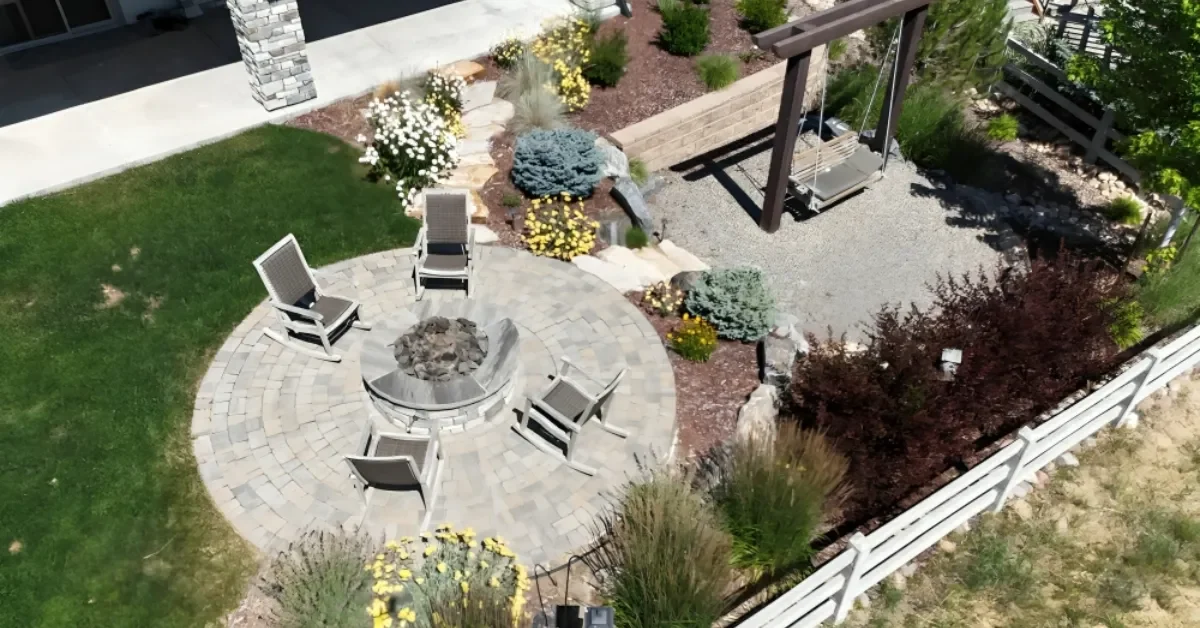
DIY landscaping has become increasingly popular across Denver and nearby areas like Aurora, Arvada, and Lakewood, as homeowners look for cost-effective ways to improve their outdoor spaces. From simple garden upgrades to more creative outdoor features, do it yourself landscaping projects allow you to personalise your yard while staying within budget. These projects not only enhance the visual appeal of your property but also improve functionality and usability.
One of the main reasons homeowners explore DIY landscaping is the flexibility it offers. You can work at your own pace, choose materials that suit your style, and gradually upgrade your outdoor space over time. However, while DIY is ideal for smaller projects, larger or more complex designs often require professional expertise to ensure long-term durability and a polished finish.
At Ridgewell Colorado, we help homeowners bring their outdoor visions to life, offering expert support when DIY projects need to be taken to the next level.
DIY landscaping projects refer to outdoor improvements that homeowners plan and complete themselves without hiring professional contractors. These projects can range from small upgrades, such as adding mulch or planting flowers, to more involved tasks like building pathways or creating seating areas. The scope of DIY landscaping varies depending on skill level, tools, and the overall vision for the space.
It’s important to understand the difference between simple improvements and full landscape redesigns. While smaller projects can often be completed with basic tools and planning, larger transformations typically require advanced knowledge of layout, drainage, and structural elements.
There are many types of DIY landscaping projects that homeowners can take on depending on their goals and experience. Garden bed creation is one of the most common, allowing you to define planting areas and add structure to your yard. Pathways and edging are also popular, helping guide movement and create clean borders.
Outdoor seating areas, such as gravel patios or simple paver zones, provide functional spaces for relaxation and entertainment. Decorative features like mulch, gravel, and lighting can further enhance the overall design. These projects are flexible and can be completed gradually, making them ideal for homeowners looking to improve their outdoor space step by step.
DIY landscaping offers several advantages, especially for homeowners looking to improve their outdoor space without a large budget. One of the biggest benefits is cost savings, as you eliminate labour expenses and have control over material choices. This allows you to prioritise spending where it matters most.
Another key benefit is flexibility in design. You can experiment with different layouts, materials, and features until you achieve the desired look. DIY projects also provide a sense of accomplishment, as you actively contribute to transforming your space. Additionally, landscaping can be done in stages, allowing for gradual improvements without the need for a full renovation all at once.
Careful planning is essential for the success of any do it yourself landscaping projects. Without a clear plan, it’s easy to overspend, choose unsuitable materials, or create a layout that doesn’t function well. Taking the time to plan ensures your project is efficient, practical, and visually appealing.
Start by evaluating your garden’s size, layout, and existing features. Consider how the space is currently used and identify areas that need improvement. Pay close attention to sunlight exposure, drainage, and soil conditions, as these factors will influence plant selection and overall design.
Incorporating a structured approach similar to professional landscape design services can help you create a more cohesive and functional outdoor space. Proper assessment ensures that your DIY efforts align with the natural characteristics of your property.
Setting a realistic budget is a key step in planning your project. While DIY landscaping reduces labour costs, materials, tools, and potential adjustments can still add up. Prioritise the most important areas of your yard and allocate your budget accordingly.
Breaking the project into phases can also help manage costs more effectively. This approach allows you to complete essential improvements first and expand your landscaping over time without exceeding your budget.
Selecting the right project is crucial to achieving successful results. It’s important to match your skill level with the complexity of the work involved. Simple projects like planting or adding mulch are ideal for beginners, while more advanced features may require additional experience or professional assistance.
Consider whether the project is better suited for DIY or professional installation. Structural elements, large hardscapes, or complex layouts often benefit from expert input to ensure safety and durability. Making the right choice at the start helps avoid costly mistakes and ensures a better final outcome.
For homeowners just starting with do it yourself landscaping projects, beginner-friendly upgrades are the best way to build confidence while improving your outdoor space. These simple projects focus on visual improvement, functionality, and low-cost materials, making them ideal for yards in Denver and surrounding areas like Aurora, Arvada, and Lakewood.
Starting with manageable tasks allows you to understand your space better before moving on to more complex landscaping work. These projects also help improve curb appeal quickly without requiring advanced tools or professional experience. Over time, they can serve as the foundation for larger outdoor transformations.
Creating garden beds is one of the most effective beginner landscaping projects. It involves defining clear borders for planting areas, which helps bring structure and organisation to your yard. You can use simple edging materials like wood, stone, or metal to separate garden beds from lawns or pathways.
Once the layout is defined, proper soil preparation is essential. This includes removing weeds, loosening the soil, and adding nutrient-rich compost to support healthy plant growth. After preparation, you can begin planting flowers, shrubs, or small vegetables depending on your preference and climate suitability in Colorado.
Gravel and mulch areas are low-maintenance solutions that improve both the appearance and functionality of your landscape. These materials help reduce weed growth, retain soil moisture, and improve drainage, making them especially useful in dry or variable climates.
To install these areas, you first need to clear the ground and lay a weed barrier fabric. Then, evenly spread gravel or mulch over the surface to create a clean, finished look. These areas work well in garden beds, pathways, or decorative zones, adding contrast and texture to your overall landscape design.
Simple pathways and edging projects help bring structure and flow to your outdoor space. Stepping stones, gravel paths, or basic paver walkways can guide movement through your garden while enhancing its visual appeal. These features also help protect grass and plants from foot traffic.
Edging plays an important role in defining boundaries between different areas, such as lawns, flower beds, and walkways. Clean, well-defined borders make your landscape look more organised and professionally designed, even when completed as a DIY project.
Once you are comfortable with basic improvements, you can move on to more structured do it yourself landscaping projects that add both functionality and value to your outdoor space. These intermediate projects require more planning, tools, and precision but deliver more impactful results.
They help transform a simple yard into a more usable and visually appealing environment, bridging the gap between basic DIY work and professional landscaping design.
Raised garden beds are a practical and attractive addition to any landscape. They allow for better soil control, improved drainage, and easier maintenance compared to traditional ground planting. These structures are typically built using wood, stone, or composite materials depending on durability and style preferences.
Construction involves creating a framed structure, filling it with quality soil, and selecting suitable plants for the Colorado climate. Raised beds are especially useful for improving growing conditions in areas with poor soil quality or uneven terrain.
Basic landscape lighting is a great way to enhance safety and ambience in your outdoor space. Solar-powered lights are a popular choice for DIY projects because they are easy to install and require minimal maintenance. They can be placed along pathways, garden beds, or seating areas.
Lighting improves visibility at night while also highlighting key landscape features. Even simple lighting setups can significantly enhance the overall appearance of your yard, making it more inviting and functional after dark.
Creating a small patio or seating area is a great intermediate project that adds functional outdoor living space. Gravel or simple paver layouts can be used to form a defined seating zone for relaxation or entertainment. Proper planning ensures the area is level, stable, and well-integrated into the rest of the landscape.
For more advanced or permanent designs, many homeowners choose professional help such as paver patio services to ensure durability and a high-quality finish. A well-designed seating area can significantly improve both usability and property value.
As you gain experience with do it yourself landscaping projects, you can start exploring more advanced upgrades that significantly transform the structure and functionality of your outdoor space. These projects go beyond basic improvements and often involve construction, planning, and long-term design thinking. While they can be completed as DIY work, they require a higher level of skill, precision, and understanding of outdoor conditions in Colorado.
Advanced landscaping projects also have a stronger impact on property value and usability. However, because of their complexity, it’s important to recognise when professional support may be needed to ensure safety, durability, and proper integration with the rest of your landscape design.
A DIY pergola or shade structure is a popular advanced project that adds both style and function to outdoor living spaces. It typically involves constructing a framed wooden or metal structure that provides partial shade and defines an outdoor seating or dining area.
Basic construction includes setting secure posts, ensuring level alignment, and installing cross beams for stability. While smaller pergolas can be built as DIY projects, larger or more complex designs often require professional expertise. For long-lasting results and structural safety, many homeowners choose expert pergola installation services to ensure proper engineering and finish quality.
Retaining walls are essential for managing slopes, preventing soil erosion, and creating level areas in uneven landscapes. As a DIY project, they require careful planning, especially when it comes to structural stability and drainage.
Key considerations include selecting appropriate materials such as stone, concrete blocks, or timber, and ensuring a strong foundation to support soil pressure. Safety is extremely important, as poorly built retaining walls can fail over time and cause damage. For larger or load-bearing structures, professional retaining wall services are strongly recommended to ensure long-term stability and compliance with safety standards.
Outdoor kitchens are one of the most advanced landscaping upgrades and can significantly enhance outdoor living experiences. Simple DIY versions may include built-in grills, countertop spaces, or basic preparation areas. These setups are ideal for homeowners looking to create functional cooking spaces without full-scale construction.
More complex outdoor kitchen designs involve plumbing, electrical work, and custom-built structures, which typically require professional installation. For complete and durable setups, many homeowners opt for expert outdoor kitchen services to ensure safety, functionality, and seamless integration with the surrounding landscape design.
Having the right tools and materials is essential for successfully completing do it yourself landscaping projects, especially as you move into more advanced work. Proper equipment not only improves efficiency but also ensures accuracy and long-term durability in your outdoor improvements.
Basic tools such as a shovel, rake, and wheelbarrow are necessary for digging, leveling, and transporting materials. Measuring tools and a level help ensure precise alignment and proper grading, which is critical for both aesthetic and structural results.
Landscape fabric is commonly used to control weeds and improve soil separation, while mulch, gravel, soil, and plants form the foundation of most landscaping designs. For more complex projects, basic power tools such as drills or saws may also be required. Having everything prepared in advance helps streamline the process and reduce errors during installation.
When working on do it yourself landscaping projects, even small errors can affect the final outcome and long-term durability of your outdoor space. One of the most common mistakes is poor planning and layout, which often leads to uneven design, wasted materials, and inefficient use of space.
Ignoring drainage and soil conditions is another major issue, especially in Colorado where weather changes can impact ground stability. Without proper drainage, water can pool and damage plants or hardscape features over time. Choosing the wrong materials can also reduce both the appearance and lifespan of your landscaping improvements.
Many homeowners also make the mistake of overcomplicating DIY projects, taking on tasks that exceed their skill level or available tools. Finally, not considering long-term maintenance can result in higher costs and ongoing repairs that could have been avoided with better planning.
Choosing between DIY and professional landscaping depends on the scale of your project, your experience, and your long-term goals. Both approaches have advantages, but understanding when to use each can significantly improve your results.
DIY landscaping is often preferred for smaller projects due to its cost-effectiveness and flexibility. Homeowners can work at their own pace, experiment with designs, and make gradual improvements without large upfront expenses. It is ideal for simple upgrades such as garden beds, pathways, or decorative features.
Professional landscaping offers expert design, precise execution, and long-lasting results. At Ridgewell Colorado, we create cohesive outdoor environments that combine functionality and aesthetics. Our work integrates seamlessly with landscape design & Installation services, custom paver patio installation, retaining wall construction, and xeriscaping services, ensuring a complete and well-structured outdoor living space built for Colorado conditions.
The cost of do it yourself landscaping projects in Colorado varies depending on project size, materials, and complexity. Small projects such as garden beds or gravel pathways typically require a lower budget, while medium and large-scale projects like patios or retaining walls can increase costs significantly.
Material costs make up a large portion of the budget, including soil, plants, gravel, pavers, and tools. While DIY work reduces labour expenses, mistakes or redesigns can sometimes increase overall spending. Compared to professional landscaping, DIY projects may seem more affordable initially, but professional work often delivers better long-term value through durability and reduced maintenance costs.
For the best results, DIY landscaping should not be treated as separate improvements but as part of a unified outdoor design. A cohesive approach ensures that all elements work together visually and functionally.
Successful landscaping balances hardscape features like patios, pathways, and retaining walls with softscape elements such as plants, grass, and garden beds. This combination creates structure while maintaining natural beauty.
Colorado’s dry climate makes drought-resistant plants and water-efficient designs essential. Incorporating xeriscaping principles helps reduce water usage and maintenance needs. For more advanced planning, drought tolerant xeriscaping services can help create sustainable and climate-appropriate landscapes.
A well-designed landscape should be both beautiful and practical. Incorporating seating areas, pathways, and open zones improves usability and flow, making your outdoor space more enjoyable and efficient for everyday use.
Maintaining your landscape is essential to preserve both appearance and functionality. Regular cleaning and upkeep, such as removing debris, trimming plants, and checking hardscape areas, helps keep everything in good condition.
Seasonal adjustments are also important, especially in Colorado where weather changes can affect plant health and soil conditions. Updating mulch, inspecting drainage, and preparing plants for seasonal shifts ensures your landscape remains healthy and visually appealing throughout the year.
Choosing the right team can make a major difference in the success and longevity of your outdoor space. Ridgewell Colorado brings local expertise across Denver and surrounding areas, including Aurora, Arvada, and Lakewood, ensuring every project is designed with Colorado’s unique climate and soil conditions in mind. This local knowledge helps deliver landscapes that are both functional and visually appealing.
We offer full-service landscaping solutions that go beyond simple installations, focusing on complete outdoor transformations. From design to execution, our team uses high-quality materials and proven techniques to ensure long-lasting results that stand up to seasonal changes.
Whether you are planning a small upgrade or a full outdoor redesign, Ridgewell Colorado provides reliable workmanship and tailored solutions. We focus on building outdoor spaces that are not only beautiful but also practical and durable, giving homeowners long-term value and peace of mind.
The easiest DIY landscaping projects include simple garden beds, mulch or gravel areas, and basic pathway installations. These projects require minimal tools and are ideal for beginners. They improve curb appeal quickly without needing advanced skills or heavy construction work.
The cost of DIY landscaping projects varies depending on size and materials. Small projects can be budget-friendly, while larger improvements like patios or raised beds require more investment. Overall costs depend on design complexity and material choices.
Yes, you can landscape your yard yourself, especially for smaller or simpler projects. However, larger designs involving drainage, retaining structures, or full redesigns may require professional input to ensure quality and durability.
Basic tools include a shovel, rake, wheelbarrow, measuring tape, and a level. Depending on the project, you may also need power tools, landscape fabric, and cutting equipment for materials like wood or stone.
Yes, DIY landscaping can increase property value by improving curb appeal and outdoor usability. A well-maintained yard makes a home more attractive to buyers and enhances overall visual presentation.
DIY landscaping offers homeowners a great way to improve outdoor spaces while staying within budget and adding personal creativity. From simple garden upgrades to more advanced projects, careful planning is key to achieving long-lasting and visually appealing results.
However, not every project is suited for DIY work, and understanding your limits is important. Larger or more complex landscapes often benefit from professional expertise to ensure proper design, structure, and durability.
For homeowners looking to take their outdoor space to the next level, Ridgewell Colorado provides expert landscaping solutions across Denver and surrounding areas. Contact us today to transform your yard into a functional, beautiful, and professionally designed outdoor living space.
Fresh Ideas From our experts
What Your Neighbors Are Saying
"They are the best. We have a small backyard and needed it to reflect a relaxing and enjoyable space. Chris used our ideas and came up with the perfect design. Then Francisco came with the cost projections and worked to accommodate our budget. He and his team then used their considerable construction expertise to create a space that’s an extension of our home where we spend a lot of time. Thank you for creating such a welcoming space."
"I am new to Colorado and hired Chris and Francisco to design and implement a plan for my new build house. From design to finish and followup they were beyond my expectations. They are in constant contact throughout the project and their crew is very hardworking. They followup when the project is finished and are always available for whatever questions you may have. I would highly recommend them, and I get many complements on the work they have done for me."
"We were thrilled with the end result of our brick paver patio refurbishment. We hired Chris, Francisco and their team to fix our sinking brick paver patio. It had been installed by a different landscaper, and after only 2 years it was collapsing. Boo hiss! Ridgewell Landscape and Design came in and saved the day! They discovered the original installation was done incorrectly, and that’s why it was collapsing. Their team worked hard and got the project done quickly and professionally. We are thrilled with the look and finish of the job! Bravo!!"