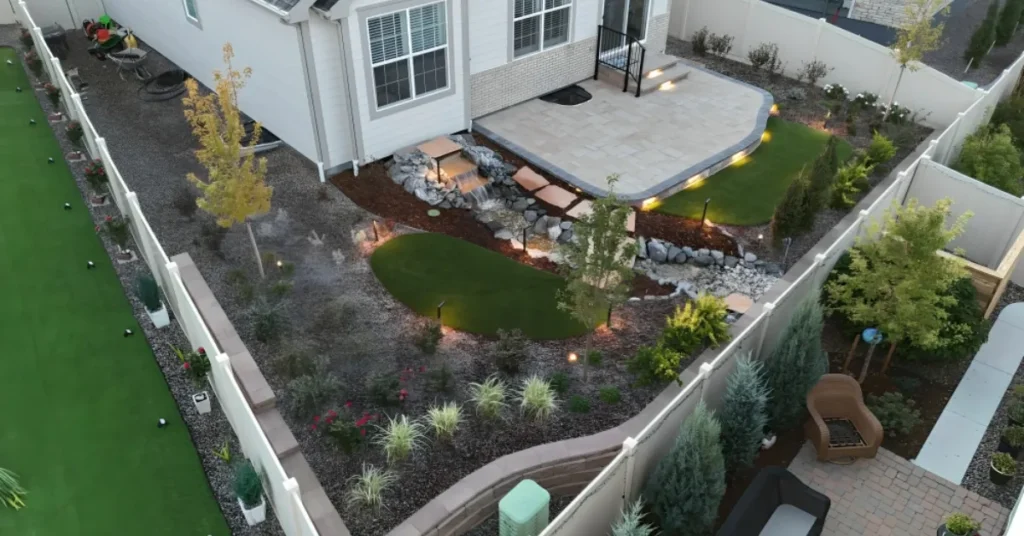
- Get A Free Consultation.
Landscaping around trees plays an important role in shaping the overall look and feel of any outdoor space. Trees naturally act as focal points in a yard, so how they are designed around can significantly impact curb appeal and usability. Many homeowners search “how to landscape around trees” because they want practical ways to improve their yard without harming tree health or causing long-term damage.
The main challenge lies in balancing aesthetics with natural conditions like shade, root spread, and uneven soil. Trees create unique micro-environments that require careful planning so plants, materials, and structures do not interfere with their growth. Poor landscaping choices can lead to root damage, soil compaction, or unhealthy tree development.
At the same time, thoughtful design can turn tree areas into beautiful, functional outdoor spaces. Ridgewell Colorado specializes in creating outdoor environments that enhance natural features while maintaining long-term durability and balance.
Landscaping around trees requires a careful approach because trees are sensitive, long-living elements of any outdoor space. Unlike open lawn areas, the ground around trees contains extensive root systems that are essential for their stability and nutrient absorption. Any careless digging, heavy construction, or soil disturbance can permanently damage a tree’s health.
Another important factor is that trees depend on balanced airflow, proper water distribution, and undisturbed root protection zones. When landscaping is done without considering these needs, it can lead to slow decline, weak growth, or even tree loss over time.
Common mistakes include compacting soil with heavy materials, over-mulching, or installing hardscape too close to the trunk. Proper planning ensures that both aesthetics and tree health are maintained together. A well-designed landscape enhances the natural beauty of trees while keeping their environment safe, functional, and sustainable for years.
Understanding tree root zones is essential when planning any landscaping around mature trees. The “critical root zone” refers to the area surrounding the tree where most of its vital roots are located. Disturbing this zone through digging or heavy construction can seriously affect the tree’s ability to absorb water and nutrients.
One major issue is soil compaction, which often happens when people walk repeatedly over the same area or place heavy materials like stone or pavers too close to the trunk. Compacted soil reduces oxygen flow and weakens root health over time.
Drainage patterns also play a key role in maintaining a healthy tree environment. Poor drainage can lead to water pooling, root rot, or instability in the surrounding soil.
Successful landscape design works with these natural conditions instead of against them, ensuring the tree remains stable while still allowing for visually appealing and functional outdoor improvements.
Choosing the right materials is one of the most important steps when landscaping around trees because it directly affects both tree health and long-term maintenance. Mulch is considered the safest and most tree-friendly option since it helps retain moisture, regulate soil temperature, and reduce weed growth without putting pressure on the root system. It also naturally breaks down over time, improving soil quality.
Decorative gravel and stone can also be used, but they must be applied carefully to avoid compacting the soil or restricting airflow. While they provide a clean and structured look, they should not be installed too thick or too close to the trunk.
When comparing organic and inorganic materials, organic options are generally better for tree health, while inorganic materials focus more on aesthetics. Heavy surfaces like concrete or tightly compacted finishes should be avoided because they can suffocate roots and limit natural growth.
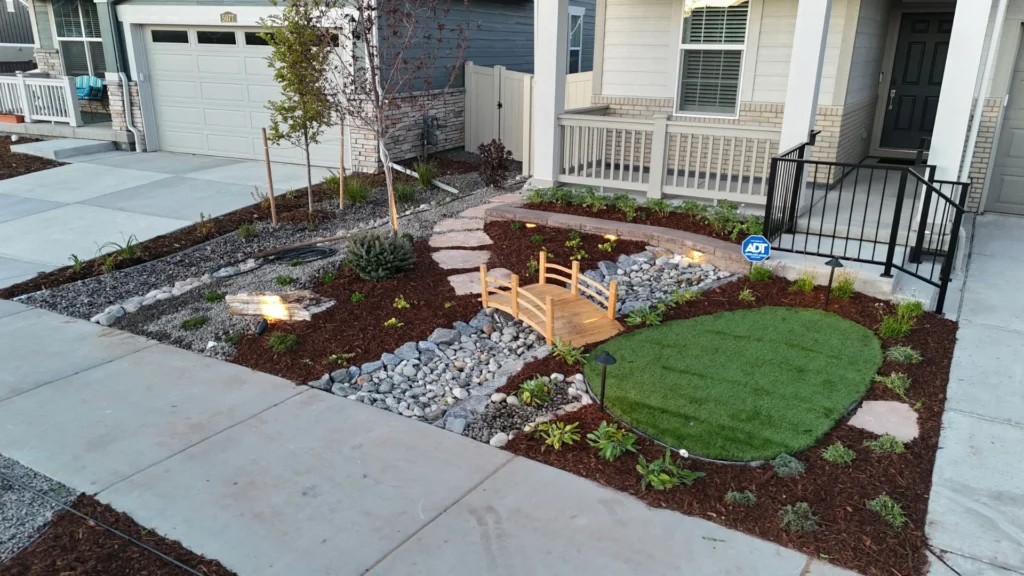
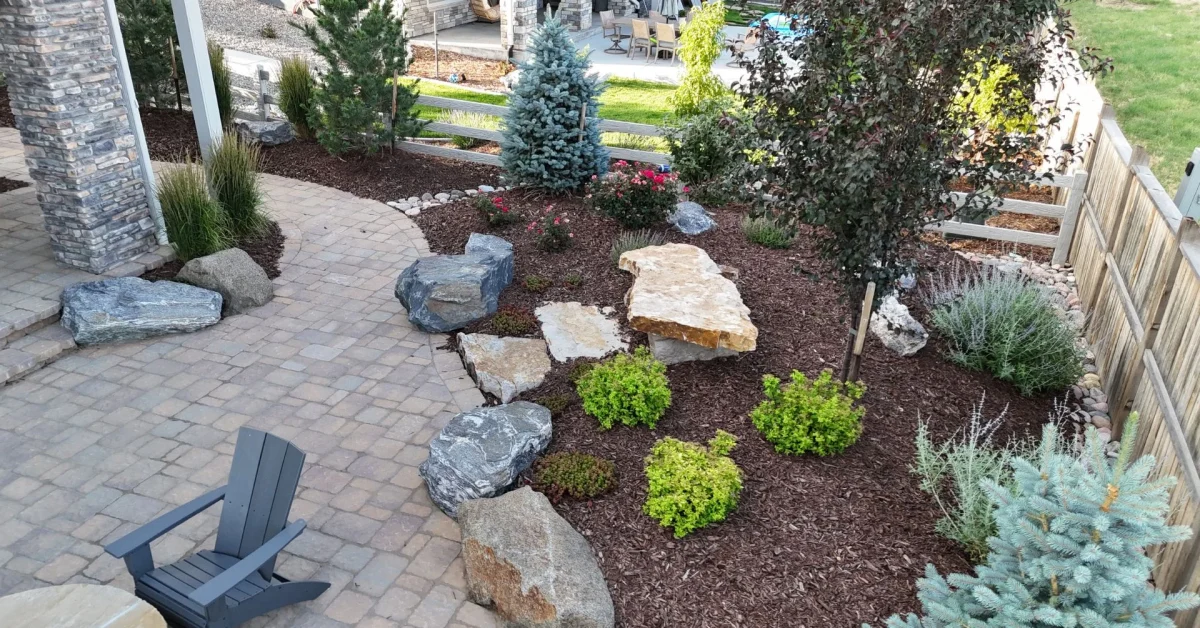
Simple landscaping ideas around trees focus on improving visual appeal while keeping the tree’s natural environment protected and undisturbed. One of the most effective methods is creating mulch rings around the base, which helps define the space while maintaining soil health and reducing maintenance needs.
Adding shade-tolerant flower beds is another great option, especially in areas where sunlight is limited. These plants can thrive under the tree canopy without competing aggressively with roots for nutrients.
Seating circles or natural sitting areas can also turn tree zones into functional outdoor spaces, offering shade and relaxation spots without heavy construction.
Decorative edging helps create a clean visual separation between tree zones and surrounding lawn or garden areas, giving the landscape a more organized appearance.
When all these elements are combined properly, they enhance both the beauty of the yard and the protection of the tree itself.
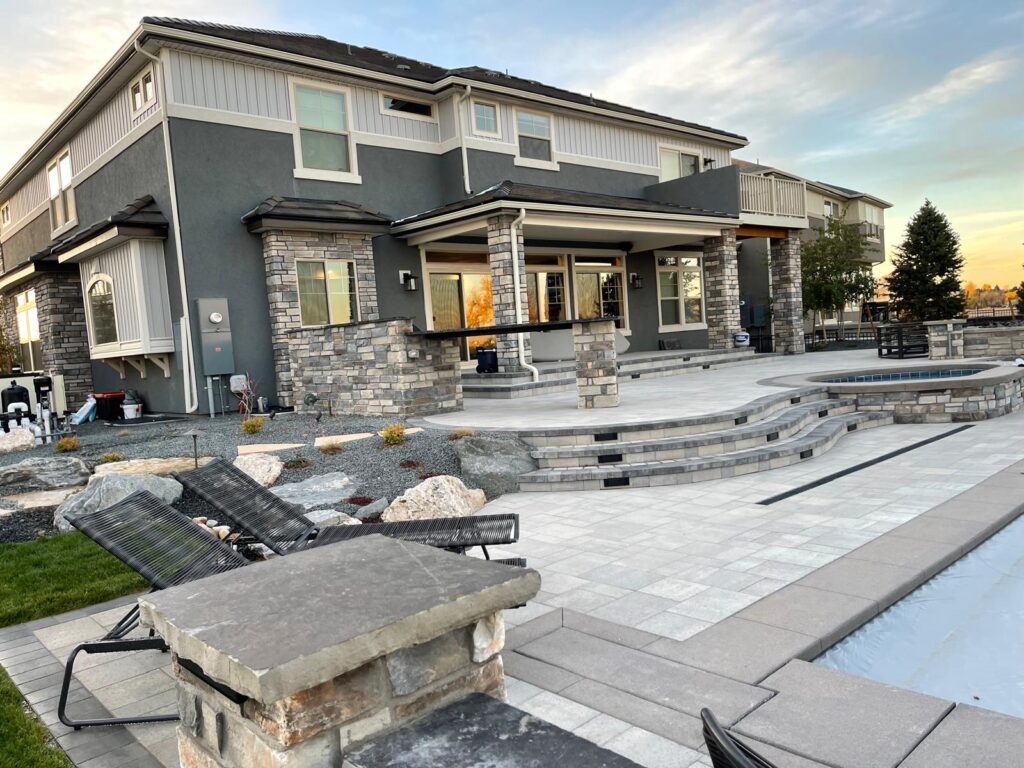
Hardscape features around trees must be designed carefully to avoid damaging root systems while still improving usability and structure. Small paver seating zones can be installed in a way that avoids direct pressure on major roots, creating functional outdoor spaces without harming tree health.
Curved pathways are another effective solution, as they naturally flow around tree bases instead of cutting directly through root zones. This helps maintain soil integrity while improving movement across the yard.
Raised platforms can also be used in certain cases to prevent soil compression and reduce impact on sensitive areas around the tree.
However, it is important to understand design limitations when working with hard materials near trees, as improper installation can lead to long-term damage.
For more complex installations involving structured outdoor areas, professional guidance is recommended.
Choosing the right plants around trees is essential for maintaining both visual appeal and healthy soil conditions. Shade-loving plants and groundcovers are the best option because they naturally adapt to lower light levels under tree canopies without competing heavily with the tree’s root system. These plants also help reduce exposed soil, improving moisture retention and overall yard appearance.
Low-water planting strategies are especially useful in tree landscaping because they reduce stress on both the plants and surrounding soil conditions. This helps create a more sustainable and low-maintenance outdoor space that performs well throughout different seasons.
Seasonal color options can also enhance the area around trees, adding visual interest throughout the year without overwhelming the natural structure of the landscape. However, it is important to avoid invasive plants that aggressively compete with tree roots for nutrients and water.
Many landscaping issues around trees happen due to avoidable mistakes that can negatively impact long-term tree health. One of the most common errors is covering the root flare too deeply, which can restrict oxygen flow and lead to trunk decay over time.
Overwatering or poor drainage design is another major issue, as excess moisture around roots can cause rot and weaken the tree’s stability. Similarly, using heavy materials like concrete or thick stone layers can suffocate roots and compact the soil.
Ignoring the natural growth space of trees is also a frequent mistake, especially when homeowners install features too close to the trunk. Trees continue to expand over time, and restricted space can lead to structural damage.
Poor maintenance planning further reduces long-term success, making regular upkeep an important part of any tree-focused landscape design.
DIY tree landscaping can be effective when it involves simple improvements such as mulch rings, light planting, or basic edging. These small-scale upgrades are generally safe and easy to manage without affecting tree health.
However, more complex projects like grading, drainage correction, or structural installation require professional expertise. These tasks involve deeper understanding of soil conditions and root protection zones, where mistakes can cause permanent damage to mature trees.
There is also a higher risk of harming root systems when working without proper knowledge or equipment, especially in older or larger trees.
Knowing when to involve experts is important for maintaining both safety and long-term landscape quality. Professional input ensures that the design is both visually appealing and structurally safe.
Proper landscaping around trees offers several long-term benefits that go beyond simple visual improvement. One of the most noticeable advantages is improved curb appeal, as well-designed tree areas create structure, balance, and natural focal points within the yard. This helps the entire outdoor space feel more intentional and visually complete.
Healthy landscaping practices also contribute to longer-living trees by protecting root systems, improving soil conditions, and preventing damage from heavy materials or poor drainage. When trees are well cared for, they continue to provide shade, oxygen, and environmental benefits for many years.
Another key benefit is better yard usability, as properly designed tree zones can create shaded seating areas or natural gathering spaces. This enhances outdoor comfort, especially in warmer months.
Overall, well-planned tree landscaping can increase property value by combining functionality, aesthetics, and ecological balance into one cohesive outdoor design.
Ridgewell Colorado specializes in creating outdoor spaces that are both visually appealing and structurally sound, with a strong focus on tree-safe landscape planning. Every project is designed to protect natural elements while enhancing overall usability and long-term performance.
The team has expertise in balancing hardscape and softscape features, ensuring that patios, walkways, and planting areas work together without harming existing trees or soil conditions. This approach results in outdoor spaces that feel natural, functional, and well-integrated.
Custom design solutions allow homeowners to achieve unique outdoor layouts tailored to their property’s needs, whether it involves shaded seating areas, functional garden zones, or structured landscape improvements.
Durability and quality workmanship remain a priority, ensuring every installation lasts and performs well over time.
The best approach is to use mulch, shade-friendly plants, and light design elements that avoid disturbing the root zone. This keeps the tree healthy while still improving the look of the space. Proper planning ensures both aesthetics and long-term tree protection.
Yes, but it must be done carefully to avoid damaging major roots or compacting the soil. Permeable designs and raised or spaced layouts are often used to reduce impact. Poor installation can harm tree health over time.
Avoid invasive plants, deep-rooted aggressive species, and anything that competes heavily for water and nutrients. These can stress the tree and disrupt its natural growth. Choosing compatible plants helps maintain balance in the landscape.
Protect roots by minimizing digging, avoiding heavy materials, and keeping soil loose and breathable. Mulch can help regulate moisture and temperature around the root zone. Careful planning is key to avoiding long-term damage.
Mulch is generally better because it improves soil quality, retains moisture, and supports healthy root development. Stone can be used decoratively but may compact soil if applied too heavily. Mulch is more natural and tree-friendly overall.
Tree landscaping should always prioritize long-term tree health alongside visual improvement. Protecting root systems and understanding soil conditions is essential for sustainable outdoor design.
The best results come from a balanced approach that combines aesthetics with functionality, ensuring trees remain healthy while enhancing the overall yard layout.
While some improvements can be done as DIY projects, professional guidance is often necessary for complex or structural landscaping work.
For homeowners looking to improve their outdoor spaces safely and effectively, Ridgewell Colorado provides expert solutions designed for lasting beauty, functionality, and tree protection.
Fresh Ideas From our experts
What Your Neighbors Are Saying
"They are the best. We have a small backyard and needed it to reflect a relaxing and enjoyable space. Chris used our ideas and came up with the perfect design. Then Francisco came with the cost projections and worked to accommodate our budget. He and his team then used their considerable construction expertise to create a space that’s an extension of our home where we spend a lot of time. Thank you for creating such a welcoming space."
"I am new to Colorado and hired Chris and Francisco to design and implement a plan for my new build house. From design to finish and followup they were beyond my expectations. They are in constant contact throughout the project and their crew is very hardworking. They followup when the project is finished and are always available for whatever questions you may have. I would highly recommend them, and I get many complements on the work they have done for me."
"We were thrilled with the end result of our brick paver patio refurbishment. We hired Chris, Francisco and their team to fix our sinking brick paver patio. It had been installed by a different landscaper, and after only 2 years it was collapsing. Boo hiss! Ridgewell Landscape and Design came in and saved the day! They discovered the original installation was done incorrectly, and that’s why it was collapsing. Their team worked hard and got the project done quickly and professionally. We are thrilled with the look and finish of the job! Bravo!!"