- Get A Free Consultation.
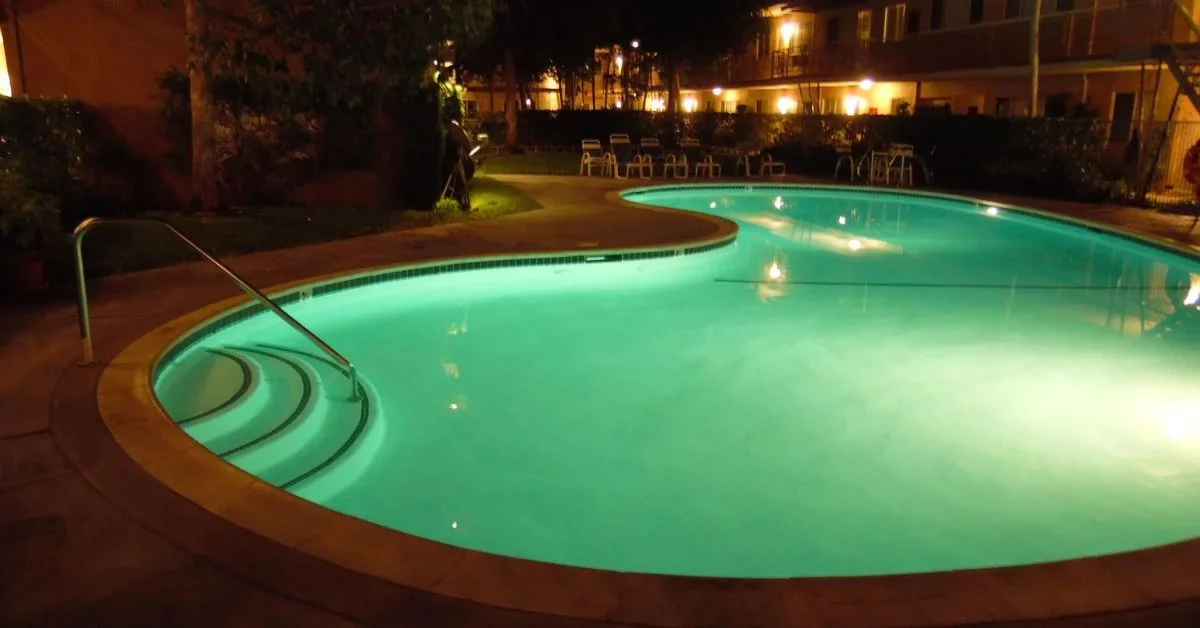
Swimming pool lighting has become one of the most popular upgrades for modern outdoor living spaces because it improves both safety and visual appeal around residential pools. Many homeowners search “how to install a swimming pool light” when looking for ways to make their pool area safer, more functional, and more enjoyable during evening hours.
Proper pool lighting improves nighttime visibility around swimming areas while also creating a more relaxing and luxurious outdoor atmosphere. Modern LED pool lights are especially popular because they provide energy efficiency, long-lasting performance, and customizable lighting effects for outdoor entertainment spaces.
However, installing a swimming pool light involves important electrical and waterproofing considerations. Incorrect wiring or poor sealing can create safety risks and long-term maintenance problems around the pool area. Using weather-resistant materials and safe installation practices is essential for durability and performance.
Ridgewell Colorado provides outdoor hardscape and poolside upgrade solutions designed to improve both safety and outdoor functionality.
Swimming pool lighting plays an important role in improving safety, visibility, and overall outdoor usability for residential properties. A properly illuminated pool area creates a safer environment for nighttime swimming while also enhancing the appearance of the surrounding outdoor space.
Modern pool lighting is not only designed for functionality but also for aesthetics and comfort. Homeowners often use lighting systems to highlight water features, seating areas, patios, and outdoor entertainment zones. Well-planned lighting can completely transform the atmosphere of a backyard while increasing the value and usability of the property.
In addition to visual improvements, pool lighting also helps extend the functionality of outdoor spaces by making pools accessible and enjoyable after sunset. Whether used for safety, entertainment, or design enhancement, proper lighting installation contributes significantly to the overall outdoor living experience.
One of the biggest benefits of swimming pool lighting is improved safety around the pool area at night. Proper illumination helps reduce slip-and-fall risks near pool edges, steps, and surrounding walkways where wet surfaces can become hazardous after dark.
Lighting also improves visibility inside the pool water itself, making it easier for swimmers to identify depth changes, steps, and underwater features. This is especially important for children, elderly users, and guests unfamiliar with the pool layout.
Well-placed lighting systems create safer movement throughout the outdoor space while helping homeowners feel more confident using the pool during evening hours. Clear visibility is essential for maintaining both comfort and safety around residential swimming pools.
Swimming pool lighting significantly improves the atmosphere and visual appeal of outdoor living spaces. Modern LED lights can create a luxurious and relaxing backyard environment by highlighting the movement of water, pool shapes, and surrounding hardscape features.
Many homeowners use pool lighting to support nighttime entertaining, outdoor dining, and evening relaxation areas around patios or seating spaces. Color-changing LED systems can also create different moods and visual effects for special occasions or everyday outdoor enjoyment.
When integrated properly with landscaping, pergolas, and patios, pool lighting helps create a cohesive outdoor design that feels both functional and visually balanced. This makes the backyard more inviting while improving the overall outdoor experience.
Swimming pool lighting allows homeowners to use their outdoor spaces more comfortably during evening and nighttime hours. Proper lighting extends pool usability beyond daylight, making outdoor areas more practical for gatherings, entertainment, and relaxation.
Lighting systems also improve movement between the pool, patio, walkways, and nearby seating zones by reducing dark areas and improving visibility throughout the property. This creates a more connected and functional outdoor layout overall.
In addition to improving usability, pool lighting adds long-term value to residential outdoor spaces by making the property more attractive and enjoyable year-round. Well-lit outdoor environments feel safer, more welcoming, and more suitable for both everyday use and entertaining guests.
There are several different types of swimming pool lights available for residential outdoor spaces, each designed for specific installation methods, lighting preferences, and pool structures. Choosing the right type of pool light depends on factors such as energy efficiency, appearance, installation complexity, and long-term maintenance requirements.
Modern homeowners often prefer LED systems because of their durability and lower energy consumption, while traditional halogen lights are still used in some older pools. Pool lights can also vary based on how they are mounted, with some systems installed directly into the pool wall and others attached externally for easier retrofitting.
Understanding the differences between these lighting systems helps homeowners choose the best solution for their pool design, outdoor layout, and long-term usability goals.
LED swimming pool lights are one of the most popular choices for modern residential pools because they provide excellent energy efficiency and long-lasting performance. Compared to traditional lighting systems, LEDs consume less electricity while producing bright and consistent illumination throughout the pool area.
Another major advantage of LED lights is their durability and reduced maintenance needs. Many systems last for years without requiring bulb replacement, making them a cost-effective long-term option for homeowners.
LED pool lights are also available in color-changing designs that allow homeowners to customize the appearance and atmosphere of the pool area for relaxation, entertaining, or decorative outdoor lighting effects.
Halogen swimming pool lights are a more traditional lighting option commonly found in older residential pools. They provide strong brightness and can illuminate large swimming areas effectively, making them useful for general nighttime pool visibility.
However, halogen lights typically consume more electricity than LED systems and often require more frequent maintenance or bulb replacement over time. They also generate more heat during operation, which can reduce overall efficiency.
While halogen systems are still functional for many pools, homeowners upgrading outdoor spaces often switch to LED technology for better energy savings, longer lifespan, and improved customization options.
Surface-mounted pool lights are designed for easier installation, especially in existing residential pools where homeowners want to add lighting without major structural modifications. These fixtures are attached directly to the pool wall and generally require less invasive installation work compared to recessed systems.
Because they are easier to retrofit, surface-mounted lights are a practical option for pool upgrades and DIY projects. They can improve nighttime visibility while minimizing disruption to the existing pool structure.
Although they may not appear as seamless as in-wall lighting systems, surface-mounted lights still provide strong functionality and are commonly used for residential outdoor improvements.
In-wall swimming pool lights are installed directly into the pool structure, creating a cleaner and more integrated appearance compared to surface-mounted systems. These lights are commonly used in new pool construction projects or major pool renovations where the structure can accommodate recessed fixtures.
Because the lighting system is built into the pool wall itself, in-wall lights often create a more modern and professional visual effect around the pool area. They also reduce fixture visibility and improve overall design aesthetics.
However, installation is more complex and usually requires advanced electrical and waterproofing work. In-wall systems are typically better suited for professional installation due to the structural and safety requirements involved.
Choosing the right swimming pool light is important for both safety and outdoor appearance. The correct lighting setup improves nighttime visibility while also helping create a more attractive and functional backyard environment. Homeowners often choose pool lighting based on brightness, energy efficiency, durability, and overall design style.
Pool lights should complement surrounding outdoor features such as patios, seating areas, pergolas, and landscaping elements. Selecting weather-resistant materials is especially important in Colorado because outdoor lighting systems must handle changing temperatures, moisture exposure, and seasonal weather conditions.
Another important factor is choosing the correct voltage and power system. Low-voltage lighting is often preferred for residential pool environments because it improves safety and reduces energy consumption. Proper planning helps homeowners avoid uneven lighting, excessive glare, or poor placement that can reduce both functionality and visual appeal.
Pool lighting should work together with the overall backyard design rather than appearing separate from the outdoor space. Homeowners often select lighting styles that match nearby patios, seating zones, water features, and hardscape elements to create a cohesive appearance.
Balanced lighting placement is important because excessive brightness can create glare while insufficient lighting may reduce visibility and safety around the pool. Modern LED lighting options are popular because they provide clean illumination while also supporting color-changing effects for entertainment and relaxation.
Lighting can also highlight architectural features, pool edges, shallow areas, and decorative landscaping elements. Coordinating the lighting design with surrounding outdoor structures creates a more polished and luxurious backyard atmosphere while improving nighttime usability.
Swimming pool lights are constantly exposed to moisture, chemicals, temperature changes, and outdoor weather conditions, making durable materials extremely important. Waterproof and corrosion-resistant fixtures help prevent long-term damage and reduce maintenance requirements.
Stainless steel, sealed LED fixtures, and weather-resistant electrical components are commonly used because they perform better in wet environments. Durable materials are especially important in Colorado where outdoor systems must handle changing temperatures throughout the year.
Choosing high-quality outdoor-rated components also improves long-term reliability and safety. Poor-quality fixtures may corrode, leak, or fail prematurely, leading to expensive repairs and replacement costs. Investing in weather-resistant pool lighting materials helps homeowners create a safer and more dependable outdoor lighting system.
Homeowners must understand the difference between low-voltage and standard-voltage pool lighting before beginning installation. Low-voltage lighting systems are commonly used in residential outdoor spaces because they are safer around water and generally more energy efficient.
Standard-voltage systems may provide stronger illumination but often require more complex electrical installation and stricter safety considerations. Many modern LED pool lighting systems use low-voltage transformers to reduce energy consumption while still delivering bright and effective illumination.
Selecting the proper transformer and electrical setup is important for both performance and safety. Properly planned voltage systems help prevent overload issues, uneven lighting performance, and electrical hazards around the pool area.
Proper planning is one of the most important steps when installing a swimming pool light. A well-designed lighting layout improves safety, visibility, and overall outdoor aesthetics while helping homeowners avoid expensive installation mistakes later.
Planning includes selecting the best lighting locations, measuring wiring distances, understanding the pool structure, and protecting nearby hardscape areas during installation. Poor planning can lead to uneven lighting, unnecessary glare, damaged pool surfaces, or complicated electrical routing problems.
Homeowners should also consider how the lighting system will integrate with surrounding outdoor living areas such as patios, pergolas, seating spaces, and landscaping features. Careful preparation creates a more balanced and professional-looking result while improving long-term usability and maintenance.
Proper light placement improves both safety and visual appeal around the swimming pool. Homeowners should focus on areas where visibility is most important, including pool steps, shallow entries, pathways, and surrounding deck areas.
Lighting should reduce dark zones while avoiding excessive glare that may make nighttime swimming uncomfortable. Many homeowners also position lights to highlight water features, landscaping, or architectural details around the pool.
Balanced placement is important because uneven lighting can create shadows or overly bright areas that reduce functionality. A carefully planned layout improves nighttime visibility while creating a more relaxing and attractive outdoor atmosphere.
Measuring and designing the lighting layout carefully helps create a cleaner and more professional installation. Homeowners should plan wiring distances properly to avoid electrical complications and ensure balanced light distribution throughout the pool area.
Spacing between lights should be consistent to prevent overcrowding or uneven brightness. Proper planning also helps integrate lighting with nearby patios, seating zones, pergolas, and landscaping features for a more cohesive outdoor design.
Good layout planning improves long-term usability and reduces the likelihood of needing future adjustments or additional installations after the project is complete.
Different pool structures require different installation approaches. Concrete, vinyl, and fiberglass pools each present unique drilling, wiring, and mounting challenges during lighting installation.
Concrete pools may require masonry drilling and more complex wiring access, while fiberglass and vinyl pools often need additional care to prevent surface damage. Homeowners should also protect nearby pavers, coping, and surrounding hardscape areas during installation work.
Careful preparation helps prevent unnecessary damage and supports a cleaner final result. For homeowners planning larger outdoor upgrades, integrating lighting with surrounding hardscape features can also improve the overall functionality and appearance of the outdoor space.
Installing a swimming pool light requires proper tools, electrical components, and safety equipment to ensure safe and effective installation. Using the correct materials helps reduce installation problems while improving long-term durability and performance.
Most residential pool lighting projects require basic hand tools, waterproof electrical components, mounting hardware, and outdoor-rated wiring materials. Homeowners should also prioritize electrical safety because water and power systems create serious risks when handled incorrectly.
High-quality waterproof fixtures and corrosion-resistant materials are especially important for outdoor environments exposed to moisture, chemicals, and changing weather conditions.
Several standard tools are commonly used during swimming pool light installation projects. Screwdrivers, drills, voltage testers, wire cutters, and measuring tools help homeowners complete installation tasks more accurately and safely.
Masonry drill bits may also be required when working with concrete pool decks or hardscape surfaces. Measuring and marking tools are important for maintaining proper spacing and alignment throughout the installation process.
Using the correct tools helps reduce mistakes, improves efficiency, and supports cleaner installation results around the pool area.
Pool lighting systems require waterproof electrical components designed specifically for outdoor and wet environments. Waterproof LED fixtures, electrical conduit, junction boxes, and corrosion-resistant mounting hardware are commonly used for residential pool lighting installations.
Low-voltage transformers may also be necessary depending on the lighting system being installed. Waterproof sealants are important for protecting electrical connections from moisture exposure and preventing long-term damage.
High-quality components improve system reliability while helping homeowners avoid electrical issues and premature fixture failure.
Safety should always remain a top priority when working around water and electrical systems. Protective gloves, safety eyewear, and proper electrical precautions help reduce the risk of injury during installation.
Ground fault circuit interrupters (GFCIs) are especially important because they help protect against electrical shock near wet environments. Homeowners should also follow safe handling procedures when working with power tools and electrical wiring near pool areas.
Using proper safety equipment and following recommended electrical practices helps create a safer installation process while reducing long-term safety risks around the swimming pool.
Before starting any installation work, safely turning off the pool’s electrical power is the most important step. This helps prevent serious electrical hazards while working around water and wiring systems. Always disconnect power at the main breaker and double-check that no current is flowing before touching any components. Using a voltage tester adds an extra layer of safety and ensures complete shutdown.
Pool electrical systems are highly sensitive, and even a small mistake can create dangerous conditions. Taking time to secure the system properly reduces risk and creates a safe working environment for installation. Proper electrical safety is essential for both DIY and professional pool lighting projects.
Once the power is off, the installation area should be thoroughly cleaned and inspected. Remove any debris, dirt buildup, or algae around the fixture location to ensure clear access. Carefully examine pool walls, coping, and surrounding surfaces for cracks or damage that may affect installation stability. Identifying issues early helps avoid complications during mounting or wiring. A clean and stable surface ensures safer working conditions and improves installation accuracy. This step also helps prevent future problems such as loose fittings or water leakage around the light fixture.
During preparation, it is important to protect surrounding outdoor features such as pavers, coping, and landscaping. Tools, drilling equipment, and materials should be handled carefully to avoid accidental damage. Covering nearby surfaces can help prevent scratches or debris impact during installation work.
Special attention should be given to landscaped areas to avoid soil disturbance or plant damage. For professionally designed outdoor spaces, coordination with experts in landscape design services ensures everything remains protected and properly integrated during pool upgrades.
The first installation step involves positioning and securing the pool light housing in the correct location. The fixture must be aligned properly to ensure balanced illumination across the pool area. Once positioned, all housing components should be tightly secured to prevent movement over time. Waterproofing connection points is essential to protect internal wiring from moisture exposure. A stable installation ensures the light remains safe, functional, and long-lasting even in constant water contact environments.
After securing the housing, electrical wiring is routed through protective conduit systems to keep cables safe from water exposure and physical damage. Proper cable management is essential to maintain safety and long-term reliability. All wiring must follow electrical standards and be fully insulated. For low-voltage systems, wiring is connected to a transformer that regulates power safely. This step requires careful attention to prevent electrical faults and ensure consistent performance of the lighting system.
Next, the electrical wires are securely attached to the pool light unit. All connections must be tightly fastened and properly sealed to prevent moisture from entering the system. If using low-voltage lighting, a transformer is installed to regulate energy flow safely. Proper sealing of all connection points is critical to avoid corrosion or electrical failure. This step ensures the pool light operates safely and efficiently under all weather and water conditions.
Once installation is complete, power is safely restored to test the system. The light should be checked for brightness, stability, and even illumination across the pool. Any flickering or loose connections must be inspected immediately. Testing also confirms that waterproofing measures are effective and no moisture is affecting performance. A successful test ensures the pool lighting system is fully functional, safe, and ready for regular nighttime use.
Water intrusion around pool light fixtures is one of the most serious installation mistakes. When waterproof seals are not properly applied or low-quality fittings are used, moisture can enter the housing and damage internal wiring.
Over time, this leads to corrosion, flickering lights, and complete system failure. Because pool lighting operates in a constantly wet environment, even small sealing gaps can create long-term electrical hazards. Proper installation requires high-grade waterproof fixtures, sealed connection points, and moisture-resistant materials designed specifically for underwater use.
Skipping these steps may not cause immediate issues, but the damage usually appears later and becomes costly to repair. Ensuring full waterproofing from the start protects both the lighting system and the safety of everyone using the pool.
Unsafe electrical work is a major risk when installing pool lighting. Loose wiring, incorrect voltage matching, or poorly insulated connections can lead to short circuits and dangerous electrical shocks. A critical safety component is the GFCI system, which is designed to shut off power instantly if a fault occurs.
Without it, the risk of electric hazards near water increases significantly. All wiring must be properly secured, fully insulated, and tested before activation. Using incompatible voltage systems or skipping safety checks can also damage the entire lighting setup.
Because pool environments combine water and electricity, even small mistakes can have serious consequences. Safe installation practices and correct electrical standards are essential for long-term reliability and user protection.
Incorrect placement of pool lights can negatively affect both safety and visual quality. If lights are installed unevenly or without proper planning, they may create dark zones, harsh glare, or inconsistent brightness around the pool. This reduces visibility at night and makes it harder to safely navigate steps, edges, and shallow areas.
Poor placement can also disrupt the overall design of the outdoor space, making the pool area feel unbalanced or overexposed. Proper layout planning ensures that lighting is distributed evenly, highlighting key areas without overwhelming the space. When positioned correctly, pool lights enhance both functionality and ambiance, creating a safe and visually appealing nighttime environment.
Damage to poolside hardscape is another common issue during installation. Drilling into concrete, coping, or paver surfaces without proper care can cause cracks, chips, or permanent structural damage. Many installations require precision, as even small errors can affect surrounding outdoor finishes and drainage systems.
Using the wrong tools or applying excessive force increases the risk of costly repairs. Protecting existing hardscape elements is essential to maintain both the structural integrity and appearance of the pool area. Careful planning, proper tools, and controlled installation techniques help ensure the lighting upgrade improves the space without harming existing outdoor features.
DIY installation can be suitable for simple pool lighting upgrades, especially for homeowners with basic electrical knowledge. It offers a lower upfront cost and allows more control over the project timeline. However, it also comes with limitations, particularly when dealing with complex wiring systems, waterproofing requirements, and concrete drilling. Any mistakes in voltage handling or sealing can lead to safety risks or system failure. DIY installation is best for straightforward setups where safety precautions are fully understood and followed. Without proper experience, achieving long-term durability and compliance with electrical standards can be challenging.
Professional installation provides a higher level of safety, precision, and long-term reliability. Experts ensure correct waterproofing, secure wiring, and proper voltage handling, reducing the risk of electrical faults or structural damage. Professionals also understand how to integrate lighting with surrounding outdoor design, ensuring a clean and balanced appearance.
This approach is especially important for complex pool systems or hardscape-integrated designs where accuracy is critical. Services like these also align well with broader outdoor upgrades such as retaining wall construction and landscape design services, ensuring the entire outdoor space works together safely and aesthetically.
Pool lighting works best when it is thoughtfully integrated with surrounding hardscape elements such as patios, walkways, and seating zones. When lighting is coordinated with these structures, it helps define outdoor movement paths and highlights key design features. Proper placement can turn a simple backyard into a visually balanced nighttime environment where each space feels connected. Illuminating walkways improves safety, while accent lighting around seating areas enhances comfort and usability.
A well-planned lighting layout ensures the pool area does not feel isolated but instead blends naturally with the entire outdoor design. This approach creates a modern and cohesive backyard aesthetic where functionality and style work together.
Pool lighting also plays a major role in enhancing outdoor living spaces by extending usability into the evening hours. When combined with features like pergolas and outdoor kitchens, it creates a fully functional entertainment environment. This allows homeowners to enjoy gatherings, dining, and relaxation long after sunset.
Proper lighting improves visibility and atmosphere, making outdoor spaces feel more inviting and comfortable. Integrating lighting with other structures ensures the backyard functions as a unified living space rather than separate zones.
Landscaping around pool lighting should focus on simplicity, safety, and long-term maintenance. Low-maintenance plant choices and clean layouts help ensure lights remain unobstructed and effective. Overgrown vegetation can block illumination and reduce both safety and visual appeal.
Proper drainage planning is also important to prevent water buildup near electrical fixtures. In dry climates, xeriscaping-style designs are often ideal as they reduce water usage while maintaining a clean, modern appearance. Careful landscaping ensures lighting remains functional while contributing to a balanced outdoor environment.
Proper swimming pool light installation significantly improves safety, especially during nighttime use. Well-placed lighting enhances visibility around steps, edges, and shallow areas, reducing the risk of slips and accidents. It also improves the overall ambiance of the outdoor space, creating a more enjoyable and visually appealing environment for relaxation and entertainment. With modern LED systems, pool lighting becomes energy-efficient while still delivering strong illumination and long-term performance. Proper installation increases the usability of outdoor living spaces by extending pool activity into the evening hours.
It also enhances curb appeal and property value by adding a premium design element to the backyard. When installed correctly, pool lighting offers long-lasting durability, requiring minimal maintenance while consistently improving both function and aesthetics.
Ridgewell Colorado brings strong experience in outdoor construction and poolside upgrades, focusing on precision and long-term performance. Their approach ensures that every installation is both functional and visually balanced, creating outdoor spaces that are safe, durable, and well-designed. With attention to detail in hardscape integration, lighting systems are installed to complement the overall outdoor layout rather than appear as standalone features. This expertise helps homeowners achieve a seamless transition between pool areas and surrounding landscapes.
The company offers full outdoor transformation services including patios, pergolas, retaining walls, and outdoor kitchens. This allows homeowners to develop a complete outdoor living environment rather than isolated upgrades. Each project is designed to improve usability, aesthetics, and long-term value.
All installations are designed specifically for Colorado’s climate, focusing on durability, drainage, and weather resistance. Materials and construction methods are chosen to withstand seasonal changes while maintaining long-term structural integrity. Proper drainage planning and strong foundations ensure outdoor features remain stable and functional year-round. This makes Ridgewell Colorado a reliable choice for homeowners seeking long-lasting outdoor improvements.
conduits to ensure safety and prevent water exposure. Once connections are made, all components are sealed properly to maintain waterproof integrity. Finally, the system is tested to confirm brightness, stability, and safe operation before regular use.
Yes, lights can be added to existing pools using retrofit options such as surface-mounted fixtures. These are designed to be installed without major structural changes. However, proper electrical planning is essential to ensure safety and compatibility with the existing pool system. In many cases, professional installation is recommended for best results.
LED pool lights are generally considered the best option due to their energy efficiency, long lifespan, and strong illumination. They also offer modern features such as color changing and low maintenance requirements. LED systems are widely used in residential pools for both safety and aesthetic enhancement.
Yes, waterproof wiring is essential for all pool lighting systems. Since pool environments involve constant exposure to water, proper sealing and insulation prevent moisture from reaching electrical components. This ensures safe operation and reduces the risk of electrical failures or hazards.
Professional installation is often worth it because it ensures proper waterproofing, secure wiring, and compliance with safety standards. It reduces the risk of damage to the pool structure and improves long-term reliability. Professionals also ensure the lighting system is installed correctly for both safety and visual performance.
Swimming pool lighting plays an important role in improving safety, ambiance, and overall outdoor usability. Proper installation ensures that the system remains durable, waterproof, and visually effective over time. While DIY installation may work for simple upgrades, complex electrical work and pool integration often require professional expertise.
Combining pool lighting with thoughtful hardscape and landscape design creates a more functional and visually appealing outdoor space. Ridgewell Colorado provides reliable outdoor solutions designed to enhance both safety and long-term performance for modern residential properties.
Fresh Ideas From our experts
What Your Neighbors Are Saying
"They are the best. We have a small backyard and needed it to reflect a relaxing and enjoyable space. Chris used our ideas and came up with the perfect design. Then Francisco came with the cost projections and worked to accommodate our budget. He and his team then used their considerable construction expertise to create a space that’s an extension of our home where we spend a lot of time. Thank you for creating such a welcoming space."
"I am new to Colorado and hired Chris and Francisco to design and implement a plan for my new build house. From design to finish and followup they were beyond my expectations. They are in constant contact throughout the project and their crew is very hardworking. They followup when the project is finished and are always available for whatever questions you may have. I would highly recommend them, and I get many complements on the work they have done for me."
"We were thrilled with the end result of our brick paver patio refurbishment. We hired Chris, Francisco and their team to fix our sinking brick paver patio. It had been installed by a different landscaper, and after only 2 years it was collapsing. Boo hiss! Ridgewell Landscape and Design came in and saved the day! They discovered the original installation was done incorrectly, and that’s why it was collapsing. Their team worked hard and got the project done quickly and professionally. We are thrilled with the look and finish of the job! Bravo!!"