- Get A Free Consultation.
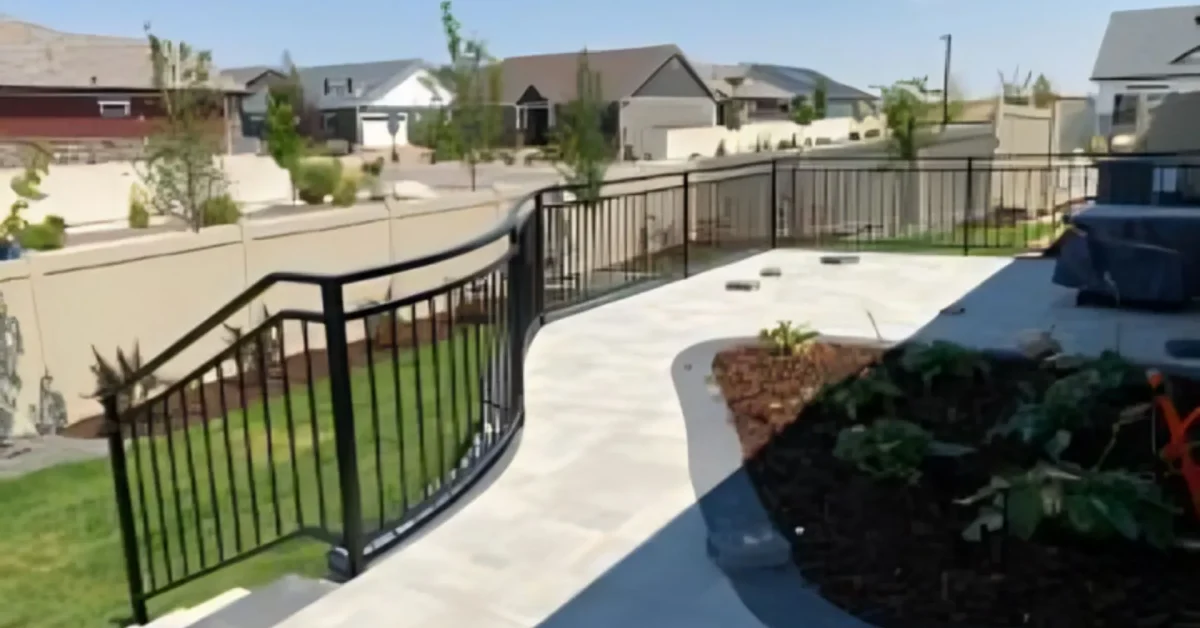
Yes, you can have a patio on your driveway, and it’s a smart way to get more usable outdoor living space without sacrificing parking or committing to a full driveway replacement. The most common approaches are creating a defined patio section within part of the driveway, using furniture and design elements to visually separate a seating area from the parking area, or converting an underused section of driveway into a true patio space using different materials and a raised or bordered design.
At Ridgewell Landscape and Design, we help homeowners across the Denver area, including Broomfield, Parker, and surrounding communities, turn underused driveway space into functional outdoor living areas. Here’s how it actually works and what to consider before starting.
| Question | Answer |
| Can a patio share space with a driveway? | Yes, with the right layout and materials |
| Best approach for most homeowners? | A defined patio section within or adjacent to the driveway |
| Do materials need to change? | Often yes, patio areas can use different pavers or finishes than the driveway |
| Is this the same as converting a whole driveway? | No, this is a partial, blended approach rather than a full conversion |
Driveways are often larger than they need to be for parking alone, especially on properties with a two or three car garage and a driveway sized to match. That extra square footage sits unused most of the day, which makes it an obvious candidate for a seating area, a small entertaining space, or a spot for potted plants and outdoor furniture.
This approach also appeals to homeowners who aren’t ready to fully convert their driveway into a patio, which is a bigger commitment. If you’re weighing that larger step instead, our guide on how to turn a driveway into a patio walks through what a full conversion involves. Adding a patio zone within the driveway is a lighter-touch option that keeps the parking function intact while still gaining usable outdoor space.
One of the most effective approaches is using a different paving material for the patio portion than for the parking area. A section of the driveway near the house, a side yard, or an end that rarely sees vehicle traffic can be finished in flagstone or decorative pavers, while the main parking area keeps a driveway-rated surface. This creates a visual and functional break between the two spaces without needing to tear out or reroute anything.
Even without changing the paving material, a patio zone can be carved out using borders, raised planters, or a low retaining wall. This works especially well on wider driveways where there’s more room than a typical vehicle needs. The border does double duty: it signals where the patio space starts, and it protects furniture and plantings from tire traffic.
Many driveways have a section that barely gets used, a turnaround area, a spot near a side door, or extra width along one edge. These are natural candidates for a small patio, since converting them doesn’t affect how the rest of the driveway functions for parking. This is often the lowest-disruption way to add outdoor living space without touching the main driveway surface at all.
Turning part of a driveway into usable patio space isn’t just about picking a pretty material. A few practical factors make the difference between a patio that works well long-term and one that causes problems down the road.
If the patio section could ever see a car drive over it, even occasionally, the material and base underneath need to be rated for vehicle weight, not just foot traffic. Standard patio stones aren’t built for this. If there’s any chance the space will be used for parking overflow or turning around, it’s worth reviewing our breakdown on whether patio stones can be used for a driveway, since the same weight and base considerations apply in reverse here.
Driveways are graded to move water away from the home and toward the street or a drainage point. Adding a patio section changes the surface in that area, so drainage needs to be planned carefully to avoid creating a low spot where water pools instead of flowing where it should.
Even a lighter-use patio section benefits from proper base depth and compaction, especially since it sits right next to a surface that’s built to a heavier standard. Mismatched base depths between the driveway and the new patio section is one of the more common mistakes we see in DIY attempts, and it tends to show up as uneven settling within the first year or two.
A patio that looks like it was tacked onto the driveway as an afterthought rarely reads as intentional. The best results come from choosing materials, colors, and layouts that complement the existing driveway and the rest of the home’s exterior, even if the patio section uses a different paver or stone.
One project we completed for a homeowner in the Denver area involved a wide driveway with several feet of unused space along one side. Rather than a full driveway overhaul, we carved out a flagstone patio section bordered by a low stone wall, connected it visually to the home’s back patio with a matching material palette, and regraded the area to direct water away from the new seating space. The result gave the family a functional outdoor sitting area steps from their front door, without losing a single parking spot.
Adding a patio section to an existing driveway is typically less expensive than a full driveway or patio replacement, since it involves a smaller footprint and often works with the existing base in the surrounding area. That said, cost still depends heavily on material choice, square footage, and whether drainage or grading work is needed. For a general sense of what paver projects run, our cost guide for a 20×20 paver patio is a useful starting point, though a driveway-adjacent patio project will vary based on your specific layout.
Depending on where you live in the Denver area, adding a patio section to a driveway may fall under HOA guidelines or local permitting requirements, especially if it involves a permanent structure like a low wall or a significant change to drainage patterns. It’s worth checking with your HOA or local municipality before starting, since requirements vary widely between neighborhoods in Denver, Broomfield, and Parker. A quick call or email upfront can save time compared to finding out after materials are already ordered.
This is also where working with an experienced local team helps. We’re familiar with common requirements across the areas we serve and can flag anything that might need a permit or HOA approval before work begins, rather than discovering it partway through a project.
Once a patio section is in place, ongoing maintenance is fairly straightforward, but it does depend on the material chosen. Paver and stone patio sections benefit from periodic joint resealing and occasional cleaning, similar to any standalone paver patio. If the surrounding driveway uses concrete or asphalt, the two materials will likely need slightly different care routines, which is worth keeping in mind when choosing what to install.
Because the patio section sits so close to an active driveway, it’s also worth paying attention to how winter de-icing products are used nearby. Salt and ice melt runoff from the driveway can migrate onto an adjacent patio surface, so some homeowners choose a slightly more salt-resistant material for the patio zone specifically, or simply rinse the area after major snow events to keep residue from building up over a full winter season.
Yes, in most cases. The key is identifying underused space, like a wide edge, a turnaround, or an area near a side entrance, that doesn’t affect how many vehicles the driveway can hold.
Not necessarily the same depth, but it does need proper base preparation suited to how that section will actually be used. If there’s any chance of vehicle traffic, it should be built to the same standard as the driveway.
Flagstone, cut-stone pavers, and decorative concrete pavers are all common choices. The best option usually depends on matching the style of the home and the existing driveway.
It can, since driveways are already graded for water flow. Proper grading and planning during installation prevents new pooling or drainage issues in the patio area.
Generally yes, since it involves a smaller footprint and keeps the existing parking area intact, which reduces both material and labor costs compared to a full conversion.
Every driveway has different opportunities depending on its size, layout, and how it’s actually used day to day. Ridgewell Landscape and Design can walk your property and help you figure out where a patio section makes sense without disrupting your parking. We serve the Denver area, including Broomfield, Parker, and surrounding communities. Explore our paver patio services or contact us to talk through your options.
Fresh Ideas From our experts
What Your Neighbors Are Saying
"They are the best. We have a small backyard and needed it to reflect a relaxing and enjoyable space. Chris used our ideas and came up with the perfect design. Then Francisco came with the cost projections and worked to accommodate our budget. He and his team then used their considerable construction expertise to create a space that’s an extension of our home where we spend a lot of time. Thank you for creating such a welcoming space."
"I am new to Colorado and hired Chris and Francisco to design and implement a plan for my new build house. From design to finish and followup they were beyond my expectations. They are in constant contact throughout the project and their crew is very hardworking. They followup when the project is finished and are always available for whatever questions you may have. I would highly recommend them, and I get many complements on the work they have done for me."
"We were thrilled with the end result of our brick paver patio refurbishment. We hired Chris, Francisco and their team to fix our sinking brick paver patio. It had been installed by a different landscaper, and after only 2 years it was collapsing. Boo hiss! Ridgewell Landscape and Design came in and saved the day! They discovered the original installation was done incorrectly, and that’s why it was collapsing. Their team worked hard and got the project done quickly and professionally. We are thrilled with the look and finish of the job! Bravo!!"