- Get A Free Consultation.
Landscape blocks have become a key feature in modern outdoor design because they offer a practical and visually appealing way to structure yards, gardens, and outdoor living spaces. Many homeowners search “how to install landscape blocks” when planning DIY improvements because these blocks are widely used for retaining walls, garden edging, raised beds, and even outdoor seating areas. They are valued for their strength, versatility, and ability to instantly improve curb appeal while adding long-term functionality to outdoor spaces.
However, proper installation is essential to ensure stability and durability. If the base is not leveled correctly or drainage is ignored, the entire structure can shift or fail over time. This is why understanding the correct process is so important before starting any project. Ridgewell Colorado specializes in professional hardscape and outdoor construction, helping homeowners across Denver, Aurora, Arvada, and Lakewood with services like retaining wall construction, paver patio installation, and full landscape design services for long-lasting outdoor transformations.
Landscape blocks are specially designed building materials used in outdoor landscaping projects to create structure, separation, and visual appeal. They are commonly used in both decorative and functional applications, ranging from simple garden borders to engineered retaining walls. These blocks are designed to withstand weather changes, soil pressure, and long-term outdoor exposure, making them a reliable choice for homeowners.
Unlike loose stone or temporary edging materials, landscape blocks are engineered for stability and consistency. They come in various shapes, sizes, and materials, allowing homeowners to match them with different landscape styles and structural needs.
There are several types of landscape blocks, each designed for specific purposes. Concrete retaining wall blocks are the most common because they provide strength and are ideal for structural projects like walls and raised beds. Decorative garden edging blocks are smaller and used mainly for defining flower beds, walkways, and lawn boundaries.
Interlocking landscape blocks are designed to fit together securely, improving stability and making installation easier. Homeowners also choose between natural stone and manufactured blocks. Natural stone offers a more organic and irregular look, while manufactured blocks provide uniform sizing and easier stacking, which is ideal for DIY projects.
Landscape blocks are used in many outdoor applications because of their flexibility and durability. One of the most popular uses is building retaining walls, which help manage slopes, prevent soil erosion, and create usable flat spaces in a yard. They are also commonly used for raised garden beds, which improve planting organization and drainage.
In addition, landscape blocks are often used to define garden borders and pathways, helping create clean separation between different outdoor zones. Some homeowners also use them for outdoor seating features or decorative elements that enhance backyard design. They can even support patios and walkways by providing structural edges that keep materials in place.
Homeowners choose landscape blocks because they offer a long-lasting and low-maintenance solution for improving outdoor spaces. These blocks are highly durable and can withstand harsh weather conditions without losing their structure or appearance, making them ideal for Colorado’s climate.
They also help improve organization within the yard by clearly defining spaces such as garden beds, walkways, and seating areas. This improves both functionality and visual appeal. Additionally, well-installed landscape blocks can increase property value by creating a more structured and professionally designed outdoor environment.
Proper planning is the most important step before installing landscape blocks because it directly affects stability, appearance, and long-term performance. Homeowners should first determine the purpose of the project, whether it is decorative edging, raised planting beds, or a structural retaining wall. Each type requires different preparation and skill levels.
Planning also involves understanding the yard’s slope, soil conditions, and drainage patterns. Without proper planning, even high-quality materials can fail over time. A well-structured plan ensures the installation is both visually balanced and structurally sound.
For larger or more complex outdoor projects, consulting professionals can help avoid costly mistakes and ensure the design integrates well with other outdoor features like patios, gardens, and seating areas.
Choosing the right project type depends on both skill level and intended function. Simple garden borders or decorative edging are ideal for beginners because they require minimal excavation and basic installation techniques. These projects focus mainly on aesthetics rather than structural support.
Retaining walls and elevated landscape features are more advanced because they must handle soil pressure and require proper drainage and leveling. Decorative projects are easier to adjust, while structural installations must be built with precision to avoid shifting or failure.
Homeowners should always match project complexity with their experience level and tools available. For larger structural projects, professional services like retaining wall construction are often recommended for safety and durability
Accurate measuring and design are essential before installing landscape blocks. Homeowners should begin by measuring the full installation area, including length, height, curves, and slope. This helps ensure proper material estimation and prevents uneven installation.
Marking the layout with stakes and string lines helps visualize the final design and maintain straight or curved alignment during construction. Proper design planning also ensures that the structure blends naturally with surrounding landscaping features.
A well-planned layout improves both functionality and appearance, creating a balanced outdoor space that feels intentional rather than random.
Drainage is one of the most critical aspects of landscape block installation because poor water management can lead to structural failure over time. When water builds up behind blocks, it increases soil pressure, which can cause walls to shift or collapse.
To prevent this, proper drainage systems must be included during installation. Gravel backfill is commonly used because it allows water to flow freely and reduces pressure buildup. In some cases, drainage pipes may also be required depending on slope and soil conditions.
Ignoring drainage requirements is one of the most common mistakes in DIY installations, making it essential for long-term stability and durability of the entire structure.
Proper installation of landscape blocks starts with having the right tools and materials ready before any digging or placement begins. This step is important because missing equipment or incorrect materials can lead to uneven walls, poor drainage, and long-term structural issues. A well-prepared setup makes the entire installation process smoother and more accurate, especially for DIY projects.
Most landscape block projects require a combination of basic hand tools and compacting equipment, along with proper base materials like gravel and sand. Choosing quality materials also plays a major role in ensuring stability and durability, especially in areas like Colorado where weather changes and soil conditions can affect outdoor structures over time.
Basic tools are essential for shaping, leveling, and positioning landscape blocks correctly. Shovels and rakes are used for digging and spreading soil or gravel evenly across the installation area. A wheelbarrow helps transport heavy materials like gravel and soil efficiently.
A rubber mallet is important for adjusting blocks into position without damaging them, while a level ensures every block is aligned properly. Measuring tape and marking paint are used to plan dimensions and layout before construction begins. A hand tamper or plate compactor is also necessary to compact the base and prevent future shifting or sinking of the structure.
Base and drainage materials determine the long-term strength and stability of any landscape block installation. Gravel is the most important base material because it provides a solid foundation and allows water to drain properly. Sand or fine aggregate is often used for leveling the top layer before placing blocks.
Drainage pipes may be required for retaining walls or sloped areas to prevent water buildup behind the structure. Landscape fabric is sometimes used to separate soil from gravel, helping reduce weed growth and maintain cleaner drainage over time.
Selecting the right landscape blocks depends on both design goals and structural needs. Heavier and larger blocks are typically used for retaining walls, while smaller blocks are better suited for edging or decorative features.
Interlocking block systems are popular because they provide added stability and reduce movement over time. It is also important to match the block style with the overall outdoor design so the finished project blends naturally with the surrounding landscape.
Durability is especially important in Colorado conditions, where freeze-thaw cycles can affect outdoor materials. Choosing high-quality blocks ensures long-term performance and reduced maintenance.
Ground preparation is one of the most important stages in landscape block installation because it directly affects stability and durability. If the foundation is not properly prepared, even high-quality blocks can shift, sink, or lean over time. This stage involves excavation, base building, and drainage setup to create a strong and level foundation.
A properly prepared base ensures that the weight of the blocks is evenly distributed and that water drains correctly away from the structure. This helps prevent erosion, soil movement, and long-term damage to the installation.
Excavation is the first physical step in preparing the ground for landscape blocks. This involves removing grass, roots, and loose soil from the installation area to create a clean working surface. The depth and width of excavation depend on the size and type of structure being built.
It is important to dig evenly and maintain consistent depth throughout the trench to avoid uneven settling later. A stable trench foundation ensures that the first row of blocks sits firmly in place, which is critical for the overall strength of the structure.
Mistakes during excavation, such as uneven digging or insufficient depth, can lead to long-term stability issues and structural failure.
A stable base is essential for supporting the entire landscape block structure. This typically consists of compacted gravel, which provides both strength and drainage. The gravel must be spread evenly and compacted in layers to create a solid foundation.
Proper leveling techniques are used to ensure the base is completely flat before placing any blocks. The thickness of the base depends on the project type, but it must always be strong enough to support the weight of the structure above.
A properly built base prevents sinking, shifting, and uneven movement over time, making it one of the most critical steps in the installation process.
Drainage support is necessary to prevent water buildup behind landscape blocks, especially for retaining walls. Gravel backfill is commonly used because it allows water to flow freely and reduces pressure against the structure.
In some cases, drainage pipes are installed to direct water away from the wall, especially in sloped areas or heavy rainfall conditions. Proper water management is essential to maintain structural stability and prevent long-term damage.
Without adequate drainage, water pressure can build up behind the wall and cause shifting or failure, making this step essential for any durable installation.
Installing landscape blocks requires careful attention to detail, especially during the initial rows and alignment stages. Each step builds on the previous one, meaning even small mistakes can affect the final structure. A structured installation process ensures stability, strength, and a clean finished appearance.
The key to success is maintaining level alignment, proper interlocking, and consistent backfilling as the structure rises. Whether building a small garden border or a retaining wall, following a step-by-step process helps ensure long-term durability and professional-looking results.
The first row of landscape blocks is the most important part of the entire installation because it sets the foundation for everything above it. If the first row is not perfectly level, the entire structure will become unstable over time.
Blocks should be positioned carefully on the compacted base and adjusted using a rubber mallet. A level must be used continuously to ensure proper alignment. Each block should sit evenly without gaps or tilting.
This row determines the strength, stability, and appearance of the entire wall, making precision essential during this stage.
Once the first row is properly installed, additional rows can be stacked using interlocking methods. Each block should be placed in a staggered pattern to improve strength and prevent vertical seam alignment.
After placing each row, leveling should be checked again to maintain consistency throughout the structure. This ensures the wall remains straight and stable as it grows in height.
Maintaining proper alignment during stacking is critical because even small shifts can affect the overall integrity of the installation.
Depending on the design, landscape block adhesive may be used to secure layers together, especially for taller or more structural walls. Some systems are designed as dry-stack installations, where weight and interlocking features provide stability without adhesive.
However, for higher walls or load-bearing structures, additional reinforcement is often recommended. Safety becomes increasingly important as wall height increases, especially in outdoor environments with soil pressure.
Choosing the correct securing method ensures both safety and long-term durability of the installation.
Backfilling is the final stage of installation and involves filling the space behind the blocks with gravel or soil. This helps improve drainage and reduce pressure against the structure.
Materials should be added gradually and compacted in layers to avoid settling over time. Once backfilling is complete, the surrounding area should be graded and cleaned for a finished appearance.
Proper finishing not only improves aesthetics but also ensures the structure remains stable and functional for years to come.
Installing landscape blocks may seem straightforward, but small errors during the process can lead to major long-term issues. Many DIY projects fail not because of poor materials, but because of incorrect preparation, drainage mistakes, or alignment problems. Understanding these common issues helps homeowners avoid costly repairs and ensures a stable, long-lasting outdoor structure.
Even high-quality landscape blocks can shift, crack, or lean if the foundation and installation steps are not handled correctly. That’s why careful planning and attention to detail are essential before and during installation.
One of the most common mistakes is failing to prepare a proper base before installing landscape blocks. If the gravel foundation is uneven or not compacted correctly, the entire structure becomes unstable over time. Inadequate compaction allows air pockets and weak points to form under the blocks, which leads to sinking or shifting after rain or seasonal changes. This can cause walls to lean or collapse, especially in larger installations. A strong, level, and well-compacted base is essential for long-term stability, making this step one of the most important parts of the entire process.
Ignoring drainage is another major mistake that can seriously damage landscape block structures. When water builds up behind a wall, it creates pressure that pushes against the blocks and weakens the structure over time.
Without proper drainage gravel or pipe systems, moisture has nowhere to escape, leading to soil expansion, erosion, and eventual wall failure. This is especially important in sloped areas where water naturally collects behind retaining structures. Proper drainage design ensures water flows away from the wall, reducing pressure and improving long-term durability and safety.
Building landscape block walls too high without proper engineering support is a serious safety risk. Taller walls experience greater soil pressure, which requires reinforced design, proper base depth, and sometimes additional structural support.
In many areas, local building codes may also require permits or engineering approval for walls above a certain height. Ignoring these requirements can lead to unsafe structures and potential legal issues. For taller or load-bearing walls, professional installation is often recommended to ensure structural integrity and compliance with local regulations.
Misaligned blocks can negatively impact both the appearance and strength of the structure. If each layer is not properly leveled and aligned, the wall can become uneven and unstable over time. Even small alignment errors can multiply as additional rows are added, leading to visible leaning or gaps in the structure. This not only affects durability but also reduces curb appeal. Regularly checking level and alignment during installation is essential to ensure a clean, strong, and professional-looking result.
Choosing between DIY and professional installation depends on the complexity of the project, available tools, and required structural strength. While DIY can work for smaller decorative projects, larger or structural installations often require professional expertise to ensure safety and durability. Understanding the limitations of DIY work helps homeowners make better decisions and avoid costly mistakes, especially when dealing with retaining walls or sloped terrain.
DIY landscape block installation is best suited for small-scale projects such as garden borders, flower bed edging, or simple decorative features. These projects are typically easier to manage and require fewer tools and less technical knowledge.
They are also more budget-friendly, allowing homeowners to improve outdoor spaces without major investment. However, DIY projects still require significant physical effort and time, especially when excavation and leveling are involved. For more complex structural work, DIY limitations can become a challenge, particularly when drainage or soil pressure is involved.
Professional installation offers better structural planning, proper drainage solutions, and long-term stability. Experts are trained to handle grading, soil conditions, and engineering requirements that ensure the structure remains secure over time.
Professionally installed landscape blocks also tend to be completed faster and with higher precision, reducing the risk of future repairs or failures. For larger outdoor projects, services like retaining wall construction and paver patio installation ensure both durability and design quality, especially in complex outdoor environments.
Landscape blocks are not limited to retaining walls—they can be used creatively to enhance both function and design in outdoor spaces. Their versatility allows homeowners to build structured and visually appealing landscapes that improve usability and curb appeal.
Raised garden beds are a popular use for landscape blocks because they create organized planting zones with improved soil control and drainage. They also make gardening more accessible and efficient by elevating plants above ground level. These structures help separate different plant types while adding visual structure to the yard. They are both functional and decorative, making them a great DIY landscaping option.
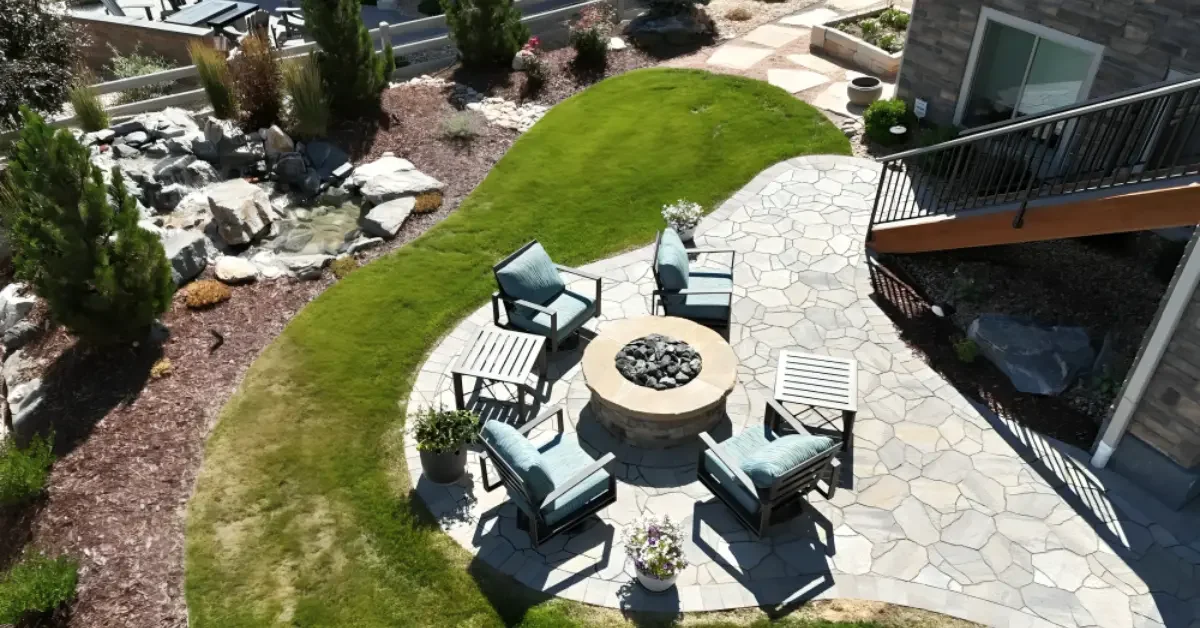
Landscape blocks can be used to create built-in seating walls that enhance outdoor living spaces. These features are often combined with patios or fire pits to create functional gathering areas. They provide permanent seating solutions that blend naturally into the landscape while improving usability and design flow in backyard spaces.
Landscape blocks are commonly used to define garden beds, pathways, and lawn edges. This helps organize outdoor spaces and create clean visual separation between different areas of the yard. They also reduce maintenance needs by keeping mulch, soil, and gravel contained within designated zones. This makes the landscape easier to manage and more visually structured.
Landscape blocks pair very well with xeriscaping designs, which focus on water-efficient and low-maintenance landscaping. Gravel, stone, and drought-resistant plants can be combined with block structures to create modern, sustainable outdoor spaces. This approach reduces water usage while maintaining strong visual appeal and functional design.
Proper installation of landscape blocks delivers both functional and aesthetic advantages that improve outdoor spaces for years. When installed correctly, these structures enhance organization, durability, and overall landscape design.
Well-built landscape block systems improve property value by creating clean, structured outdoor environments that are both attractive and practical. They also help control erosion and manage sloped areas more effectively, reducing long-term maintenance needs.
In addition, properly installed blocks provide long-lasting performance with minimal upkeep, making them a smart investment for homeowners looking to improve both appearance and usability. Overall, correct installation ensures outdoor spaces remain strong, stable, and visually appealing over time.
Ridgewell Colorado is a trusted name in hardscape and outdoor transformation services across Denver and surrounding areas like Aurora, Arvada, and Lakewood. The company specializes in creating durable, functional, and visually appealing outdoor spaces using professional installation methods and high-quality materials designed for Colorado’s climate.
With strong experience in structural landscaping and retaining wall systems, Ridgewell Colorado focuses on delivering long-lasting results that combine both aesthetics and performance. Every project is designed with proper grading, drainage planning, and structural integrity in mind to ensure outdoor spaces remain stable over time.
Ridgewell Colorado brings hands-on expertise in both hardscape and landscape construction, ensuring that every outdoor project is built with precision and durability. The team understands how to properly install structural elements like landscape blocks, patios, and retaining walls while maintaining strong design flow.
Our experience with outdoor structures allows them to handle complex installations that require both technical skill and design understanding. This ensures that every project not only looks good but also performs well long-term, especially in varying soil and weather conditions.
Our company offers full-service outdoor solutions that include custom patio design and installation, pergolas installation, retaining walls, and complete landscape design planning. These services are focused on transforming ordinary yards into functional outdoor living spaces that enhance usability and property value.
By combining structural hardscape features with softscape design, our experts creates balanced outdoor environments that are both practical and visually appealing. This approach ensures homeowners get a complete transformation rather than isolated improvements.
All installations are designed specifically for Colorado’s unique climate conditions, including freeze-thaw cycles, soil movement, and drainage challenges. Ridgewell Colorado prioritizes structural stability and water management in every project to ensure long-term performance.
Materials are carefully selected to withstand weather changes while maintaining their appearance and strength over time. This ensures outdoor spaces remain functional, safe, and visually appealing throughout the seasons.
Adhesive is not always required, especially for dry-stack systems used in smaller projects. However, construction adhesive may be used for taller or structural walls to improve stability. The need depends on wall height, design, and load-bearing requirements.
The base depth depends on the size of the wall and soil conditions, but it typically requires a compacted gravel foundation that provides strong support. Deeper bases are needed for taller or load-bearing walls to prevent shifting and ensure long-term durability.
Yes, many landscape block systems are designed for dry installation using compacted gravel bases instead of concrete. These are suitable for small to medium projects, but larger retaining walls may require additional structural reinforcement.
Yes, landscape blocks are commonly used for retaining walls because they are strong, durable, and designed to handle soil pressure when installed correctly. Proper drainage and leveling are essential for long-term stability and erosion control.
Installing landscape blocks successfully depends on proper preparation, accurate leveling, and effective drainage planning. These factors determine whether the structure remains stable and durable over time or develops issues like shifting and erosion.
While DIY installation can work well for smaller decorative projects, larger or structural retaining walls often require professional expertise to ensure safety and long-term performance. Combining hardscape elements with thoughtful landscape design creates outdoor spaces that are both functional and visually appealing.
For homeowners looking to upgrade their outdoor areas with professional results, Ridgewell Colorado provides reliable, durable, and well-designed hardscape solutions tailored to Colorado properties.
Fresh Ideas From our experts
What Your Neighbors Are Saying
"They are the best. We have a small backyard and needed it to reflect a relaxing and enjoyable space. Chris used our ideas and came up with the perfect design. Then Francisco came with the cost projections and worked to accommodate our budget. He and his team then used their considerable construction expertise to create a space that’s an extension of our home where we spend a lot of time. Thank you for creating such a welcoming space."
"I am new to Colorado and hired Chris and Francisco to design and implement a plan for my new build house. From design to finish and followup they were beyond my expectations. They are in constant contact throughout the project and their crew is very hardworking. They followup when the project is finished and are always available for whatever questions you may have. I would highly recommend them, and I get many complements on the work they have done for me."
"We were thrilled with the end result of our brick paver patio refurbishment. We hired Chris, Francisco and their team to fix our sinking brick paver patio. It had been installed by a different landscaper, and after only 2 years it was collapsing. Boo hiss! Ridgewell Landscape and Design came in and saved the day! They discovered the original installation was done incorrectly, and that’s why it was collapsing. Their team worked hard and got the project done quickly and professionally. We are thrilled with the look and finish of the job! Bravo!!"