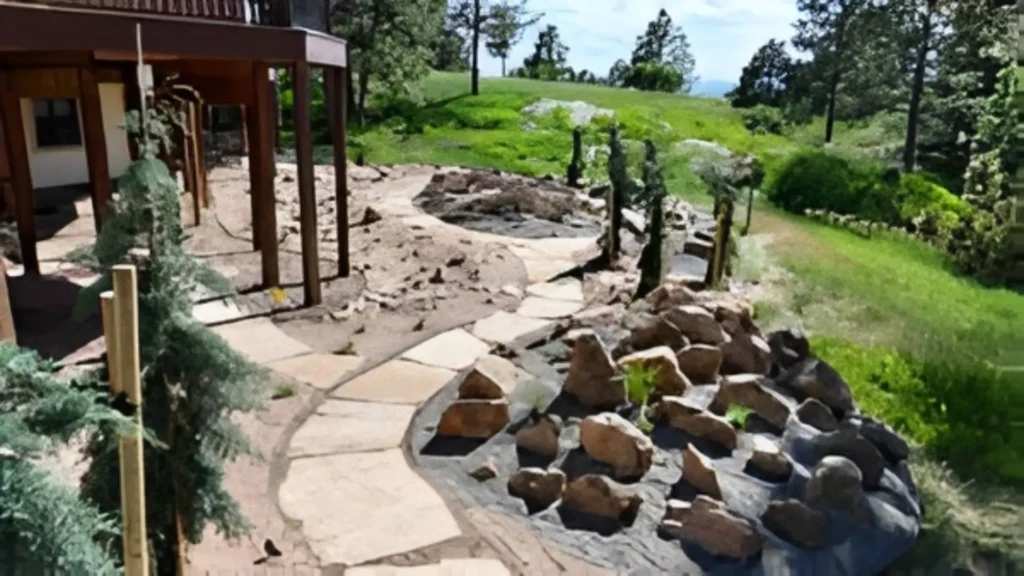
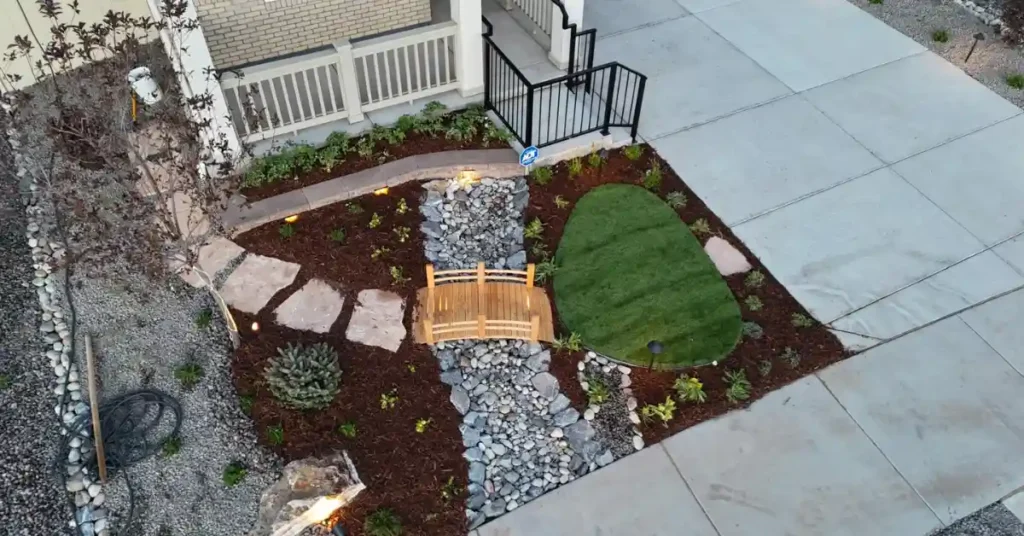
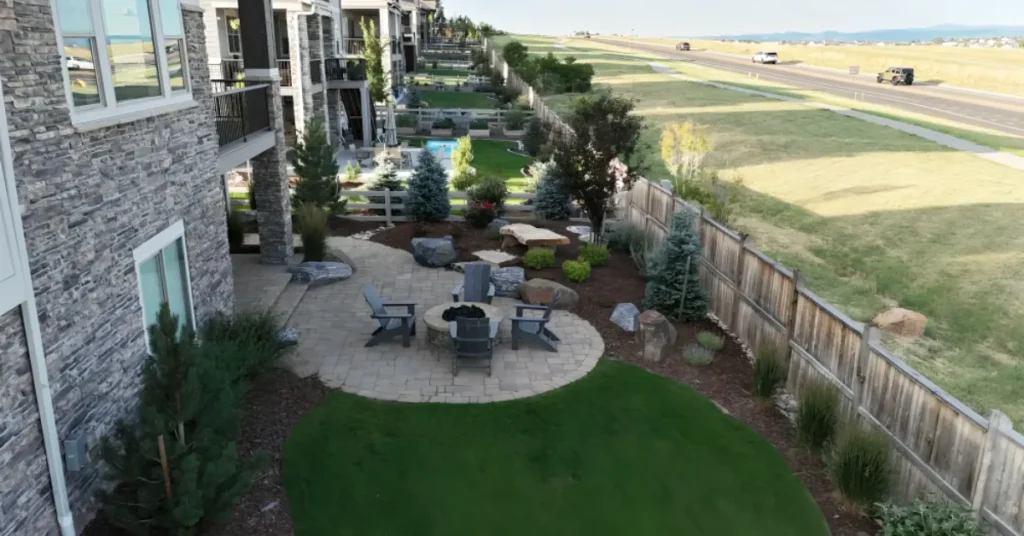
- Get A Free Consultation.
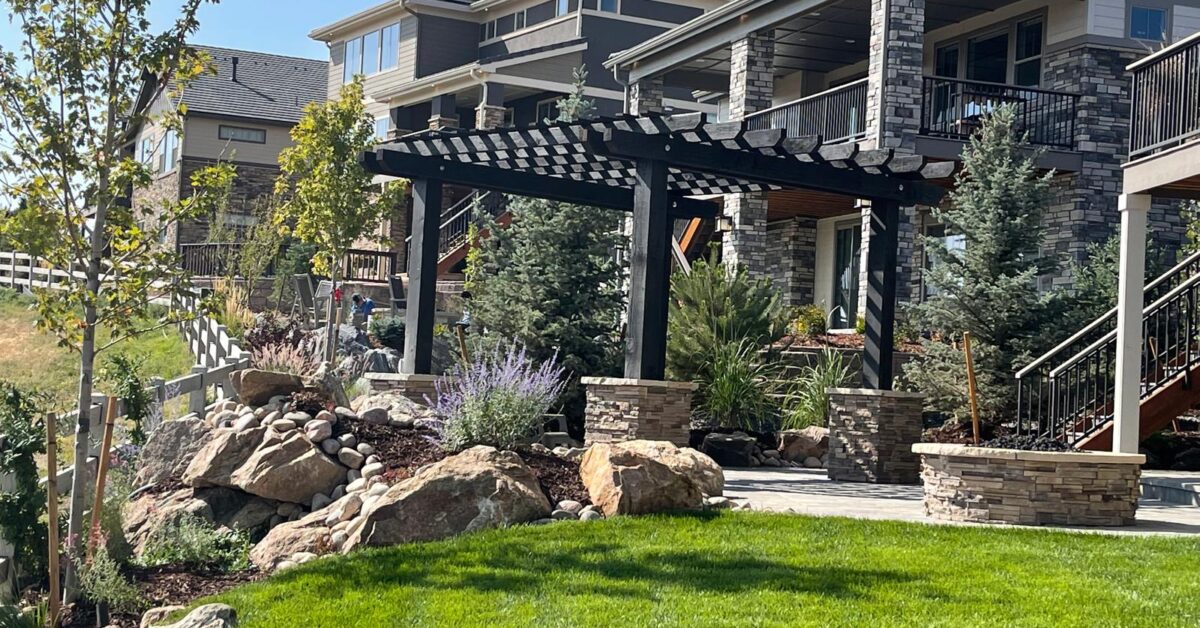
Landscaping costs can vary widely depending on the size of your yard, the scope of the project, and the types of plants and materials used. For homeowners in Denver and surrounding Colorado areas, understanding the factors that influence pricing helps plan budgets effectively and ensures projects are completed without surprises. Landscaping is more than planting flowers or laying sod—it often includes hardships like patios, retaining walls, walkways, irrigation systems, and grading, all of which impact total costs.
Basic landscaping projects, such as planting shrubs or creating small flower beds, are typically less expensive, while full-scale designs with extensive hardscaping, lighting, and irrigation naturally cost more. Other factors include plant selection, soil preparation, and labor intensity. Choosing drought-tolerant or native plants may reduce long-term maintenance and water costs, while premium materials or exotic species increase upfront investment.
By understanding these variables, homeowners can make informed decisions and achieve a balance between aesthetic goals, functionality, and budget when planning a Colorado landscape.
Landscaping costs in Colorado, including Denver and surrounding areas, vary widely based on project size, materials, plant selection, and labor. On average, basic landscaping for a typical residential yard can range from a few hundred to several thousand dollars. Simple projects like planting new flower beds, installing sod, or adding mulch may fall on the lower end of the cost scale, often between $500 and $3,000 depending on size and materials.
More extensive landscaping—such as installing irrigation systems, larger trees, or design features—typically ranges from $3,000 to $10,000 or more. Full-scale landscape transformations with hardscape elements like patios, walkways, retaining walls, and lighting are usually the most costly, ranging from $10,000 to $30,000+ for comprehensive redesigns.
Factors such as access to water, soil condition, terrain complexity, and plant drought tolerance also influence price. Denver’s unique climate and growing conditions sometimes require soil amendments and irrigation enhancements, which can increase upfront costs but improve long-term plant health and reduce maintenance. Planning with clear goals helps homeowners manage budget expectations and get the most value from their investment.
Landscaping costs vary depending on the type of work involved. Understanding the differences between softscaping, hardscaping, and xeriscaping helps Denver homeowners plan budgets more effectively. Each type serves a unique purpose, with different materials, labor requirements, and long-term maintenance considerations.
Softscaping focuses on the living elements of your yard, including plants, lawns, shrubs, and trees. Costs for softscaping typically range from $500 to $5,000, depending on plant size, quantity, and soil preparation needs. Hardscaping includes non-living features like patios, retaining walls, walkways, and outdoor kitchens. These projects are more labor-intensive and often range from $3,000 to $30,000+, depending on materials and project complexity. Xeriscaping emphasizes drought-tolerant plants, efficient irrigation, and water-saving design. Costs for xeriscaping vary widely but generally fall between $2,000 and $10,000, with potential savings on long-term water and maintenance expenses.
By understanding these cost ranges, homeowners can make informed decisions, prioritize elements that fit their budget, and achieve a balanced, functional, and visually appealing Colorado landscape.
Softscaping involves all the living elements in your landscape, including lawns, trees, shrubs, flowers, and garden beds. Costs depend on plant types, size, quantity, and site preparation. Smaller projects like adding flower beds or installing sod can cost a few hundred to several thousand dollars. Larger installations with mature trees or elaborate planting designs naturally increase expenses.
In Colorado, softscaping may require soil amendments and irrigation systems to ensure plants thrive in dry summers and cold winters. Although softscaping may seem less expensive upfront than hardscaping, thoughtful plant selection, placement, and ongoing maintenance are critical for long-term success and value.
Hardscaping includes the non-living structural elements of your landscape, such as patios, walkways, retaining walls, outdoor kitchens, and fire pits. These projects are generally more expensive due to material costs and labor-intensive installation. Simple pathways or small patios can start around $3,000, while large-scale outdoor living areas with multiple hardscape features may exceed $30,000.
Durability and functionality are key in Denver’s climate, where freeze-thaw cycles and shifting soil require proper installation and drainage. Although hardscaping carries higher upfront costs, it provides long-term value by reducing maintenance, enhancing usability, and complementing plantings for a balanced and attractive landscape.
Several factors influence landscaping costs, and understanding them helps Denver homeowners plan projects that stay within budget while achieving their design goals. The size of your yard is a primary consideration; larger properties require more materials, labor, and planning, naturally increasing costs. The complexity of the design also affects pricing, as intricate layouts, multiple planting zones, or elaborate hardscape features demand more time and expertise.
Material choice plays a major role in overall expenses. Premium stone, high-quality wood, mature trees, or specialty plants raise costs, while standard materials and native plants can reduce expenses. Labor and installation expertise are additional factors; professional landscapers charge for their time, equipment, and specialized skills to ensure a lasting result.
Site conditions, including soil quality, slope, and drainage, also impact cost. Poor soil or challenging terrain may require grading, soil amendments, or irrigation improvements. Seasonal timing, accessibility, and ongoing maintenance needs further influence the final price, helping homeowners plan a practical and sustainable landscape investment in Colorado.
Landscaping encompasses a wide range of services that help homeowners create functional, attractive, and sustainable outdoor spaces. For Denver and surrounding Colorado areas, professional landscaping goes beyond planting flowers or installing sod. A well-planned landscape combines design, grading, hardscaping, and drainage to ensure long-term beauty and performance.
Landscape design is the foundation, involving plant selection, layout planning, and integration with hardscape features to create a cohesive outdoor environment. Grading and soil preparation improve drainage, prevent erosion, and set the stage for successful plant growth. Landscape curbing adds clean, defined edges between beds, walkways, and lawns, enhancing aesthetics and reducing maintenance. Retaining walls provide structural support on sloped terrain, protect soil, and allow for creative design elements. Proper drainage systems prevent water pooling, reduce soil erosion, and protect foundations, particularly in Colorado’s variable climate.
By combining these services, homeowners achieve outdoor spaces that are visually appealing, functional, and resilient. Investing in professional landscaping ensures that every component works together efficiently for long-term success and enjoyment.
Landscape design is the first step in creating a beautiful and functional yard. It involves planning plant placement, hardscape features, pathways, and focal points to ensure balance and harmony. Designers consider factors like sunlight, soil quality, slope, and water efficiency to select plants and materials that thrive in Denver’s climate.
A professional design not only enhances aesthetics but also maximizes usability and sustainability. Thoughtful planning prevents overcrowding, reduces maintenance, and ensures long-term growth. Whether creating flower beds, outdoor living spaces, or entire yard transformations, expert landscape design serves as the blueprint for a successful, durable, and visually appealing Colorado landscape.
Landscape grading involves shaping the land to ensure proper drainage and prevent erosion. In Colorado, grading is essential due to snowmelt, seasonal rain, and sloped terrain. Proper grading directs water away from foundations and planting areas, protecting both plants and property structures.
Grading also prepares soil for planting by improving aeration, reducing compaction, and creating level areas for lawns, patios, or garden beds. Professional landscapers assess slopes, runoff patterns, and soil composition to create a functional and safe yard. Proper grading ensures that plants thrive, outdoor living areas remain usable, and long-term maintenance challenges are minimized.
Landscape curbing provides clean, defined edges between lawns, flower beds, and pathways, giving your yard a polished, professional look. It also helps prevent soil erosion and keeps mulch, rocks, or decorative elements in place.
In Denver, curbing materials vary from concrete and brick to metal or stone, depending on design preferences and budget. Beyond aesthetics, curbing reduces maintenance by keeping grass from encroaching into planting areas and making mowing easier. Proper installation ensures durability and long-lasting visual appeal, making landscape curbing a smart addition to both functional and decorative landscaping projects.
Retaining walls are essential for managing sloped or uneven terrain. They prevent soil erosion, stabilize slopes, and create usable garden or patio areas. In Colorado, retaining walls are particularly valuable for properties with hills or drainage challenges caused by snowmelt or heavy rain.
Walls can be constructed from stone, brick, concrete, or timber, and often double as decorative features that enhance the landscape’s visual appeal. Proper engineering ensures structural stability, preventing collapse or shifting over time. Retaining walls not only protect your property but also add functional space, making them a key component of durable and attractive outdoor design.
Proper drainage is critical for a healthy, long-lasting landscape. Drainage systems manage rainwater, snowmelt, and runoff, preventing water accumulation that can damage plants, erode soil, or affect home foundations.
In Denver, where seasonal precipitation and elevation changes can create water challenges, professional drainage solutions are essential. Systems may include French drains, swales, catch basins, or grading adjustments to direct water efficiently. Effective drainage ensures plants receive adequate moisture without being waterlogged, reduces soil erosion, and protects hardships. Integrating drainage into landscaping projects enhances both functionality and longevity, safeguarding your Colorado yard while maintaining a visually appealing and usable outdoor space.
Hiring a professional landscaping company in Colorado Springs ensures your outdoor space is designed, installed, and maintained with expertise and precision. While DIY landscaping can work for small projects, complex yards with unique terrain, soil challenges, or large-scale designs often require professional guidance. Expert landscapers bring knowledge of plant selection, hardscaping, grading, irrigation, and maintenance tailored specifically to Colorado’s climate and soil conditions.
A professional team helps homeowners maximize the beauty and functionality of their property while avoiding costly mistakes. They can recommend drought-tolerant or native plants, install durable hardscape features, and create efficient drainage systems that protect your yard and home foundation. Additionally, experienced landscapers handle seasonal changes, ensuring that your garden thrives year-round.
Partnering with a trusted Colorado Springs landscaping company like Ridgewell provides peace of mind, high-quality results, and long-term value. Whether you’re planning a full backyard transformation or small garden enhancements, professional services ensure your landscape is visually stunning, sustainable, and low-maintenance for years to come.
Landscaping costs vary widely depending on multiple factors. Understanding these elements helps homeowners in Denver and surrounding Colorado areas plan budgets effectively and make informed decisions. From the size of your yard to design complexity, each aspect influences the total investment. Proper planning ensures that your landscape meets both aesthetic and functional goals while avoiding unexpected expenses.
Key factors affecting costs include the size and complexity of the project, quality and choice of materials, and the level of labor and expertise required. Accessibility of the property and local conditions can also impact installation and maintenance. Additionally, intricate designs, timelines, and seasonal considerations influence pricing. By accounting for these factors, homeowners can balance budget constraints with desired outcomes, ensuring long-term value, sustainability, and visual appeal. Consulting professional landscapers like Ridgewell helps identify cost drivers and create solutions that deliver a beautiful and functional landscape tailored to Colorado’s unique environment.
The size of your yard and the complexity of your landscaping project are primary cost factors. Larger properties require more materials, labor, and planning, while intricate designs with multiple planting zones, terraces, or water features take additional time and expertise.
Complex projects may involve grading, irrigation, and integrating hardscape elements, all of which increase costs. Simple flower beds or small garden renovations typically cost less, while full backyard transformations or large-scale outdoor living areas naturally demand higher investment. Understanding the scope and scale of your project allows homeowners to budget effectively and prioritize features that provide the most value and visual impact.
The choice of materials significantly affects landscaping costs. Premium stone, high-quality wood, exotic plants, and mature trees are more expensive but provide long-lasting beauty and durability. Standard materials and native plants often reduce upfront costs while still offering aesthetic appeal.
Material selection also impacts maintenance and longevity. Durable, weather-resistant options may have higher initial costs but lower long-term expenses. Choosing the right materials for your climate and design goals ensures a balance between cost, functionality, and visual appeal, helping homeowners achieve a sustainable, attractive landscape in Denver.
Labor costs reflect the level of expertise and time required for installation. Skilled professionals ensure proper plant placement, soil preparation, grading, and hardscape construction. In Colorado, experienced landscapers account for local climate, soil conditions, and water efficiency, reducing the risk of costly mistakes.
Projects requiring specialized equipment or technical skills, such as retaining walls, irrigation systems, or drainage solutions, increase labor expenses. While hiring professionals is a higher upfront investment, it provides long-term value by ensuring a durable, healthy, and visually appealing landscape that meets your goals and reduces ongoing maintenance.
Property location and accessibility can impact landscaping costs. Yards that are difficult to reach or have uneven terrain require additional labor, equipment, and time. Sloped properties, limited access points, or properties with tight spaces may need specialized equipment or manual labor, increasing overall expenses.
In Colorado, local climate conditions, elevation, and soil quality also affect installation and maintenance strategies. Accounting for these factors allows homeowners to plan budgets accurately and choose solutions that work efficiently for their specific property, ensuring both functionality and aesthetic appeal.
Intricate landscape designs, including multiple planting zones, water features, patios, and layered plantings, require more planning, materials, and labor. Complex layouts take additional time for site preparation, grading, and integration of hardscape and irrigation systems.
Simpler designs with fewer elements are less expensive but may offer limited visual impact or functionality. Balancing design complexity with budget ensures that homeowners get the desired aesthetic and functional results without overspending. Thoughtful planning helps achieve a cohesive, attractive, and sustainable landscape in Denver’s unique climate.
The timing of a landscaping project influences costs. Peak seasons in Denver, such as spring and early summer, often see higher labor rates due to demand. Off-season projects may offer cost savings but require consideration of plant survival and soil conditions.
Accelerated timelines or projects with strict deadlines can increase labor costs, as additional crews or extended work hours may be needed. Seasonal factors, such as temperature fluctuations, frost, and snow, also affect plant selection, installation techniques, and irrigation planning. Understanding the impact of timing helps homeowners schedule projects efficiently, balance costs, and ensure successful establishment and long-term growth of their Colorado landscape.
Landscape maintenance costs vary depending on the size of your yard, the types of plants and features, and the level of service required. For Denver homeowners, factors like seasonal weather, irrigation needs, and plant types influence ongoing maintenance expenses. Regular upkeep includes mowing, pruning, fertilizing, pest control, irrigation management, and seasonal cleanups to keep your landscape healthy and visually appealing.
Basic maintenance for smaller yards with minimal features may range from $100 to $300 per month, covering mowing, trimming, and seasonal cleanup. Larger properties or landscapes with extensive plantings, hardscapes, and irrigation systems can cost $500 to $1,500 per month or more, depending on labor intensity and frequency of visits. Additional services such as fertilization programs, disease or pest control, or snow removal may increase costs.
Investing in professional maintenance ensures plants remain healthy, hardships stay intact, and water is used efficiently. Proper care prolongs plant life, prevents costly replacements, and maintains your property’s value, making landscape maintenance a smart long-term investment in Denver and Colorado homes.
The average cost of landscaping a house ranges from $3,000 to $15,000, depending on property size, materials, plants, and labor. Simple projects like lawn care are cheaper, while full-scale designs with hardscapes and irrigation are more expensive.
Yes, investing in landscaping is worth it. It increases property value, enhances curb appeal, creates functional outdoor spaces, improves environmental health, and provides long-term enjoyment, making it a smart financial and aesthetic investment for homeowners.
The most expensive part of landscaping is usually hardscaping, such as patios, driveways, retaining walls, and water features. These require labor, materials, and design expertise, making them costlier than plants or routine garden maintenance.
To budget for landscaping, start by defining your goals, prioritizing key areas, and researching costs for plants, materials, and labor. Allocate funds for design, installation, and maintenance, and leave a contingency of 10–15% for unexpected expenses.
Landscaping is a significant investment that enhances the beauty, functionality, and value of your home. Understanding the costs involved—from initial design and plant selection to hardscaping and ongoing maintenance—helps Denver and Colorado homeowners plan budgets effectively and avoid surprises. Factors such as project size, material quality, labor expertise, and seasonal timing all influence total expenses, while professional guidance ensures long-term success.
Hiring a qualified landscaper can save time, reduce mistakes, and provide expert knowledge on plant selection, soil preparation, grading, and water-efficient designs. Whether you are creating a simple garden, upgrading your yard, or planning a full-scale landscape transformation, proper planning and professional support ensure your investment is both beautiful and sustainable.
At Ridgewell Colorado, we specialize in creating landscapes that combine aesthetics, functionality, and sustainability. From design to installation and maintenance, our team delivers personalized solutions tailored to Colorado’s unique climate. Investing in professional landscaping transforms your outdoor space into a thriving, low-maintenance, and visually stunning environment that you can enjoy for years to come.
Fresh Ideas From our experts
What Your Neighbors Are Saying
"They are the best. We have a small backyard and needed it to reflect a relaxing and enjoyable space. Chris used our ideas and came up with the perfect design. Then Francisco came with the cost projections and worked to accommodate our budget. He and his team then used their considerable construction expertise to create a space that’s an extension of our home where we spend a lot of time. Thank you for creating such a welcoming space."
"I am new to Colorado and hired Chris and Francisco to design and implement a plan for my new build house. From design to finish and followup they were beyond my expectations. They are in constant contact throughout the project and their crew is very hardworking. They followup when the project is finished and are always available for whatever questions you may have. I would highly recommend them, and I get many complements on the work they have done for me."
"We were thrilled with the end result of our brick paver patio refurbishment. We hired Chris, Francisco and their team to fix our sinking brick paver patio. It had been installed by a different landscaper, and after only 2 years it was collapsing. Boo hiss! Ridgewell Landscape and Design came in and saved the day! They discovered the original installation was done incorrectly, and that’s why it was collapsing. Their team worked hard and got the project done quickly and professionally. We are thrilled with the look and finish of the job! Bravo!!"