- Get A Free Consultation.
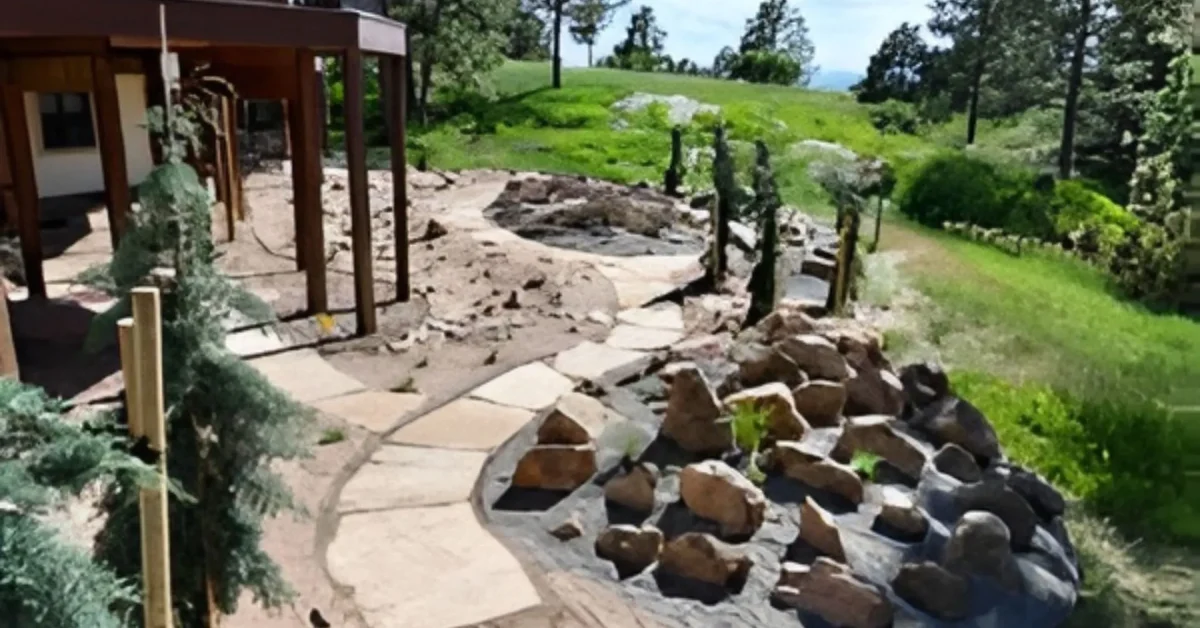
Decorative rock has become a popular choice in modern landscaping and hardscape design because it offers a clean, low-maintenance, and long-lasting outdoor solution. However, many homeowners still struggle with one key question before starting a project: how deep should rock be for landscaping? The answer is important because rock depth directly affects the appearance, drainage performance, and long-term stability of your outdoor space.
Choosing the wrong depth often leads to common problems such as thin coverage, exposed soil, weed growth, or excessive material use that becomes costly and unnecessary. On the other hand, the correct depth ensures a balanced finish that looks professional and performs well in different weather conditions.
Rock depth also depends on how the space is used—decorative areas require less depth, while functional zones need stronger layering. At Ridgewell Colorado, we focus on proper landscape planning and durable hardscape execution for long-lasting results.
Rock depth plays a major role in determining how well a landscaped area performs over time. It affects durability, visual consistency, drainage, and even how much maintenance the space will require in the future. When depth is correct, the rock layer stays stable, evenly spread, and resistant to shifting caused by weather or foot traffic.
Another important factor is weed prevention. A properly measured depth helps block sunlight from reaching the soil, reducing weed growth significantly. If the rock layer is too shallow, weeds can quickly break through and disrupt the clean appearance of the landscape.
Improper depth can also lead to uneven surfaces, sinking areas, and water drainage issues. Over time, this increases maintenance costs and reduces the overall lifespan of the landscaping design.
The visual quality of a landscape heavily depends on consistent rock depth. When the depth is even across the entire area, it creates a smooth, well-finished look that enhances curb appeal. However, shallow or uneven rock layers often expose soil underneath, making the design appear incomplete or poorly maintained.
Stability is equally important. Correct depth keeps rocks in place and prevents them from spreading or shifting over time. This is especially important in areas exposed to rain, wind, or regular foot traffic. A properly installed rock layer maintains its shape and structure, ensuring the landscape remains clean and organized for years.
Proper rock depth also improves drainage by allowing water to flow evenly through the surface instead of collecting in low spots. This reduces the risk of pooling, erosion, and soil damage, which can negatively impact surrounding plants and hardscape features.
Weed control is another key benefit. A deeper rock layer blocks sunlight more effectively, making it harder for weeds to grow and spread. When combined with proper installation techniques, it creates a strong barrier that keeps maintenance low and the landscape looking clean.
Standard rock depth recommendations vary depending on the purpose of the area and the type of landscaping design being used. Residential projects generally follow different guidelines for decorative spaces compared to functional or high-traffic zones.
Smaller decorative areas require less depth because they focus primarily on visual appeal, while functional areas need more material to handle pressure and movement. The size and type of rock also influence how deep the layer should be. Understanding these guidelines helps homeowners avoid common mistakes such as underfilling, which leads to poor coverage, or overfilling, which increases cost without adding real benefit.
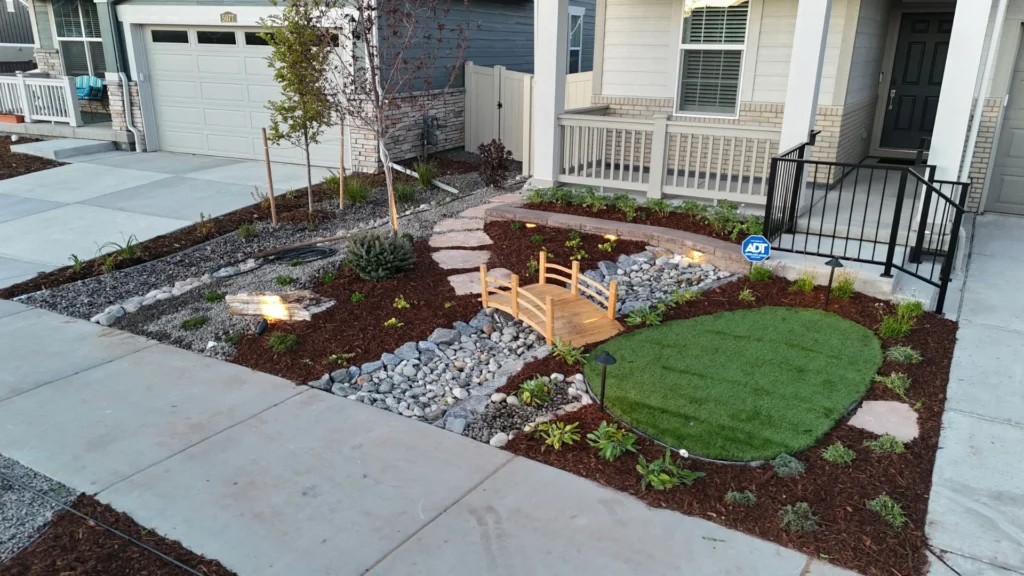
Light decorative areas such as garden beds, borders, and small pathways typically require a shallow rock depth. These spaces are mainly designed for aesthetics rather than heavy use, so a thinner layer is usually enough to achieve full coverage and a clean appearance.
In these areas, the goal is to hide soil, enhance visual appeal, and create defined outdoor sections. As long as the rock fully covers the surface and prevents soil exposure, it performs its function effectively. These zones are also easier to maintain and refresh when needed, making them ideal for simple landscaping improvements.
Functional areas like driveways, walkways, and heavily used outdoor sections require significantly more rock depth. These spaces experience constant pressure, so stability and durability become top priorities. A deeper rock layer helps prevent shifting, sinking, and surface displacement over time. In many cases, a compacted base layer is also added underneath to improve strength and support long-term performance. Without proper depth, these areas can quickly become uneven and require frequent maintenance, reducing both functionality and overall appearance.
Rock depth in landscaping is never a one-size-fits-all decision because every yard has different conditions, uses, and design goals. The correct depth depends on environmental factors, the type of rock being used, and how the space will function over time. In regions like Colorado, where weather, soil movement, and drainage can vary significantly, these factors become even more important. A properly planned depth ensures the rock stays stable, looks consistent, and performs well for years.
Understanding these variables helps prevent common issues like sinking, shifting, or uneven coverage. It also improves weed control and reduces long-term maintenance needs. Professional planning, such as that used in projects by Ridgewell Colorado, ensures the rock depth is matched correctly to both design and function. Services like Landscape Design Services, Xeriscaping Services, and Paver Patio Installation often rely on these principles for long-lasting outdoor results.
The type and size of rock you choose directly affects how deep the installation needs to be. Smaller gravel, for example, typically requires a shallower depth but must be compacted properly to avoid shifting. Larger decorative stones need a deeper base to stay stable and prevent movement over time. If the depth is not adjusted based on material size, the result can look uneven or feel unstable underfoot.
Stability also varies between materials. Heavier rocks naturally stay in place better, but they still require a properly prepared base to prevent sinking into soil. Lighter gravel, on the other hand, is more prone to displacement if the depth is not consistent. Choosing the right combination of rock type and depth ensures both durability and visual consistency across the landscape.
Soil type is one of the most important factors when determining rock depth. Clay-heavy soil tends to retain water and expand, which can cause rocks to shift if the base is not deep and stable enough. Sandy soil drains faster but may require additional reinforcement to prevent sinking over time. These differences make it essential to adjust depth based on ground conditions rather than using a standard measurement.
Drainage is another critical consideration, especially in Colorado landscapes where weather changes can be sudden. Poor drainage can lead to pooling water beneath the rock layer, causing uneven settling or long-term instability. Proper depth helps maintain smooth water flow and reduces erosion risks. When designed correctly, the rock layer works with the soil instead of against it, improving both performance and longevity.
Proper ground preparation is the foundation of any successful rock landscaping project. Without it, even the correct rock depth will fail over time due to shifting, weed growth, or uneven settling. Preparing the area ensures that the rock sits on a stable surface and maintains its structure for years. This step is often overlooked in DIY projects, leading to costly corrections later.
Good preparation also helps improve drainage and reduces long-term maintenance. By creating a clean, level base, you allow the rock layer to perform as intended. Professional landscaping teams like Ridgewell Colorado prioritize this stage to ensure long-lasting results, especially for projects involving structural elements like Retaining Wall Construction or decorative layouts.
Clearing the area is the first step in proper preparation. This involves removing grass, weeds, roots, and any loose debris that could interfere with the rock layer. If organic material is left behind, it can decompose over time, causing the surface to sink or become uneven. A clean base is essential for long-term stability.
Once cleared, the ground must be carefully leveled to create an even foundation. Uneven surfaces lead to inconsistent rock depth, which affects both appearance and drainage. Leveling also helps ensure that water flows correctly across the surface instead of pooling in low areas. Taking the time to properly shape and smooth the ground prevents future maintenance problems and improves the overall finish of the landscaping project.
A weed barrier is often installed after leveling to prevent unwanted plant growth from pushing through the rock layer. Landscape fabric helps separate soil from the rock, reducing weed development and keeping the surface cleaner for longer periods. However, it must be installed correctly to avoid wrinkles or gaps that can reduce effectiveness.
In many cases, a gravel base layer is also added for extra stability. This layer helps improve drainage and prevents the rock from sinking into softer soil underneath. It also strengthens the overall structure of the landscaping area. Together, weed barrier fabric and a proper base layer create a strong foundation that supports consistent rock depth and long-term performance.
Many rock landscaping problems come from incorrect installation practices rather than the materials themselves. Homeowners often underestimate how important consistent depth and proper preparation are, leading to issues that appear months or years later. These mistakes can affect both the appearance and functionality of the landscape.
Avoiding these errors is key to achieving a clean, durable, and low-maintenance outdoor space. Whether it’s a small garden bed or a larger hardscape project, correct installation techniques make a significant difference in long-term performance.
One of the most common mistakes is not using enough rock depth. When the layer is too thin, soil becomes exposed, leading to poor coverage and an unfinished appearance. This also allows sunlight to reach the soil, increasing weed growth and maintenance requirements.
Thin rock layers also tend to shift more easily, creating uneven patches over time. This reduces both visual appeal and stability. In many cases, homeowners end up needing to add more material later, increasing overall cost and effort. Proper initial depth avoids these problems and ensures a consistent finish.
On the opposite end, using too much rock can also create problems. Excess material increases project costs unnecessarily and can make the surface difficult to maintain or walk on. Thick layers may also sink unevenly into softer soil, especially if the base was not prepared correctly.
Overloading certain areas can lead to uneven settling and drainage issues. In some cases, too much weight can compact the soil below, reducing its ability to drain properly. A balanced approach ensures the rock layer performs efficiently without creating maintenance or structural problems over time.
Understanding when to handle rock installation yourself and when to bring in professionals is important because rock depth directly affects drainage, appearance, and long-term stability. While small decorative areas can often be managed as a DIY project, larger or structural landscaping requires more precision than most homeowners expect. The key difference is not just effort, but accuracy in grading, compaction, and material selection.
Getting rock depth wrong can lead to uneven surfaces, weed issues, or drainage problems that are expensive to fix later. That’s why professional guidance often makes a noticeable difference in both durability and finish quality.
DIY rock installation is generally suitable for small garden beds, decorative borders, or simple pathway enhancements where precision demands are lower. Homeowners can manage these projects with basic tools like shovels, rakes, and leveling boards, along with careful planning of rock depth and layout. However, limitations often appear when dealing with uneven soil, sloped areas, or drainage-sensitive zones. Without proper compaction or grading, the rock layer may shift over time, leading to maintenance issues. DIY works best for visual upgrades rather than structural or long-term landscaping solutions.
Professional installation ensures correct rock depth based on soil conditions, drainage needs, and intended use of the space. Experts use equipment for precise grading and compaction, which significantly improves long-term stability. This is especially important for larger landscapes or areas that connect with structural elements like walls or patios. Professional work also ensures consistent design and prevents common issues like sinking or uneven distribution. For more structural landscape support, services like ours can help ensure durability and proper integration with rock installations.
Correct rock depth plays a major role in how functional and visually balanced an outdoor space feels. When installed properly, rock layers improve drainage, reduce maintenance, and create clean separation between different landscape zones. The right depth also ensures that decorative areas stay consistent over time without shifting or exposing soil.
Different outdoor features require different depth strategies, especially when combining aesthetics with function. This is where thoughtful landscape planning makes a significant difference in long-term performance.
In water-conscious landscaping, proper rock depth is essential for reducing irrigation needs and maintaining soil moisture balance. Xeriscaping uses rock strategically to replace high-water-use lawn areas, making depth consistency important for both appearance and function. Too shallow, and weeds appear; too deep, and maintenance becomes difficult. When properly designed, rock layers support sustainable landscaping systems that perform well in dry climates. Many homeowners pair this approach with services like to create low-maintenance, water-efficient outdoor environments.
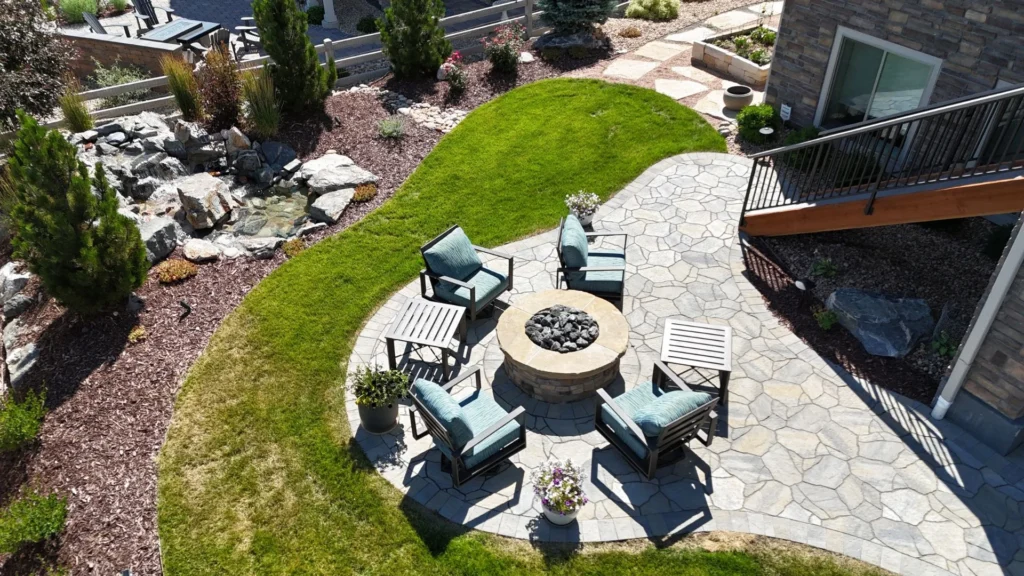
Rock depth also plays a supporting role in hardscape areas by improving transitions between patios, seating zones, and garden beds. Properly graded rock helps create clean visual edges and functional separation between built structures and natural landscaping. It also supports drainage around paved surfaces, reducing water pooling and erosion risks. When combined with structural installations like , correct rock depth enhances both durability and design flow across the entire outdoor space.
Getting rock depth correct is one of the most important factors in achieving a long-lasting and low-maintenance landscape. When depth is properly calculated and installed, the entire outdoor space performs better in terms of drainage, stability, and appearance.
It also reduces future repair work, since properly layered rock is less likely to shift, sink, or develop uneven patches over time. This makes the landscape easier to maintain and more visually consistent throughout the year.
Proper rock depth also improves curb appeal by creating clean, structured outdoor areas that look intentional rather than improvised. It enhances soil protection, supports plant health in adjacent beds, and prevents erosion during heavy rainfall. Most importantly, it increases overall usability by keeping outdoor zones functional, safe, and visually balanced for everyday use.
Ridgewell Colorado brings local expertise built specifically around Colorado’s unique soil conditions, weather patterns, and landscape challenges. Outdoor projects in areas like Denver, Aurora, Arvada, and Lakewood require more than basic installation knowledge—they need an understanding of drainage behavior, freeze-thaw cycles, and long-term material performance.
With experience in rock landscaping, hardscape construction, and complete outdoor design, Ridgewell Colorado focuses on delivering results that are both functional and visually balanced. Every project is planned with precision, ensuring correct rock depth, proper base preparation, and long-lasting stability. The goal is not just appearance, but durability that holds up over time. Whether it’s decorative rock beds or fully structured outdoor spaces, each design is customized to fit the property and lifestyle needs of the homeowner.
If landscaping rock is too shallow, soil becomes exposed over time, which leads to weed growth and uneven surface appearance. It also reduces the effectiveness of drainage, causing water to collect in unwanted areas. This often results in higher maintenance needs and a less polished outdoor look overall.
Yes, landscape fabric is commonly recommended because it helps prevent weeds from growing through the rock layer. It also stops soil from mixing with the rock over time, which helps maintain a cleaner appearance and improves long-term durability. When installed correctly, it reduces maintenance and keeps the surface more stable.
Yes, too much rock can create problems such as drainage issues, unnecessary material costs, and difficulty in maintenance. In some cases, excessive depth can also cause sinking if the base layer is not properly prepared. The right balance is important for both performance and appearance.
No, deeper rock is not always better. The correct depth depends on the purpose of the area. Decorative zones typically need less depth, while functional or high-traffic areas require more balanced and compact layers for stability. Overdoing depth can lead to waste and installation issues.
Correct rock depth is essential for achieving both a visually appealing and long-lasting landscape. When depth is too shallow or too deep, it can lead to drainage problems, weed growth, uneven surfaces, and ongoing maintenance challenges. Proper planning based on soil conditions, rock type, and intended use is key to getting the best results.
While DIY installation can work for smaller decorative areas, larger or more functional landscapes benefit greatly from professional planning and execution. Ridgewell Colorado focuses on building outdoor spaces that are durable, balanced, and designed specifically for Colorado conditions, ensuring both performance and long-term value for homeowners.
Fresh Ideas From our experts
What Your Neighbors Are Saying
"They are the best. We have a small backyard and needed it to reflect a relaxing and enjoyable space. Chris used our ideas and came up with the perfect design. Then Francisco came with the cost projections and worked to accommodate our budget. He and his team then used their considerable construction expertise to create a space that’s an extension of our home where we spend a lot of time. Thank you for creating such a welcoming space."
"I am new to Colorado and hired Chris and Francisco to design and implement a plan for my new build house. From design to finish and followup they were beyond my expectations. They are in constant contact throughout the project and their crew is very hardworking. They followup when the project is finished and are always available for whatever questions you may have. I would highly recommend them, and I get many complements on the work they have done for me."
"We were thrilled with the end result of our brick paver patio refurbishment. We hired Chris, Francisco and their team to fix our sinking brick paver patio. It had been installed by a different landscaper, and after only 2 years it was collapsing. Boo hiss! Ridgewell Landscape and Design came in and saved the day! They discovered the original installation was done incorrectly, and that’s why it was collapsing. Their team worked hard and got the project done quickly and professionally. We are thrilled with the look and finish of the job! Bravo!!"